Review: The Dry by Jane Harper – book to film

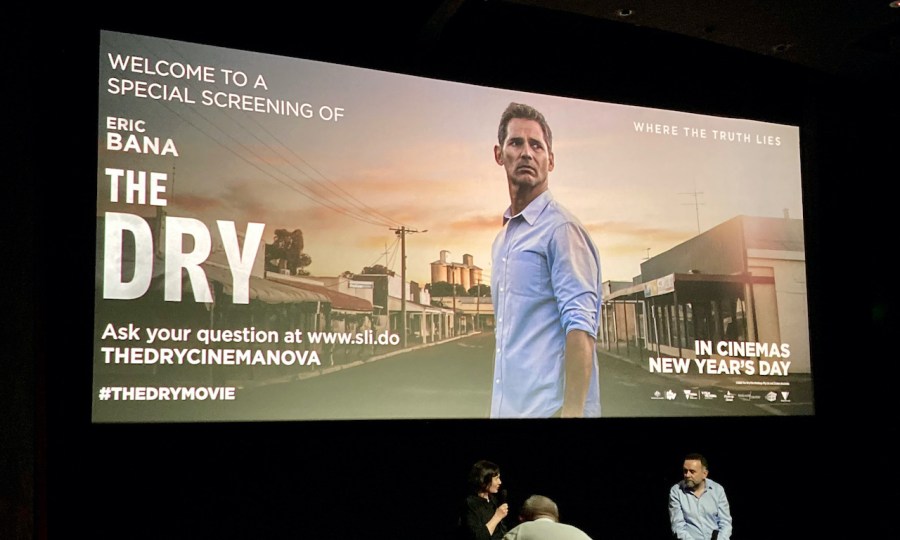
I read Jane Harper’s The Dry when it first came out and really enjoyed it. So I was excited to go and see a special screening of the movie at Cinema Nova in Melbourne this week. It was also the first time I’d been near a cinema, or any kind of cultural institution since March (pre-COVID) which engendered a sense of novelty into the occasion.

Three members of a family are murdered in a small, parched, Victorian country town. This is the second significant tragedy to strike the town in twenty years and Kiewarra is seething with a hostile undercurrent of mistrust. The first incident involved the drowning of our protagonists teenage sweetheart twenty years earlier. Federal cop Aaron Falk returns to the town for the first time since the girls death to attend the funeral of his childhood friend, Luke Hadler, after he receives a note from Luke’s father that says ‘You lied. Luke lied. Be at the funeral’.

It is believed that Luke killed his wife and son, and then himself in a murder-suicide. When Aaron arrives Luke’s parents ask him to look into what happened. Aaron reluctantly agrees and finds himself trying to navigate local hostility to solve two crimes.

It is only four years since The Dry won the Victorian Premier’s Literary Award for an unpublished manuscript. It’s been a speedy process from book to film after filmmaker Robert Connolly read the book and loved it. Connolly’s filmography includes: All Men are Liars, The Monkey’s Mask, Three Dollars, Balibo, Paper Planes, and The Bank.

Eric Bana plays Aaron and there’s plenty of pensive, moody moments of pent up emotion as he struggles with his own inner demons as well as those of the town. Other cast members include Genevieve O’Reilly, (Glitch, Rogue One), Keir O’Donnell (American Sniper, Ray Donovan) and John Polson (Tropfest founder)

The film was shot in the Wimmera and Castelmaine and is a great one to see on a big screen to get that sense of the expansiveness of regional Australia. Due for release in January 2021.

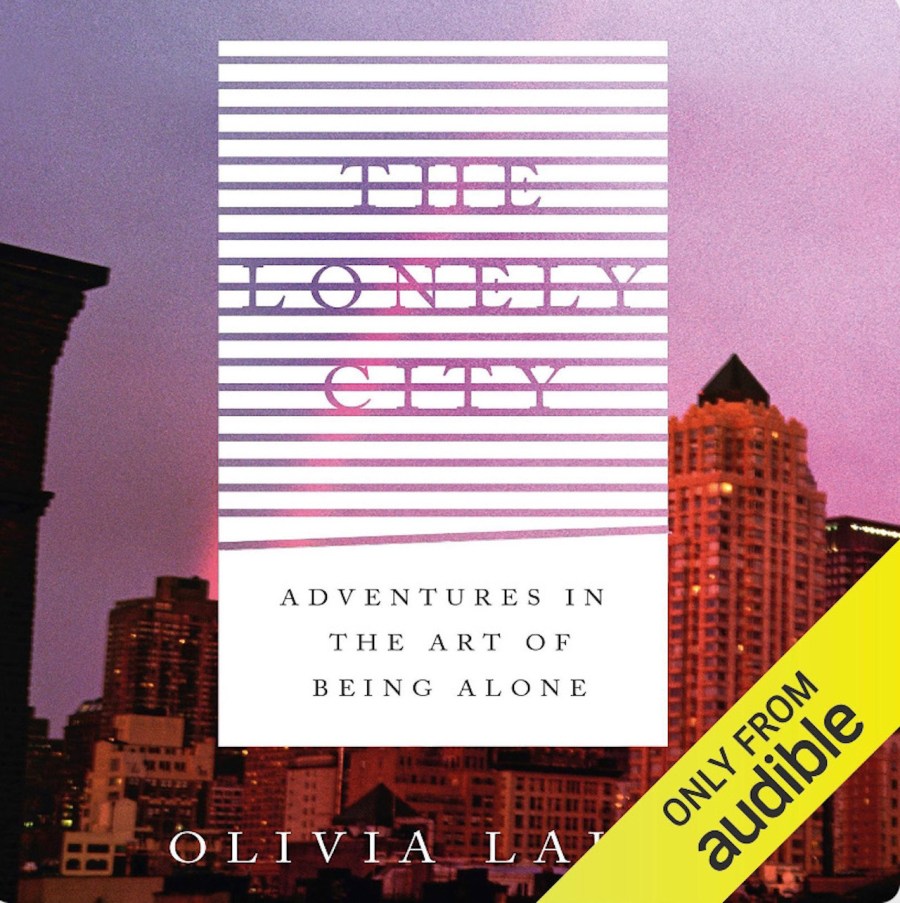
Book review: The Lonely City by Olivia Laing

I have a longstanding interest in the relationship between creativity and mental health. Creating art allows us to disconnect from stress, express inner thoughts and feelings, and often to enter that beautiful meditative state of ‘flow’. As a writer, I find the act of writing soothing.

I was fascinated to discover and read Olivia Laing’s The Lonely City recently. The book investigates creativity as an antidote to loneliness, a largely taboo subject about the feeling that arises when we become distressed by the perceived gap between our desire for social connection and our actual experience of it.

Laing found herself alone in New York after the relationship that drew her there from Britain ended abruptly. She set out to investigate the state of loneliness, state that society finds difficult, through works of art that arose out of that state, and to record her own journey to master being alone.

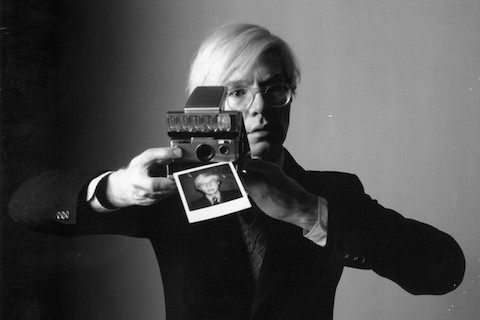
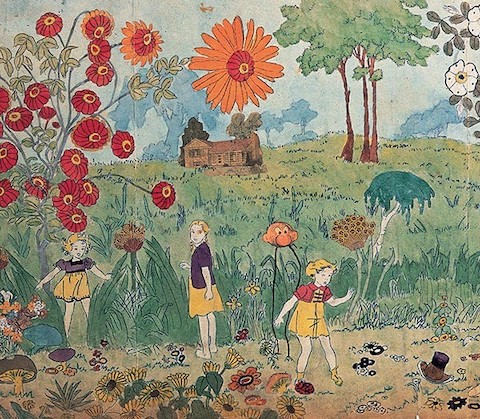
Laing’s main subjects were: Edward Hopper (1882-1967), the American realist painter and print maker who captured the loneliness and alienation of modern life in his work; Andy Warhol (1928-1987) a leading figure in the visual art movement; David Wojnarowicz (1954-1992) the Polish American painter, photographer, writer, filmmaker, performance artist, songwriter/recording artist and AIDS activist; and Henry Darger (1892-1973), the isolated American janitor who was posthumously recognised for his writing and art, including collages, and drawings, and 15,000 pages of handwritten prose.

images from web

Each artist was studied by Laing to create what she called a ‘map of loneliness’. Hopper’s Nighthawks is used to explore the spacial dynamics of loneliness with its characters trapped in an iceberg of greenish glass. Warhol’s machine-like aesthetic and the way he mediated intimacy via his tape recorder and camera explores the social strategies used to bridge a sense of strangeness and ‘not belonging’. Wojnarowicz provides a case study of the politics of loneliness and what happens when society excludes people from its ranks. Darger’s extreme isolation throughout his life presents a psychological case study of the condition of loneliness.

The setting of the work in New York city is demonstrative of the fact that being alone and loneliness are not the same thing. Loneliness is a condition that arises from within, an uncomfortable feeling that for some becomes unbearable. Some, like Warhol surround themselves with people but still feel a deep sense of loneliness, whilst others spend significant amounts of time alone without experiencing the condition of loneliness.

Laing explores the gendered nature of loneliness reflecting on Valerie Solanas (who shot Warhol), Greta Garbo and her paparazzo stalker, Ted Leyson, and Laing’s own forays into online dating.

The Lonely City is part biography, part memoir and part cultural criticism about the spaces between people and the things that draw them together. It is a broad ranging meditation on sexuality, mortality, loneliness, and the possibilities of art as an antidote. A fascinating read (or listen – I bought the audio book).

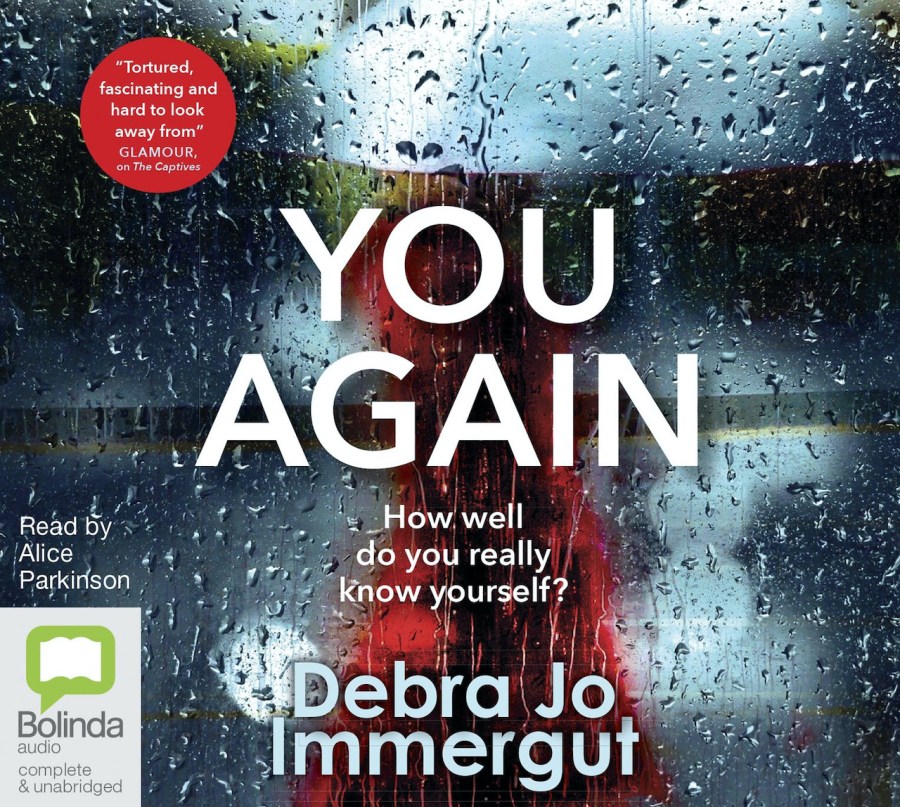
Book review: You Again by Debra Jo Immergut

You Again is Edgar Award finalist (for The Captives) Debra Jo Immergut’s second novel about a middle aged woman haunted by herself. I don’t know about you, but if I think I saw my younger self I couldn’t resist the temptation to offer myself some frank and fearless advice about a thing or two.

Abigail Willard keeps meeting her younger self in her old haunts around New York. A talented painter who abandoned her art for marriage and parenthood and an ordinary day job, at first she wonders if she’s having a midlife crisis and hallucinating about her lost youth. Then, as it keeps happening, she wonders if she has some neurological or psychiatric condition and goes to see a shrink and to get brain scans.

Meanwhile she is also contending with her rebelious son and questioning her relationship with her husband.

Journal entries form the narrative as Abigail’s life unfolds and she wonders whether she should warn her younger self about what is going to happen. There are echoes of magical realism in the plot as the narrative takes you from inside Abigail’s head to a doctor who is trying to work out why her patient is having these strange experiences.

You Again combines psychological suspense and fantasy in a meditation on time, existence, consciousness, fate, love, ambition and regret.

Navigation

My writing mojo is a little flat this week, so I’m going abstract, partly inspired by one of my favourite poets, James Walton

She became certain that the world was not flat when she flew off its edge. The instigating event was packaged in a few short sentences that spelled ‘the end’. A surprise finish to a story she thought only half way through. Some writers like to conclude with a twist.

Afraid of falling as she spun through space. Perpetually at the apex of a roller coaster – dizzy; stomach lurching toward mouth; sense of time and space confused. Astronauts know it only too well. But she held her own and panic subsided. A euphoric calm settled in. Awe at the infinite possibilities of all-that-space. She is a speck of dust, both insignificant and gloriously extraordinary. Weightless.

Wonder at the celestial balls burning bright, lighting up the night sky with constellations of starlore. Her grandmother told her that her anger set fire to the barn. The flames reached into the night sky and their embers created the stars. The old crone could throw back whisky like a Kentucky pioneer and she knew a thing or two about navigation.

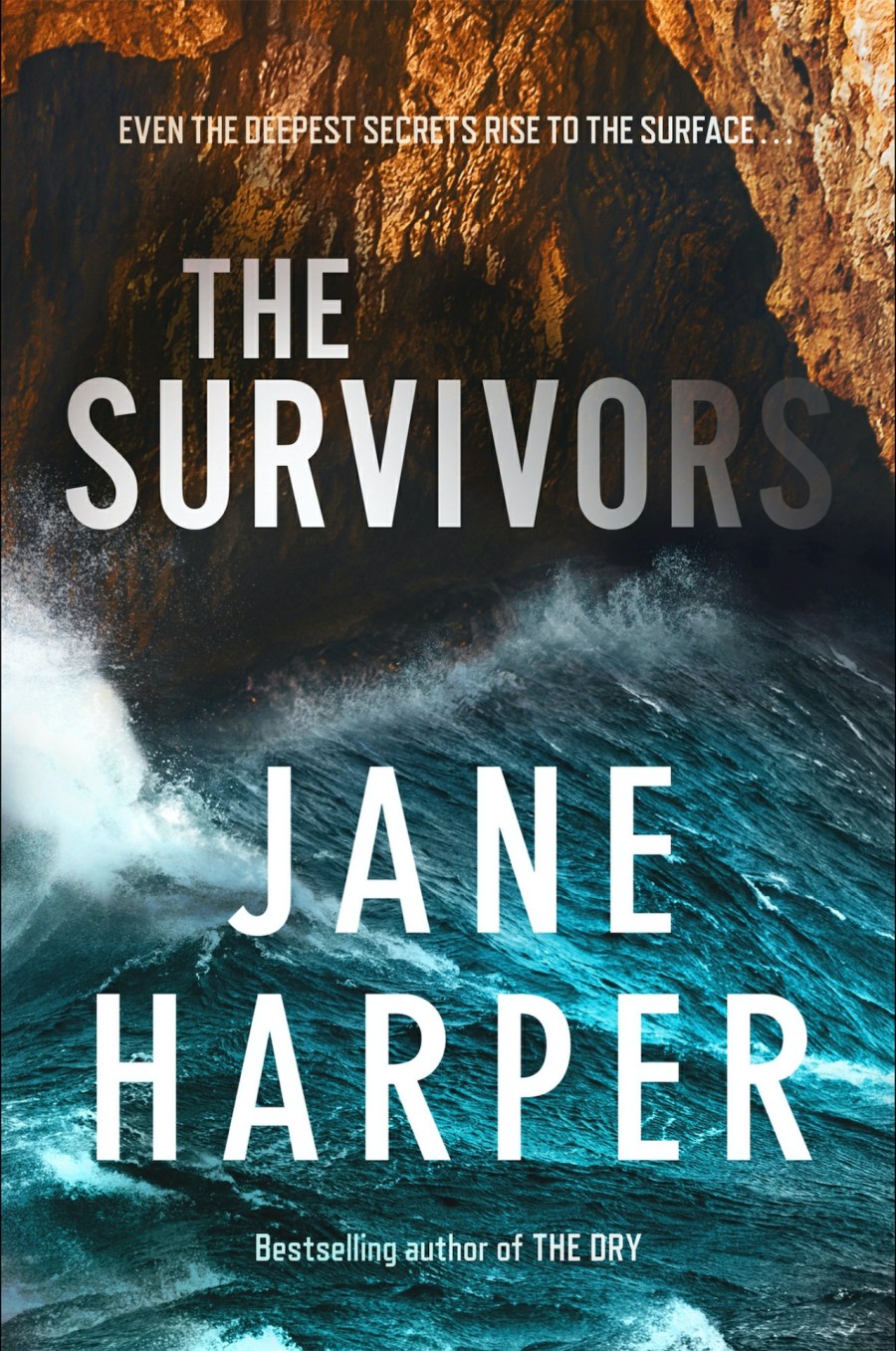
Book review: The Survivors by Jane Harper

In The Survivors, Jane Harper takes us to an isolated small town on the Tasmanian coast riddled with a labyrinthe of dangerous caves that fill and empty with the tide. Getting trapped in there at high tide means certain death.

Evelyn Bay is a small, struggling, but close knit community, reliant on tourist visiting for whale watching and diving an old ship wreck in the bay. It has a pub and a police station that is about to be closed because not much happens.

Keiran Elliott left Evelyn Bay years ago, after his brother drowned at sea. He believes his was responsible for what happened to his brother and struggles guilt. He has returned with his wife and baby to visit his parents. Keiran’s father is suffering from early onset dementia and needs care so they are about to sell the family home and move because of this.

The Survivors, three statues commissioned in tribute to the 54 passengers and crew who died in a shipwreck a century earlier, stand as a mythic presence in the town. The waves lap at their feet, almost, but never completely consuming them at high tide. They are a constant reminder of the oceans ferocity, and auger when it is and is not safe to be on the beach.

Everyone knows everyone’s business. Towns people still grieve the losses of some of its members in the crashing waves during a terrible storm a decade earlier. When a second tragedy occurs – a young woman visiting during a break from university who is found dead on the beach – long buried secrets and grievances begin to emerge.

The police investigate the girls death while the townsfolk go wild with speculation on social media. Anger at a newcomer author who bought the house of the local landscaper’s grandmother, and ripped up the garden almost comes to blows in the pub. Animosity and guilt about who’s fault it was that three community members died in the storm all those years ago simmers near the surface, straining long held friendships.

The mystery unfolds as the characters grapple with grief, guilt and regrets that make some stronger, whilst others unravel. Another good read from Jane Harper.

Entering the new world

The New World was first sighted by a sailor called Rodrigo de Triana on 12 October 1492. It was during Christopher Columbus’s first transatlantic voyage. Rodrigo was standing aboard the caravel ship La Pinta very early one morning when he caught sight of Guanahani, an island in the Bahamas, and shouted, ‘Land! Land!’

It seemed fitting that my first sojourn out into my own new world post lock down (and post my relationship that became a casualty of Melbourne’s hard lock down) was to a restaurant called La Pinta.

La Pinta menu

It was a friends birthday and a group of us, I refer to fondly as ‘the old girls network,’ came together face to face for the first time since before COVID (except for one who moved to Adelaide earlier in the year). La Pinta set us up at a table out the back behind the kitchen.

I first met these women over twenty years ago when we were all idealistic young aid workers. They have become a group of my most valued friends – they are at my heart centre. We spent the nine months of Melbourne’s multiple lock downs chatting on Whatsapp about the state of the world, food, politics, plumbing, sharing memes, hopes, dreams and disasters.

For Melbourne peeps, La Pinta is a fabulous little Spanish inspired restaurant in High Street, Reservoir. The eatery was established by a group of Italian, Spanish and French heritage, in what used to be an old billiard room. The walls are still adorned with original murals of Italian landscapes that I suspect may have been the inspiration for the restaurants name. La Pinta translates into The Painted One.

La Pinta serves an ever changing menu of delicious tapas made from the produce of a network of local farmers of small-scale regenerative agriculture. I say delicious with some authority as we managed to get through about 90% of the menu over lunch.

The Patch

My other passion aside from writing is my garden, so I was instantly taken with La Pinta. My patch of paradise holds about twenty fruit and nut trees, and a very large vegetable patch.

I have been pondering over recent weeks what I would do with the excess produce I grow including citrus, figs, quinces, and seasonal veggies. Visiting friends generally leave with bags of goodies, but large quantities remain. I had contemplated setting up a street stall, but I live in a very quiet street so worry too much would still go to waste. I don’t want to stop growing food, but I hate the thought of it not being used.

As it turns out going to this particular restaurant was not only fitting, but fortuitous. I am going to try to become one of their suppliers so I can keep up as much growing as I like and see it go to good use. I’m excited about dropping off my first delivery of garlic and dried limes on Wednesday. I wonder what they will make with them, and who might eat the food I have grown.

Book review: The Mother Fault by Kate Mildenhall

One word to describe this dystopian novel – gripping. My heart was racing within the first few pages. I listened to it as an audiobook read by Claudia Carvan and turned it on compulsively in every spare minute till the end.

Near future climate changed world. People chipped like pets. One government, The Department controls everything. Mim’s husband goes missing. The Department warns her not to tell anyone, not to go anywhere, or risk her children being taken into care. She’s already told a journalist that Ben is missing in Indonesia.

The world shifted slowly, then so fast, while they watched but didn’t see. They weren’t stupid. Or even oppressed at the beginning. Let the record show that. There were no assassinations. No riots. The people invited the new government to take charge at the ballot box. The two parties had consumed themselves. Left the system wide open for a third option. Reasonable, populated by diverse public figures, backed by both big money and bid ideology. On a platform of innovative and economically viable responses to the climate emergency, a rehaul of the health, housing and disability schemes that would see the most vulnerable members of the community cared for, and a foreign policy that miraculously spoke to fear of the other and fluid borders ideal for capital in and capital out, the new party was humbly triumphant on election night. Simple, elegant. No need for finite portfolios and the bullshit of bureaucracy (their words, appealing to the everyday Australian). Centralised power was the answer. On Department for One Nation.

Mim decides to run. She goes to visit her family home in the country on the pretense of chasing work. The Department know where she is. They call and warns her to go home. Her friend removes the chips from her and her children’s palms, inserts them in some rats she releases into the bush, and Mim and the kids drive away. She soon discovers how serious The Department’s controls are when they visit her family and her friend has ‘an accident’. A house fire.

A strong but flawed female protagonist, protective of her children and desperate to find her husband. Somehow the strange COVID world we are living in now, with ever enhanced technology and increased government rules, makes the already plausible Gilead Esque world created by Mildenhall even easier to imagine into existence.

The narrator, Carvan, executes the audiobook with the skill you’d expect from a good actor. A compelling delivery that brings the characters to life by capturing their emotions and builds an exquisite tension throughout the story.

A brilliantly executed speculative fiction thriller.

Opening up, getting out

One of the things I have enjoyed most about being home this spring has been to observe the changes in the forest on my daily walks. The bushland spring blooms are tiny, prolific and colourful, if short lived, displays. Some of my favourites include the chocolate lily (arthropodium strictures), blue pincushion (Brunonia autralis), button everlasting (helichrysum scorpiodis), milkmaids (burchadia umbellata) and the tufted grey-green perennial kangaroo grass (Themeda triandra) with its red-geeen spikelet flowers

The emergence of spring blooms seems in some way more symbolic this year as Melbourne opens up after its own long slumber, the 111 day pandemic hard lockdown. The flowering seems to auger new beginnings as we all start to find our way back out into the world.

The background hum of traffic has grown louder as the roads become busier. What now appears as mayhem makes it seem as if many have forgotten how to drive.

My local village fills with day trippers seeking out fresh air and greenery. The sight of them sends me scurrying back home from my walk to my little patch of peaceful solitude.

I find the sudden acceleration of pace confronting. When a friend suggests we go out to a restaurant for a birthday lunch I am simultaneously excited about seeing friends in the flesh and terrified of being out amongst a crowd of people. One friend calls it ‘fogo’ (fear of going out).

Having adjusted to lockdown life, I feel reluctant to return to the whirly of life as it was ‘before’ and hope to retain some of this more sedate existence.

Grand Dames of Crime: Ethel Lina White

Largely forgotten today, Welsh crime writer Ethel Lina White (1876-1944) wrote 17 novels. In her day she was as well known as writers like Agatha Christie. White started out writing short stories and working at the Ministry of Pensions but left her job to scratch out a living as a writer after an offer of ten-pounds for a short story.

Lost causes are the only causes worth fighting for

Ethel Lina White

White wrote three non-crime novels between 1927 and 1930 before turning to crime. Her first crime novel Put Out the Light was published in 1931 when she was fifty-five. Her work often featured lonely but strong heroines in dark country houses as metaphors for repression. She became known for writing suspense that set your heart racing, as well as her colloquial conversation style in dialogue. Some of these skills were probably picked up while indulging her favourite downtime activity of watching films.

Her novel Some Must Watch (1933) was made into a Hollywood Movie called The Spiral Staircase (1946). The Wheel Spins (1936) was filmed by Alfred Hitchcock as The Lady Vanishes (1938). Midnight House (1942) was also filmed as The Unseen with Raymond Chandler as one of the script writers.

Bibliography

The Wish-Bone (1927)
Twill Soon Be Dark (1929)
The Eternal Journey (1930)
Put Out the Light (1931) aka Sinister Light
Fear Stalks the Village (1932)
Some Must Watch (1933) aka The Spiral Staircase
Wax (1935)
The First Time He Died (1935)
The Wheel Spins (1936) aka The Lady Vanishes
The Third Eye (1937)
The Elephant Never Forgets (1937)
Step in the Dark (1938)
While She Sleeps (1940)
She Faded Into Air (1941)
Midnight House (1942) aka Her Heart in Her Throat, The Unseen
The Man Who Loved Lions (1943) aka The Man Who Was Not There
They See in Darkness (1944)

Book review: Death in Her Hands by Ottessa Moshfegh

Vesta Gul is an ageing widow who lives in a small cabin on a lake with her dog Charlie. She is a curiosity to the local townsfolk. Out walking in the woods one morning, Vesta finds a note on the ground held down with stones suggesting a woman called Magda has been killed.

Her name was Magda. Nobody will ever know who killed her. It wasn’t me. Here is her dead body. But there was no body. No bloodstain. No tangle of hair caught on the coarse fallen branches, no red wool scarf damp with morning dew festooned across the bushes. There was just the note on the ground, rustling at my feet in the soft May wind. I happened upon it on my dawn walk through the birch woods with my dog, Charlie.

There is no body in sight so Vesta decides to become a sleuth and try to work out what happened to Magda. She begins to concoct Magda’s story by writing it down following instructions on how to write a good mystery. She develops characters with elaborate backstories and conspiracy theories inspired by red herrings. She talks to Charlie and reflects on what her dead husband, Walter might make of her antics.

Reading lots of mysteries is essential. That seemed like ridiculous advice. The last thing anyone should do is stuff her head full of other people’s ways of doing things. That would take all the fun out. Does one study children before copulating to produce one? Does one perform a thorough examination of others’ feces before rushing to the toilet? Does one go around asking people to recount their dreams before going to sleep? No. Composing a mystery was a creative endeavor, not some calculated procedure.

Vesta’s adventure both enthrals and frightens her as she develops a detailed backstories for Magda and all the other characters in her mystery. Walter berates her continually in her head as she goes, as he evidently did in life, and Vesta seems to get some satisfaction out of defying him.

An ax murderer wouldn’t be very quick on his feet, carrying an ax and all. Charlie’s warning would give me time enough to collect my coat and purse, even. I wasn’t worried that I would be hacked to death, fed to the wolves, even if there were wolves out there, which there weren’t. At least none that we’d ever seen. Nor bears. Though there were foxes. But the most they were known to do was break into people’s garbage and make a mess. They were no worse than skunks or raccoons or opossums. Still, I’d taken a butcher knife up to bed with me and had slid it under the mattress. Just in case. Because who knew? Who knew? … And that was what was keeping me awake—not knowing, and wanting to know.

In the absence of human company, Vesta’s imagination recasts her view of the real world. She buys a camouflage onesie online and sets booby traps around her home. The woman becomes more and more unhinged from reality as she attempts to solve the mystery of the note.

Death in Her Hands is the story of an ageing woman facing a life of emptiness who uses her imagination to escape from her solitude.

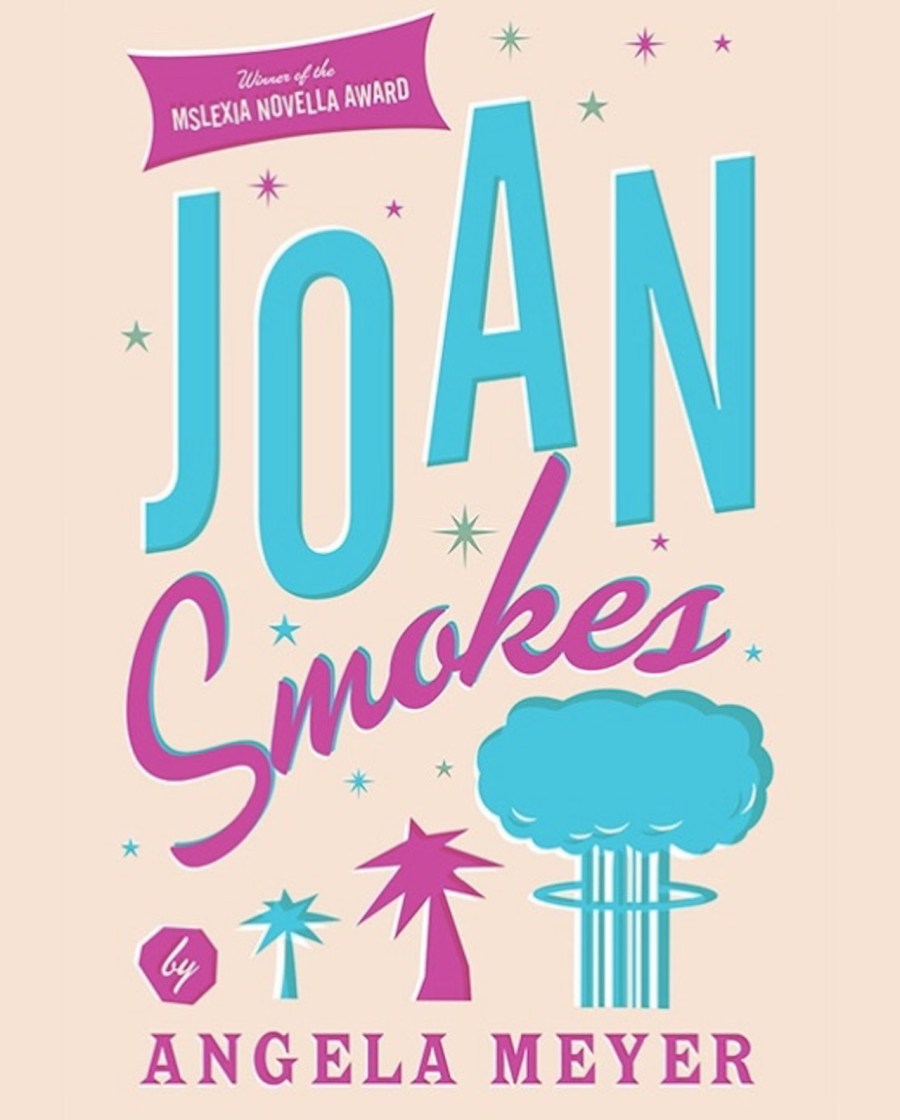
The book unfolds in long rambling paragraphs across only seven chapters. It is is Ottessa Moshfegh’s third novel (the others being Eileen and My Year of Rest and Relaxation). Death in Her Hands is part mystery, part suspense, and part black comedy.