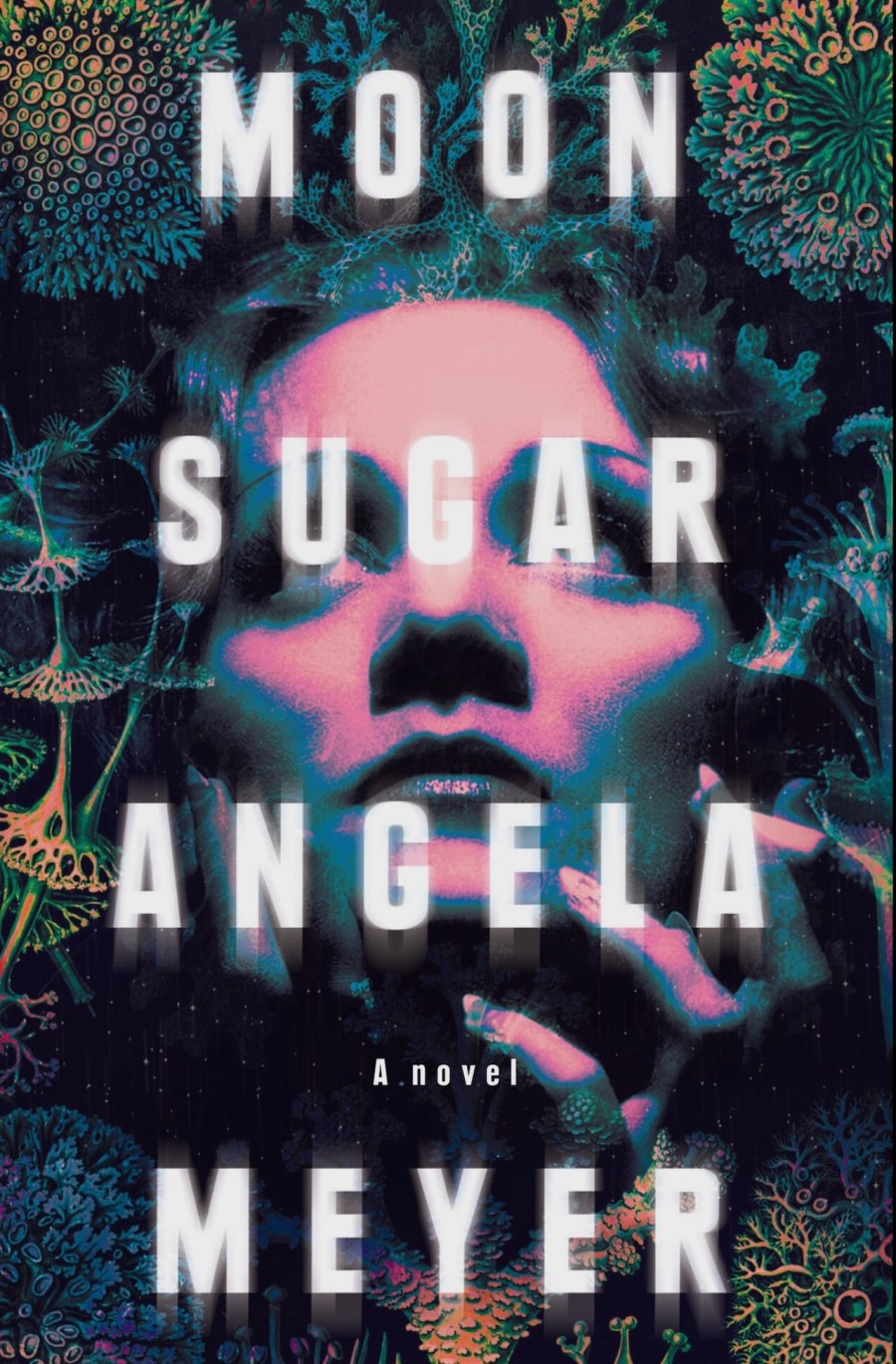
Book review: Moon Sugar by Angela Meyer

I was taken with Angela Meyer’s writing when I read Joan Smokes, it has a slow, hauntingly beautiful vibe about it. Her most recent novel Moon Sugar applies her literary style to a story that blends crime fiction, science fiction and fantasy.

The lichen at least helped him understand the way Sally, he, his daughter, even Rick were all connected and continuing atoms and gases, infinite universes opening out from each moment.  And yet, he still has to cope with being here, now, without her corporeal form.

The novel starts with a prologue set twenty four years ago about an ageing astronaut surrounded by a mysterious lichen as he contemplates his mortality and the secrets he will reveal to his daughter when she is old enough. The scene appears untethered to the story that follows, but we circle back to its connection later in the novel and it becomes a critical piece of information linking the crime elements to the science fiction and fantasy narratives.

He remembers something he heard about taking drugs, that sometimes it’s like a zipper opening and that if you keep trying to pull up the zipper you’ll have a terrible trip but if you just let the zipper open and accept whatever spills out you will have a good time. And thinking about it this way, he is able to let go of holding together the division of where the edges of himself meet the world.

Josh, a young sex worker disappears in Berlin. An email with a suicide note is sent to his family and his clothing is found on the banks of a Berlin river. Personal trainer Mila who is one of his clients, and his best friend Kyle both think something is amiss. They each travel independently to Berlin, where a chance meeting has the unlikely pair team up to try and find out what happened to Josh – and that is when the magic seeps in.

This is how the world is increasingly run: cashed-up idealists who are in too much of a rush to properly consider any long-term projects, wanting to be heroes of the people in the moment, be the first and best.

Moon Sugar touches on themes of drug taking, queerness, connection, disconnection, capitalism, magic, sex and death. The characters are well drawn and Meyer pens great insight into the inner worlds of Mila and Kyle, take a trip with them.

Book review: Love and Other Puzzles by Kimberley Allsopp

Love and other Puzzles by Kimberley Allsopp opens with the protagonist Rory climbing out her inner west Sydney bedroom window in her pyjama’s to avoid the sounds of her house being packed up by removalists after her relationship with her boyfriend has broken down. The story then winds back a week to relay how it came to this.

Rory likes the safety of an ordered predictable life. She approaches her days with to-do lists and precise goals that can be met, like walking 12,000 steps each day and eating chia pods for breakfast each morning. She finds comfort in the regular bus driver on route 334 that she catches to The Connect newspaper where she works as a intern doing the TV-guide crossword and editing the classifieds to ensure they don’t contain offensive words.

A shoe basket signalled an organised life. A permanence and sense of order. The only thing I hadn’t consistently been able to get from my two homes growing up.’

Then Rory makes an uncharacteristic decision. To let The New York Times crossword puzzle dictate her decisions for a week to shake things up a bit. Needless to say this decision was life changing.

For every 24-hour period, I’m going to base my decisions on a maximum of three answers in The New York Times crossword. They won’t all be life changing. It could be about what to have for lunch. It could be about whether I go to a gallery opening that wasn’t already in my diary. It could be about whether or not I fudge the truth slightly, in order to be taken more seriously at work…

If you’re into chick lit you will enjoy Love and Other Puzzles. It’s a witty, entertaining, light read with plenty of pop culture and romcom references.

Book review: In at the Deep End by Kate Davies

In at the Deep End is a queer coming out edgy rom-com. Twenty-something Julia is sick of listening to her flat mates nightly dalliance. She hasn’t had sex for three years and the last time her one night stand accused her of breaking his penis. When she goes to a warehouse party and meets a butch charismatic conceptual artist who paints the women she has sex with, everything changes.

One Saturday morning last January, Alice pointed out that I hadn’t had sex in three years. I knew I’d been going through a dry patch – I’d been getting through vibrator batteries incredibly fast, and a few days previously I’d Googled penis just to remind myself what one looked like.

Julia’s new lover, Sam, introduces her to lesbian life, gay bars, polyamory and BDSM clubs. What follows is drama, navigating power dynamics and control and, well, lots of raunchy sex. Relief from the heat is provided by Julia’s visits to see her middle-class parents and her letter writing to an elderly widower in her civil service job.

It’s hard to accept that you’re the villain of someone else’s story.

In at the Deep End is a graphic and funny story about coming out, love, abuse and finding yourself. It’s Bridget Jones Diary meets Fifty Shades of Grey pulp fiction – not for the fainthearted.

Book review: Cold Enough for Snow by Jessica Au

Melbourne writer, Jessica Au’s novella Cold Enough for Snow reads like a meditation. The narrator and her mother, originally from rural China, go to Japan on holidays during the typhoon season. Their story unfolds in a dreamlike narrative brimming with beautiful imagery as they travel.

The best we could do in this life was to pass through it, like smoke through the branches, suffering, until we either reached a state of nothingness, or else suffered elsewhere. She spoke about other tenets, of goodness and giving, the accumulation of kindness like a trove of wealth. She was looking at me then, and I knew that she wanted me to be with her on this, to follow her, but to my shame I found that I could not and worse, that I could not even pretend. I instead I looked at my watch and said that visiting hours were almost over, and that we should probably go

Cold enough for Snow is told from the daughters first person perspective as she reminisces about events from her life and she and her mother move through the landscape taking in galleries and shops, eating and talking. It is a story told in glimpses that drift off on the wind – about a mother and daughter, about connection and separation.

They had seemed to me then, as now, like paintings about time. It felt like the artist was looking at the field with two gazes. The first was the gaze of youth, awakening to a dawn of pink light on the grass and looking with possibility on everything, the work he had done just the day before, the work he had still to do in the future. The second was the gaze of an older man, perhaps older than Monet had been when he painted them, that was looking at the same view, and remembering these earlier feelings and trying to recapture them, only he was unable to do so without infusing it with his own sense of inevitability. Looking at them, I felt a little like I felt sometimes after reading a certain book, or hearing a fragment of a certain song.

May you go gently into the new year and 2023 be kind to you.

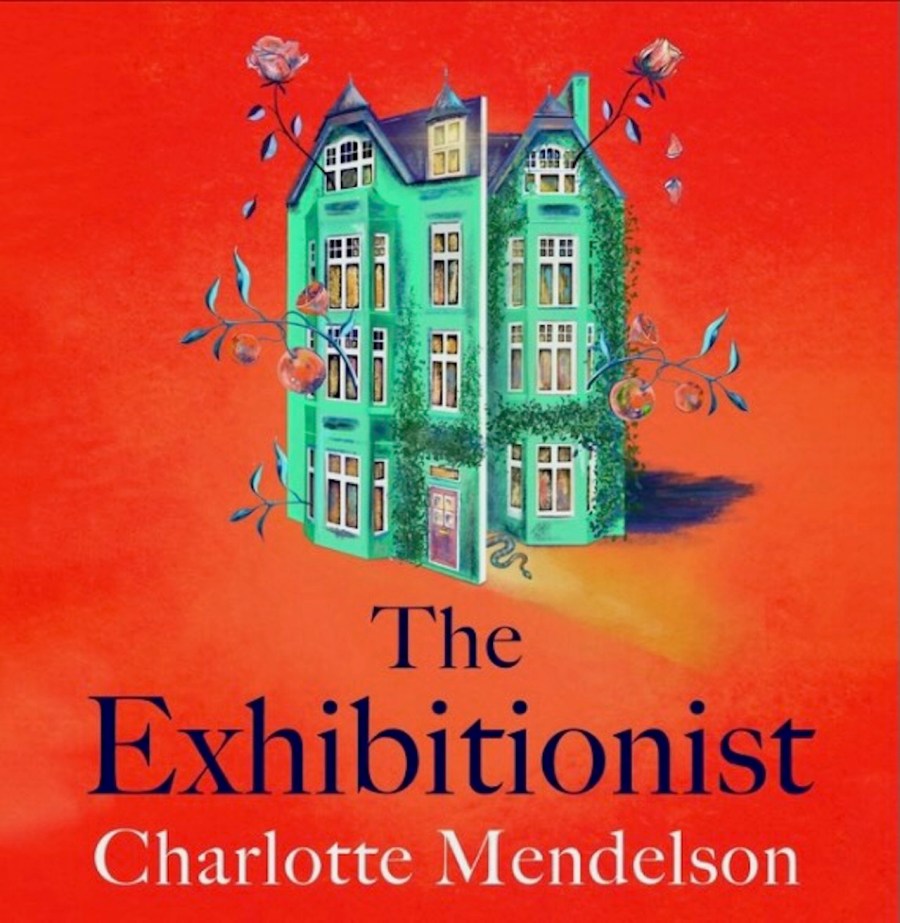
Book review: The Exhibitionist by Charlotte Mendelson

Who doesn’t love a dysfunctional family story where the central character is a pompous, patriarchal, narcissistic artist with delusions of grandeur at its centre in the lead up to Christmas?

Tolstoy was an idiot

Ray Hanrahan is a painter who believes he is special and that his family exist in subjugation to support his greatness. Ray’s wife Lucia is a talented artist in her own right but self sabotages her own career for the sake of her husbands ego, ignoring calls from her gallerist with good news because it will upset Ray.

All that crap about happy families. It’s the unhappy families who’re alike. Uptight, cold…ugh

The Exhibitionist by Charlotte Mendelson is set over a weekend on which Ray has engaged his family and friends to celebrate the opening of his first art exhibition in years. His domination of his family has them scuttling around in fear to keep him calm, whilst concealing their dissatisfaction with their circumstances by acting in subterfuge to get their own needs met.

Artists need wives; everyone tells Ray this, or no ties at all.

Ray’s wife Lucia is having a clandestine affair with a politician, Priya. Lucia’s son (Ray’s stepson) is treated like the house slave by Ray and lives in a dilapidated caravan in the garden weighed down by, and trying to dodge, his stepfather’s bullying. Ray and Lucia’s eldest daughter, Leah is her fathers charlady and the youngest, Jess is the family rebel.

Longlisted for the Women’s prize for fiction, The Exhibitionist is a vivid, drily hilarious story about a middle class domestic tyrant. Perfect Christmas reading!

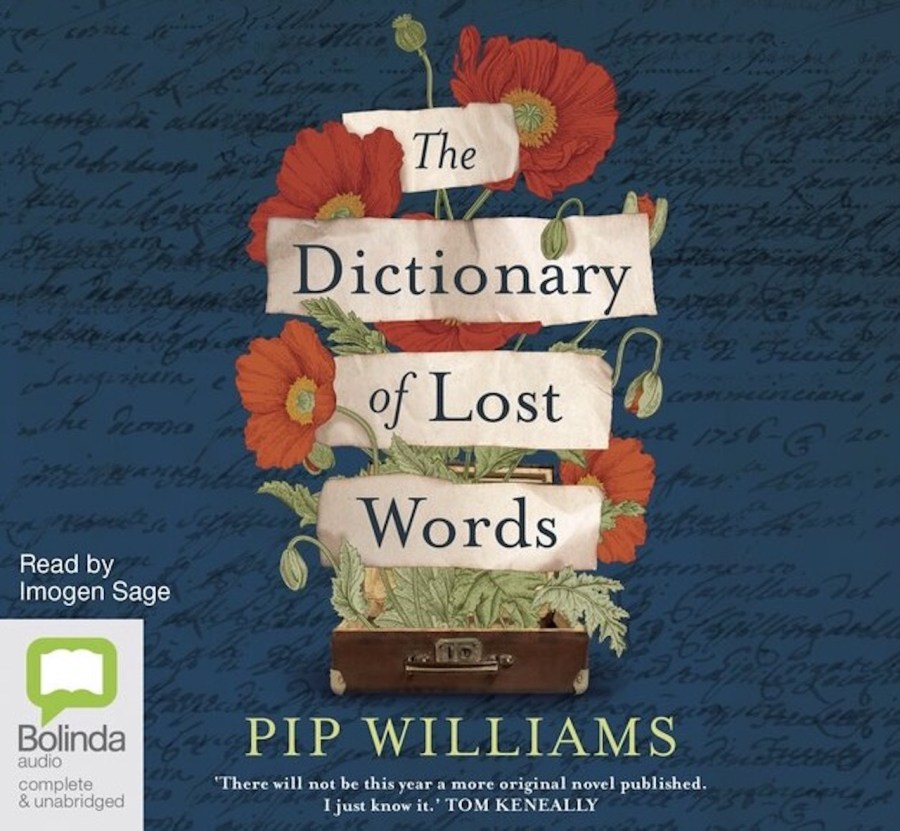
Book Review: The Dictionary Of Lost Words by Pip Williams

In my early twenties whilst living in Portugal I took it upon myself to read the Oxford English Dictionary (OED) from cover to cover in search of words I did not know (we had no TV in the house). When I found one of particularly interest, such as discombobulated (still one of my favourites), I wrote it down in my own notebook for later reference. At the time I remember wondering how words got into and out of the dictionary.

Words define us, they explain us, and, on occasion, they serve to control or isolate us.

The first part of the OED was originally published in 1884, twenty-seven years after the idea was initally proposed by members of the Philological Society of London. It was a massive endeavour because the English language is forever evolving, so its documentation can quickly become incomplete. In 1901 a concerned citizen wrote to the men compiling the OED to raise concerns about a missing word – bondmaid – a young woman bound to serve until her death. It was this idea of a missing word that sparked Pip Williams idea to write the Dictionary of Lost Words.

Words are like stories … They change as they are passed from mouth to mouth; their meanings stretch or truncate to fit what needs to be said.

Our protagonist, Esme spends most of her time under the table in the Scriptorium where her father works on the compilation of the first OED. One day a lexicographer drops a slip of paper containing a word. Esme saves the word and places the paper in a wooden suitcase in the housemaids room. The word is ‘bondmaid’. The event sets Esme on a path of collecting lost words, from the scriptorium, but also from the stallholders in the covered market whose words are often considered vulgar. Esme collects the words in her own manuscript, Women’s Words and their Meanings.

A vulgar word, well placed and said with just enough vigour, can express far more than its polite equivalent.

Set when the women’s suffrage was at its peak, Dictionary of Lost Words is a poetic, thought provoking story about the power of language, who controls the narrative, and that women need to be at the table when decisions are made about which words and stories are preserved.

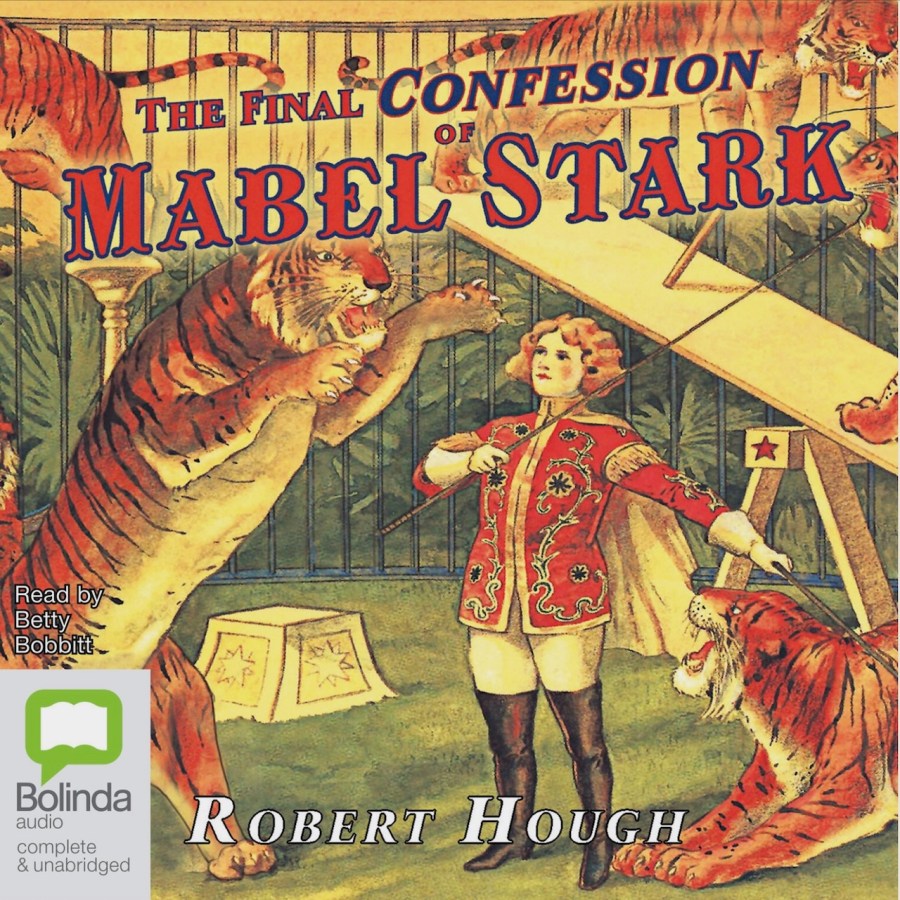
Book review: The Final Confessions of Mabel Stark by Robert Hough

I’ve always held a fascination for the circus. I wanted to run away to one when I was a kid – it was a toss up between becoming a trick rider or a lion tamer. When I joined a circus as a young adult I became an acrobat for a time and it was a lot of fun. Needless to say when I saw The Final Confessions of Mabel Stark by journalist Robert Hough, I HAD to read it, and I wasn’t disappointed.

If I stop to describe exactly how scared I was every time something scary happens, we’ll be here for the next ten years. So do me a favour. At parts like this imagine how you’d’ve felt, and we’ll both do fine.

Hough scoured the archives for information about Stark and built a fictional story around the facts he discovered, draughting a novel that serves as a fictional suicide note.

There ain’t a problem on this great green earth helped by feeling sorry for yourself.

Born Mary Haynie, we meet Stark when she was a nurse in Louisville. She soon found herself on the other side of the ward after being institutionalised in a psychiatric hospital for rebelling against her husband (as was common in the day). After a psychiatrist got a crush on her and and helped her escape, she fled to Tennessee and became Little Egypt, a belly dancer with the Great Parker Carnival. She was rescued from dancing by circus owner AL G. Barnes at 23 and learnt to work with tigers from the shows animal trainer who fell for her. The story follows Mabel’s rise to fame with her Bengal tiger Rajah who she raises from a cub.

We all have our battle scars, Kentucky. The ones who wear them on the outside are just a little more honest about it, that’s all.

Mabel was one of the most famous tiger trainers in history, doing manoeuvres that no one thought possible. She was the finale act during the heyday of the Ringling brothers circus in the 1920s and 30s, then committed suicide after being forcibly retired as she was turning 80 in 1968.

The character of Mabel is straight talking, sassy and opinionated about life, tigers and her many husbands. Her brutally honest confessions told with a wry sense of humour are compelling, as is her determination and survival instinct. It’s a rip roaring tale and I’m sure you’ll enjoy the ride if you get on board.

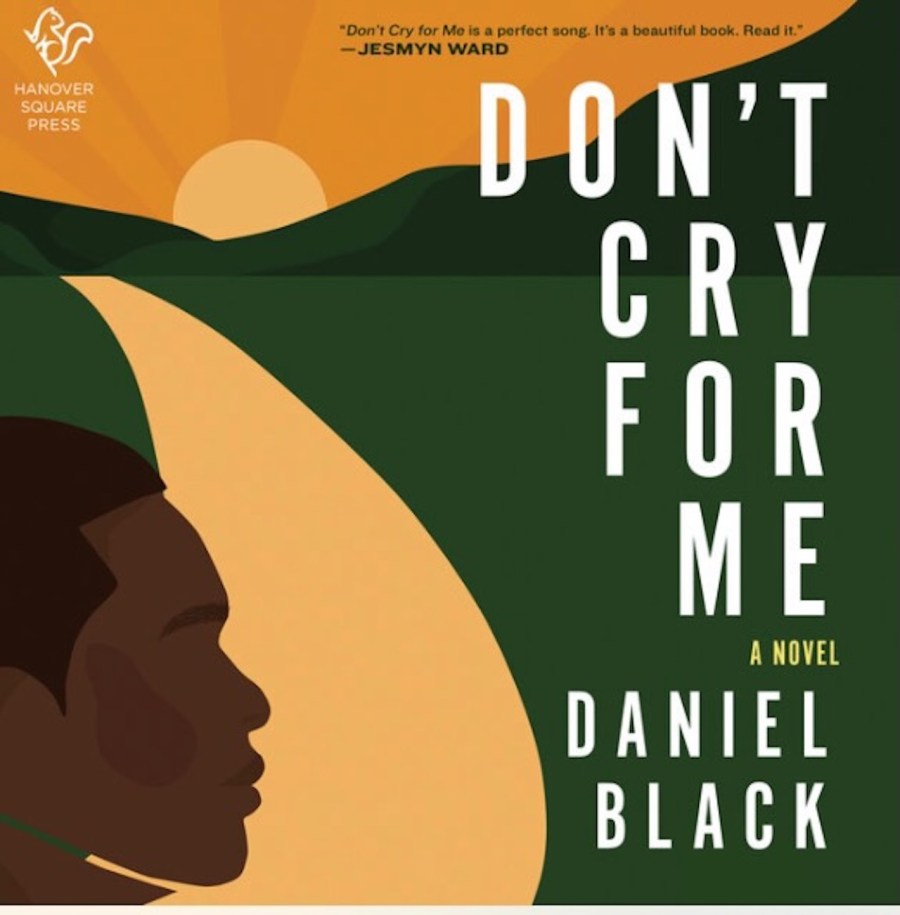
Book review: Don’t Cry for Me by Daniel Black

At once beautiful, poetic, hopeful and sad, Don’t Cry for Me is a the story of Jacob, a dying black man trying to make amends with his gay son Isaac, whom he has not spoken to for years. The novel is written through a series of letters from father to son.

You must learn to uproot unwanted seeds without destroying the entire harvest. This is the son’s lesson. Nurture good sprouts, Isaac. Toss weeds aside and never think of them again. Just remember that sprouts and weeds are planted together, and weeds have a valuable function. They teach you what to avoid, what not to embrace. There is no good planting without them.

In Don’t Cry for Me, author Daniel Black provides insight into African American history and the accomplishments and legacies of growing up black in the American South. The story brings to the surface the effects of intergenerational trauma with its roots in slavery, the treatment of black American’s as second class citizens, the ingrained need for obedience and conformity as a means of survival and the effects of limited access to education.

Everything we did, whether we were aware or not, we did with white people in mind. Our life’s aim was to make them believe we had value and worth, so we spent our nights trying to figure out what they liked, then spent our days trying to do it. We still haven’t pleased them, and truth is, we never will.

This history shaped gender roles and what it meant to be a man. In knowledge is power and when Jacob starts to read, he is changed. His rigid views about who he is and who his son and wife should be change and soften. He becomes a man who exchanges judgement and self righteousness for understanding and tolerance.

Reading taught me that a man’s life is his own responsibility, his own creation. Blaming others is a waste of time. No one can make you happy if you’re determined to be miserable.

Despite Don’t Cry for Me being about relationships between men, I found it to be an illuminating and powerful read about black history, systemic racism, prejudice, ways of thinking, forgiveness and healing. It made me think and feel deeply, a sign of a good novel.

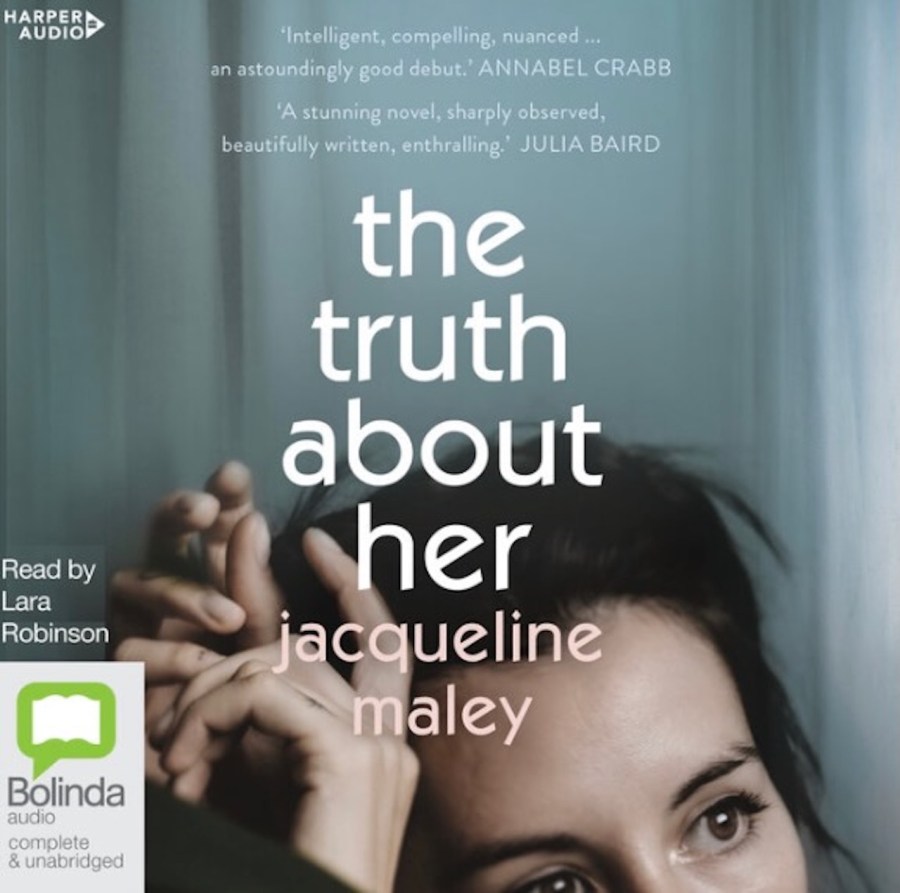
Book Review: The Truth About Her by Jacqueline Maley

The Truth About Her written by journalist Jacqueline Maley is a story about a key moral dilemma for journalists – who owns the truth and who gets to tell a person’s story. The novel brings to life every journalists worst nightmare – when then penning and publishing of a story has the worst possible of consequences.

Wellness blogger and influencer Tracey Doran takes her own life after being exposed as a fraud. Journalist and single mother Suzy Hamilton finds out about Doran on her way to work, it was her investigative expose that exposed the influencer. Doran is horrified by the news and tries to bury herself in work, looking after her daughter, and having affairs as a distraction. The last distraction results in her losing her job, and her lovers.

The summer after I wrote the story that killed Tracey Doran, I had just stopped sleeping with two very different men, following involvement in what some people on the internet called a ‘sex scandal’, although when it was described that way it didn’t seem like the kind of thing that happened to me.

Suzy starts to receive anonymous letters and is pursued by Doran’s mother who wants her to write a feel good biography about her daughter as a kind of retribution. The two women start to meet regularly so the journalist can write a different story about Tracey. Like the slow peeling of an onion, the exercise gradually reveals the real truth about how the lives of the three women became entwined and what really happened to Tracey.

The Truth About Her is a contemporary novel with a well-drawn flawed protagonist who deftly explores themes about shame, guilt, female anger, and mothering.

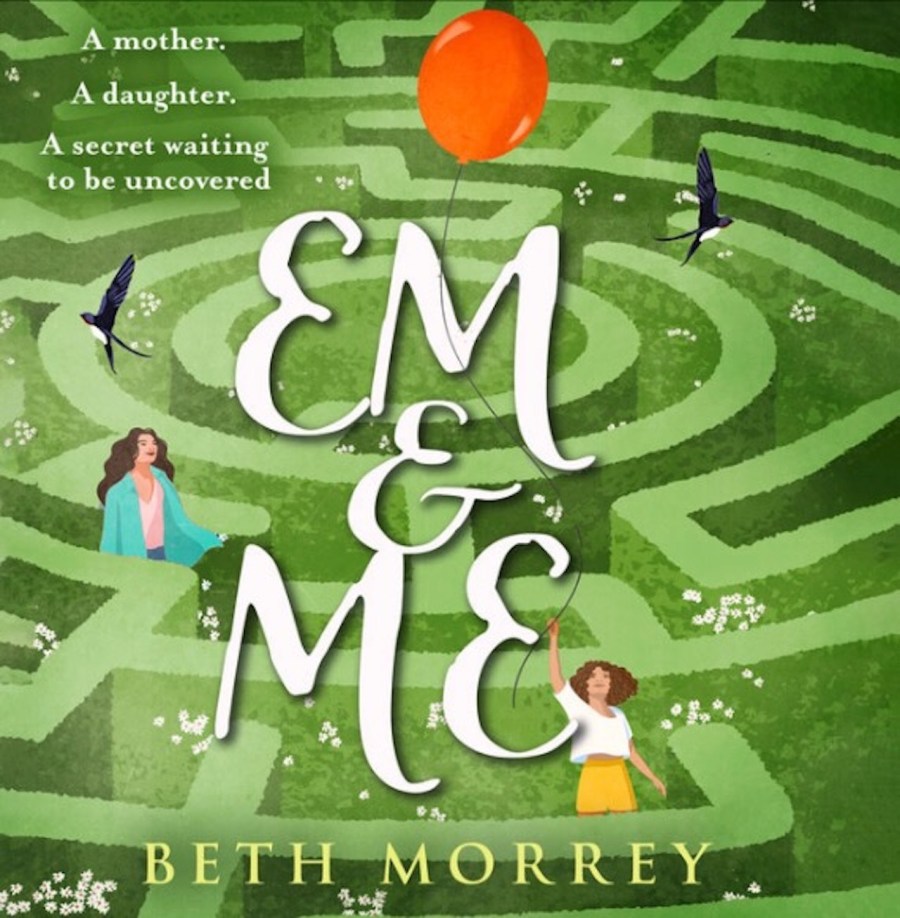
Book review: Em and Me by Beth Morrey

Em and Me by Beth Morrey is a story about poverty, hope, second chances, and learning to back yourself.

Delphine Jones and her daughter Emily share a bedroom in the cramped basement flat where they live with Delphine’s father. He has been depressed since Delphine’s mother died in a tragic accident and now just sits in front of the TV all day.

That’s what life turns on, isn’t it? The choices and moments that change everything

A promising student with a love of literature and destined for an Oxford University as a teenager, Delphine’s life changed after her mother died and then she fell pregnant at seventeen before finishing high school. Her university ambitions had to be abandoned to care for her baby and her father. Now she lives hand to mouth working part time cleaning and waitressing.

We meet mother and daughter when Emily is on the cusp of her teenage years. Emily is smart as a whip and Delphine wants her to have a better life. One day Delphine takes a stand for herself and we follow her on a journey to taking her place in the world and realising her own ambitions through a series of opportunities, setbacks, and second chances.

At some point, while I had been trying to turn my life around, often making a mess of it, my dad had been enjoying his own quiet renaissance – a gentle progression towards the light, nudging his strings, semitone by semitone, along with me. I felt tears rise up, threatening to overcome me as I looked at him, standing there so proudly. Forgetting Adam, and Dylan, Letty, and my own guilt about Em, I sat down at the piano, and began to pick out a tune, softly, Dad humming along, his hand on my shoulder.

A light fun read with characters that are well-drawn and interesting. Em and Me is a heartwarming, optimistic feel-good domestic fiction tale about triumph over adversity.