
Book reviews: Hot Reads by Femme Fatales

I was going to focus on Christmas themed murder mysteries, but most of them seem to be set in the northern hemisphere in cold snowscapes, and whilst I love a chilling thriller, they don’t seem quite right for an Australian Christmas. Especially given we’ve not really had any summer yet! So to tempt the sun to come out I’m going to go for sizzling thrillers for Christmas.

The heat takes us to exotic and faraway places. Hot weather as a narrative device puts us on edge, invites lawlessness, builds pressure and mind altering ominous undertones. Heat is oppressive and invites tension and conflict. And that’s before any characters are even introduced! Throw in the frayed nerves and sweaty palms of fermenting humans and the tension (whether it be sexual or savage) can be of gothic proportions. Here’s a few hot reads from some femme fatales.
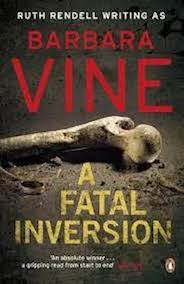
A Fatal Inversion (1987) by Barbara Vine (ada Ruth Rendell)

Whilst burying a pet dog in the animal cemetery at Suffolk country property, Wyvis Hall, the owner stumbles across the skeletal remains of a woman and baby. Ten years earlier a group of young people spent the sweltering 1976 summer at the property after nineteen year old Adam inherited it from his great-uncle and decided to make it a commune. The story plays out beneath the tension of who will break first to reveal what really happened that sweltering summer.
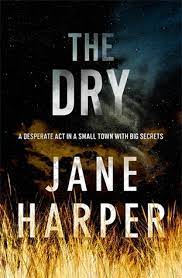
The Dry (2016) by Jane Harper

What sweaty reading list would be without an Australian rural mystery? I have written about The Dry set in a small drought riddled outback town before.
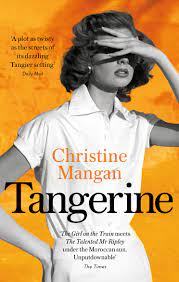
Tangerine (2018) by Christine Mangan

Former college roommates, Alice Shipley and Lucy Mason reunite in the simmering heat of Tangier in 1956. Then Alice’s husband goes missing. Tangerine is a vivid, precisely plotted story about obsession and manipulation told from the perspective of two equally unreliable narrators. It’s like watching a spider lure its prey into a web.
Hard Rain (2020) by Irma Venter

Journalist Alex meets photographer Ranna whilst on assignment in Tanzania and the two start a sizzling push-pull romance. Things get sticky when the body of an IT billionaire washes up onshore in the hot humidity of a flood and Ranna becomes a suspect.
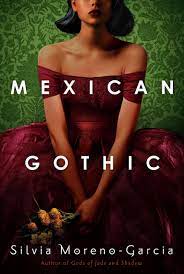
Mexican Gothic (2020) by Silvia Moreno-Garcia

Noemi is a rich, glamorous party girl with an interest in anthropology living in Mexico City in the 1950s. She goes to High Place to check on her newly wed cousin after receiving a disturbing letter saying her cousin thinks she is being poisoned. Creepy, unsettling and intoxicating feminist post colonial horror novel set in a haunted house on a hill.
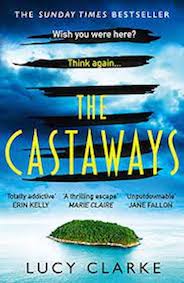
The Castaways (2020) by Lucy Clarke

A thrilling action packed survival story that plays with the past and present, set on the pristine beaches of humid Fiji. Two sisters fall out just before a planned vacation to Fiji. Only one goes and the plane she is on disappears without a trace. The surviving sister decides to go to Fiji to try and find out what happened. This is a story about solving a mystery, family dynamics and survivor guilt. Perfect Christmas reading!

Have a great break, see you on the other side.
Dames of Crime: Maj Sjöwall

Who doesn’t love a bit of Nordic Noir? Long dark winter days, chilling temperatures and vast bleak wildernesses make for perfect dramatic plots and the dark narratives of grim crime fiction.

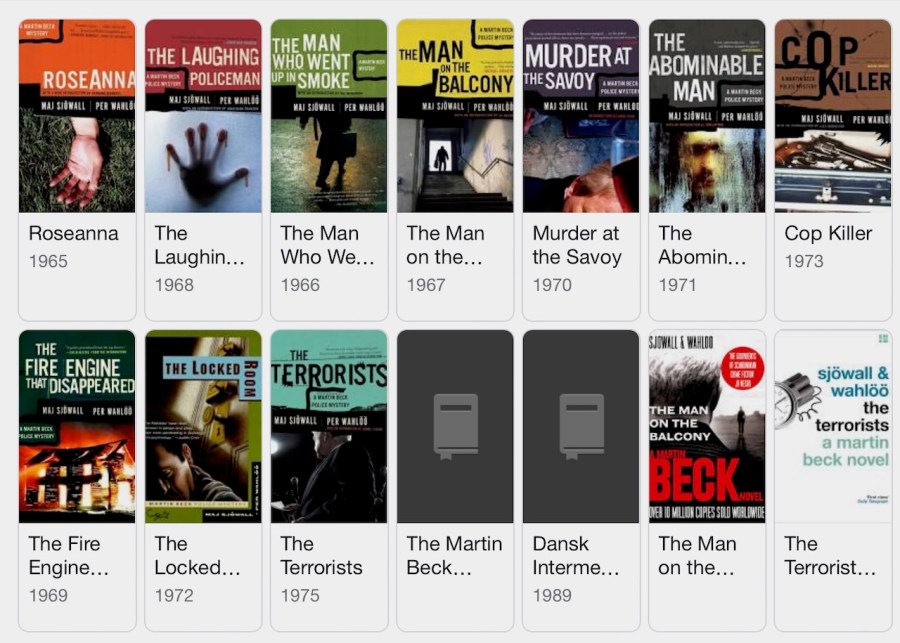
Maj Sjöwall was widely regarded as the godmother of modern Nordic Noir, or Scandi crime as it is also known. She co-authored 10 police procedurals featuring dour, middle aged Martin Beck with her third partner, Per Wahlöö whom she met whilst both worked as magazine journalists in 1962. Their influence can be seen in subsequent Scani noir such as Stieg Larsson’s The Girl With the Dragon Tattoo and Jo Nesbo’s Blake mystery The Man on the Balcony.

“that you have three of the most important virtues a policeman can have,” he thought. “You are stubborn and logical, and completely calm.”

Roseanna

The two conceived a project to write a series of ten books together, each writing alternate chapters in the evenings after work. The first book, Roseanna about the strangling death of a young tourist, was published in 1965. Their pared back, terse, fast-moving style of detective story was fresh and new and received rave reviews when they started to be published in translation in 1968.

January 7 arrived and looked like January 7. The streets were full of gray, frozen people without money.

Roseanna

The Laughing Policeman won the Edward Award in 1971 for best mystery novel and was made into a film in 1973. The tenth and final novel The Terrorists was published in 1975 shortly before Wahlöö died. The entire work can be read as a Marxist critique of the failings of Swedish society and is meticulously researched to include authentic details.

Recently—no; for as long as I can remember, large and powerful nations within the capitalist bloc have been ruled by people who according to accepted legal norms are simply criminals, who from a lust for power and financial gain have led their peoples into an abyss of egoism, self-indulgence and a view of life based entirely on materialism and ruthlessness toward their fellow human beings. Only in very few cases are such politicians punished, but the punishments are token and the guilty persons’ successors are guided by the same motives.

The Terrorists

Sjöwall was born 25th September 1935 in Stockholm and grew up in one of the hotels manager by her father, complete with round the clock room service. She was a single mother at twenty-one, then married and divorced two older men before meeting Wahlöö, a left-wing journalist and novelist. The two fell in love over crime fiction. They were together thirteen years until Wahlöö’s death in 1975. After Wahlöö’s death Sjöwall returned to a bohemian life writing for magazines and co-authoring a number of books and translating the American crime novels of Robert B Parker into Swedish. She died in April 2020.

The consumer society and its harassed citizens had other things to think of. Although it was a month to Christmas, the advertising orgy had begun and the buying hysteria spread as swiftly and ruthlessly as the Black Death along the festooned shopping streets. The epidemic swept all before it and there was no escape. It ate its way into homes and apartments, poisoning and braking down everything and everyone in its path.

The Laughing Policeman

Martin Beck Series

  • Roseanna
  • The Man Who Went Up in Smoke
  • The Man on the Balcony
  • The Laughing Policeman
  • The Fire Engine that Disappeared
  • Murder at the Savoy
  • The Abominable Man
  • The Locked Room
  • Cop Killer
  • The Terrorists

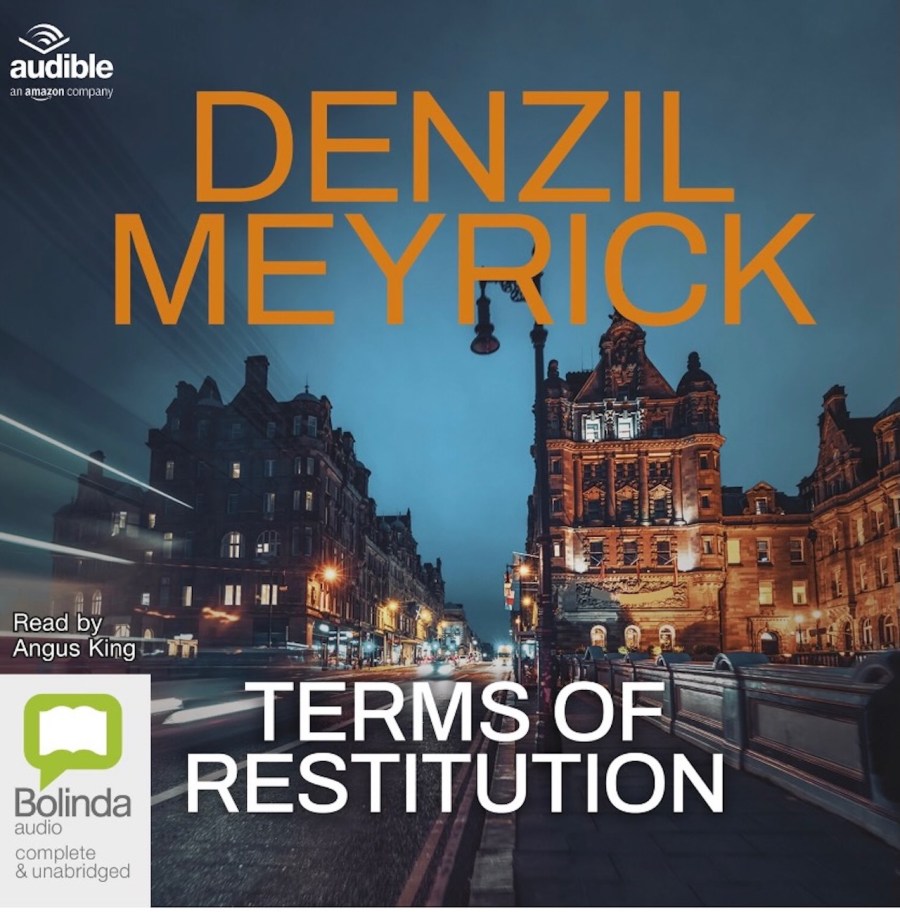
Book review: Terms of Restitution by Denzil Meyrick

Ferocious gang wars in Paisley and Glasgow are the subject of Denzil Metrick’s Terms of Restitution.

Sometimes it’s better to go, to leave things behind. Often that is the only way to find yourself, to find salvation.

Gangland boss Zander Finn has been laying low in London on the advice of his priest after his son I brutally murdered. When his friend asks him to return to help deal with the threat of Albanian mobsters trying to take over the Scottish underworld, he returns.

It was a warm, gin-clear July day.

What unfolds is a fast paced, brutal tale of survival and misplaced loyalties. Despite the body count and violence, Metrick threads a human story about relationships and friendship with fully formed characters and humour through the novel. From Father Giordano, Zanders lifetime friend and confidant, to Zander’s mother Maggie, the family matriarch who likes to offer the family comfort food of egg, chips and beans – and now she uses vegetable oil, not lard.

Well, its a bastard when you get old. They lifts stink of piss, and there’s all sorts cloaking about. Some shite tried to steal your Auntie Gwen’s purse the last time she came to visit me.

Dames of Crime: Ursula Torday

It’s been a while since I’ve written a Dames of Crime blog, so I thought it was time I shone a light on another great woman of mystery – Ursula Torday.

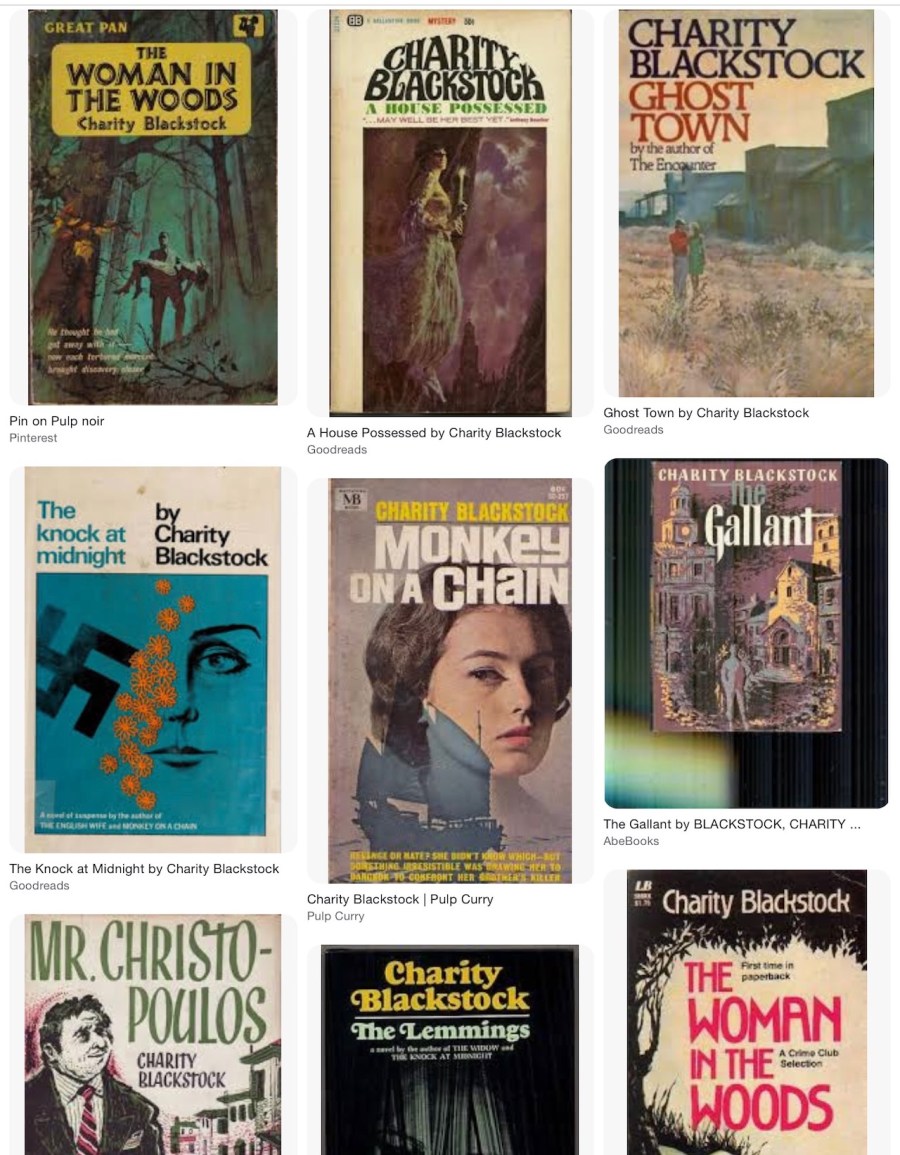
You’d be forgiven for never having heard of writer of mysteries, gothic and historical romance fiction Ursula Torday (1912-1997) because she only wrote three novels under that name. She did write many under pseudonyms, including Paula Allardyce (29 novels), Charity Blackstock (27 novels), Lee Blackstock (2 novels) and Charlotte Keppel (6 novels).

The only child born to a Scottish mother, and a father who was a Hungarian anthropologist, Torday had polio as a child which afflicted her gait throughout her life. She was educated in London at Oxford University and published her first three romance novels in the 1930s under her true name then stopped writing aged 26. She did not publish again until 1954. Over the next three years she published six books and continued to be prolific until the ’80s.

Torday’s dual interests of romance and mysteries meant that emotions and passion were important in her novels and often given precedence over death and motive in her mysteries. Sardonic humour, passion, hate, fear and loathing reverberate through her loathsome mystery characters to create tension and brooding romance.

Torday was said to be her own woman – cultured, sophisticated, opinionated, with wide interests and a zest for life. During World War II she worked as a probation officer for the Citizen’s Advice Bureau then ran a refugee scheme for Jewish children following the war. Her war time work inspired two novels written under the pseudonym Charity Blackstock (The Briar Patch, 1960 and The Children, 1966). Later she worked as a typist at the National Central Library in London which inspired body in the library mystery Dewey Death written under the same name. Dewey Death was set in the Inter-Libraries Despatch Association and includes themes of adultery, drug trafficking, romance and murder. Torday also worked for Naim Attallah’s publishing house (Quartet Books, The Women’s Press) for a period and sat at a desk opposite Quentin Crisp exchanging tips on the latest nail varnishes.

The Woman in the Woods, a mystery-suspense written as Charity Blackstock, in which two schoolboys stumble across a skeleton in the woods and soon the whole village is caught up in the death was nominated to win the 1959 Edgar Award for best novel.

Mystery novels

  • After the Lady (1954) (as Paula Allardyce)
  • The Doctor’s Daughter (1955) (as Paula Allardyce)
  • A Game of Hazard (1955) (as Paula Allardyce)
  • Adam and Evelina (1956) (as Paula Allardyce)
  • The Man of Wrath (1956) (as Paula Allardyce)
  • The Lady and the Pirate (1957) aka Vixen’s Revenge (as Paula Allardyce)
  • Southarn Folly (1957) (as Paula Allardyce)
  • Beloved Enemy (1958) (as Paula Allardyce)
  • My Dear Miss Emma (1958) (as Paula Allardyce)
  • Death My Lover (1959) (as Paula Allardyce)
  • A Marriage Has Been Arranged (1959) (as Paula Allardyce)
  • Johnny Danger (1960) (as Paula Allardyce)
  • The Gentle Highwayman (1961) (as Paula Allardyce)
  • Adam’s Rib (1963) (as Paula Allardyce)
  • Respectable Miss Tarkington-Smith (1964) (as Paula Allardyce)
  • Dewey Death (1956) (as Charity Blackstock)
  • Miss Fenny (1957) aka The Woman in the Woods (as Charity Blackstock) 
  • All Men Are Murderers (1958)  aka The Shadow of Murder (as Charity Blackstock)
  • The Foggy, Foggy Dew (1958) (as Charity Blackstock)
  • The Bitter Conquest (1959) (as by Charity Blackstock)
  • The Briar Patch (1960) aka Young Lucifer (as Charity Blackstock)
  • The Exorcism (1961) aka A House Possessed (as Charity Blackstock)
  • The Gallant (1962) (as by Charity Blackstock)
  • Mr. Christopoulos (1963) (as Charity Blackstock)
  • The Factor’s Wife (1964)  aka The English Wife (as Charity Blackstock)
  • When the Sun Goes Down (1965)  aka Monkey On a Chain (as Charity Blackstock)
  • The Children (1966) (as Charity Blackstock)
  • The Knock at Midnight (1966) (as Charity Blackstock)
  • Party in Dolly Creek (1967)  aka The Widow (as Charity Blackstock)
  • Wednesday’s Children (1967) (as Charity Blackstock)
  • The Melon in the Cornfield (1969)   aka The Lemmings (as Charity Blackstock)
  • The Encounter (1971) (as Charity Blackstock)
  • I Met Murder on the Way (1977) (as Charity Blackstock)
  • The Shadow of Murder (1964) (as Charity Blackstock/Lee Blackstock)
  • Madam, You Must Die (1974) aka Loving Sands, Deadly Sands (as Charlotte Keppel)
  • When I Say Goodbye, I’m Clary Brown (1976) aka My Name Is Clary Brown (as Charlotte Keppel)

Other novels – gothic, historical, romance

  • The Ballad-Maker of Paris (1935) (as Ursula Torday)
  • No Peace for the Wicked (1937) (as Ursula Torday)
  • The Mirror of the Sun (1938) (as Ursula Torday)
  • The Rogue’s Lady (1961) (as Paula Allardyce)
  • Witches’ Sabbath (1961) (as Paula Allardyce)
  • Paradise Row (1964) (as Paula Allardyce)
  • Octavia (1965) (as Paula Allardyce)
  • Emily (1966) (as Paula Allardyce)
  • The Moonlighters (1966) aka Gentleman Rouge (as Paula Allardyce)
  • Six Passengers for the Sweet Bird (1967) (as Paula Allardyce)
  • Waiting At the Church (1968) (as Paula Allardyce)
  • The Ghost of Archie Gilroy (1970) aka Shadowed Love (as Paula Allardyce)
  • Miss Jonas’s Boy (1972) aka Eilza as Paula Allardyce)
  • The Gentle Sex (1974) as Paula Allardyce)
  • Legacy of Pride (1975) (as Paula Allardyce)
  • The Carradine Affair (1976) (as Paula Allardyce)
  • Miss Philadelphia Smith (1977) (as Paula Allardyce)
  • The Daughter (1970) (as Charity Blackstock)
  • The Jungle (1972) (as Charity Blackstock)
  • Haunting Me (1978) (as Charity Blackstock)
  • Miss Charley (1979) (as Charity Blackstock)
  • With Fondest Thoughts (1980) (as Charity Blackstock)
  • The Lonely Strangers (1972) (as Charity Blackstock)
  • People in Glass Houses (1975) (as Charity Blackstock)
  • Ghost Town (1976) (as Charity Blackstock)
  • Dream Towers (1981) (as Charity Blackstock)
  • The Woman in the Woods (1959) (as Charity Blackstock/Lee Blackstock)
  • The Villains (1980) (as Charlotte Keppel)
  • I Could Be Good to You (1980) (as Charlotte Keppel)
  • The Ghosts Of Fontenoy (1981) (as Charlotte Keppel)
  • The Flag Captain (1982) (as Charlotte Keppel)

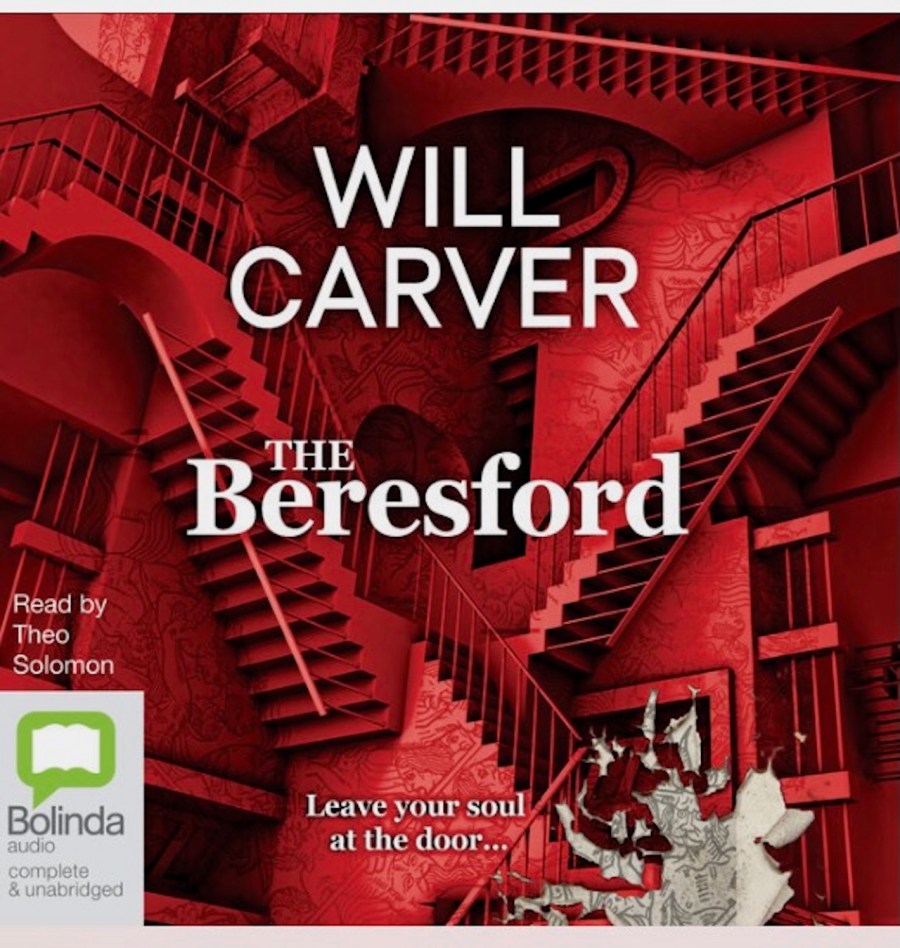
Book review: The Beresford by Will Carver

Leave your comfort zone. Will Carver has a dark imagination in which creepy thrills and body counts are dialled to the max. The Beresford is a standalone thriller published in 2021. Bizarre, gripping and grotesque but drawn in smooth prose that will keep both the pages and your stomach turning.

The Beresford was old. It was grand. It evolved with the people who inhabited its rooms and apartments. It was dark and elephantine and it breathed with its people. Paint peeled and there were cracks in places. It was bricks and mortar and plaster and wood. And it was alive.

The ageless Mrs May runs a boarding house in a grand old building. She rarely leaves the premises. The rooms are large and the rent cheap and there are a steady stream of inhabitants. Mrs May passes her days drinking cold black coffee and wine, tending her garden and doing her prayers.

What is that one thing you would give up your soul for?

Tenants come with dreams of a new life, then go, sometimes at an alarming rate, and usually in pieces. Sixty seconds after one dies, a new tenant arrives, and so the cycle continues, a bit like Groundhog Day with gore.

The Beresford was a halfway house for the disenchanted and disenfranchised, whose focus was to become. To be. To discover and make their impact. The inhabitants were not necessarily the outsiders, but were certainly the ones found on the periphery. The wallflowers at society’s ball. They were outside. They floated on the periphery.

Dark and twisted with black humour and skilled plotting drawn in short snappy chapters. The story is intermingled with Carver’s existential ruminations about life, death, humanity, religion, and more that send the reader off on introspective reflections on 21st century life.

We all go a little mad sometimes.

As with Carver’s other novels I have reviewed on this blog – Good Samaritans, Nothing Important Happened Here Today and Hinton Hollow Death Trip, The Beresford will enthralled and disgust you, it will also make you think.

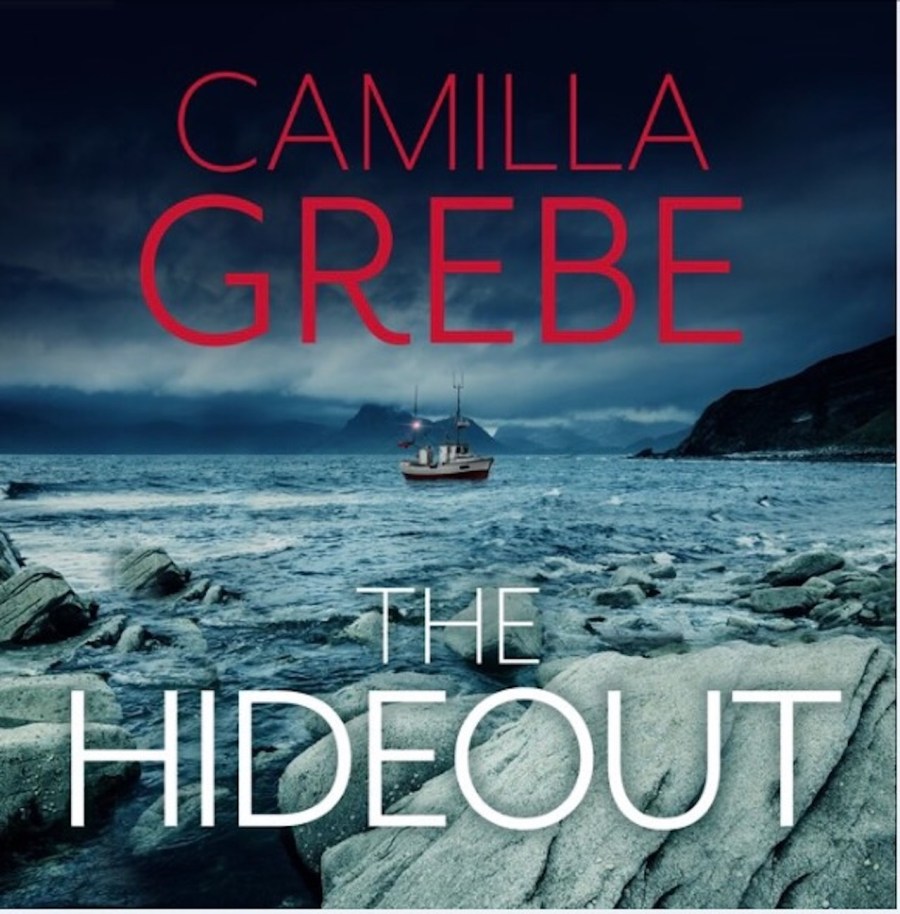
Book Review: The Hideout by Camilla Grebe

The Hideout by Swedish noir and crime fiction writer Camilla Grebe is an intense, twisted and gripping story about crime, religion, parenting and death.

Manfred Olson young daughter is in a coma after a fall. When he is called in to investigate the death of a young man whose body washes up on a beach, his attention is divided between his job and wanting to be at his daughters bedside. When a second body is found wrapped in sheets and chains, his search intensifies.

It’s only afterwards that all the trivialities of a life grow, develop teeth and chase you through the night.

Eighteen year old Samual has to leave town in a hurry after getting caught up with a brutal drug ring when a deal goes wrong. He runs to a sleepy coastal town and finds a job working for Rachel as a live in care assistant to her disabled son Jonas. As Samual’s attraction for Rachel grows, his safety becomes more precarious.

It took me exactly ten days to fuck up my life.

This Scandanavian thriller is slow moving and atmospheric. The two separate plot lines of Manfred and Samual gradually converge with lots of red herrings to keep the reader on their toes and make you squirm.

Book Review: Sharp Objects by Gillian Flynn

If you are looking for a dark, discomforting psychological thriller to be disturbed by during this long cold winter, Sharp Objects by Gillian Flynn could be for you.

Everyone has a moment where life goes off the rails.

Camille Preaker escaped Wind Gap, a small town in Missouri, for a career as a journalist in Chicago. Her boss sends her back to Wind Gap, best known for its pig abattoir, to investigate the murder of a young girl. After Camille arrives in town the bodies start piling up.

A town so suffocating and small, you tripped over people you hated every day. People who knew things about you. It’s the kind of place that leaves a mark

Camille left Wind Gap for a reason – her family. Camille’s troubled mother comes from old money – she owns the hog farm, the towns primary source of revenue. Of her two sisters, one is dead and she can’t stand her precocious younger stepsister. Camille is a little complicated herself – she’s an addict (sex and alcohol) and she self-harms. She keeps her body covered to hide the words she has carved onto it over the years.

I always feel sad for the girl that I was, because it never occurred to me that my mother might comfort me. She has never told me she loved me, and I never assumed she did. She tended to me. She administrated me.

Suspense, plot twists, gore, dysfunction and the dark side of the female psyche…read it if you dare.

Book review: Who is Vera Kelly? by Rosalie Knecht

Who is Vera Kelly? set across dual timelines (1957 and 1966) and two countries (Maryland, USA and Buenos Aires, Argentina) is coming of age meets coming out meets espionage with a side of literary historical fiction.

Vera Kelly is a troubled teenager coming to terms with her sexuality. Her mother lands her in a juvenile detention centre after she steals a car. When released she moves to Greenwich Village in New York City and works night shift at a radio station and tentatively explore the queer scene.

On a Tuesday I came home from school to an empty house, watched the evening news, and then took Equanil caplets lifted from my mother. Nothing happened, so after an hour I took three more, and then maybe after that, I can’t remember.

Vera Kelly is a young CIA agent with a flair for electronics on her first big mission to Buenos Aries during the Cold War in the lead up to a coup. Revolución Argentina would establish Juan Carlos Ongania as defacto president. Vera rents an apartment and pretends to be a Canadian student befriending a group of local students suspected of being KGB agents.

I had found the apartment in San Telmo with the help of a motherly rental agent in a pink suit who had tried to cheat me on her percentage not once but twice, and reacted with a broad and charming laugh both times I pointed it out, as if we were flirting on a date and I was removing her hand from my thigh.

Vera bugs the students bicycles and with the help of a local contact, the Argentina Vice President’s office, tracking the students movements during the day and transcribing conversations from the officials office at night. When the coup seems imminent Vera decides to action her escape plan but the borders are closed faster than she can escape. Upon returning to her apartment she finds she’s been betrayed by her local contact and has to go into hiding until she can find another way out.

Oh my God, you should have seen us in ’55, ’56, ’62,’ he said, sighing. ‘Every year, another old man shouting from a grandstand with all his medals on. “I’ve come to replace your previous old man.” Some people would go to jail, everyone else would get used to it, and then it would start all over

There’s a long set up in this novel, but the character of Vera carries it off with her whip smart intellect, dry humour and keen observations of the times. I really enjoyed the insights into the New York queer scene in the early 60’s when being queer was illegal, and the history of Argentina. There is a correlation between being gay when it’s illegal and a spy running through the novel – the coded language and pretending to be someone you are not.

Vera is a relatable character and if you like women driven, realistic spy stories with a strong plot – this book could be for you. Even better, there are two more Vera Kelly novels to devour – Vera Kelly is not a Mystery (2020) and Vera Kelly Lost and Found (2022)

I woke with an ache in my chest and heard the subsiding whistle of a teakettle in the kitchen. I read the spines of the paperbacks on the night table: Graham Greene, Patricia Highsmith. Novels about liars. I needed to call Gerry.

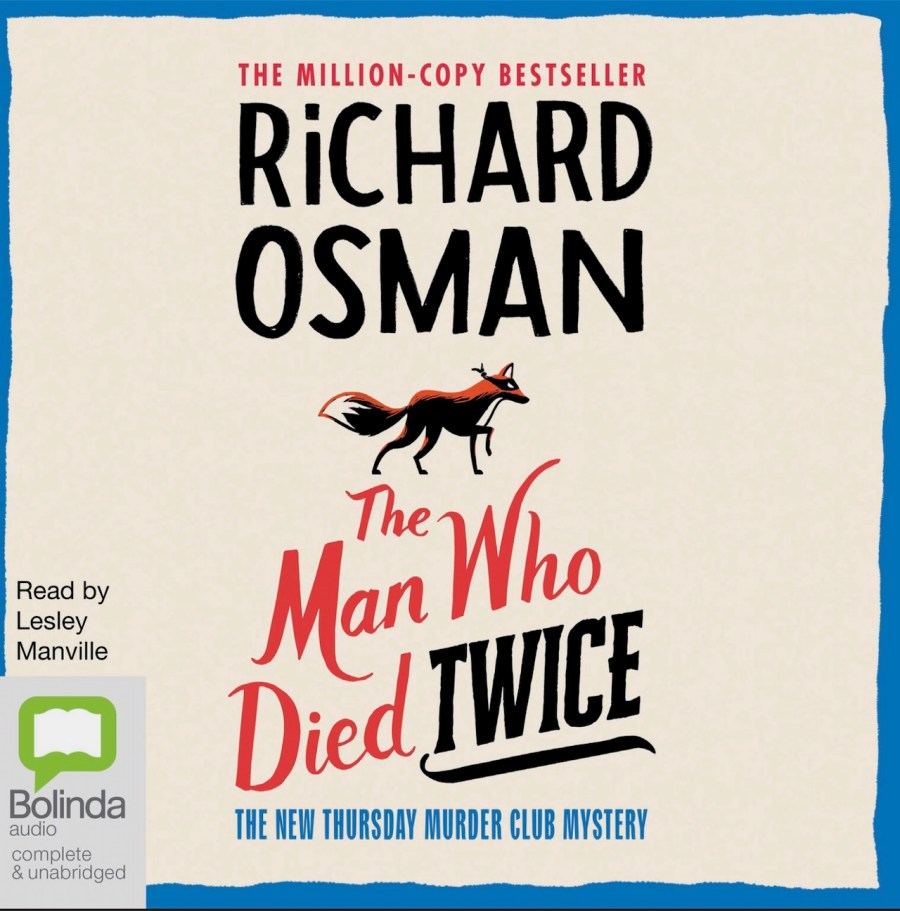
Book review: The Man Who Died Twice by Richard Osman

There’s something about Richard Osman’s novels that make me think of the famous five in retirement after one of them has popped off their perch. I reviewed his first novel The Thursday Murder Club a few weeks ago and went back for some more laughs.

Some people in life, Sue, are weather forecasters, whereas other people are the weather itself.

Kent based senior citizens are back in the second book in Osman’s comic crime series. Led by ex-secret service woman Elizabeth Best and former nurse Joyce, retired psychiatrist Ibrahim, and former unionist Ron, collude with police detective Donna, her boss Chris and tattooed handyman Bogdan, who has a way with the ladies, to wrangle a local teenage thug who assaults Ibrahim, a lady drug dealer and an underworld middle man from whom Elizabeth’s ex-husband stole diamonds, and gets murdered for his trouble.

That twinkle in his eye was undimmed. The twinkle that gave an entirely undeserved suggestion of wisdom and charm. The twinkle that could make you walk down the aisle with a man almost ten years your junior and regret it within months. The twinkle you soon realize is actually the beam of a lighthouse, warning you off the rocks.

The main two characters, Elizabeth and Joyce, are fearless – and it pays off as most people simply think they are two harmless old ladies – and they never get harmed. Elizabeth is smart, canny and fearless whilst Joyce is optimistic and kind hearted – knitting friendship bracelets in her spare time.

What a tiny, formidable woman. Exactly the sort of woman you’d want parachuted behind enemy lines with a gun and a cipher machine.

The Man Who Died Twice is a light, joyful, fun and entertaining romp with a group of old friends in their twighlight years dealing with the realities of ageing – death, dementia, personal safety and painful grown up children – whilst they happen to be solving major crimes. I hope I have such adventures when I’m a septuagenarian.

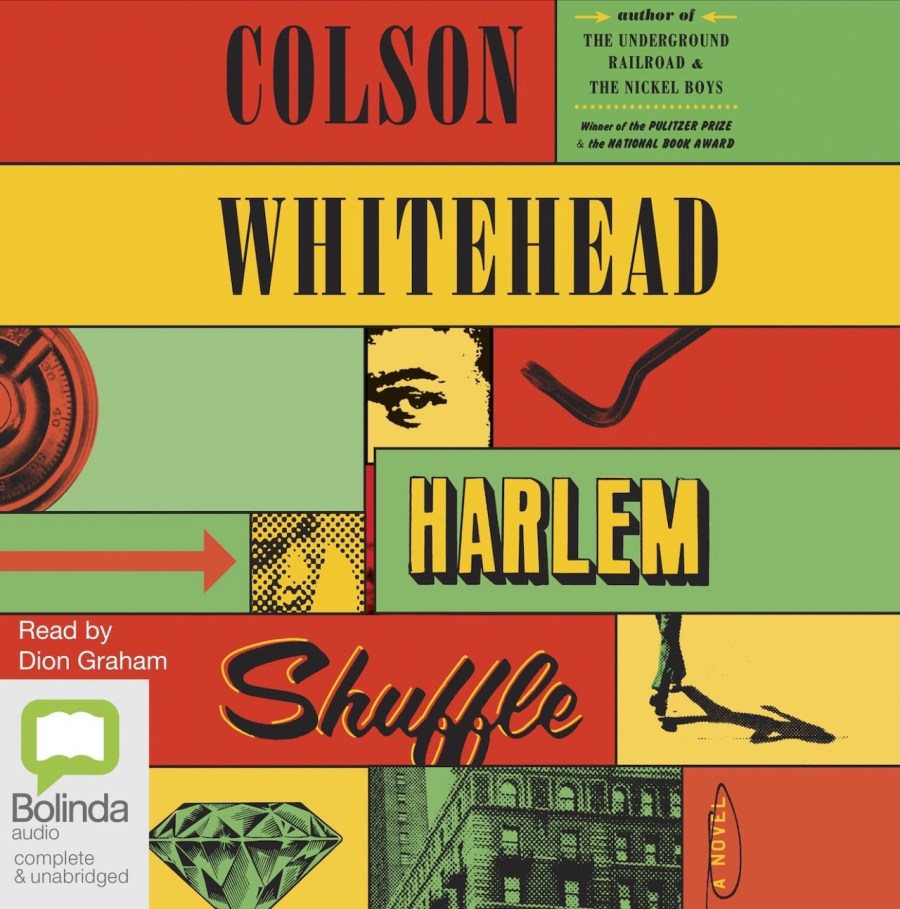
Book review: Harlem Shuffle by Colson Whitehead

Literary crime novel Harlem Shuffle by Colson Whitehead is set in the early 1960s. Reading it was a journey of cultural immersion – full of wise guys and street talk. It’s noir-ish flavour is a study in how our environment and prejudice can limit us in life, no matter how hard we try – and how frustration at those limitations can boil over.

You came from one place but more important was where you decided to go.

When we meet Ray Carney, the civil rights movement is live, but he just wants to get on with his own life and be taken seriously as a legitimate businessman. Ray runs a furniture store in Harlem on 125th Street that he opened using money he found in his dead father’s car.

Carney imagined himself inside because he was looking for evidence of himself. Was there an Argent wingback chair or Heywood-Wakefield armoire in one of them, over by the window, the proof of a sale he’d closed? It was a new game he played, walk­ing around this unforgiving town: Is my stuff in there?

Carney senior, a petty thief and hustler, was a gunned down by police stealing cough syrup from a pharmacy. Ray is as straight as you can be in a town run on corruption, where the cops have to be paid off and the fear of retribution runs deep. Some of the goods he sells have dubious origins – he’s a reluctant fence who innocently gets caught up in a jewel heist.

Carney was only slightly bent when it came to being crooked, in practice and ambition.

Harlem Shuffle exposes the injustices in the justice system and that the line between legal and illegal is blurred. Whitehead shines a light on the false moralities of capitalism and that the founding of the USA itself, like all colonised counties was done through theft and treachery and that we are all complicit in.

There’s us, there’s water, and then there’s more land, we’re all a part of the same thing. But Park Avenue, with those big old buildings facing one another, full of old white people, there’s none of that feeling, right? It’s a canyon. And the two sides don’t give a shit about you. If they wanted, if they so decided, they could squeeze together and crush you. That’s how little you are