Book Review: Sold by Blair Denholm

Nothing like a bit of noir to make you feel better about your own circumstances…

He and Maddie should simply disappear from the Gold Coast. The gaudy city masqueraded as paradise, but sometimes it was hell on Earth.

Gary Braswell is a ball scratching Gold Coast car salesman, a chain smoking compulsive liar with drinking and gambling habits, and he’s not averse to a bit of illicit drug taking either. His act now, worry about consequences later approach to life have left him in debt to a loan shark, Jocko, whose hired muscle is the worst kind of ex crim. Gary thinks his luck has turned when a wealthy Russian couple buy four cars from him that enable him to pay back his debt to Jocko, but Jocko wants Gary to run a little package to Bali for him as a late payment penalty. If he refuses Gary’s wife will be paid an unwanted visit from Jocko’s muscle.

When it came to heterosexual couples and serious vehicle purchasing Mr usually did the talking and Mrs the listening, and sometimes the eye-batting, lip-licking and hair-twirling. There were rare exceptions, about as rare as Gary tipping the first try scorer. He imagined the ‘work’ the woman referred to might be pole dancing or selling pot.

While Gary’s trying to work out what to do, his wife goes to stay with her mother for her own safety. Meanwhile Gary gets a new job as a real estate salesman chasing bigger returns with his bullshit, and his best mate agrees to help him hatch a plan to get him out of his pickle with the help of the federal police, some of whom are as dodgy as Jocko’s muscle. Of course Gary just ends up in deeper shit involving dodgy money laundering Russians, and his life spirals more and more out of control on sex, drugs and booze.

Snot dripped from his nose. He placed a hand to his forehead. Temperature seemed normal, but his arsehole was red raw. And if that wasn’t enough, the itchy balls were back.

Blair Denholm’s novel published by Clan Destine Press is quintessentially Australian noir with plenty of Aussie expletives. Denholm, who has an interesting past himself, crafts a protagonist who is wholly unlikeable, but redeemed for the reader by his habitual haplessness and a huge dose of gaudy humour. I’m just glad I’m not Gary Braswell’s wife, Maddie.

Gary’s bag of excuses was empty. He stared at Foss and gathered his thoughts. Suddenly his arms and legs started to jerk like Peter Garret at a Midnight Oil concert. In one rapid motion he collapsed and curled his body into the foetal position. He pulled his arms in by his sides and, unseen by Foss, pinched the soft skin on the inside of his bicep, and launched into a juddering, rocking motion. He grunted out primal-sounding noises which soon escalated into unearthly wailing.

Sold is not for the faint hearted, or those who are queasy about body fluids – it’s no cosy mystery – but it is a fun romp of a read if you like a walk on the wild side, and it could make your isolation seem not so bad after all. The sequel, Sold to the Devil is due out soon.

Book Review: The Fragments by Toni Jordan

Who doesn’t love a writerly mystery novel?

Popular Austrian-American author Inga Karlson and her publisher were killed in a mysterious warehouse fire in New York in 1939, along with every copy of Karlson’s highly anticipated novel. The two were believed to be the only one’s who ever read the manuscript and all that remains are a few page fragments. Over the next forty years Karlson becomes a cult figure and the fragments become much studied and analysed.

And in the end, all we have are the hours and the days, the minutes and the way we bear them, the seconds spent on this earth and the number of them that truly mattered.
― Toni Jordan, The Fragments

Caddie Walker was named after a character in Karlson’s first novel and works as a bookstore assistant in Brisbane in 1986 after dropping out of university because of a failed love affair with a professor. When the Karlson fragments are bought to Australia and put on display in a Brisbane museum Caddie meets an old woman who calls herself Rachel and quotes what sounds like additional text from the book fragments that supposedly no one has read, and a mystery is born which Caddie is determined to solve.

“To spend her days reading and growing things. Could there be any better life?”
― Toni Jordan, The Fragments

The Fragments tells Karlson and Caddie’s stories across two different time periods, both of which Jordan brings brilliantly to life through her use of sights, sounds, smells and carefully selected cultural references. The character’s stories unfold at a pace into a twisty intermeshed climax. Part historical novel and part contemporary mystery the two stories are held together by the fragments and the theme of loss that runs through both characters lives. The Fragments is a page turner, and highly recommended.

“Books are time travel and space travel and mood-altering drugs. They are mind-melds and telepathy and past-life regression. How people can stand here and not sense the magic in them – it’s inconceivable to her.”
― Toni Jordan, The Fragments

The Fragments (2018) is Melbourne author, Toni Jordan’s fourth novel and the first I have read, but I’ll certainly be reading more her other work. Her debut Addition (2008) was long listed for the Miles Franklin Award, her second Fall Girl (2010) was optioned for film, Nine Days (2012) was named the Indie Book of the Year by the Australian Booksellers in 2013, and Our Tiny Useless Hearts (2016) was long listed for the International Dublin Literary Award.

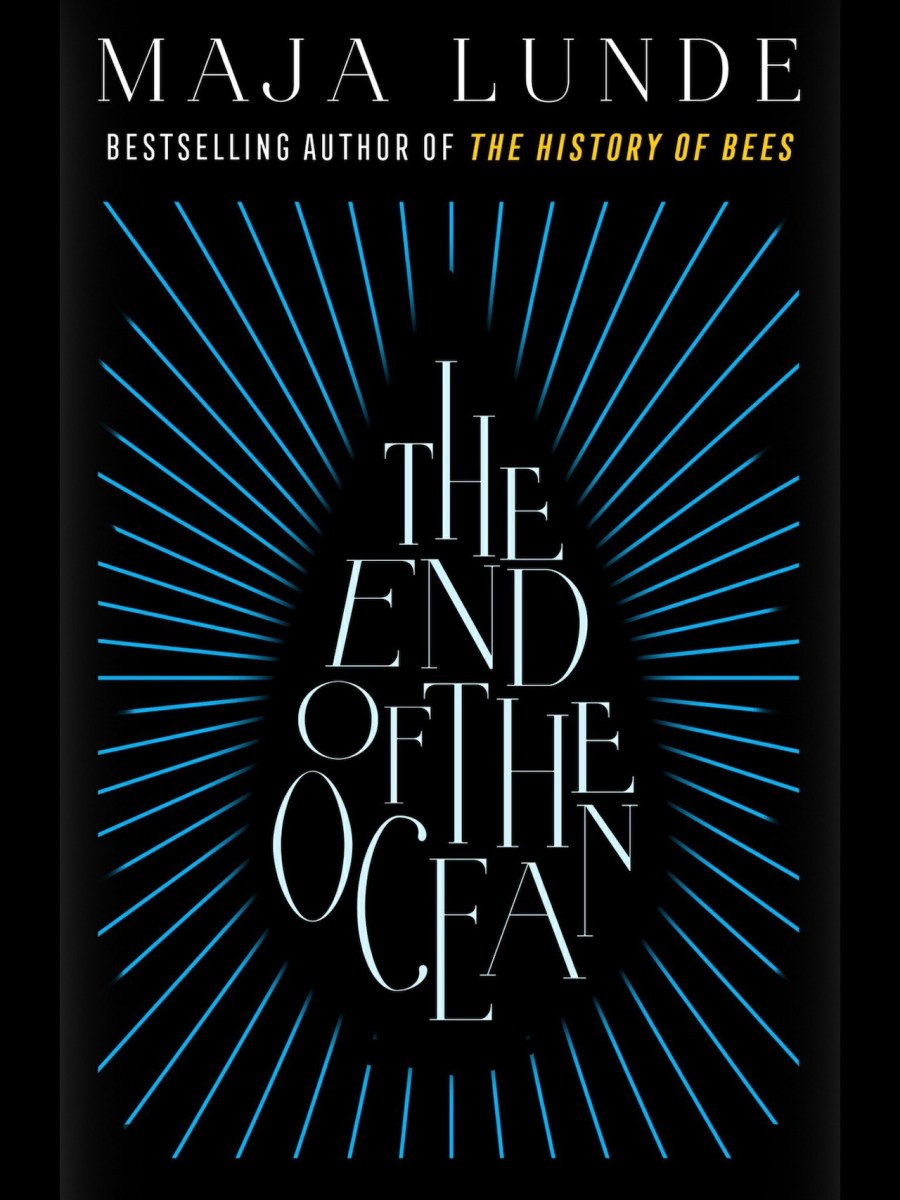
Book review: The End of the Ocean by Maja Lunde

I almost drowned in the beauty and tragedy of this watery novel. The End of the Ocean is two stories that converge twenty-four years apart, either side of climate change induced environmental and societal collapse.

They talked, the two men, and the mountain ate up their words.

The End of the Ocean

In 2017, seventy year old Norwegian sailor, journalist and environmental activist Signe visits the place of her childhood. Once a place of great natural beauty, the river and waterfalls have been diverted for hydro electricity, events that destroyed the habitat of much flora and fauna, her parents marriage and her own first relationship. The glaciers are melting and she discovers her old love, whom she has never gotten over, is contributing to their destruction by selling glacial ice to the Middle East as a luxury item. She is infuriated and tips most of a load of ice into the ocean to melt and sets off in her sailing boat, Blue, with the remaining twelve non-degradable blue plastic containers in search of her old lover so she can dump them in his yard.

It is strange—no, surreal, surreal is the word—that I’m one of them, the old people, when I am still so completely myself through and through, the same person I have always been; whether I am fifteen, thirty-five or fifty, I am a constant, unchanged mass, like the person I am in a dream, like a stone, like one-thousand-year-old ice. My age is disconnected from me, only when I move does its presence become perceptible—then it makes itself known through all its pains, the aching knees, the stiff neck, the grumbling hip.

The End of the Ocean

In 2041, twenty five year old David worked at a desalination plant until the drought became so severe he had to flee with his family. He is a climate refugee in a French refugee camp trying to find his wife and infant son who he and his six year old daughter Lou became separated from when they had to abandon their home due to the drought and a massive fire. Once they have reunited they will head north to the water countries.

But the power came and went, the stores were emptied of food staples and the city became emptier, quieter. And hotter. Because the drier the earth became, the hotter the air was. Previously the sun had applied its forces to evaporation. When there was no longer any moisture on the earth, we became the sun’s target.

The End of the Ocean

Signe’s journey is fuelled by anger and despair at humanities destruction of the environment and personal sadness about her own relationships. As she encounters many perils on her sea voyage she reflects on her own life and relationships, and why she lives such an isolated existence. David’s journey is driven by desperation and the longing to be reunited with his wife and son as he tries to provide for himself and his daughter in a world where climate change and water shortages means day to day survival is tenuous. Gradually the two stories converge across time when David and Lou stumble across an old sailboat under tarps at an abandoned house far from the sea.

I have really tried, I have been fighting for my entire life, but I have been mostly alone; there are so few of us, it was futile, everything we talked about, everything we said would happen has happened, the heat has already arrived, nobody listened.

The End of the Ocean

The speculative fiction novel is a meditation on human destruction of the environment, climate change, family relationships and human resilience. The End of the Ocean, translated from the original Norwegian by Diane Oatley, is beautifully written yet a frightening rendering of what a future world might look like in the face of climate change. The ambiguous ending contributes to the haunting sadness infused throughout, a must read, but not a feel good one. Lunde, a climate change advocate, is also the author of The History of Bees (2015) and Przewalskis Horse (yet to be translated), both of which I will add to my reading list.

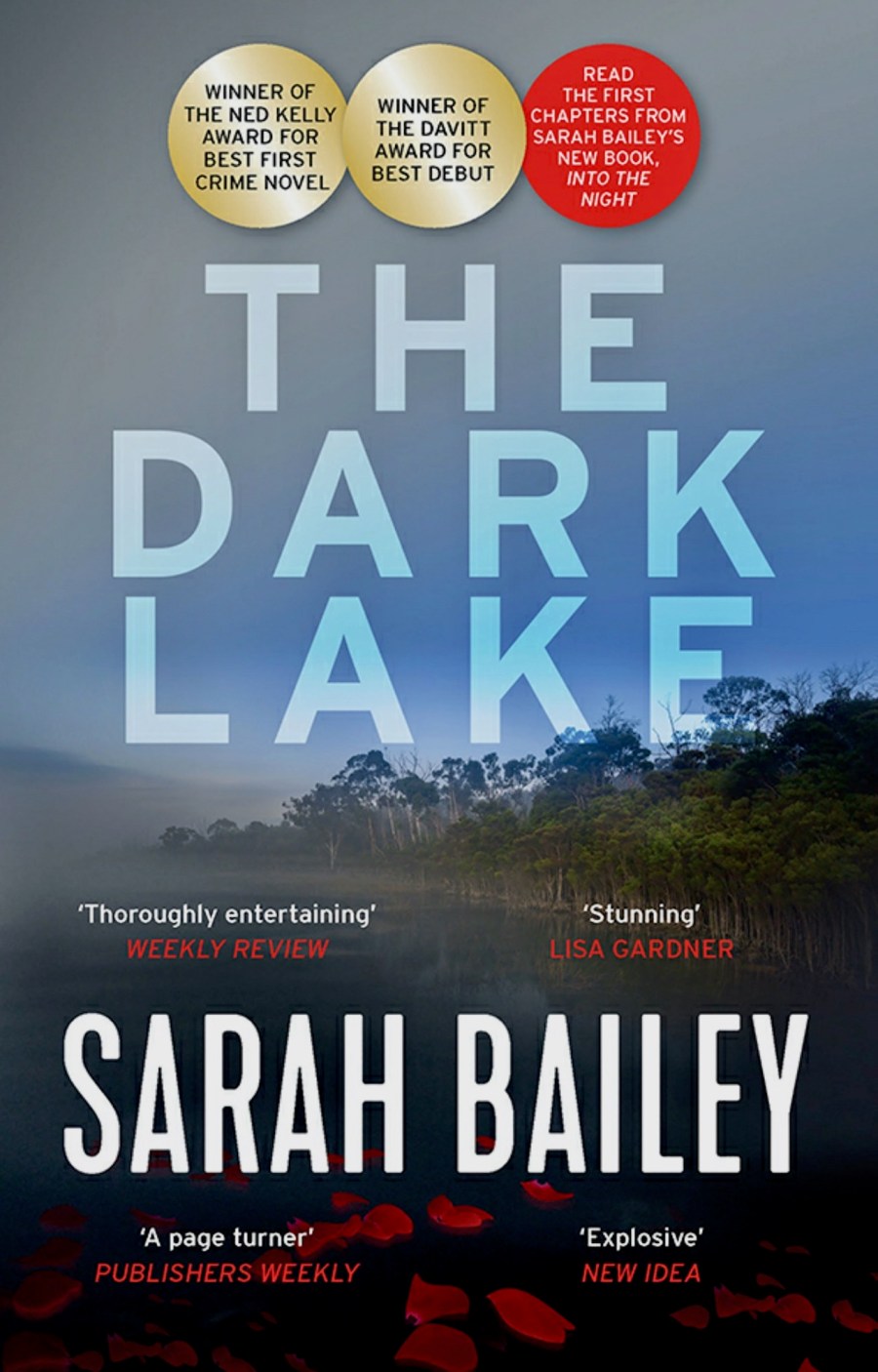
Book Review: The Dark Lake By Sarah Bailey

Secrets are at the heart of a good mystery and Sarah Bailey packs them into her debut psychological mystery, The Dark Lake.

The house turned out to hold more of Robbie’s secrets than I had ever expected, though I am sure there are many more that we will never know

The Dark Lake

Gemma Woodstock is a cop in Smithson, the small town in New South Wales where she grew up. She’s good at her job but a personal train wreck, which stems back to the suicide of her first boyfriend at the end of high school ten years earlier. Her relationship with her loving partner and father of her child is distant, she is sleeping with her married work partner Felix, struggles to be a good parent to the son she loves, and drowns her emotions in booze.

Probably I should move away, leave Smithson, but starting over has never been a strength of mine. I have trouble letting go.

The Dark Lake

When high school drama teacher Rosalind Ryan, who Gemma went to school with, is murdered, the small town is shocked. Gemma and Felix start to investigate the crime and the intertwined secrets of Rosalind and Gemma start to emerge. The investigation almost undoes Gemma in her effort to keep her own history and emotions separate from the case.

I allow myself to process the fact that Rosalind Ryan is dead. I suddenly feel startled to find myself a fully grown adult.

The Dark Lake

The book is a well written slow burner and hooks you in with a compelling and complex story line. It’s character driven with a well drawn cast who are easy to like and/or hate. The story shifts from the present to ten years earlier, gradually revealing the interlinking stories as the secrets are revealed.

Set in between a burst of mountain ranges, Smithson is a little oasis of greenery in the middle of endless fawn-colored acres of Aussie farmland.

The Dark Lake

I liked it enough that I will read the next in the series, Into the Night.

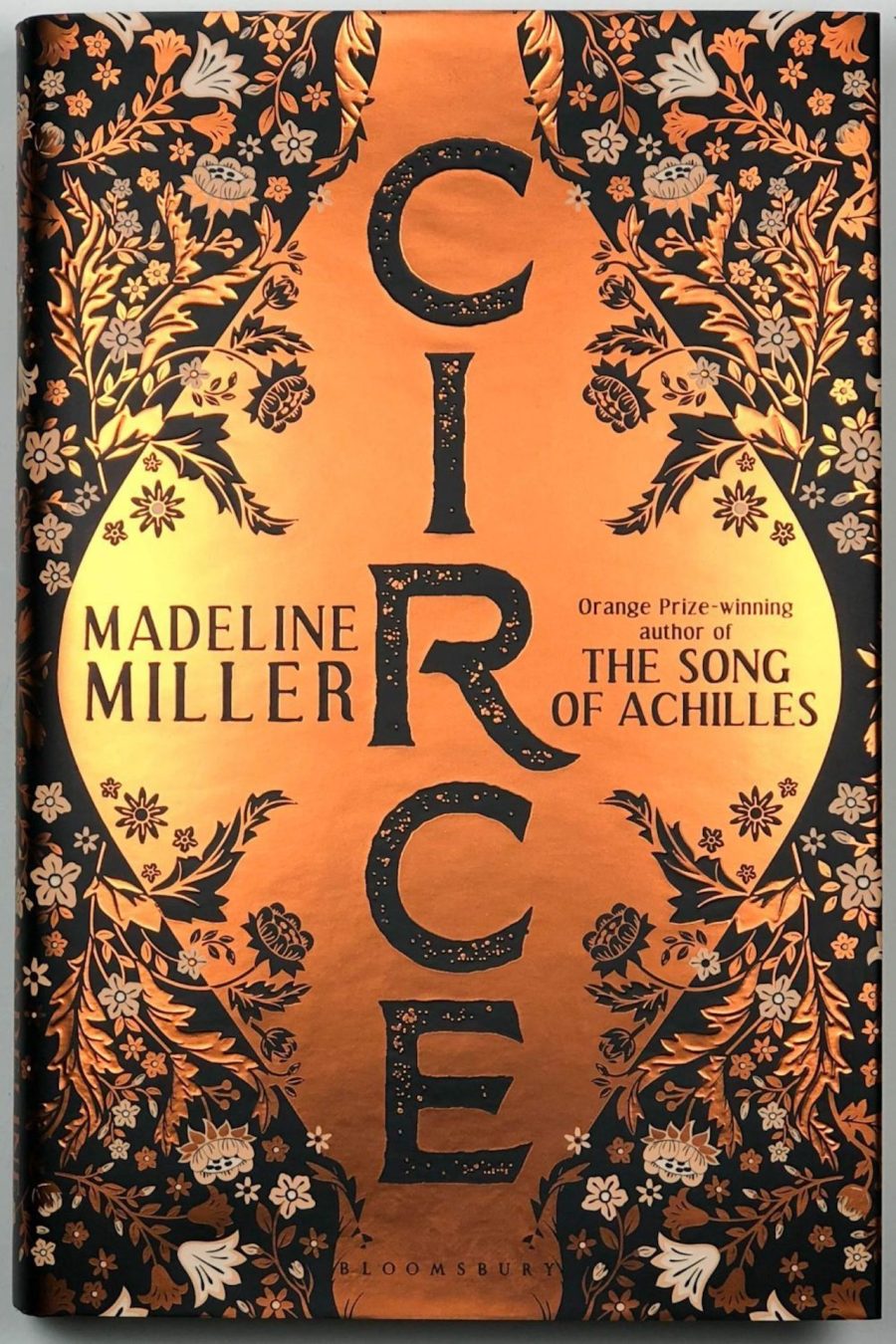
Book review: Circe by Madeline Miller

They say that writers should read widely, so not all my book reviews will be crime, though bloodshed may prove to be a common theme. Recently I dived into Greek Mythology. Madeline Miller’s Circe is a feminist spin on the epic tale of the immortal nymph sea witch by that name. Circe appeared as a minor character in the Homeric poem, The Odyssey.

Circe, the protagonist is the daughter of Helios, the sun god. As a child she is made brutally aware of her inferior status by her family. She was not born a god, is plain to the eye, and has the voice of a mortal. In her youth she was tormented by her siblings and barely seen by her parents.

I asked her how she did it once, how she understood the world so clearly. She told me that it was a matter of keeping very still and showing no emotions, leaving room for others to reveal themselves.

In coming to know love, jealousy and rage, Circe discovers her sorcerer powers, which she unleashes on her sister, a beautiful sea nymph, and the object of her envy. As punishment she is exiled to a picturesque, unpeopled island called Aiaia by her father.

Humbling women seems to me a chief pastime of poets. As if there can be no story unless we crawl and weep.

Circe eventually comes to revel in her solitude and spends her time developing her occult arts and witchcraft, and taming the animals of Aiaia for company.

This was how mortals found fame, I thought. Through practice and diligence, tending their skills like gardens until they glowed beneath the sun. But gods are born of ichor and nectar, their excellences already bursting from their fingertips. So they find their fame by proving what they can mar: destroying cities, starting wars, breeding plagues and monsters. All that smoke and savor rising so delicately from our altars. It leaves only ash behind.

It is on the island, surrounded by tame wolves and lions and pigs – the latter formerly sailors who she turned to swine after they tried to attack her – that Odysseus comes across Circe. He becomes her lover and she bares his child.

I was captured by Miller’s lush poetic prose, which is like reading a song. Her reimagining of the myth brings one of the women from the original tale into the light. Her work was criticised by a few crusty old blokes for historical inaccuracy, perhaps because they prefer the original misogynist fantasy, but I found a beautiful remake of Homers epic poem in Circe. The novel gives a nod to other myths as well, including Daedalus and Icarus; Medea and Jason with the Golden Fleece.

I loved Circe’s chutzpah, she is a woman who will not be silenced and turns an ancient tale of female subjugation into one that is teeming with contemporary reverberations of empowerment and courage. Circe is Miller’s second novel and rivals her first, The Song of Achilles, a stirring reimagining of another of Homer’s epic poems, The Iliad. The Song of Achilles received the Orange Prize for Fiction in 2012.

I highly recommend Circe, which was shortlisted for the Women’s Prize for Fiction this year. It’s a particularly good read for writers who seek inspiration, and to broaden their writing technique, style, and craft skills.

No wonder I have been so slow, I thought. All this while, I have been a weaver without wool, a ship without the sea. Yet now look where I sail.

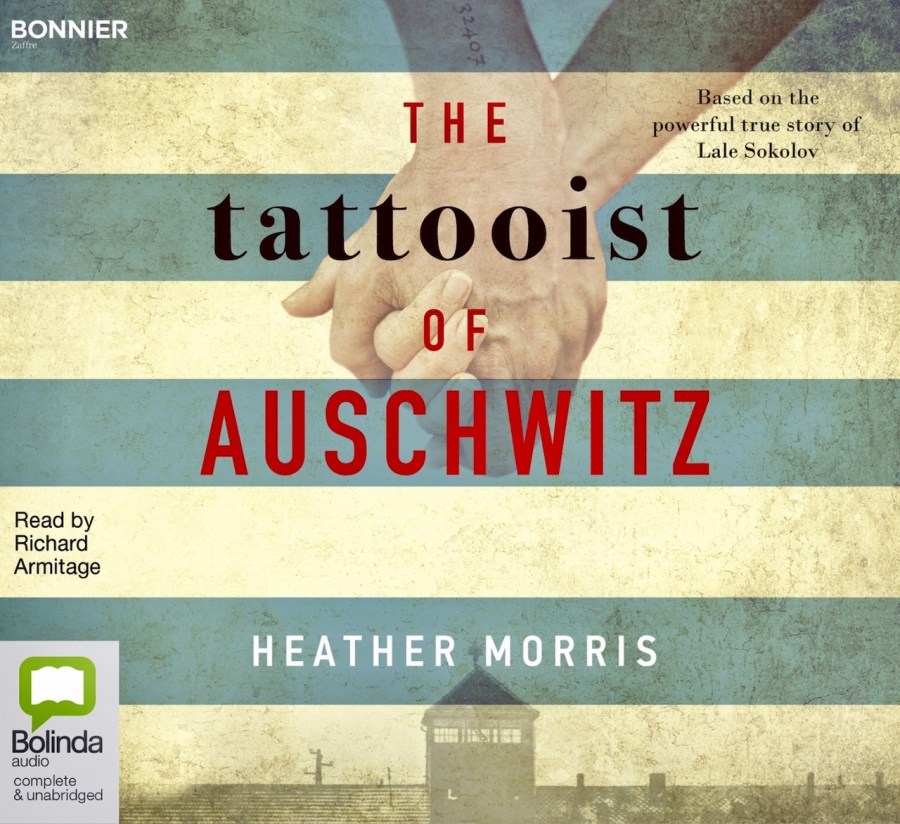
Book Review: The Tattooist of Auschwitz

I’m a writer of fiction, I make stuff up and my work is almost all in the mystery/crime genre. It attempts to shine a light on some elements of the darker side of life, but in truth my imagination ain’t got nothing on reality.

Last week I listened to the audiobook of The Tattooist of Auschwitz by Heather Morris. If I was to use two words to describe this novel they would be harrowing and hopeful. The Tattooist of Auschwitz is the story of Slovakian Jew Lale Sokolov. Lale was imprisoned at Auschwitz in 1942 and became the Tätowierer – the man who tattooed identification numbers on the arms of incoming prisoners. Lale met a young woman called Gita Furman in the camp and the two fell in love. Both survived three years in the concentration camp, partly due to Lale using his privileged position to smuggle additional rations to other prisoners. After the war Lale and Gita moved to Melbourne, where Lale met Morris who was to write his story. When the two discussed the project and Morris confessed she wasn’t Jewish, Lale indicated he thought this was good – he didn’t want anyone else’s baggage to cloud his personal story.

The book received much acclaim and become a best seller, but also received its fare share of criticism. Despite the novel never claiming to be anything other than historical fiction based on Lale’s memories, historians have criticised some details of the work as containing errors, exaggerations and misrepresentations.

Memory is a complicated thing, a relative to truth, but not its twin. – Barbara Kingslover

Interestingly one of the things most criticised was that Gita’s tattooed number in the book is wrong. Lale was 87 when he and Morris began working together, and Gita had already died. Gita had the tattoo removed when she was in her sixties, so presumably if incorrect, the number was incorrectly remembered by Lale.

The controversy around the work raises some interesting reflections about memory and truth. The story is Lale’s, his memory, recollections of his life as reflected on his twighlight years, some seventy years after the events. Perhaps his mis-remembering the number simply reflected his reclamation of his and Gita’s identities as being much more than a tattooed number. Morris committed to tell his story as he tod it, it’s why he trusted her and chose her for the task. She honoured that trust by telling his story as he relayed it, using fiction to fill in the gaps. If Morris had disregarded some of Lale’s most pressing memories in favour of hard historical facts, the novel may have been a more accurate historical account, but would it have been dishonouring Lale’s memories and his story? Lale has passed away, so we cannot ask him how he might have felt about this.

The debate about the value of the work as a resource to understand the history of Auschwitz is interesting and perhaps the incredibly sensitive nature of the Holocaust lends itself to significant scrutiny. I have read some of the criticism including one stating ‘that the novel is “an impression about Auschwitz inspired by authentic events, almost without any value as a document”. It is a sentiment that I must disagree with. Having read the novel, and the criticism, I do not believe the details raised would have significantly changed my experience of the story. I listened to much of it whilst pottering around in the garden and it bought me both to tears and laughter at times. It also significantly increased my very limited knowledge of that period in history – the fictional I Am David by Anne Holm, Viktor Frankel’s Man’s Search for Meaning and Thomas Kenneally’s Schindler’s List being the only other books I’ve read on the subject. It’s knowledge I probably would not have otherwise gained as I would not have been motivated to read an academic paper about it.

The novel may be a blend of an ageing man’s memories, fiction and facts, but it has never claimed to be more than that and should not be devalued on that basis. I found the The Tattooist of Auschwitz to be a moving and well written story and encourage you to read it if you have not already.

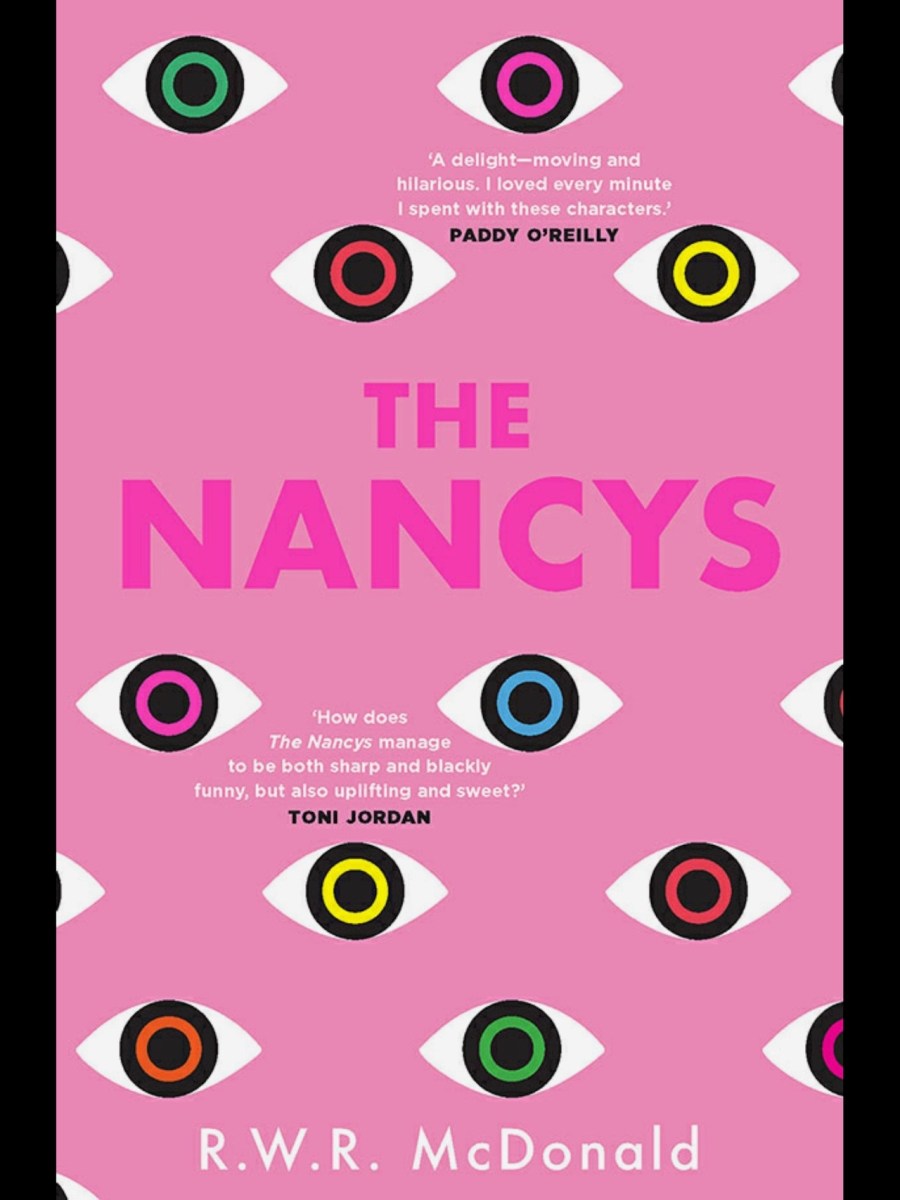
Book review: The Nancys

Tippy Chan’s mum goes on holidays and her Uncle Pike and his boyfriend come to Riverstone, the small town in New Zealand where she lives, to look after her. When Tippy’s friend has an accident and her school teacher is murdered, the three bond over a common love of Nancy Drew and set out to investigate. Uncle Pike’s boyfriend Devon is a clothes designer and runs out a series of prototype matching Nancys T-shirt’s for them to try. The novel has subplots on grief and fashion and is brimming with quirky characters.The Nancys is a light, fun, queer romp told through the eyes of an eleven year old.

Uncle Pike’s plane was late and, and my hair was a sweaty mess thanks to the crimson anti-kidnapping jacket and hateful Santa hat mum had made me wear.

The Nancys is RWR McDonald’s debut novel and it was highly commended for an Unpublished Manuscript in the 2017 Victorian Premier Literary Awards. It’s unusual to find adult fiction told from an adolescent point of view and McDonald does an excellent job creating the voice of Tippy who narrates the story in first person point of view.

To create a convincing young voice, writers need to describe life from a developmentally appropriate context and keep their adult knowledge and experience from intruding. The mind of a teenager moves quickly from one idea to another and leaves little room for reflection. Adolescents can make perceptive observations untainted by extended life knowledge and they experience the world with literal immediacy. Tippy’s adolescent understanding of adult concepts and informal diction makes the narrative jump around in the way young people do and ads to the authenticity of the character. Random observations and snippets of thought to give the narrative a slightly jolty feel and insight into the randomness of Tippy’s inner life. There’s also a good dose of youthful humour and fun subplots.

The next morning Uncle Pike gave me a choice, I didn’t have to go to school if I didn’t want to. It was a no-brainer. Finally I was living the Nancy Drew life-with a mystery to solve and no annoying classes to get in my way. After breakfast Devon made us go to the driveway for a runway show. He modelled a new tight Nancys T-shirt. ‘Tada!’

The novel doesn’t roll at your traditionally fast crime fiction pace – it starts quite slowly and picks up pace as the story unfolds driving you to race through the final chapters. It’s small town expose, family saga and detective story wrapped up in a blend of teen and gay laugh out loud, slightly bawdy humour and is filled with the genuine warmth the characters have for one another.

The author was also interviewed on The First Time Podcast last week if you are interested to hear him talk about his book.

Book Review: Godsgrave by Jay Christoff

If Vengeance has a mother, her name is Patience.

I picked up Kristoff’s epic fantasy novel after hearing him interviewed on The Garrett podcast. I don’t read a lot of fantasy, but he seemed like an interesting guy. Godsgrave is the second in a chronicle and it’s fare to say after reading it I wish I’d started with book one.

Our scars are just gifts from our enemies…reminding us they weren’t good enough to kill us.

Mia Corvere wants revenge for the murder of her familia, and she’s ruthless. She orchestrates herself to be sold off as a slave to a gladiatorial collegium. But it’s a tough and bloody road to revenge in Nevernight. Mia encounters allies, rivals and lovers all the way egged on by her mysterious magical shadows. Kristoff puts Mia under more and more pressure as the story unfolds and forces her to choose between pursuing revenge or friendships.

The old man hooked his thumbs into his waistcoat. ‘Problem with being a librarian is there’s some lessons you just can’t learn from books. And the problem with being an assassin is there’s some mysteries you just can’t solve by stabbing the fuck out of them.

The book is a long, dark, blood soaked, sexy, action packed page turner with plenty of twists to keep you on your toes. The world building is grand, the action spectacular, the narrator playful and amusing (if you read the footnotes), and the writing style poetically gruesome. And it ends on a cliffhanger.

Because the voices in your head that say otherwise are just fear talking. Never listen to fear.

Book Review: This House of Grief by Helen Garner

I don’t read a lot of true crime but just finished Helen Garner’s work, This House of Grief. I know some people find the genre too hard because of the voyeuristic nature of it, or because they cannot bear to hear about the terrible things people are capable of doing to one another. The genre is often criticised for being disrespectful to victims and their families, an argument that primarily revolves around issues of consent, appropriation, representation and concerns when stories are embellished for the purposes of drama.

Those who do like true crime reference its value in providing insight into, and an understanding of, the inner workings of the legal system and human behaviour. There have been instances of true crime pieces shining a light on forgotten cases and having an extraordinary impact, such as facilitating the resolution of unsolved crimes or the reopening of cold case investigations. Rachael Brown’s, Trace, a true crime podcast series about the cold case of the murder of single mother Maria James at the back of her bookshop in 1980 resulted in a new coronial investigation. Katherine Kovacic’s historical fiction novel, The Portrait of Molly Dean, based on a 1930 unsolved murder delivers a sensitive remembrance for a largely unknown young woman who’s life might otherwise have been forgotten.

This House of Grief by Helen Garner is a non fiction true crime story about the murder trial of Robert Farquharson. Farquharson was charged after the car he was driving left the road and crashed into a dam outside of Winchelsea, Victoria and resulted in the death of his three children on Father’s Day. Farquharson was convicted to three terms of life imprisonment without parole in 2007. The original conviction was overturned in 2009 but a retrial again found him guilty of murder and he was sentenced to life imprisonment with a 33 year minimum.

Garner never interviewed Farquharson but did attend both trials as part of her process of writing the book. The trial and re-trial form the narrative spine of the novel in which Garner herself is both a witness to events, and a character within the text. The story blends Garner’s personal experience of the harrowing trial with the procedural formality of the legal system. Her her own emotional responses to the unfolding evidence, and the mundanities of her everyday life run along side the factual reporting of the trials. It is written with the calm eloquent voice of an observer equipped with the exceptional skills of a fiction author and a fearless honesty. Garner strives for an empathic understanding of the terrible event as the rational, ordered legal system tries to make sense of it and find the truth at the centre of all the swirling grief. She lays her own and others emotions, prejudices, and preconceived notions of human behaviour bare, challenging their intractable nature and unreliability on the page.

As Garner records and critiques the courtroom drama and her own conflicting responses to it, she describes in expressive detail impressions of the people she encounters in appearance, language and tone, the mood of the room, the surreptitious glances and subtle shifts in body language. When the evidence leans toward a guilty verdict Garner clings to the possibility of reasonable doubt because she doesn’t want to believe a father could be capable of intentionally killing his three children. When rebuked by a barrister friend, she reflects on the question of why lawyers always make her feel stupid. It seems to be a comment on gendered views where the legal system is masculine and certain, but she is feminine and tentative.

Garner has received both praised and criticism for this work and other true crime books she has written (Joe Cinque’s Consolation; The First Stone). I found This House of Grief a fascinated and compellingly intimate insight into Garners inner world. In striving to be objective she had to wade through confusion, doubt and sudden flights of compassion or repulsion she felt for the subjects of her study, and her own responses to those feeling.

Ultimately This House of Grief raised more questions for me than it answered – about the fallibility of the legal system and the ambiguity in taking a highly technical procedural process and asking ordinary emotion laden laypeople to make a judgement of certainty about what they hear; about our societies insistence on imposing gender stereotypes that sometimes turn out men so incapable of managing their own emotional turmoil they carry out terrible acts in some misconceived belief it will soothe their own pain; about women unable to reconcile the possibility that love and vengeance can coexist in a way that can make the ones they love capable of both great heroism and of terrible violence; about how our own social conditioning, past experiences and emotional worlds shape how we perceive and interpret what goes on around us; and how our individual prejudices and beliefs shape what we can and cannot bear to hear and believe about the world.

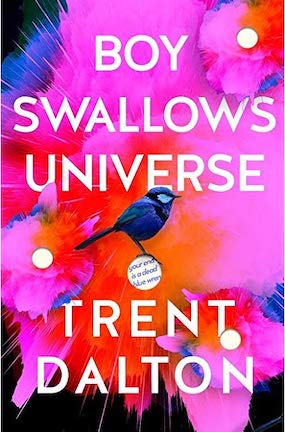
Book Review: Boy Swallows Universe by Trent Dalton

Trent Dalton’s novel Boy Swallows Universe is part crime novel, part coming of age story and part memoir. Eli Bell is a boy growing up in commission housing on the outskirts of Brisbane in the 1980’s with his brother August who doesn’t speak. It follows Eli from age twelve through nineteen when he realises his boyhood dream and becomes a journalist. As a child he gets life advice from his babysitter and mentor Slim who is a convicted murderer, and he lives with his heroin addicted mother and violent, drug dealing step father – until his stepfather disappears when his criminal past overtakes him, his mother goes to jail and Eli loses his lucky charm.

Eli and August then go to live with their father, an anxious, alcoholic man who is a prolific reader of fiction and buys Eli writing paper to ‘burn the house down or set the world on fire.’ And Dalton certainly set the world on fire with this novel.

The book has won more awards than you can poke a stick at including four ABIAs: Book of the Year, Literary Book of the Year, the Matt Richell Award for New Writer of the Year and Audio Book of the Year (Wavesound, narrated by Stig Wemyss); the UTS Glenda Adams Award for New Writing and Peoples Choice Award at the NSW Premier’s Literary Awards; the Indie Book Awards Book of the Year; and the MUD Literary Prize. Oh, and it’s going to be adapted for screen.

It’s a long work at 480 pages, but every one is packed full of humour, tragedy, hope, love and a splash of magical realism, all written in Dalton’s unique lyrical prose. It gets the one of my favourite ever books award because it’s a rollicking good read and I loved his writing style. I expect I will read it more than once.

Watch my language? Watch my language? This is what really shits me, when the clandestine heroin operation truth meets the Von Trapp family values mirage we’ve built for ourselves.”

Trent Dalton, Boy Swallows Univers