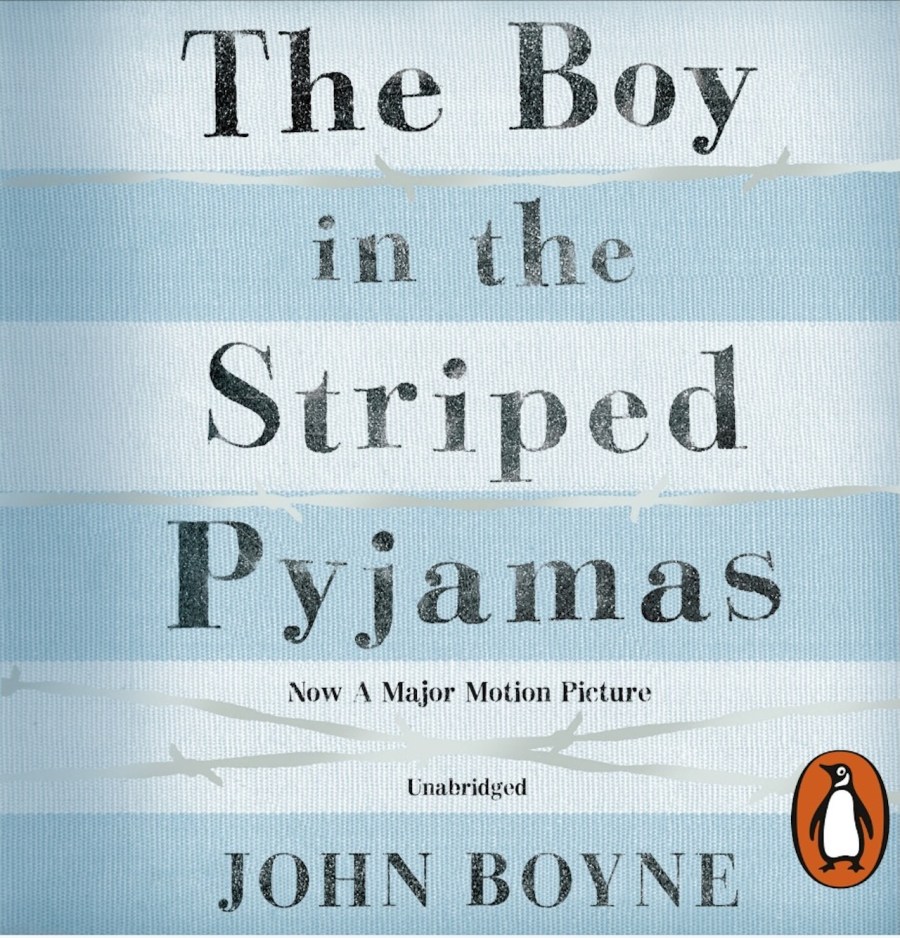
Book review: The Boy in the Striped Pyjamas by John Boyne

The Boy in the Striped Pyjamas by John Boyne is a fable-like children’s story about the Holocaust told from the perspective of a nine year old boy. Bruno does not know he is growing up in the middle of what would become one of humanities great tragedies. 

The thing about exploring is that you have to know whether the thing you’ve found is worth finding. Some things are just sitting there, minding their own business, waiting to be discovered. Like America. And other things are probably better off left alone. Like a dead mouse at the back of the cupboard.

Bruno comes home from school one day to find the maid packing up his belongings. His family are moving from Berlin to an isolated location in the country. His father is a soldier, and his boss the Fury (Fuhrer) has given Bruno’s dad a special assignment.

Just because a man glances up at the sky at night does not make him an astronomer, you know.

The new house, called Out With (Auschwitz), is smaller and less interesting than the one in Berlin and Bruno thinks that moving was a mistake. He misses his friends and grandparents. There is no one for Bruno to play with at the new house, but through his bedroom window he can see people in the distance in a large fenced off area with squat buildings where everyone wears striped pyjamas. The adults in Bruno’s life are a bit evasive when he asks them questions.

What exactly was the difference? He wondered to himself. And who decided which people wore the striped pajamas and which people wore the uniforms?

Out exploring one day Bruno meets a skinny boy called Shmuel on the other side of the fence and the two become friends after discovering they share a birthday. They meet on the same spot every day for a year and Bruno brings food for Shmuel. Shmuel tells his new friend that the soldiers hate him and everyone else in the striped pyjamas because they are Jews. Bruno doesn’t believe this would apply to his own father – he is a nice man.

We’re not supposed to be friends, you and me. We’re meant to be enemies. Did you know that? 

When Bruno’s parents decide that he, his sister and their mother should move back to Berlin, Bruno no longer wants to go. Too much time has passed and he has adjusted to his new life and made a good friend – though his family do not know about Shmuel.

He looked the boy up and down as if he had never seen a child before and wasn’t quite sure what he was supposed to do with one: eat it, ignore it or kick it down the stairs.

The Boy in the Striped Pyjamas has received polarised reviews. It is criticised for its historical inaccuracies and simplistic depiction of the horror of the time. It has also been lauded as a beautifully written fable, well crafted to introduce children to a difficult topic. And both those viewpoints can be true simultaneously. How do we introduce difficult, violent, traumatic, but important topics to young people in appropriate ways except by leaving out details?

. . .only the victims and survivors can truly comprehend the awfulness of that time and place; the rest of us live on the other side of the fence, staring through from our own comfortable place, trying in our own clumsy ways to make sense of it all.

My own youthful introduction to this period of history was a book called I Am David by Anne Holm which was also criticised for its simplicity, inaccuracies and improbabilities. Despite this it was a story that left an impression. It made me aware of this particular point in history and engendered a sense of compassion and empathy for those who were subject to the cruelties of war and concentration camps.  
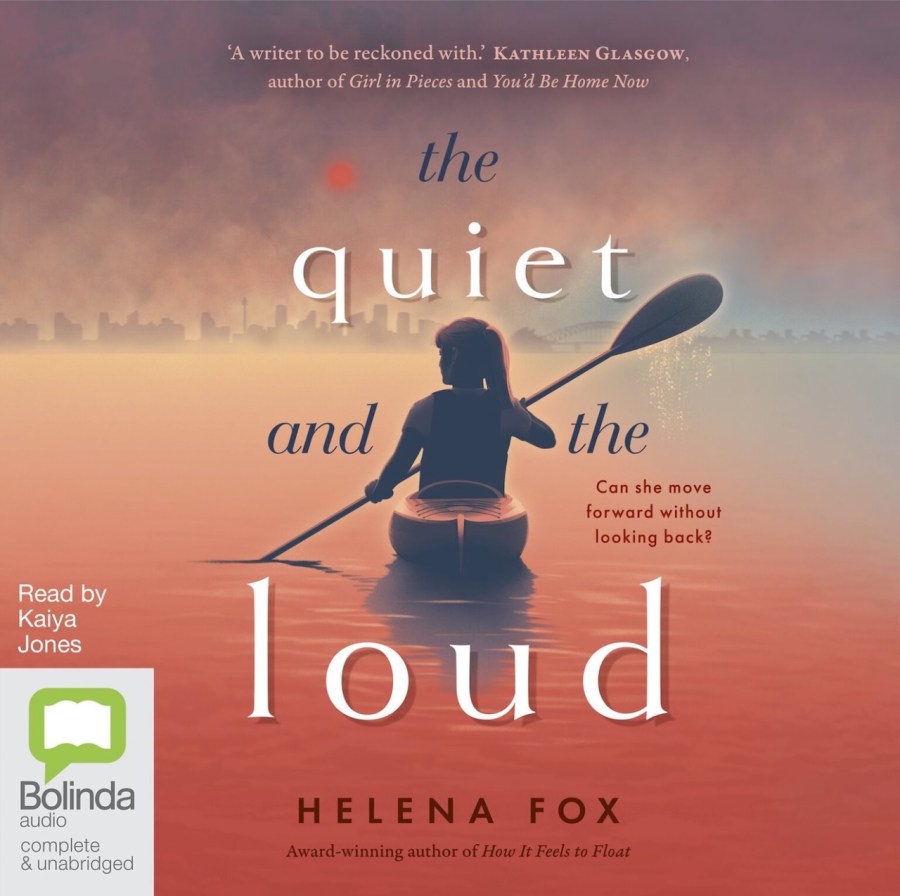
Book review: The Quiet and the Loud by Helena Fox

Contemporary young adult fiction The Quiet and the Loud by Helena Fox begins with a childhood memory of our protagonist, George. Her father wakes her in the middle of the night on a camping trip to go on an adventure. Then he abandons her in a dingy in the middle of a lake. Fast forward and George lives with her grandfather, her mother and Mel, her mum’s girlfriend in Sydney near the harbour.

Ugh. Words. If only I could paint what I mean or turn it into water – then I could move over the surface of the story as it spoke. I need to talk. I want to talk.

George is eighteen and working in Mel’s art store during a gap year. She carries a lot of responsibility for other people’s emotional lives and holds a lot in. George supports her very emotive and demanding best friend Tess who is about to have a baby as a single teen, deals with a constant stream of messages from her alcoholic father, falls in love with a girl called Calliope she meets when out paddling her kayak. On the water is where George finds peace.

I get off the bus and run. I run through the fuzz of car exhaust. Past traffic lights, and lights turning on in houses…run through heat thick wind, along the up down cracked pavement, Weaving past walkers carrying their groceries. I run and breathe. I breathe out the baby crying, and Tess’ darkroom dyes and me not calling Calliope, and Laz not coming by, and Tess crying, and my dad dying. I breathe out the feeling if my body. I move so quickly, feet hitting the pavement, I stop being human, I become the path to the water, the choppy waves, all the hooded boats. I become parks and trees, leaves and fences, bikes, and bins, and houses being knocked down or built, I become breath, and bone…over, and under and away. My mind opens, splays itself as I run.. this is all there is.

The Quiet and the Loud is a gradual unveiling of the characters as wildfires rage around Sydney. The story contains weighty themes include teen pregnancy, trauma, substance abuse, anxiety, and friendships but is buoyed by Fox’s lyrical and evocative writing.

Rhubarb Lemonade by Oskar Kroon

Rhubarb Lemonade by Oskar Kroon is about a young woman called Vinga who is in between childhood and adulthood. A sweet coming of age story set in Sweden.


Grandpa used to make maps for me when I was little. Back then it was maps of the garden, which almost always ended under the lilac bush where he had left me a licorice pipe or some other treasure.

Vinga’s parents have separated. She misses her dad and her mother is sad all the time. Her grandfather lives on an island and she is happy to escape her home life to spend the summer with him. She has a strong bond with her grandfather. They share a similar quirkiness and they both love the sea.

The sea holds so much. In the evening it looks empty, but beneath the surface it is undulating and alive. There are secrets down there. And in the sky. Up there, where dark shadows appear, followed by stars at night. So big, so far away. 

Over the summer Vigna works on restoring an old boat and dreams of becoming a sailor like her grandfather. One day Ruth, an outgoing, confident and talkative young woman appears and the two girls become friends. Ruth doesn’t like the slow pace on the island and is afraid of the sea. It’s a case of opposites attract.

You have to know how everything works. You have to know exactly where each chock goes to get the right result. And it has to be this very specific kind of chock…It’s so precise. The curve of the boat isn’t for beauty’s sake. It is beautiful because it’s the best shape to allow the boat to float and move smoothly on the water.

Rhubarb Lemonade is a short, easy read written with a beautiful poetic lilt (even in translation). Themes include first family breakup, blended families, love, loss, mental health and trauma.

Book review: The 10pm Question by Kate de Goldi

Young adult novel The 10pm Question by Kate de Goldi is about 12 year old Frankie Parsons. He’s a worrier. 

Frankie lay in his bed. He lay facing the wall, his eyes open, but seeing only blackness. His entire body ached. He wanted to cry but it wouldn’t happen. His insides were dried out, somehow. He was prickly and withered and exhausted

Frankie worries about all the illnesses he could catch, about his mother who never leaves the house, the fat content of his food, whether his cat has worms and smoke alarm batteries. He recites the names of birds to try and keep his unruly mind, the rodent voice, under control. Then, at 10pm every night he goes to his mother’s room for comfort, to tell her about his worries and hear her tell him everything will be ok.

He was a funny guy, and a smart one- and the smartest thing about him, in Frankie’s view, was that he never, ever, ever worried.

Frankie marvels that his best friend Gigs never seems to worry. The two of them love to sneak up on, and frighten the yappy dog they pass on the way to school every day. The dog falls for it every time. Frankie’s carefully controlled world is disrupted when a new girl with dreadlocks starts at his school. Sydney is opinionated, loud, spontaneous and vibrant and makes her own clothes. She also asks a lot of awkward questions that make Frankie look at his life through different eyes.

‘She has to be a caged bird, doesn’t she?’ He kept looking ahead. ‘Something that’s had its wings clipped. Something really pretty, but a bit sad.’

The 10pm Question is overflowing with eccentric three dimentional characters beautifully bought to life. A whimsical, heartbreaking, hilarious, thoughtful eccentric story about anxiety and mental illness more generally, told with great compassion. Enjoyable for young people and grown-ups alike.

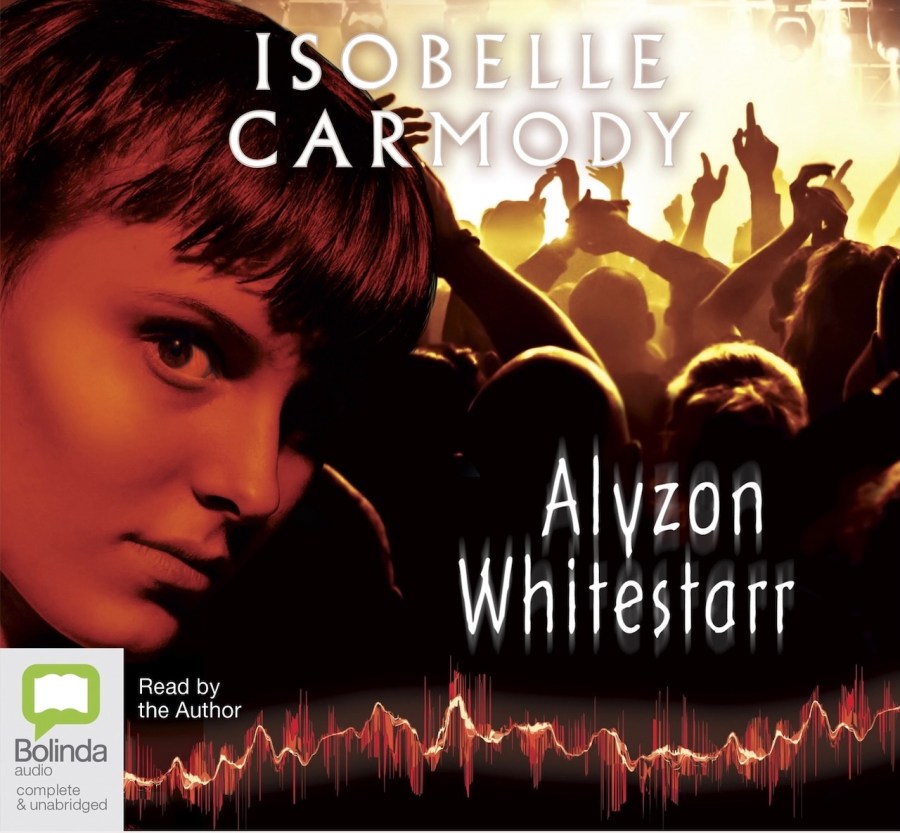
Book review: Alyzon Whitestarr by Isobelle Carmody

Alyzon Whitestarr by Isobelle Carmody is a 2005 paranormal young adult fiction novel with broad ranging themes including the power of creativity and the senses, asylum seekers, good versus evil, and living with disability.

Alyzon Whitestarr was just an ordinary kid in a family of artists and musicians. An accident leaves her in a coma for a month and when she wakes she discovers she’s developed extrasensory perception. Colours are more vibrant, her memory is sharper and she can read people using her sense of smell.

The deepest wounds aren’t the ones we get from other people hurting us. They are the wounds we give ourselves when we hurt other people.

Her father smells of caramelised sugar and coffee grounds, her best friend Gilly smells of an ocean breeze, and the cutest boy in school smells of something rancid or rotting. Alyzon discovers that an evil virus that preys on people’s souls is what causes the rancid odour, and that the spreaders of the illness are after her family. She rallies the help of her kind hearted (and sweet smelling) friends to fight the wrongness that is infecting people and to try to save her family.

I did enjoy Alyzon Whitestarr, in part I think because is has echoes of a book I loved in my childhood called The Forgotten Door about a boy with extrasensory perception who could read people’s minds and talk to animals. Alyzon Whitestarr has held well despite being written almost twenty years ago, though young people might find the rarity of the mobile phone a bit strange.

Book Review: The End Of The World Is Bigger Than Love By Davina Bell

Post apocalyptic young adult novel, The End of the World is Bigger than Love is mind-bending idiosyncratic and weird, in a compelling way.

We live on a blue planet that circles around a ball of fire next to a moon that moves the sea, and you don’t believe in miracles?

Identical teenage twin sisters Summer and Winter live alone on an island surviving on rations stockpiles by their father before he died. They spend their time reading the classics and hiding from a world destroyed by a virus.

When a stranger called Edward appears, their bubble of existence begins to unravel. Their past is slowly revealed via the alternating points of view of the girls and we see how their world has shrunk from a happy family of world travellers to an isolated family of two.

I will say it again in case you missed it: the world had stopped turning, just like they say might happen in corny love songs if the lovers are ripped apart, and little did we know there were earthquakes rumbling all around the rest of the planet, like deeper hunger pangs, a blanket of fog was settling down on the top of the cold slabs of sea, like when you toss a doona up over your bed and it drifts down in perfect rumples that make you want to lie on top of it immediately.

Edward appears and changes everything. Winter falls in love and Summer become jealous and suspicious of their relationship. But both sisters are unreliable narrators, so the reader is unsure who to believe as their stories diverge. Then the world stops turning.

And Summer isn’t with me. Perhaps she never was.

The End of the World is Bigger than Love is a dystopian speculative fiction story about control, love, grief, family, sisters, and survival, all soften by some beautiful magical realism.

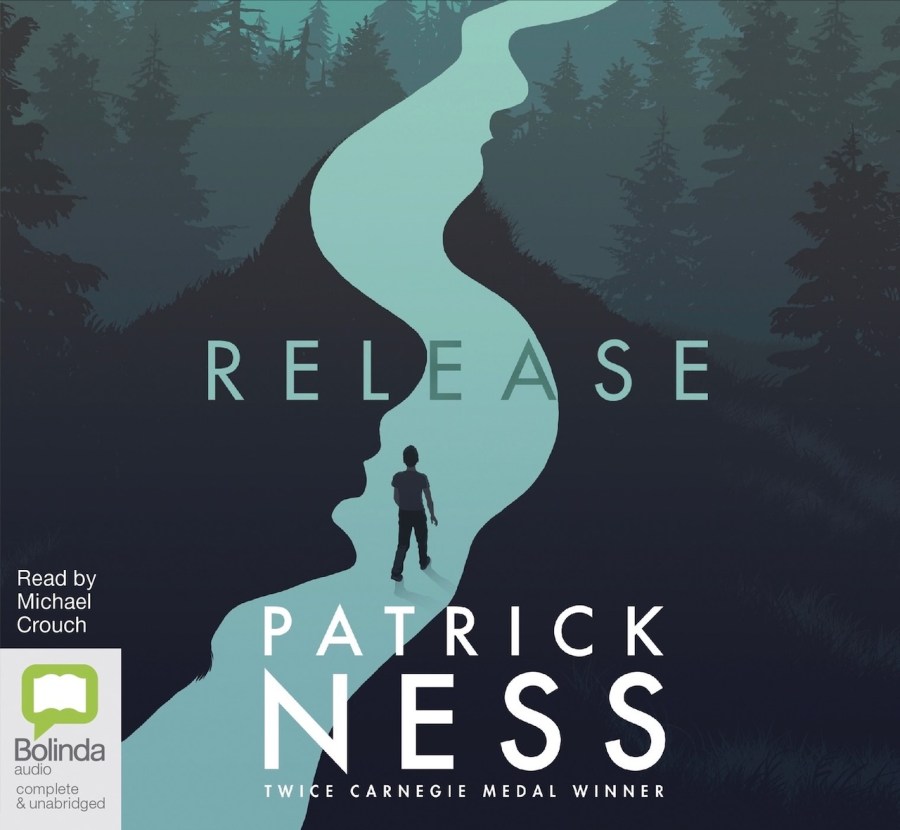
Book Review: Release By Patrick Ness

What happens when you are the gay teenage son of a devout conservative homophobic preacher in a small town? Young adult novel, Release by Patrick Ness is the story of a day in the life of seventeen year old Adam.

They’re your parents. They’re meant to love you because. Never in spite.

Adam knows who he is, but has to hide it from his parents. Knowing that his parents wouldn’t accept him if they knew means he struggles with his self worth and lives a double life. His funny, open minded friend Angela is his solid ground. The ‘yolk’ as he calls it is only till he finishes school. Simultaneously Adam is dealing with an exploitative, lecherous boss, the end of one relationship with Enzo, and the beginning of another with the sensitive, thoughtful Linus.

Why did everyone no longer a teenager automatically dismiss any feeling you had then? Who cared if he’d grow out of it? That didn’t make it any less true in those painful and euphoric days when it was happening.

Release has a dual supernatural narrative about a Queen and a Faun that is set in the spirit world. The queen’s spirit is entwined with a murdered teen and she wants revenge.

It may cost you, my Queen. It may cost you dear.”
“All the best journeys do, faun.”

At first I was confused by the dual narrative, but as the story progressed, I started to anticipate it, wanting to know what that narrative was about. It’s an unusual literary device, and the novel would have been great with Adam’s narrative as a stand alone. But the supernatural-magical-realism twist does add an unusual angle, and right at the end the two stories overlap, entwined by a drop of blood.

Marty: Dad’s right about you. You got lost on your journey somewhere.
Adam: That’s what everyone says who never bothered to go on a journey in the first place

Release is about freeing yourself, coming out, religion, sex, sexual harassment, love, heartbreak, friendship, logical family, toxic relationships and knowing yourself.

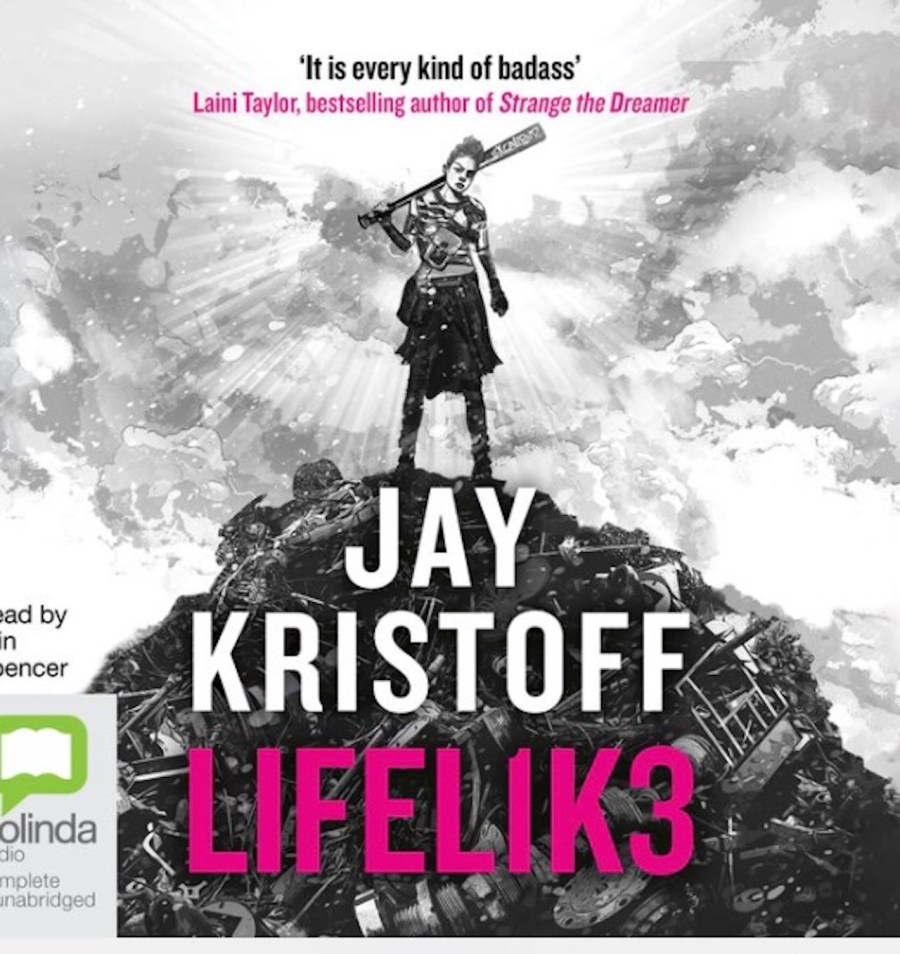
Book review: LIFEL1K3 by Jay Kristoff

Jay Kristoff writes strong women really well and it is no different in his YA dystopian thriller LIFEL1K3.

She didn’t want to die here. She hadn’t liked it much the first time.

Seventeen year old Eve builds robotic gladiators to earn credits to buy medicine for her sick Grandpa, who is her last remaining family member. When her robot gladiator is destroyed in a fight and the opposition comes after her as well, she manages to stop the attack with the power of her mind and a raging scream. Unbeknownst to Eve, her powers of destruction have drawn the attention of the Brotherhood who decide to hunt her down and kill her because of this abnormality.

Look outside that door, and you will see a world built on metal backs. Held together by metal hands. And one day, those hands will close. And they will become fists.

On her way home with her gal-pal Lemon Fresh and her AI robot Cricket they discover the remains of an android boy in a scrap pile and take him home for parts. To her surprise the android boy, Ezekiel, comes to life and he recognises Eve and the those who are out to get her because of her powers. The motley crew of misfits, along with Kaiser, a fierce and protective robotic dog set off across their post-apocalyptic world to save Eve’s loved ones and discover the secrets of her past.

It’s simple to love someone on the days that are easy. But you find out what your love is made of on the days that are hard.

LIFEL1K3 is an action packed roller coaster ride through a world run by a couple of big corporations that use robots as slaves and leave everyone else to fend for themselves in the ruins of the Mad Max–like world. The story explores what happens when beings made with cybernetics and artificial intelligence become sentient and understand that they do not own their own minds, but want to.

Imagine having all your capacity for love and hate and joy and rage and only a couple of years to learn to handle all of it. Sometimes it feels like a flood inside my mind, and it’s all I can do not to drown.

In true Kristoff style, the story is full of twists and turns, a fast paced suspenseful action packed plot, incredible world building, great characterisation and humour, all used to tell a unique story about a girl finding her place in a world, not being defined by our past, and found family. Themes include exploration of corporate powers, resource depletion, AI and what makes us human (which reminded me of a mind bending subject I studied in philosophy at university), societal collapse, love and lies. And of course the story ends on a cliffhanger as there are two more books following it – DEV1AT3 and TRUEL1F3.

Your past doesn’t make calls on your future. It doesn’t matter who you were. Only who you are.

Book review: The Boy from the Mish by Gary Lonesborough

The Boy from the Mish is a queer First Nations bildungsroman fiction novel. This book is an important work as it represents diverse identities – both Aboriginal and queer. Young people who do not ‘fit’ the mainstream ideal need to see themselves in fiction as it helps to validate their lived experience. A lack of diverse representation not only influences how people see themselves but how they are seen (or not seen) by mainstream dominant cultures.

Go to your elders. You should ask them about your country and your totem. Because that is your identity. A blackfella with no identity is a lost blackfella. He don’t know where he belongs.

Individual and institutionalised racism, over-policing of Aboriginal youth, prejudice and lateral violence are confronted throughout this story told from the perspective of seventeen year old Aboriginal Jackson on a journey of self-discovery about who he is emotionally and sexually. On the cusp of adulthood and in his final year of high school, Jackson juggles a social life with his mates and his girlfriend with whom he has not had sex, but doing so hovers as an ever present expectation that he cannot meet.

I’m not too fucking drunk. I’m tipsy at best. And she isn’t ugly, I think she’s beautiful. Maybe my body is just broken, or maybe I’m destined to be an abstinent priest or something.

When he encounters fresh out of juvie Tomas, Jackson is unsettled by his attraction to the other young man and it triggers a change in how Jackson sees himself. The Boy from the Mish is a beautiful and heartwarming story that paints colourful insights into life in Aboriginal family homes, familial relationships and struggles, the emotionality of youth and the fears that make coming out difficult. It is also written in a way that shows white people as ‘the other’, which is refreshing.

If we don’t let ourselves be who we are, love who we are, where we come from, it’ll strangle ya until you can’t fight it no longer.

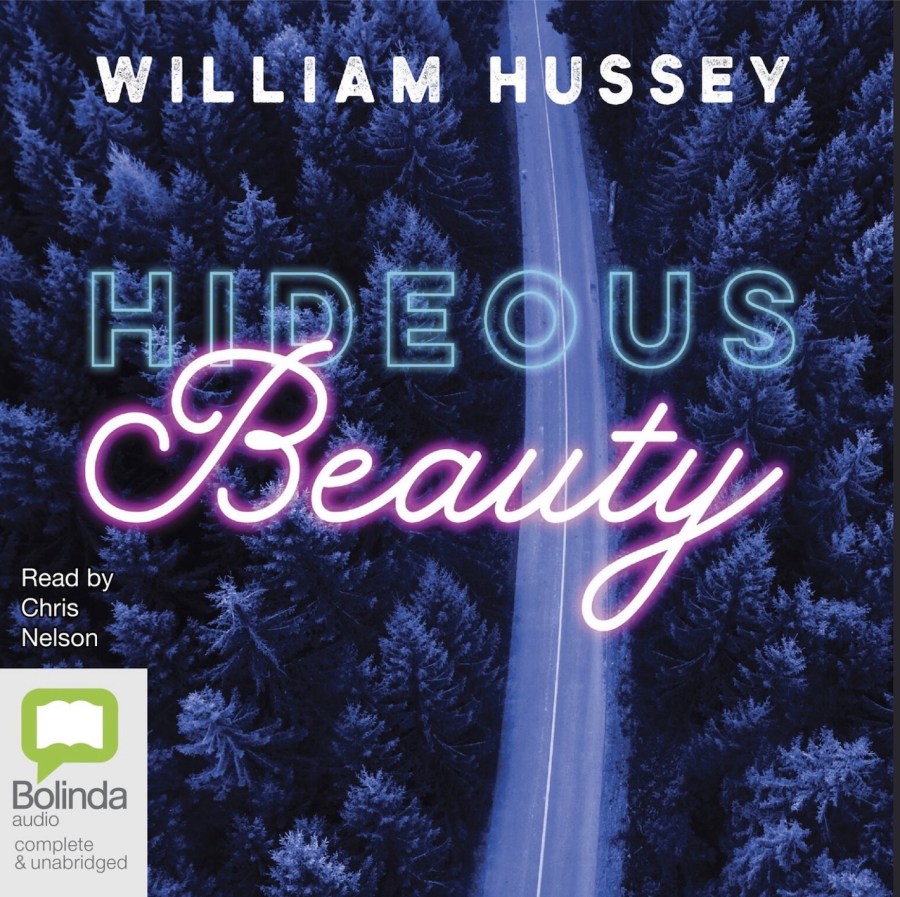
Book review: Hideous Beauty by William Hussey

Hideous Beauty is a mystery about young love, trauma and being queer. Trigger warning – it’s heart wrenching, covers some challenging issues and will most likely make you cry.

Truth is dull and frightening and soul destroying. Art is about the wonderful lies we tell ourselves so we can bear to live the truth.

Dylan is forced to come out before he is ready after a video of him having sex with his boyfriend El goes viral. They decide to get on the front foot and got to the school dance together. It goes surprisingly well and Dylan thinks he has found happiness in being able to be himself with Ellis. Dylan’s euphoria is short lived when El starts behaving strangely, becomes angry and withdrawn. Driving home from the school dance Ellis loses control of the car and the two boys crash into a lake – Dylan is pulled from the car, but Ellis drowns. A grief stricken Dylan vows to find out why his rescuer left Ellis in the car.

We all wanted El to be something he could never be. And we thought us wanting that was somehow acceptable, but it’s not. It’s not about El fitting into some idea of what he should be. Tolerance isn’t conditional. It’s absolute.

A beautiful and sensitive account of first love, coming out, high school politics, illness, grief, and the effects of trauma. Reading it was an emotional roller coaster – and it did make me cry.