Kyoto – Koyasan – Horishima

KYOTO

Kyoto is a beautiful city but it is suffering from a bad case of overtourism. The issue left me feeling sad for the locals (they must resent it) and because of this I would not go back unless tourism dropped off. Having said that we did have a lovely couple of days by avoiding the most popular tourist spots and getting up very early to avoid the crowds.

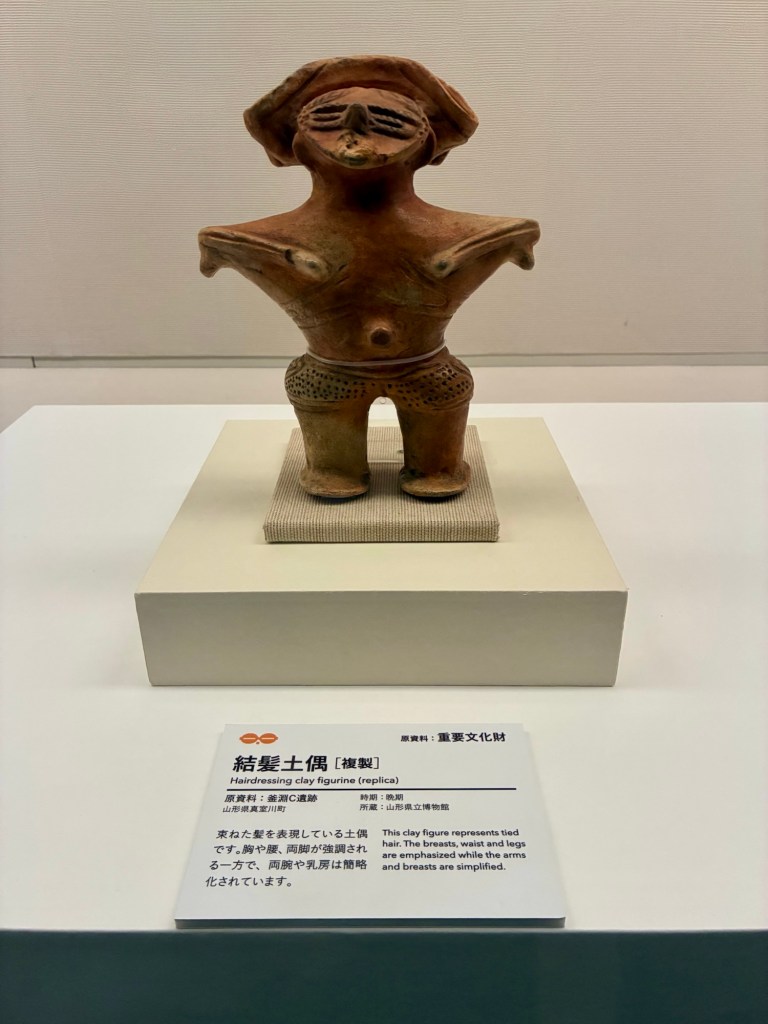
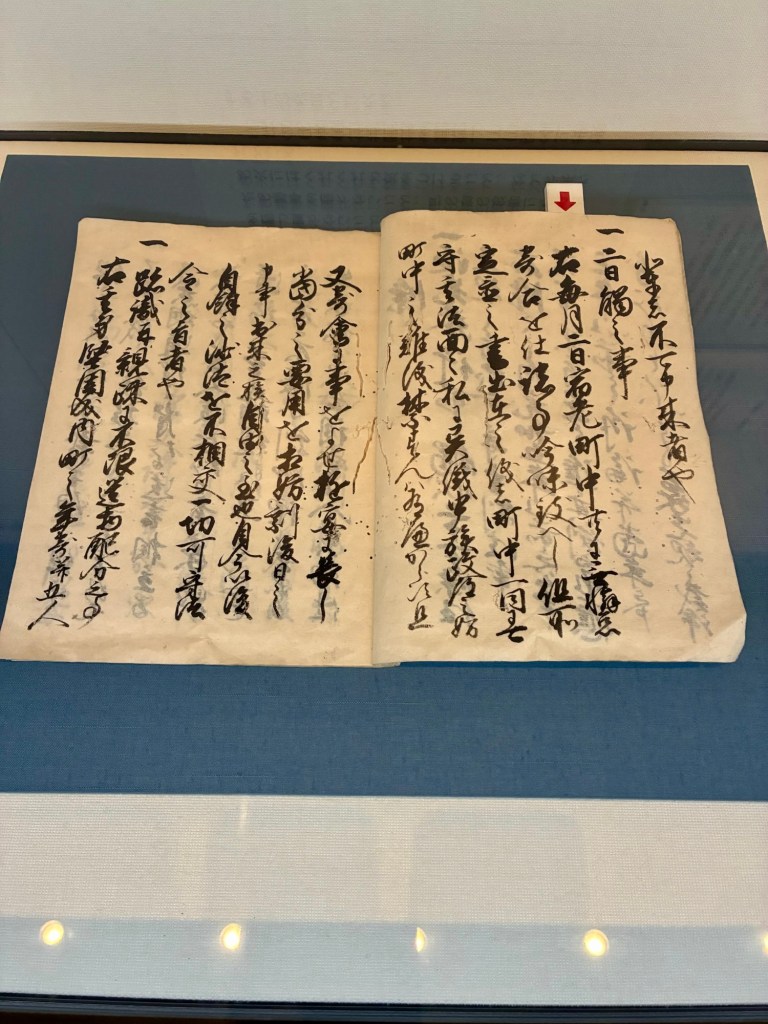
The moss gardens at Gio-ji temple were a green oasis and Kyoto station is a wonder of engineering and worth some exploration including to see the spectacular views across the city from the sky garden. The Museum of Kyoto is worth a visit. We learned about the Jōmon hunter-gatherer peoples, a Japanese First Nations group and saw the History of Kyoto Exhibition that included several volumes of the Lotus Sutra scrolls from the 11th century. We also had a beautiful meal at Kiyamachi tofu restaurant near the Kamo River waterfront – it requires pre booking.

Tip: Google translate is invaluable, don’t leave home without it.

KOYASAN

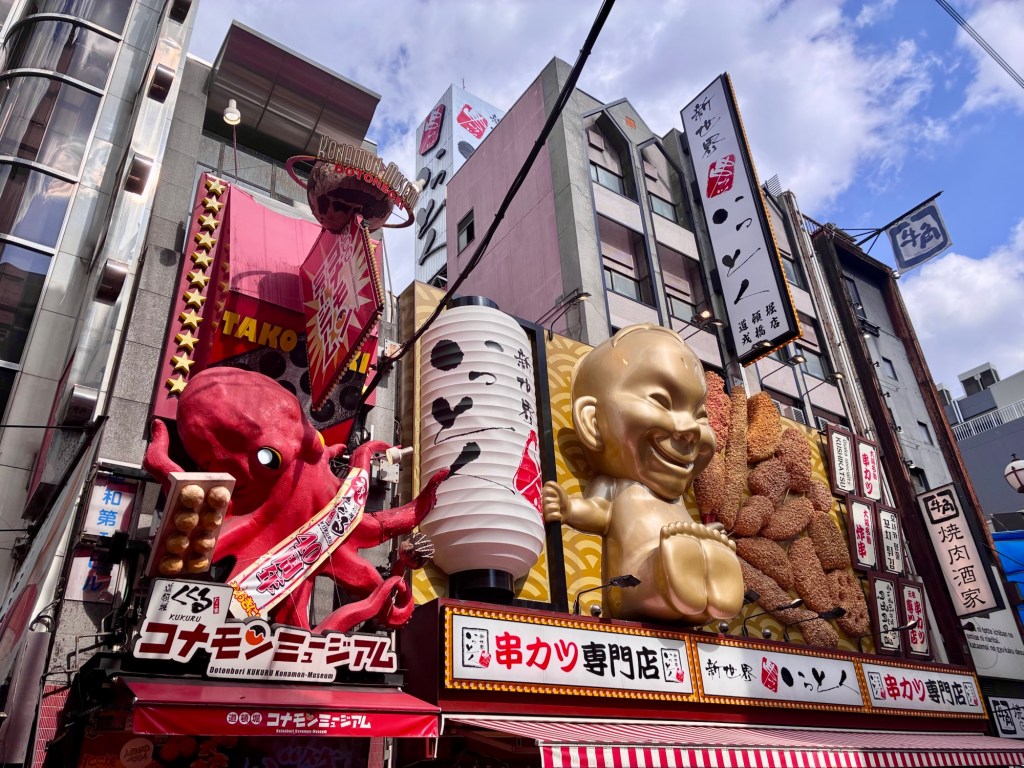
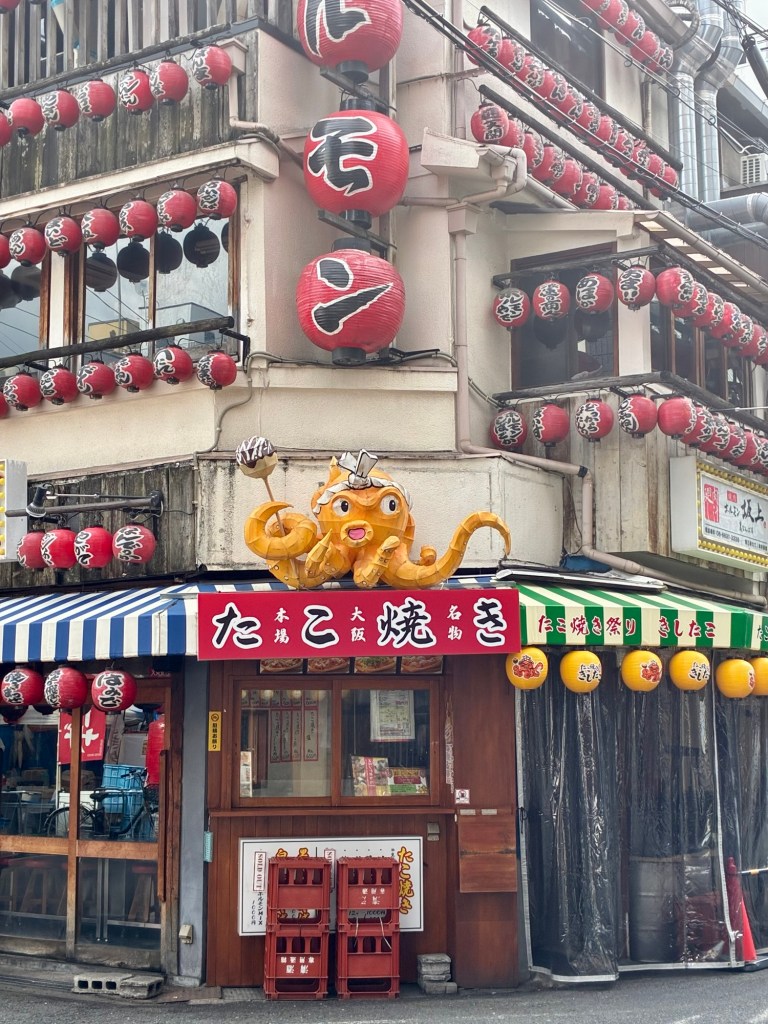
Our next destination was Koyasan. The train journey is via Osaka where we walked down Doutonbori street which is a a smorgasbord of neon and noise with a carnival atmosphere. I noticed at the train station locals were much more interested in engaging with us than in Kyoto, likely an indication that tourism is not overwhelming the city.

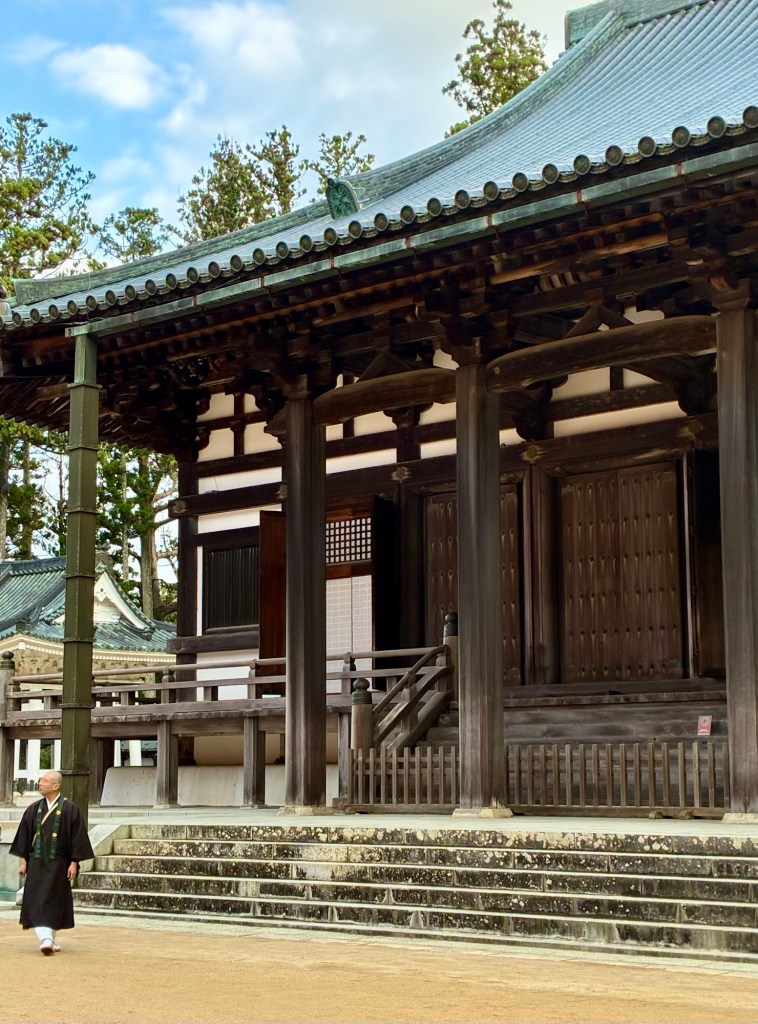
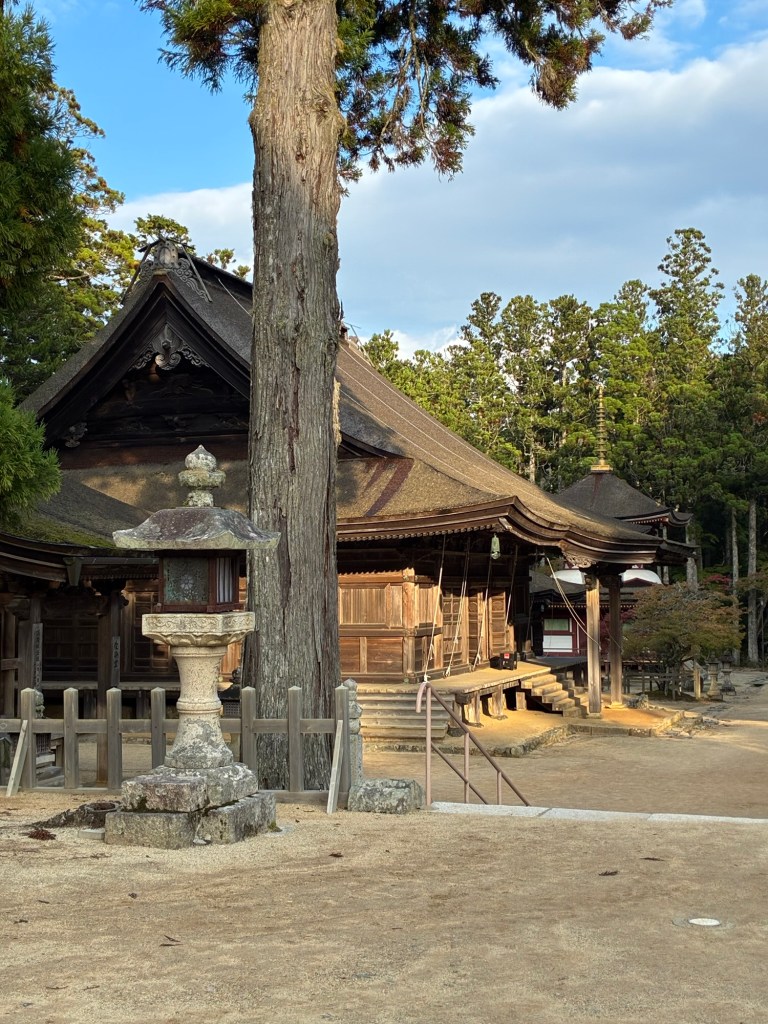
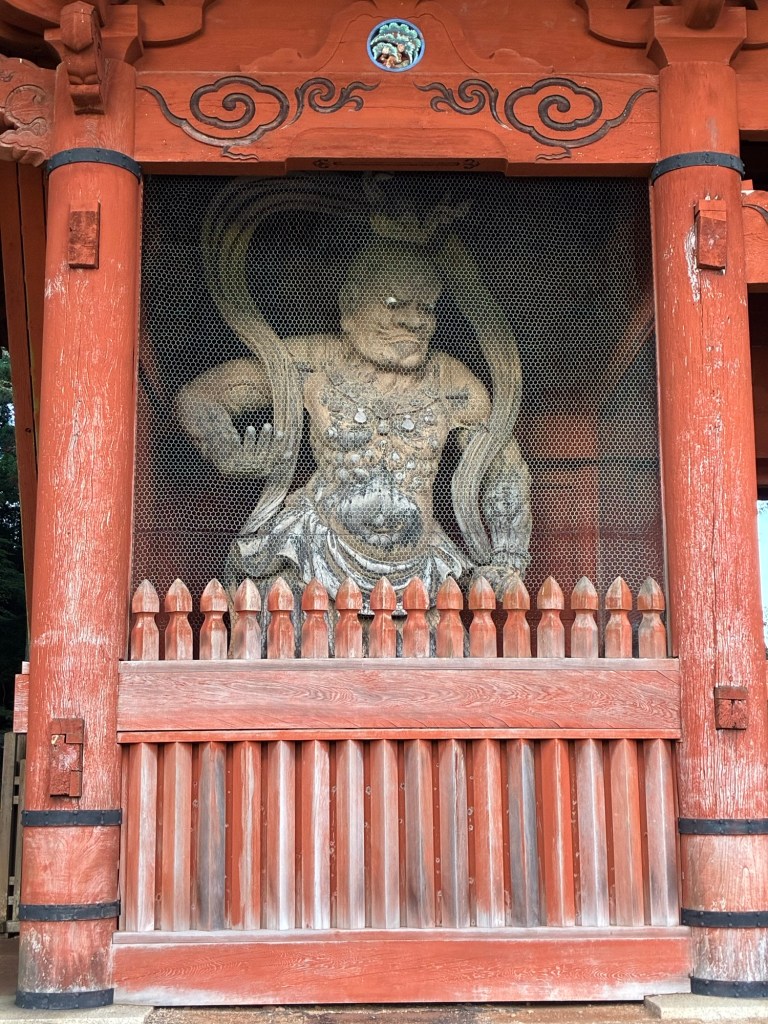
From Osaka we caught a train, a cable car and a bus for a slow ride into the mountains and the centre of Shingon Buddhism, first introduced to Japan in 805 by Kobo Daishi. The Koyasan area has a number of World Heritage Sites including the Garan temple complex.

I felt my nervous system relax immediately after the amusement park like atmosphere of Osaka. Koyasan is a very beautiful mountainous area with pilgrimage walks, monks singing in the early morning and not too many tourists. We stayed at the Saizen-in temple lodgings which was well located and comfortable and provided tasty vegetarian meals.

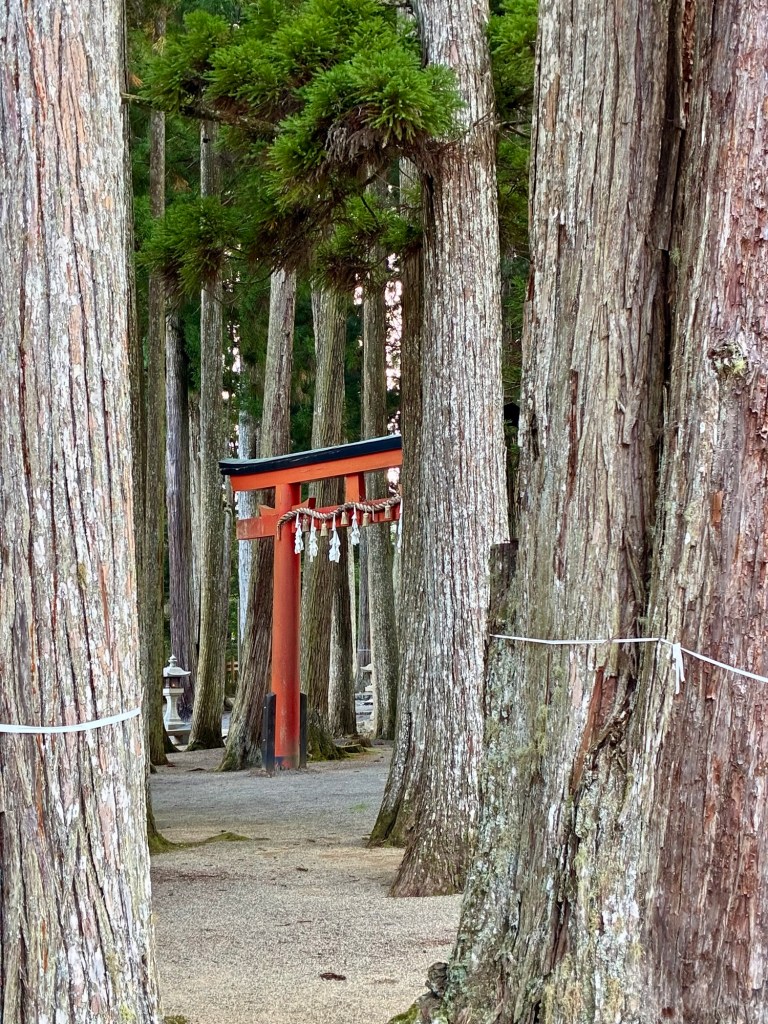
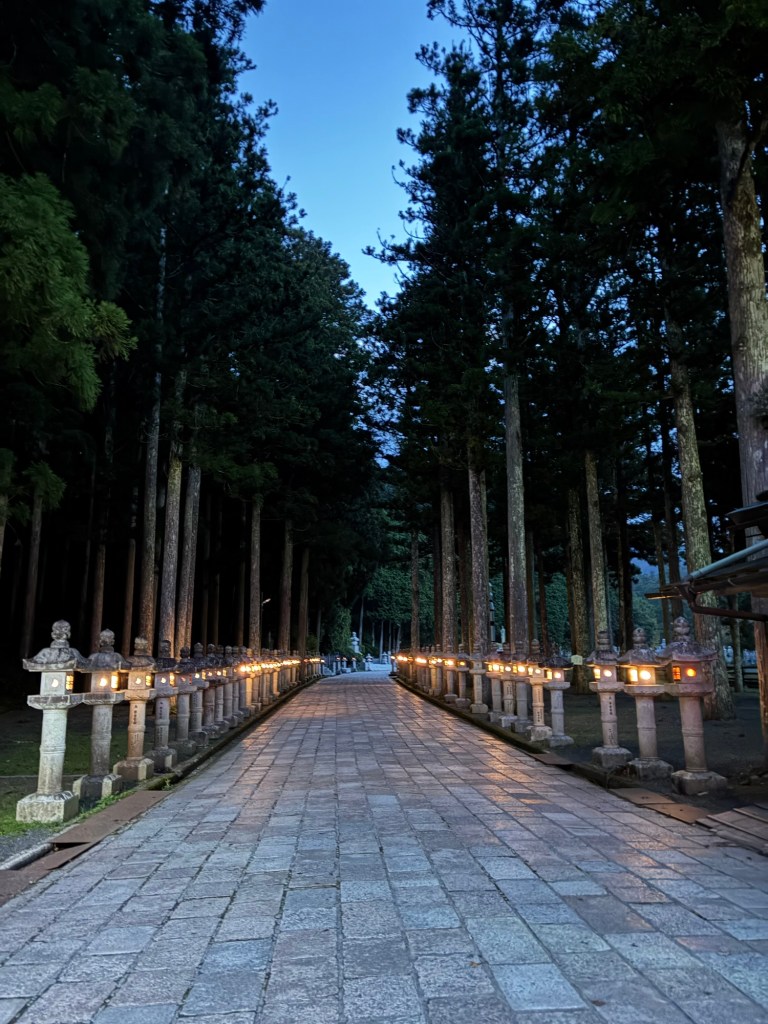
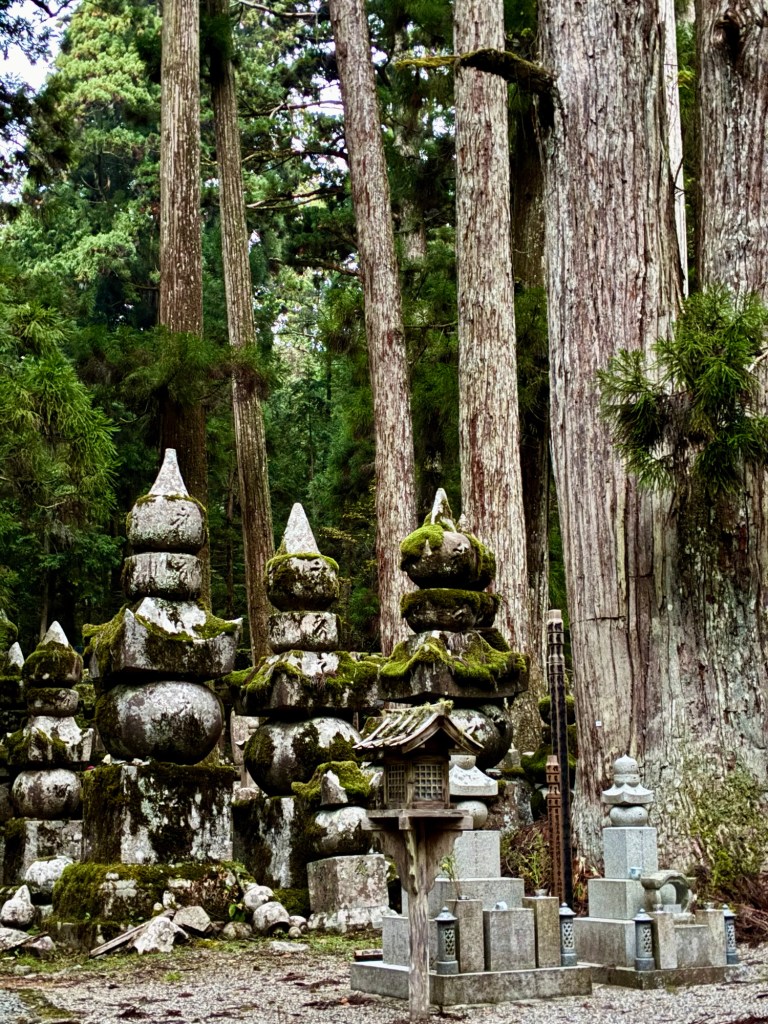
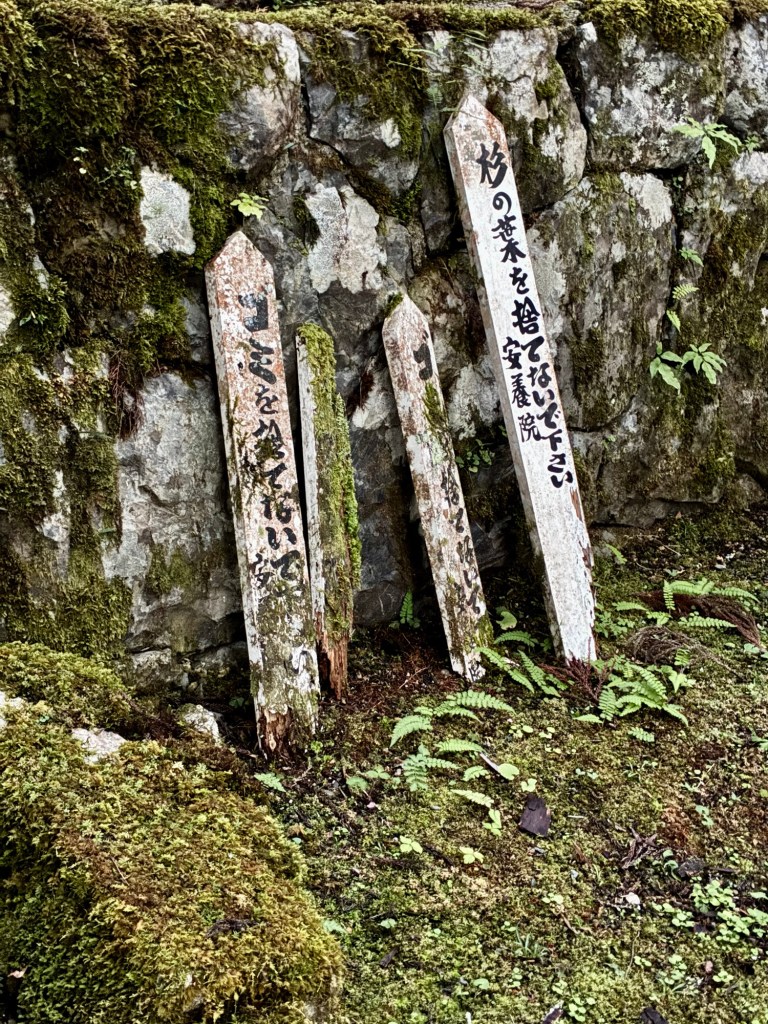
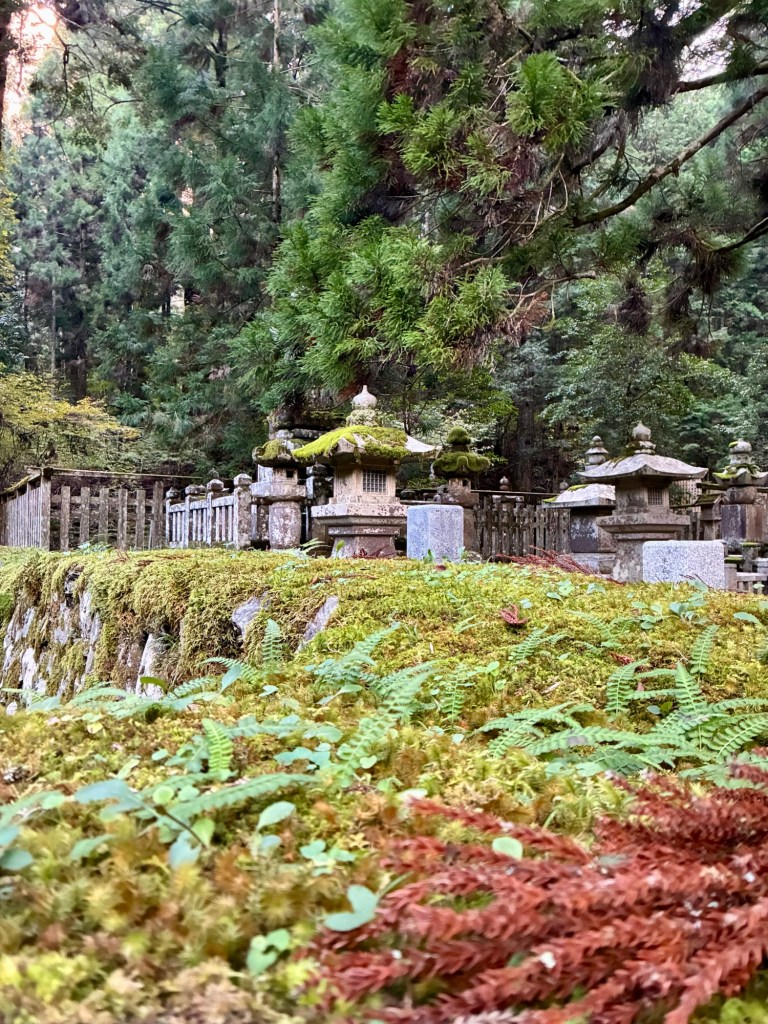
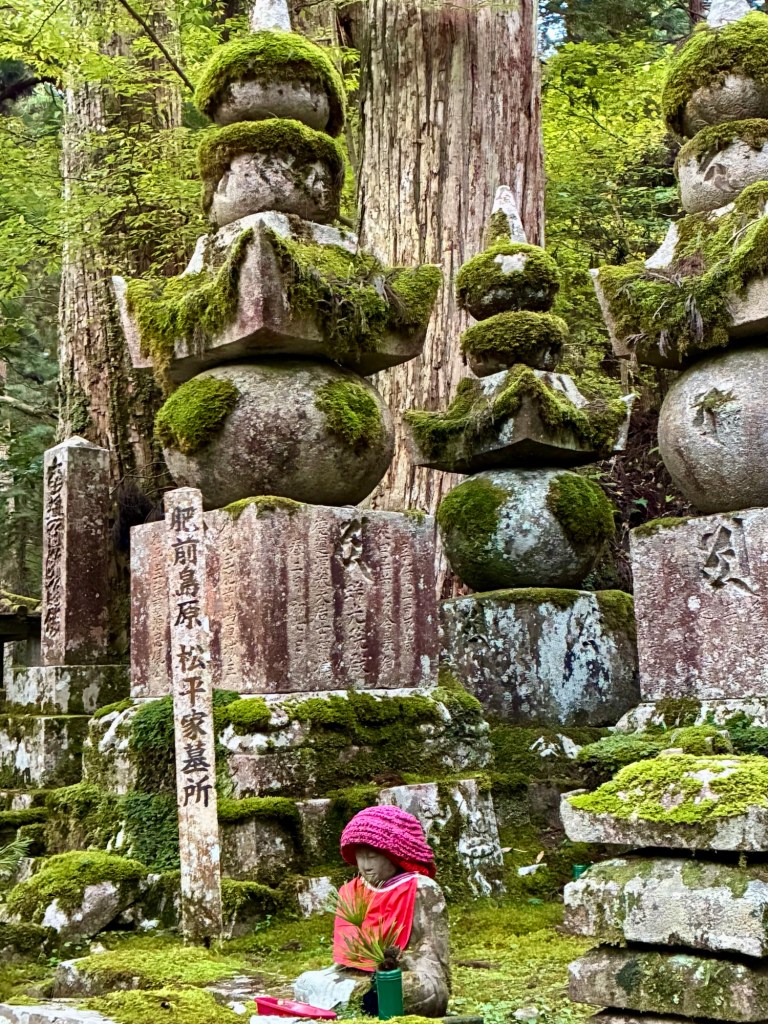
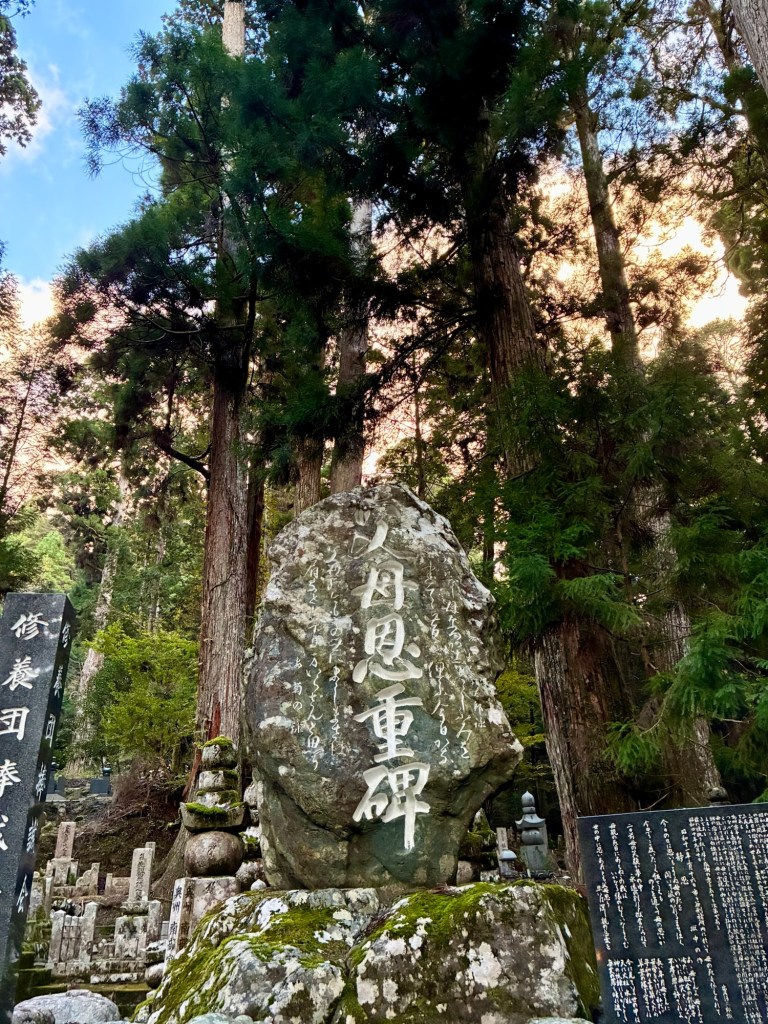
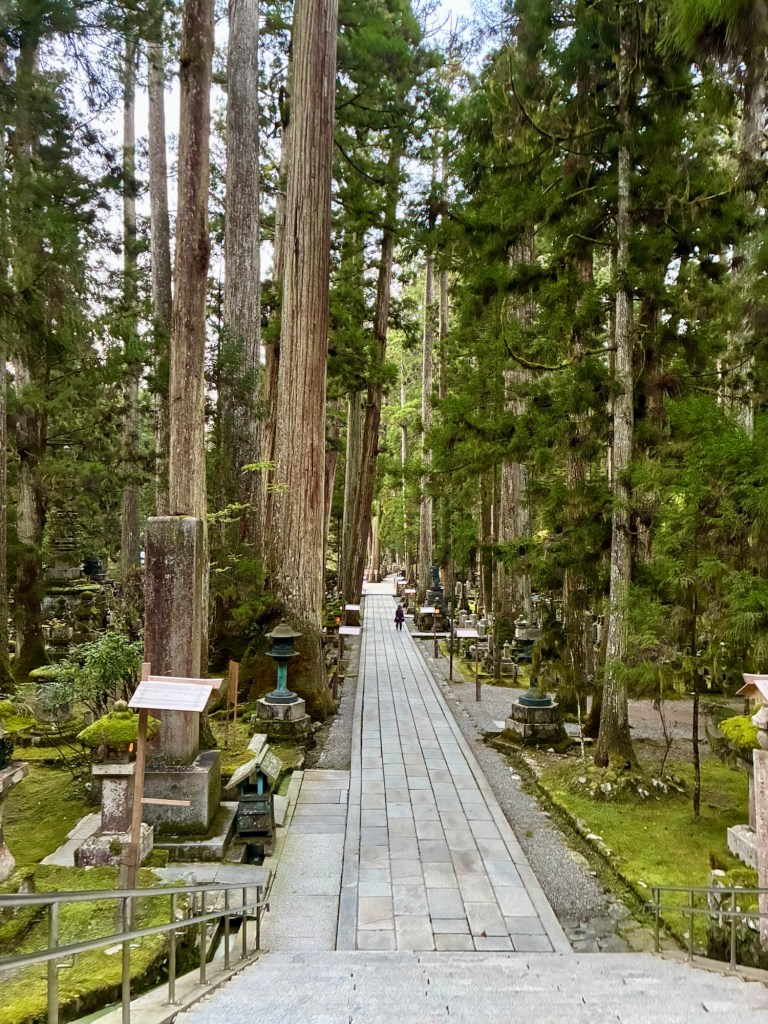
Koyasan is also home to Okunoin Cemetery established in 835 in a beautiful conifer forest. It’s worth getting up very early and arriving at the cemetary at first light when it has a special atmosphere.

I could easily have stayed in Koyasan for longer and would like to go back there one day, perhaps for a retreat and to do some of the pilgrimage walks.

HIROSHIMA

From Koyasan we transited to Hiroshima. Of the major cities we have visited, Hiroshima had the most relaxed feel and was not overrun by tourists in the way Kyoto is. You can smell the sea and there are multiple big rivers running through the city which is easy to get around on foot or via the tram, train or bus if you have a Suica card.

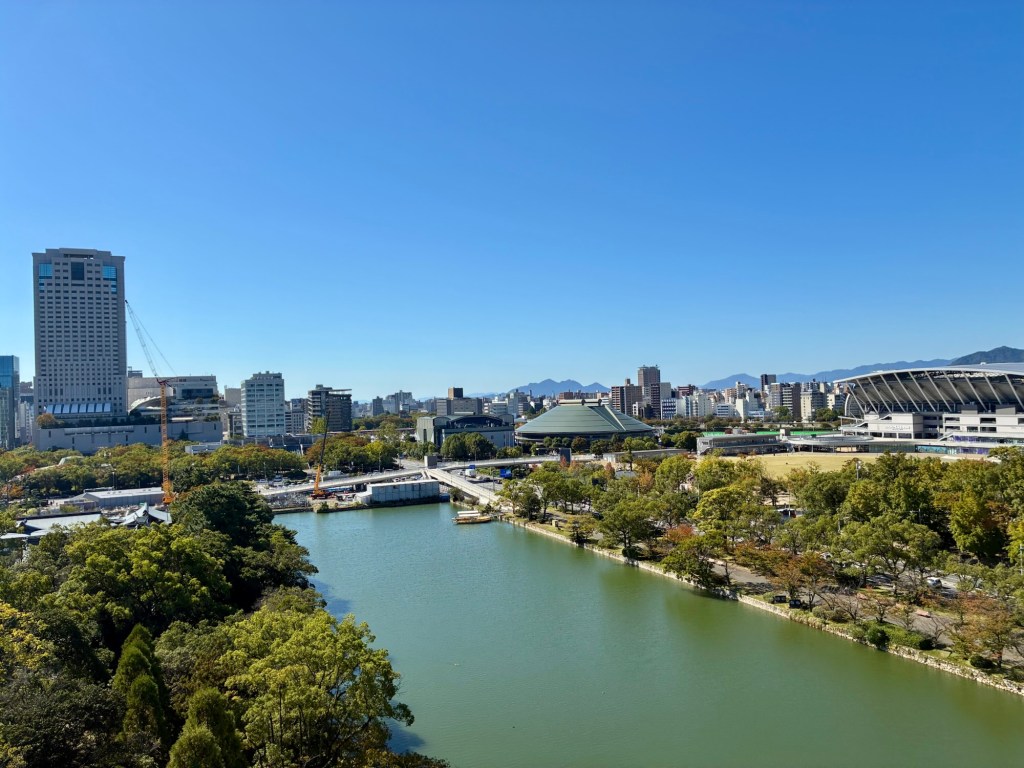
We visited the castle (reconstructed after the 1945 atomic bomb) which is five stories high and surrounded by a moat. The castle contains a museum about the history of the castle and the and has panoramic views of Hiroshima from the top. Walking through the grounds containing ruins provided the first sense of the 1945 atomic bomb destruction. There is a tree in the grounds that survived the nuclear bomb – a eucalyptus melliodora – mind blowing when you consider the destruction caused by that event.

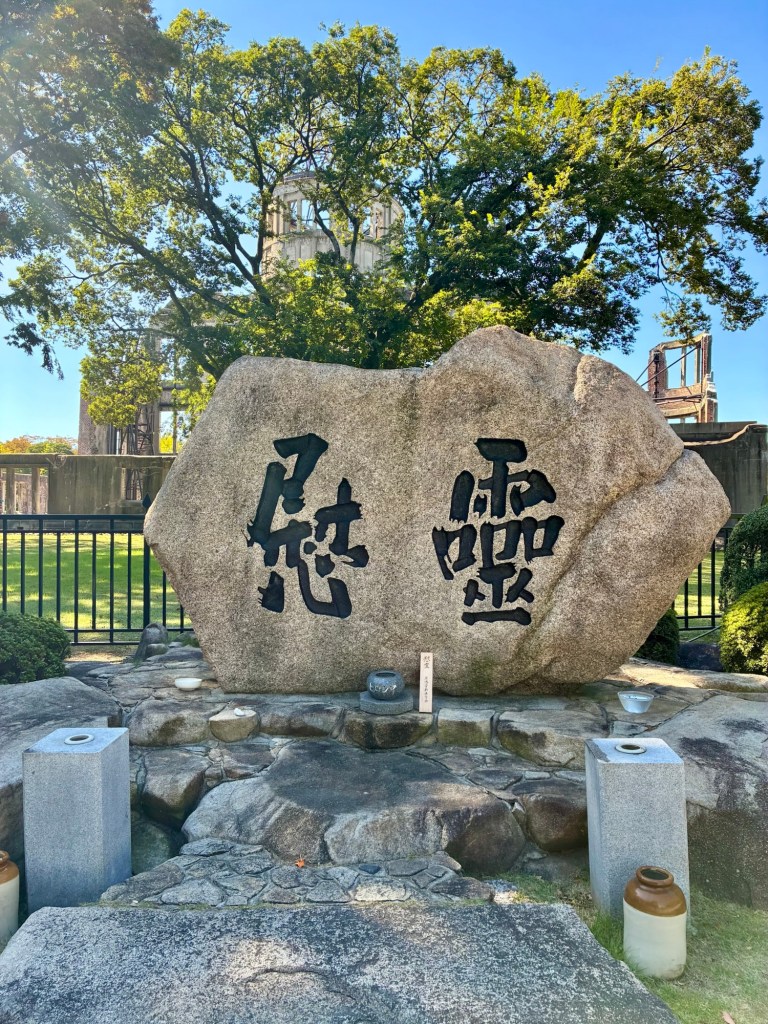
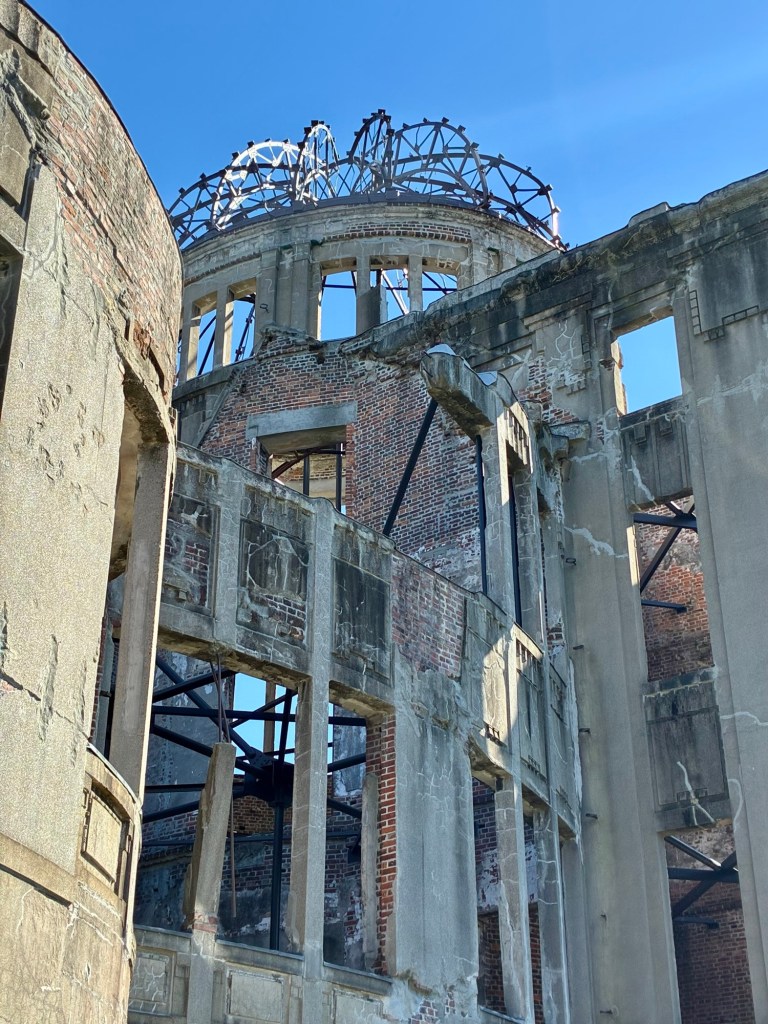
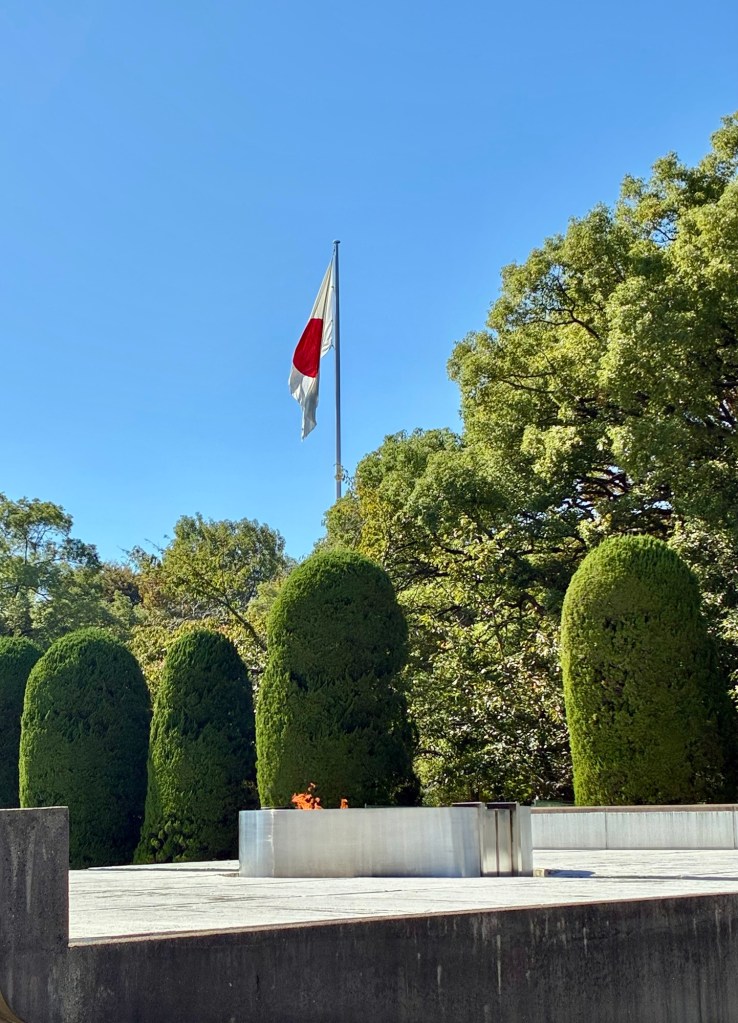
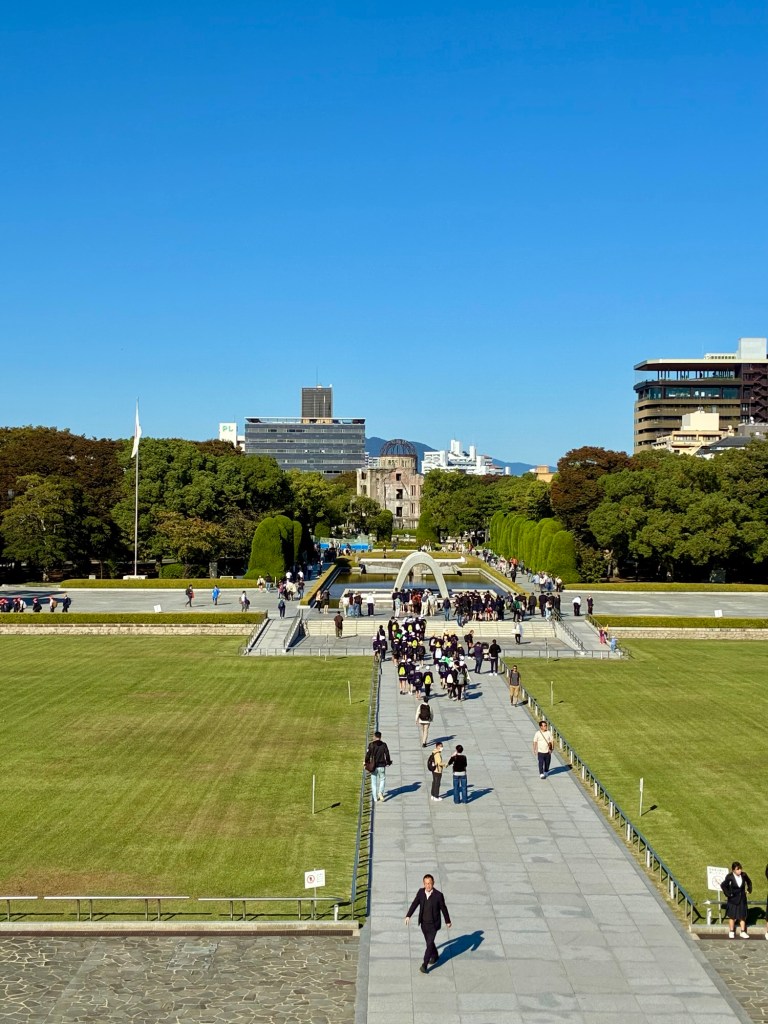
Within walking distance from the castle are the A-Bomb Dome (a building destroyed but left standing as a peace memorial), the Peace Memorial Park, and the Peace Museum. The remembrances to victims of the nuclear bomb dropped by the USA on 6 August 1945 were very moving and made even more so by the large number of school children visiting the sites. Groups of children sang to the Children’s Peace monument and surrounded us as we walked through the museum. To collect our thoughts and reflect on the Peace Museum we sought out the Social Book Cafe Hummingbird, a cafe established for people to gather, connect and discuss social issues. They serve nice herbal teas and sweets and are very welcoming and friendly.

SANDANKYO

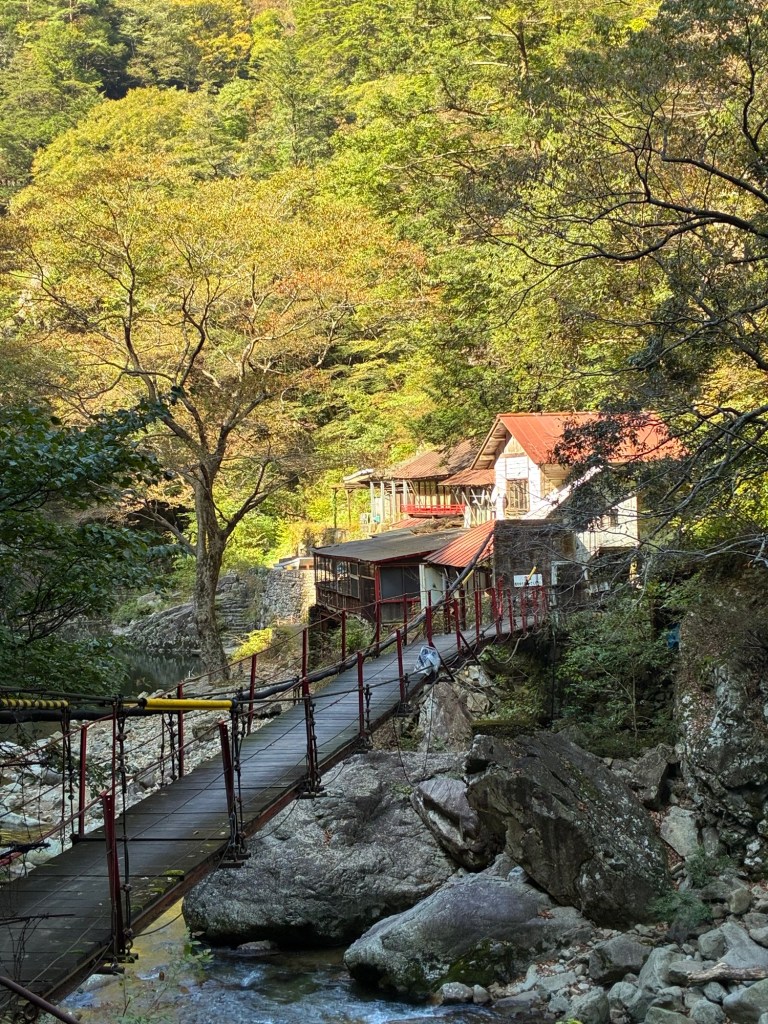
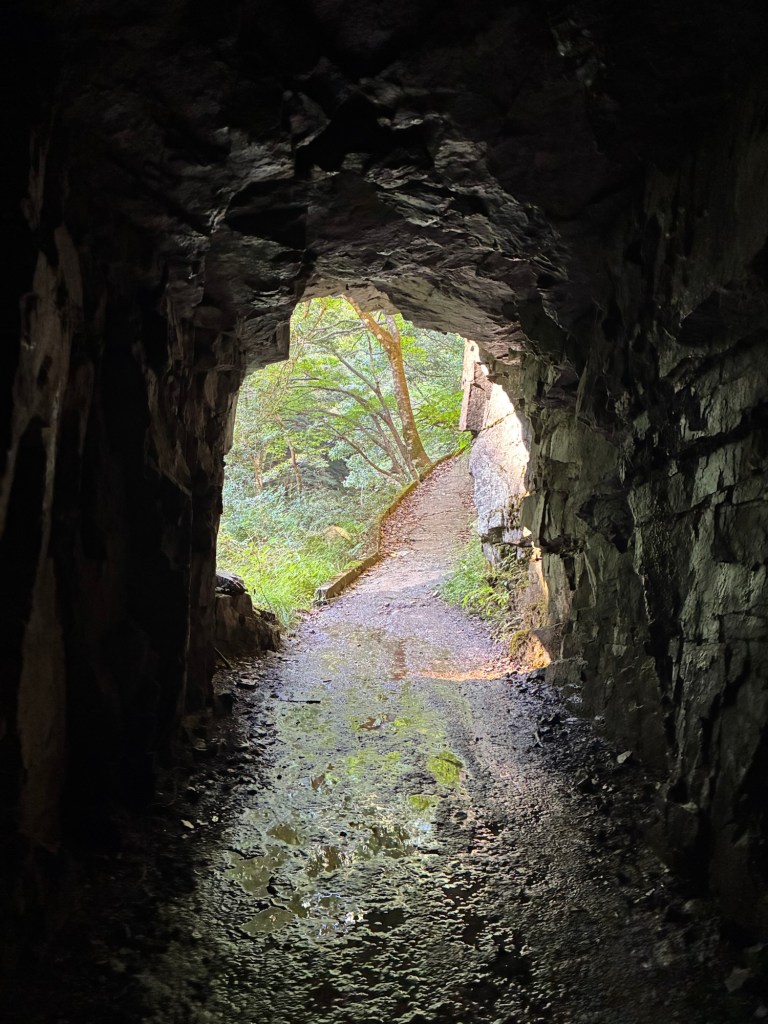
About an hour by bus from Hiroshima is Sandankyo. The town is small and has a very remote feel (think north west Tasmania), and is the gateway to Sandankyo Gorge. The gorge runs 16 kilometers along the Shibaki River through thick cedar forests, jade coloured pools, steep moss covered cliffs and waterfalls, and is part of the Nishi-Chugoku Sanchi Quasi-National Park. A walking track hugs the gorge and we followed it about 8.5 km to Sandandaki Falls, a three tiered, 130m waterfall. We had perfect weather conditions for walking and finished the day with tired legs but full bellies after a beautiful meal proved by a couple of the local ladies at the Kawamoto Ryokan where we stayed. It was convenient, basic and comfortable.

Tip: if you go to Sandankyo make sure you check the bus routes and timetables as they can change and it’s not a place you want to get stuck without a place to stay.

MIYAJIMA

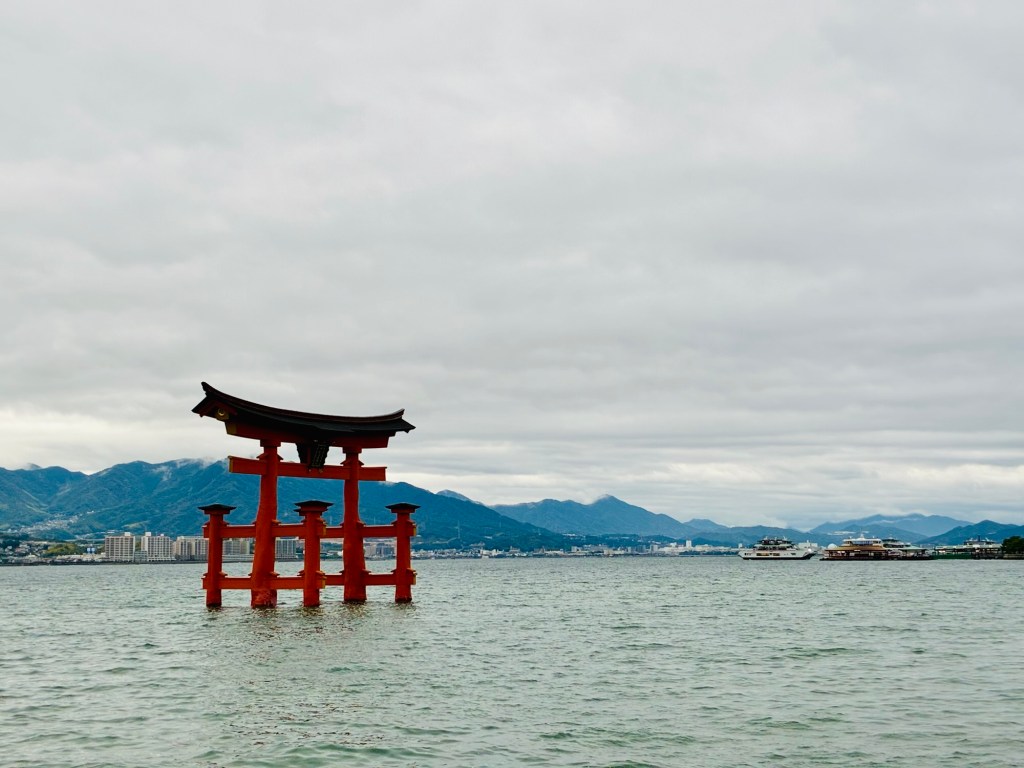
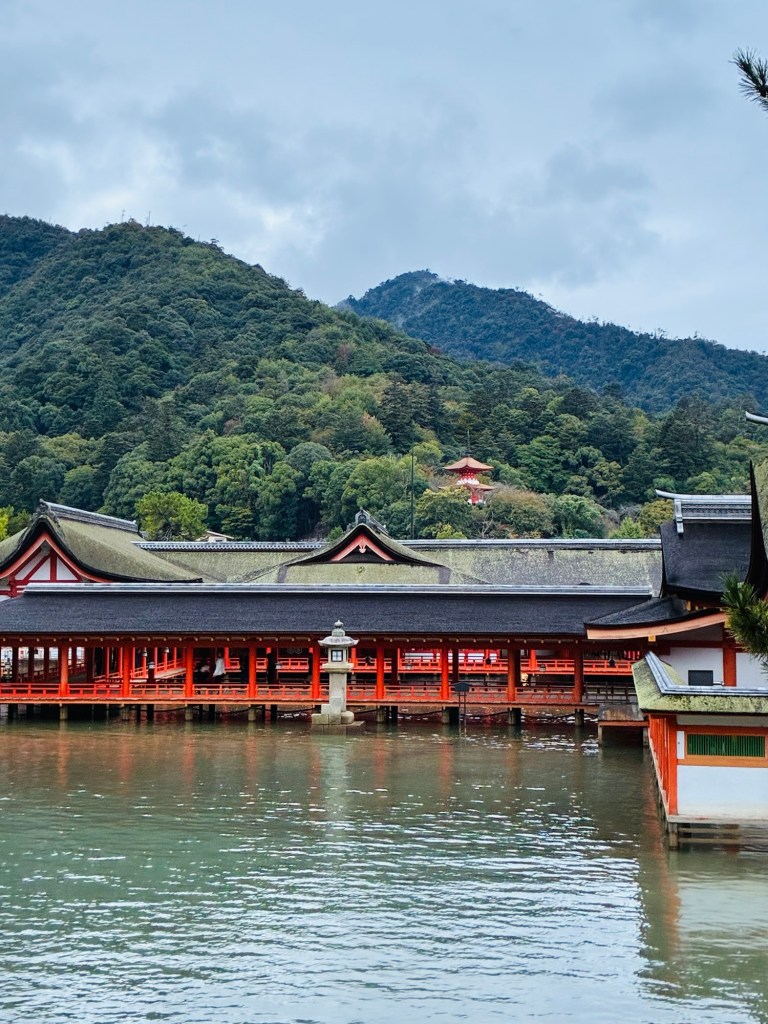
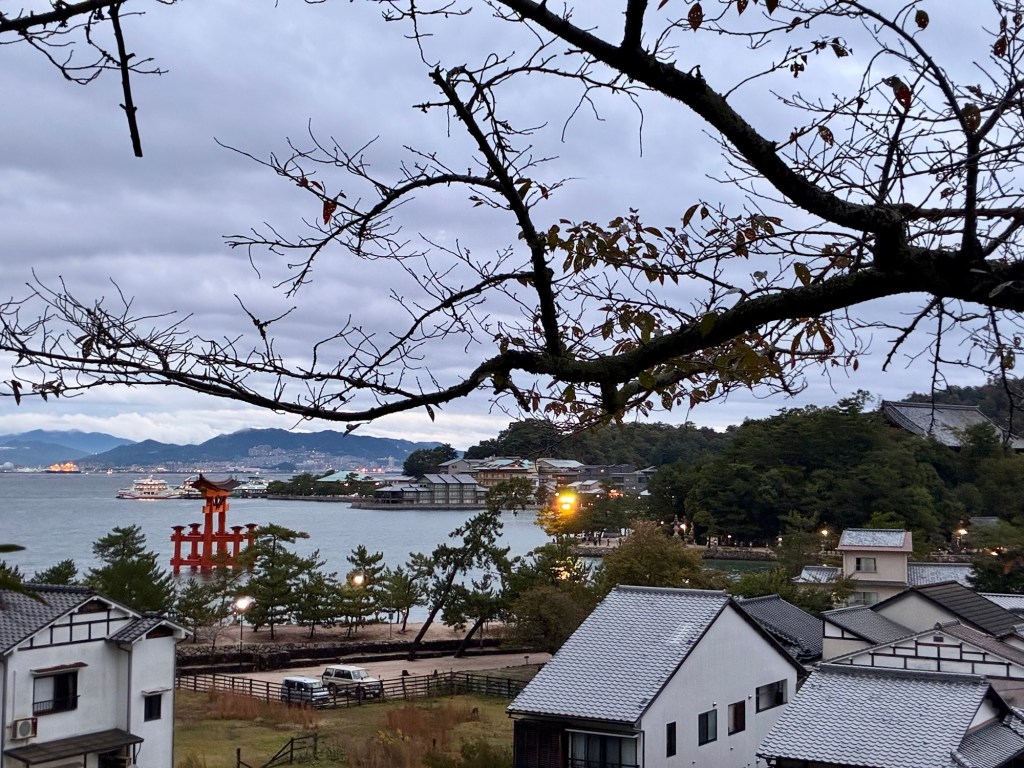
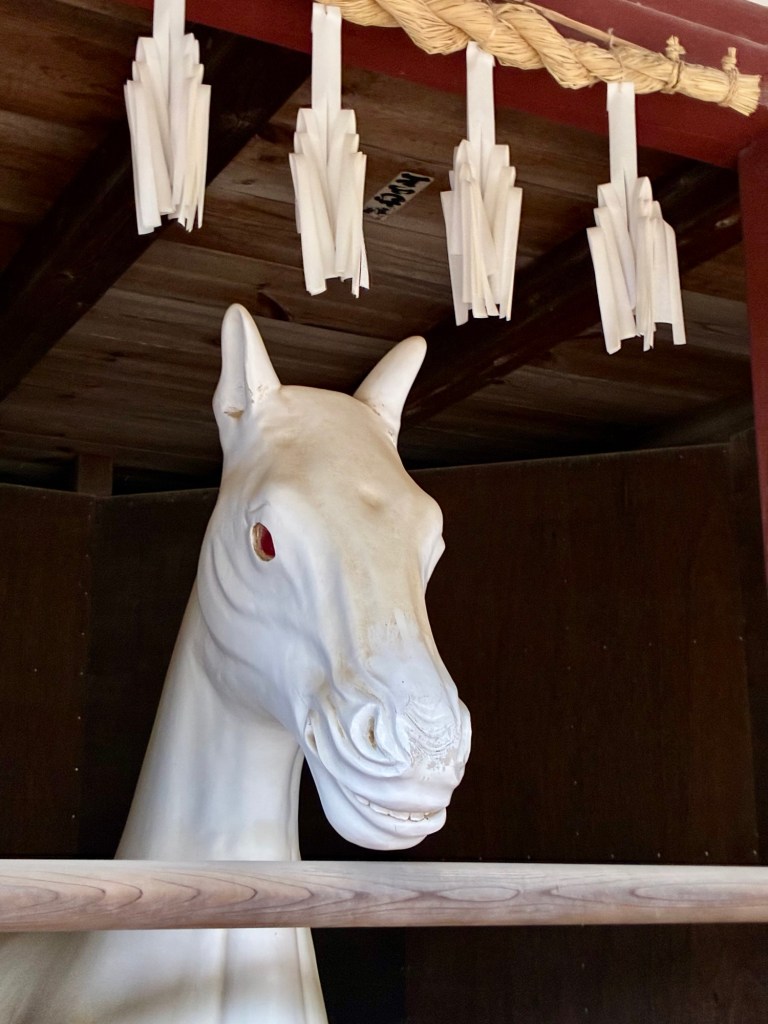
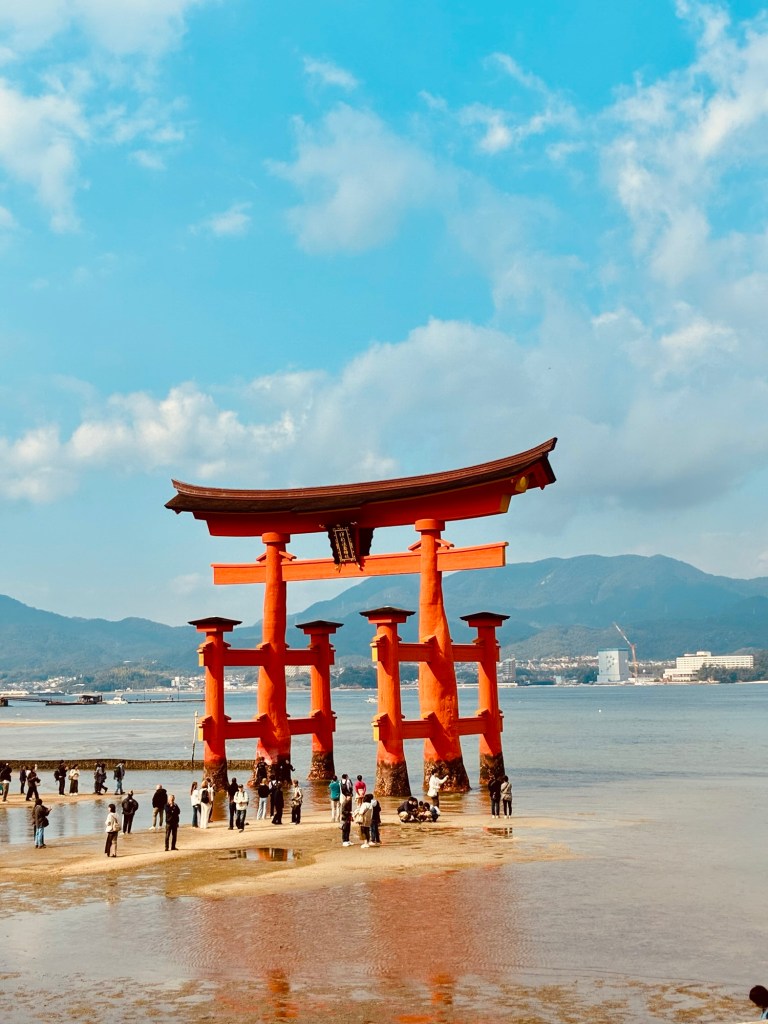
We woke up to rain at Sandankyo and hopped on a bus – train – ferry to Miyajima (Itsukushima). Miyajima is a popular tourist island not far from Hiroshima with the well known Itsukushima Shrine built over the water with a massive orange torii gate in front. It is said that the Shrine was built on the coast because the entire island is a deity to revere. Historically it was taboo to die or give birth on the island and there are still no cemeteries or hospitals as it is believed they would damage the islands purity.

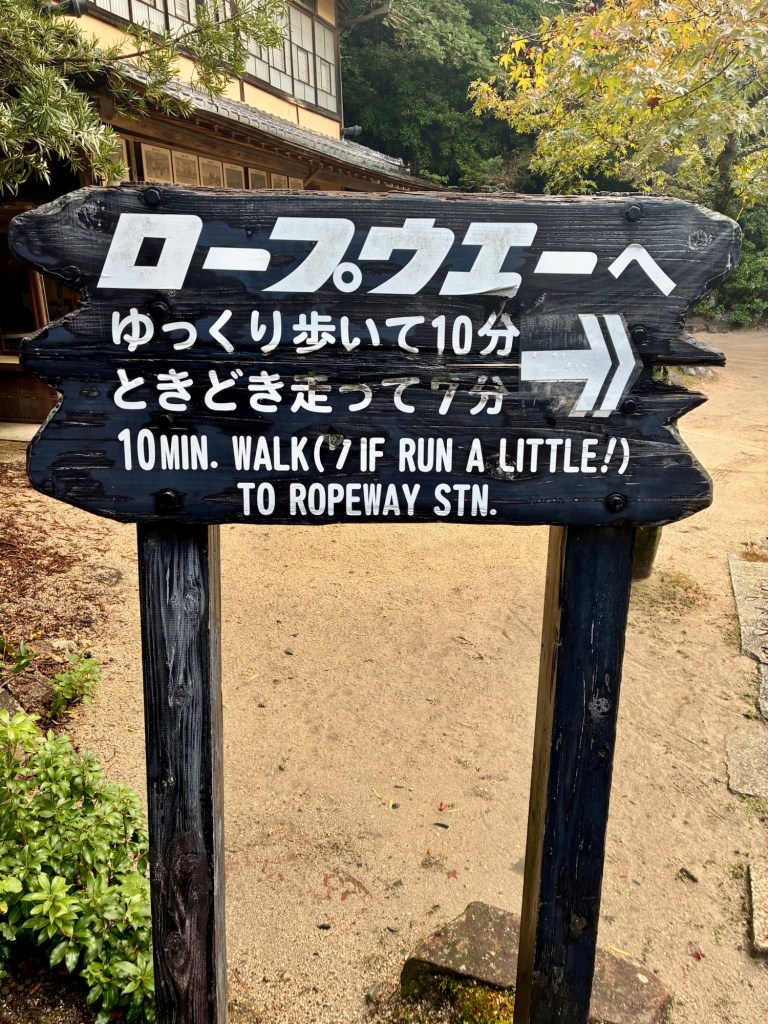
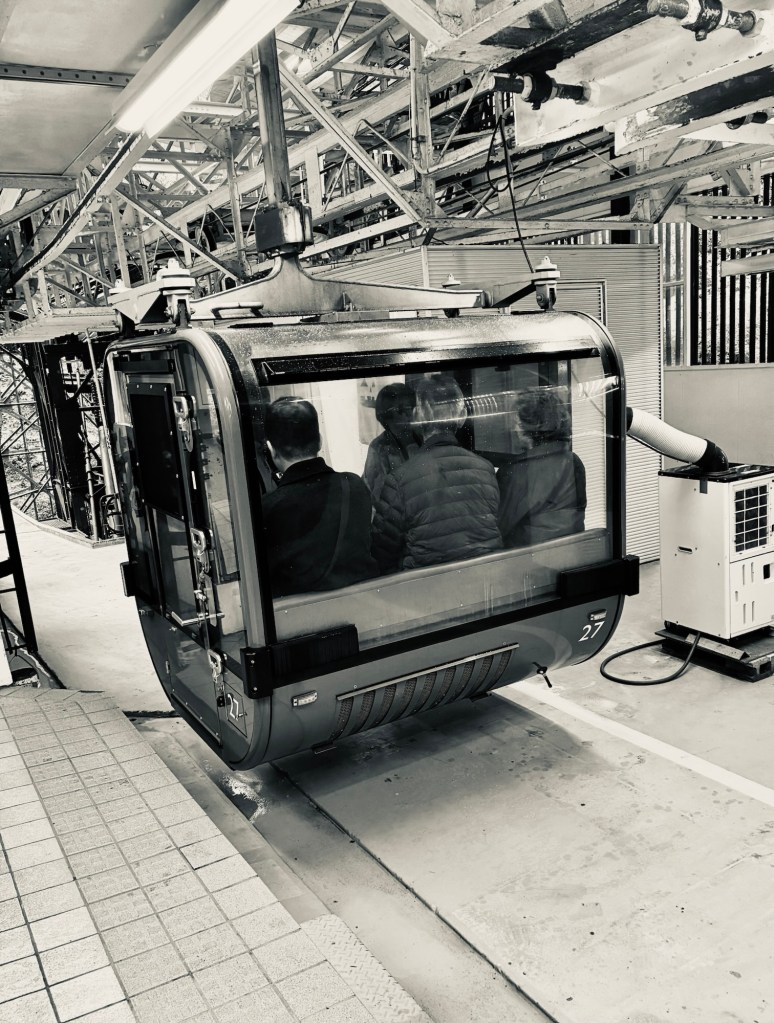
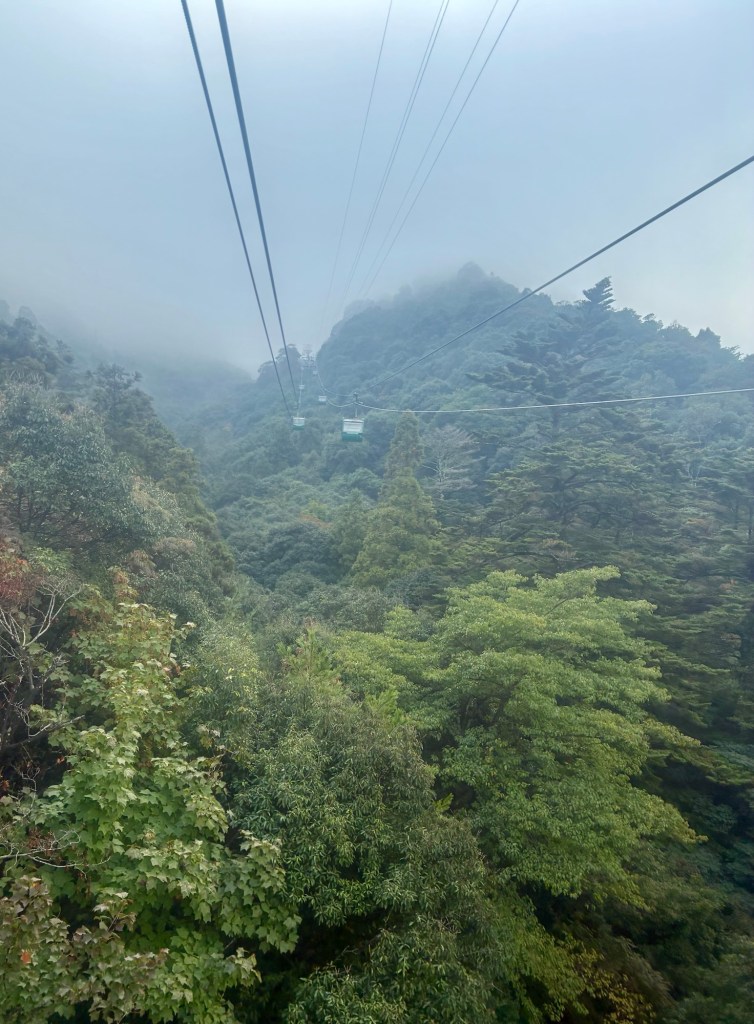
Walking the streets alongside the wild deer after most of the tourists have left is beautiful and it’s worth staying the night to avoid the crowds. In the morning we took the ropeway cable car to the top of Mount Misen which has a fantastic view, though there was low cloud when we went so we couldn’t see much, the ropeway is a great experience in itself though. We stayed at Mizuha-so near the aquarium, which I would happily recommend.

Tip: Miyajima gets loads of tourist traffic. The best times to be there are late afternoon and early morning, so if you’re thinking of going it’s worth staying overnight to dodge the worst of the crowds.

Tokyo to Kyoto and the Nakasendo Trail

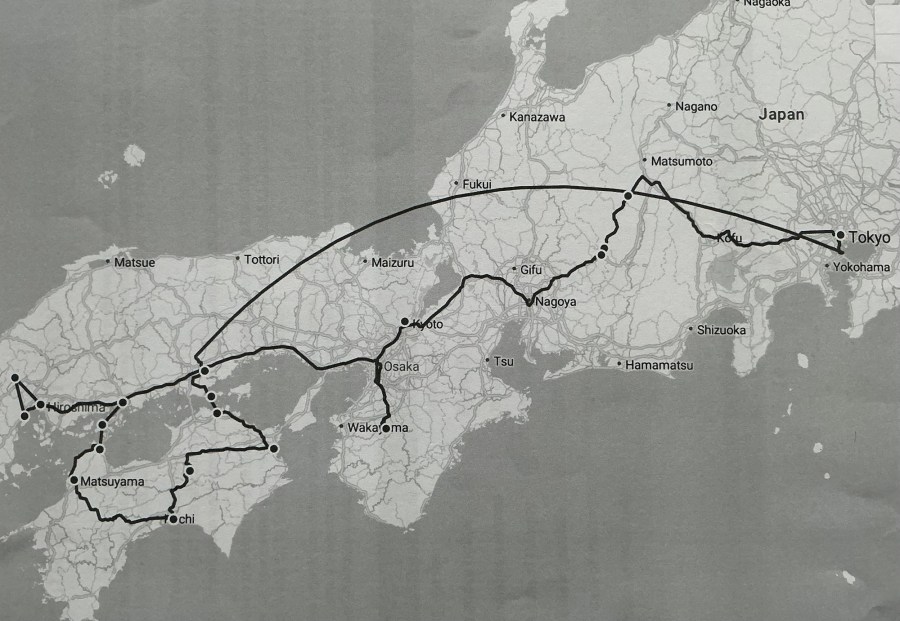
My Japan trip with two long term friends is a logistical extravaganza with 20 stops in 36 days using every means of transport available. Our first week was made up of several days in Tokyo then a night in Narai-juka before walking part of the Nakasendo postal route then heading to Kyoto for a few days. What follows are the moments that stuck with me. I have also added a book review at the end

TOKYO

We had a soft landing in Tokyo. It was a Saturday night yet the airport felt empty and we glided through customs and onto a Shinkansen (bullet rain) to Tokyo with Japanese efficiency. The train systems are a labyrinth of efficiency, logically organised if you can understand the colour coded system and extraordinary feats of engineering. Getting lost in subways is standard for tourists (and some locals) and we did spend sometime wandering the underground in Tokyo and Kyoto until we got our bearings.

Tips: download the Suica app before you leave and load some funds on it for easy train ticketing, to book on Shinkansen and the Narita AirPort Express. You can also use it in some convenience stores. Download google maps – it uses the subway colour coding and is invaluable to find the right subway entries and train connections, and always allow time to find your platform – it can take a while. Try and avoid catching trains at peak hour as they can be extremely crowded and stuffy (one of my friends actually fainted).

We visited Oedo Antique Market overflowing with treasures including ornaments, tea ceremony bowls, kimonos, clothing made from beautiful hand sewn silks, indigo dyed denim and assorted nick-nacks. The Japanese are generally quite reserved so I was surprised when an elderly lady stopped us and wanted to chat about what we had purchased and show us her items, but I had a sense she was lonely and saw us as a safe way to connect.

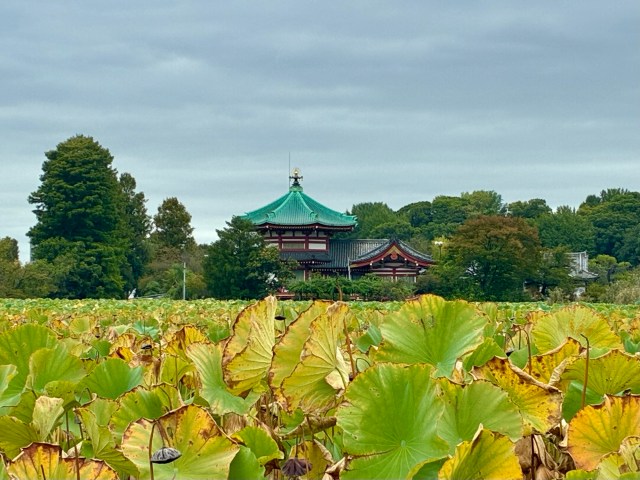
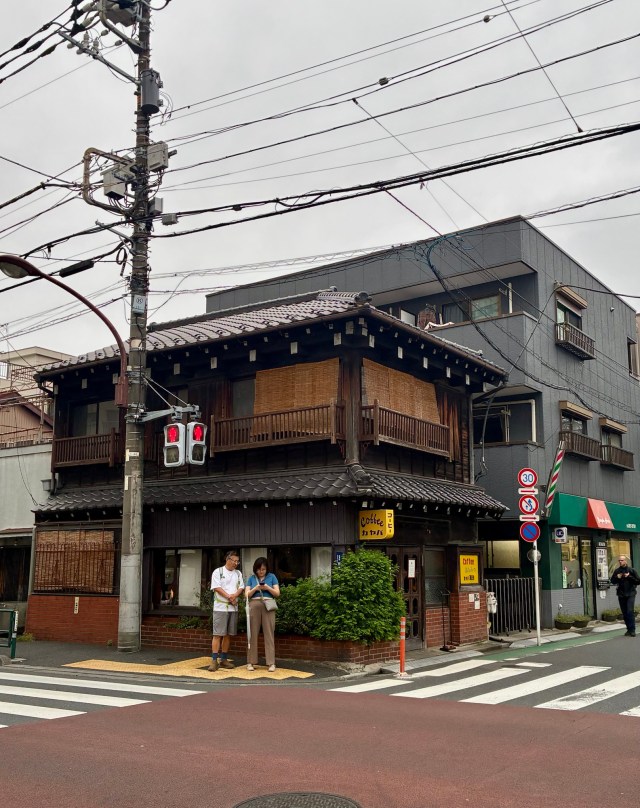
Later that day we walked around Ueno Park which had a lovely community feel with musicians and young creatives selling their wares, a massive lotus pond, the Kaneiji Temple and several museums. Then we wandered around the old neighbourhood of Yanaka, one of the few areas still containing traditional buildings as it was spared from bombing during WWII.

We stayed in the quiet residential neighbourhood of Arakawa at TokyoNEST Nippori hotel near the train station, and conveniently across the road from the Saito onsen, a public bath. At the end of a long day’s walking we crossed for a soak. The bath was fabulous but we did experience our first real cross cultural challenges. Understanding the towel vending machine was confusing, we didn’t have enough coins for the lockers (a kind old lady lent us one) and I had to be shown how to make the hairdryer work. Luckily the local ladies were extremely gracious with us clumsy foreigners though I am pretty sure there was an undisclosed inner dialogue behind those polite facades.

Tips: the public baths are generally tattoo friendly, while many private ones are not. Arrive with a good handful of 100 yen coins to hire towels and use lockers and hairdryers.

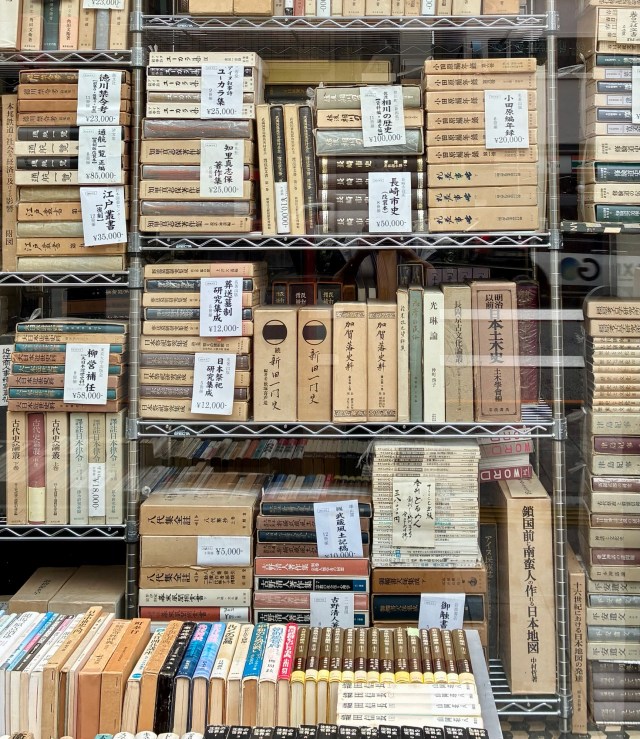
Other Tokyo highlights included Jumbocho book town and the cherry blossom tree lined Meguro river in Nakameguro, the centre of cool and Japanese hipsters where we had lunch at a funky Thai restaurant called Krung Siam. This area also has a large Sky Garden – a massive colosseum type structure with vines growing up the outside and an entire garden in the roof overlooking the city. It’s a great spot to escape for a quiet moment. A short train ride will take you to the poetic Rikugien garden in Nagaracho which is lovely to walk around too.

Tip: If you are there during spring cherry blossoms or autumn foliage time, the Rikugien gardens are lit up and kept open until 9 p.m

KISO VALLEY

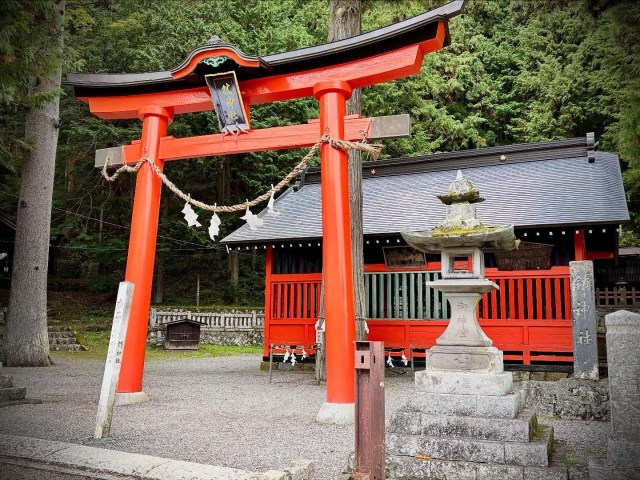
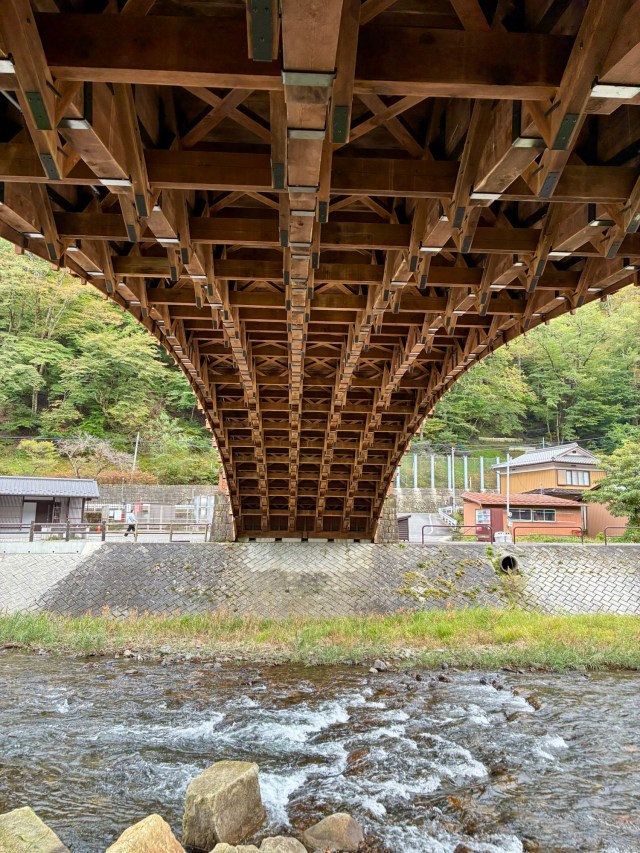
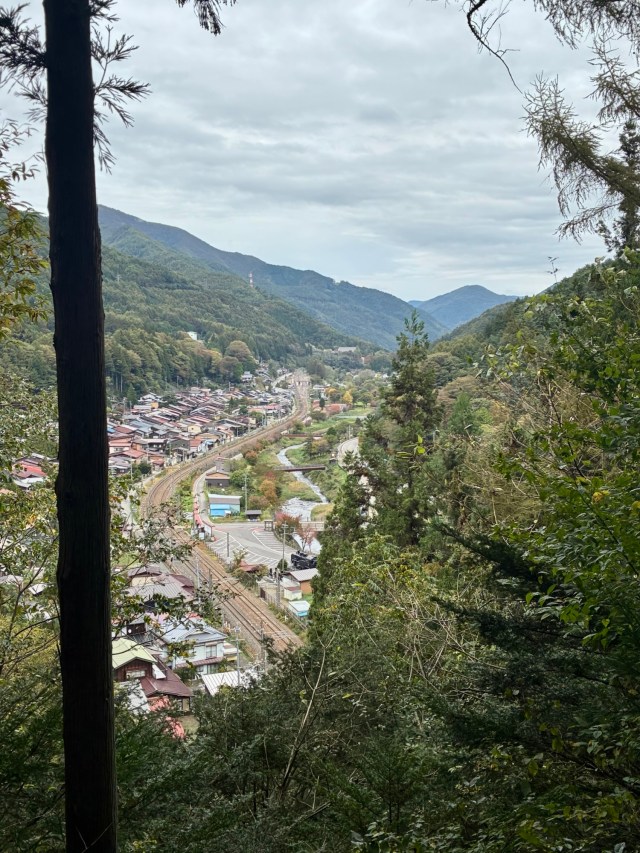
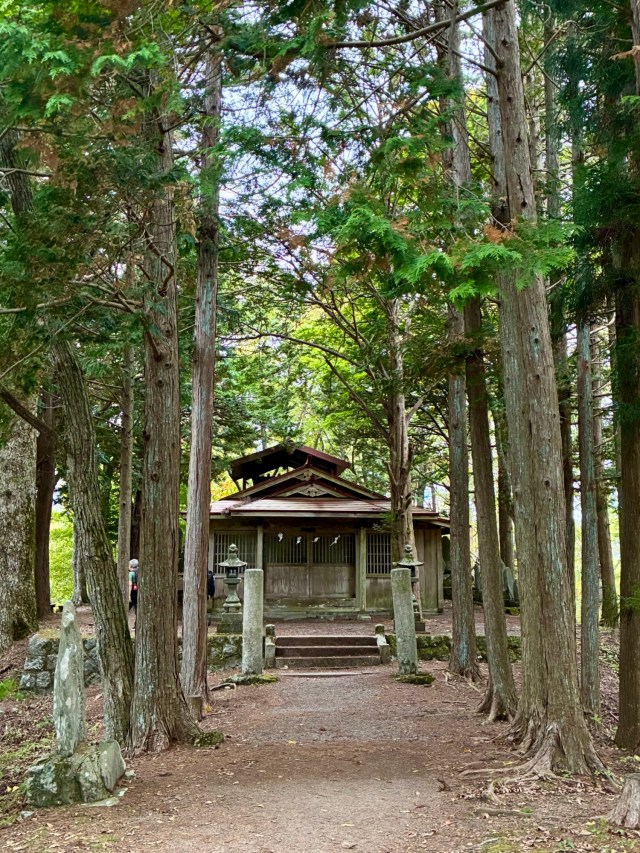
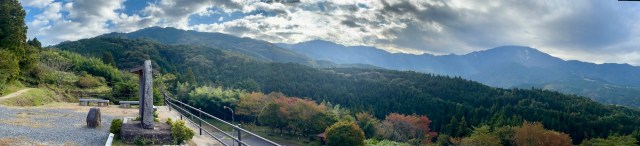
We made our way via three trains to Narai-juka past narrow pointy mountain peaks covered in dense green jungle pushing up from the earth to reach into the clouds. We passed valleys dotted with villages and cemeteries and farmlets growing vegetables, the outbuildings being consumed by the forest. Narai-juka is a beautifully preserved post town on the old walking route that connected Edo (modern-day Tokyo) with Kyoto during the Edo period (1600 – 1868). The trail is 540 km long and has post towns dotted along the way for travelers to rest and recover. Walking around Narai to check out the historical buildings, shrines, and a beautiful wooden bridge was around 7km all up.

We planned to walk a couple of sections of the trail from Narai to Yabuhara Station over the Torii Pass, then from Nagiso to Tsumago and Magome. Most people walk south to north, we did the opposite and set out early. This meant we did not get caught up with other walkers much and mainly encountered them toward the end of each day – most importantly going in the opposite direction so we didn’t get stuck with the constant chatter of other walkers.

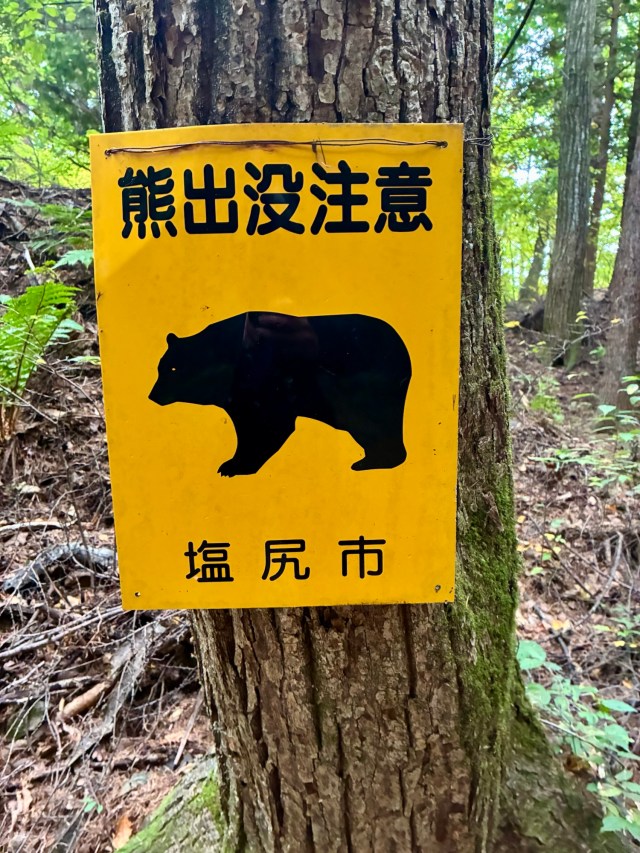
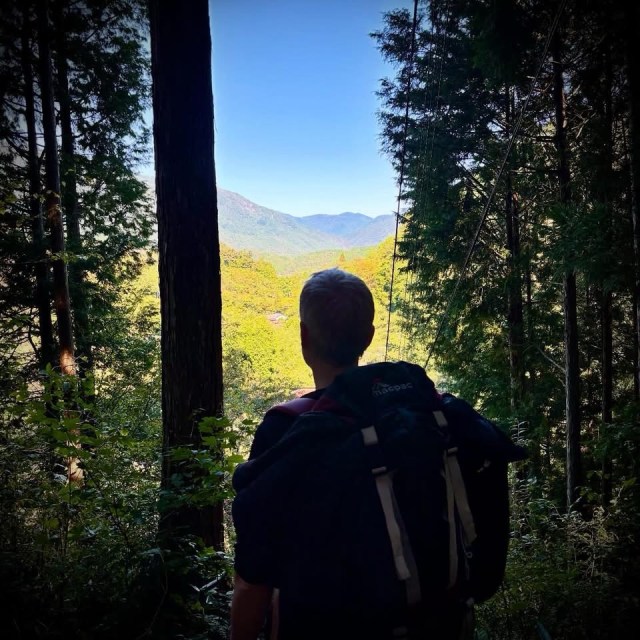
In Narai-juka we stayed at the Iya Kankou Ryokan situated in a 200 year old building with an internal garden where we had delicious traditional Japanese meals. We headed out early on the Torii Pass which has and some magnificent views and we caught the first signs of autumn colours (no bears). This part of the walk is only about 7km but it’s an uphill and downhill and took about 3 hours.

From Yabuhara we caught a train to Nagiso and had lunch at Cocono Cafe. It was run by very elderly women and had a vibe of Japan fused with an English tea house. I can recommend the soba and yam soup, a local specialty. After lunch we walked on to our next stopover just past Tsumago along narrow winding roads through old villages. Our total walk that day was around 15km.

Tip: if staying around Tsumago order dinner and breakfast with your accommodation as other options are limited.

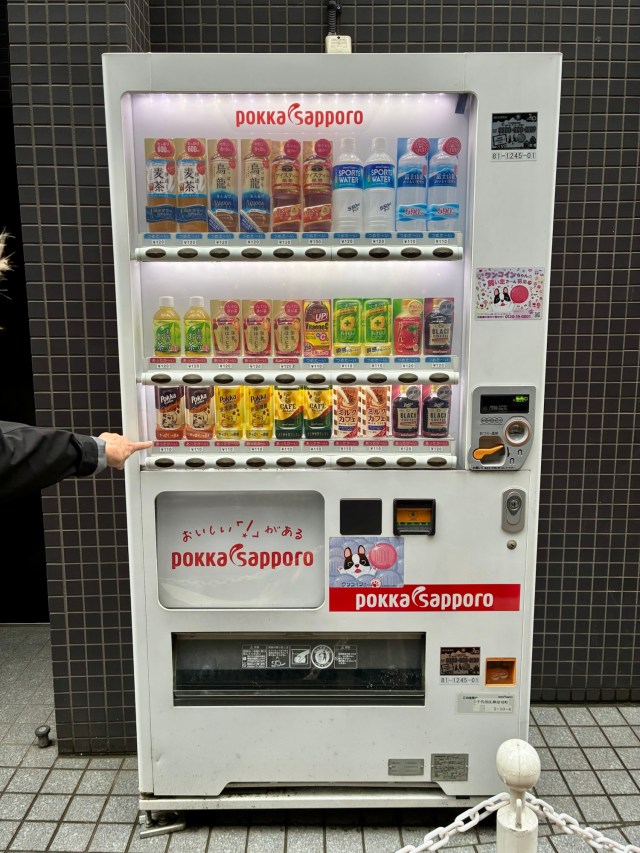
The next morning we ended up having a hamburger from a vending machine heated in a microwave for breakfast which was surprisingly palatable and fortifying. On vending machines – they are everywhere. Particularly good to get a coffee – hot or cold.

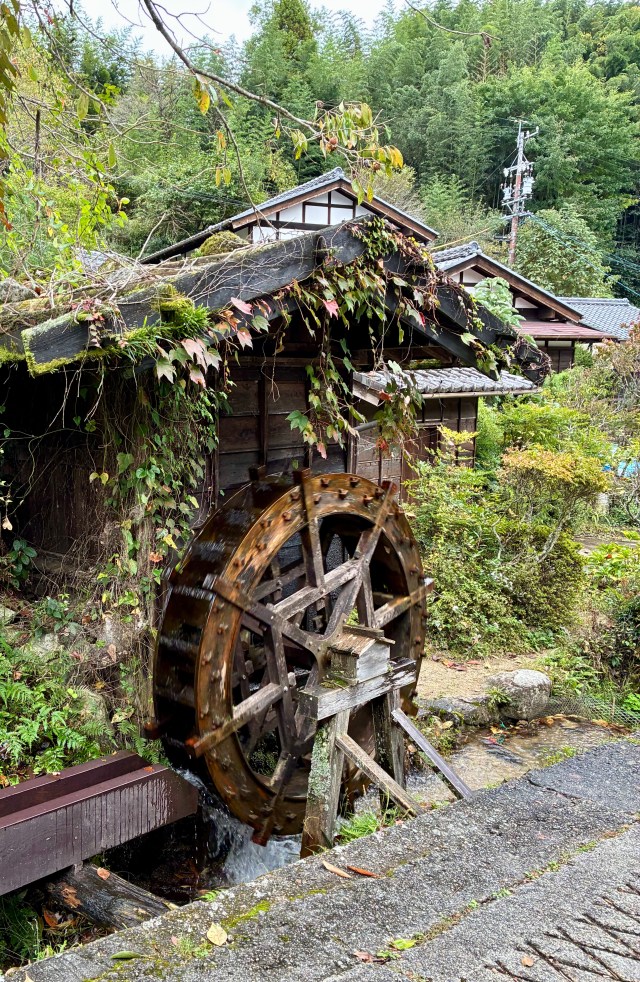
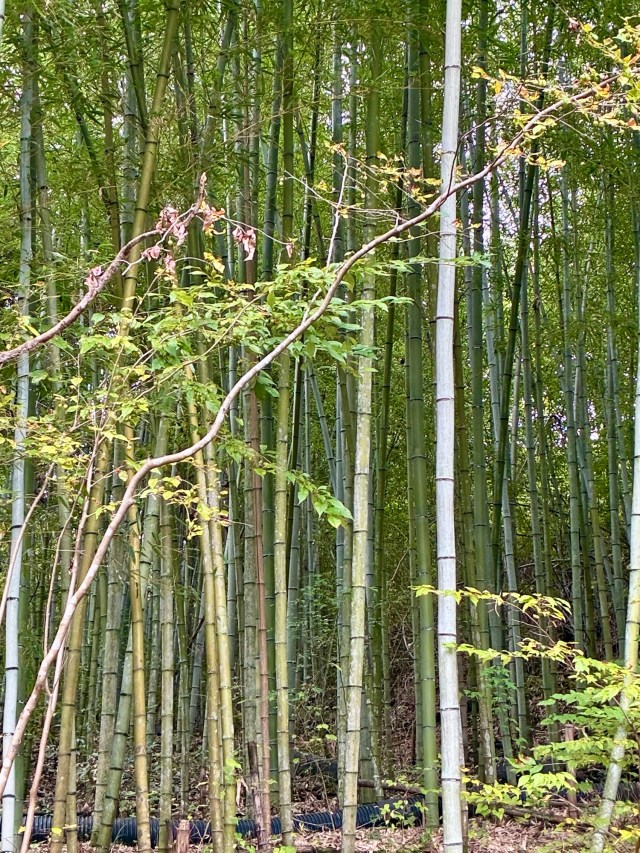
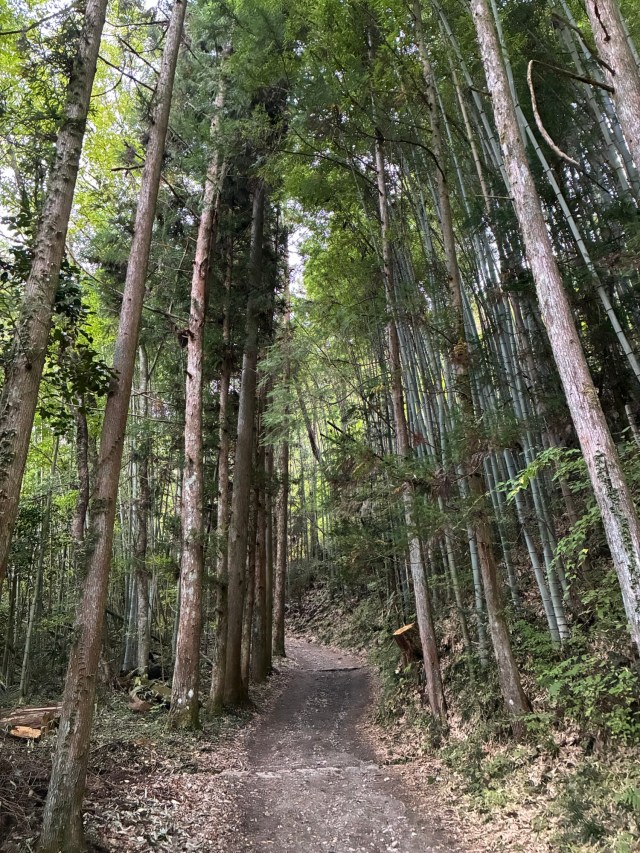
The final leg of our walk to Magome was around 12km along cobbled paths and dirt trails, past waterfalls, through cedar forests and bamboo copses alongside the ghosts of Samarai. We stayed at the beautifully restored and generously provisioned Magome guesthouse with an outdoor hot tub and plenty of hammocks to relax in while we watched the sun set and ate a meal ordered in by our host.

Magome-juku is a pretty mountainous historic town. Streets are lined with traditional buildings and there are a number of places to eat – I can recommend the oyaki (steamed dumplings) filled with pickled vegetables or marinated eggplant or sweet chestnut and steamed in what looked like a system of 19th century hinoki cedar drawers.

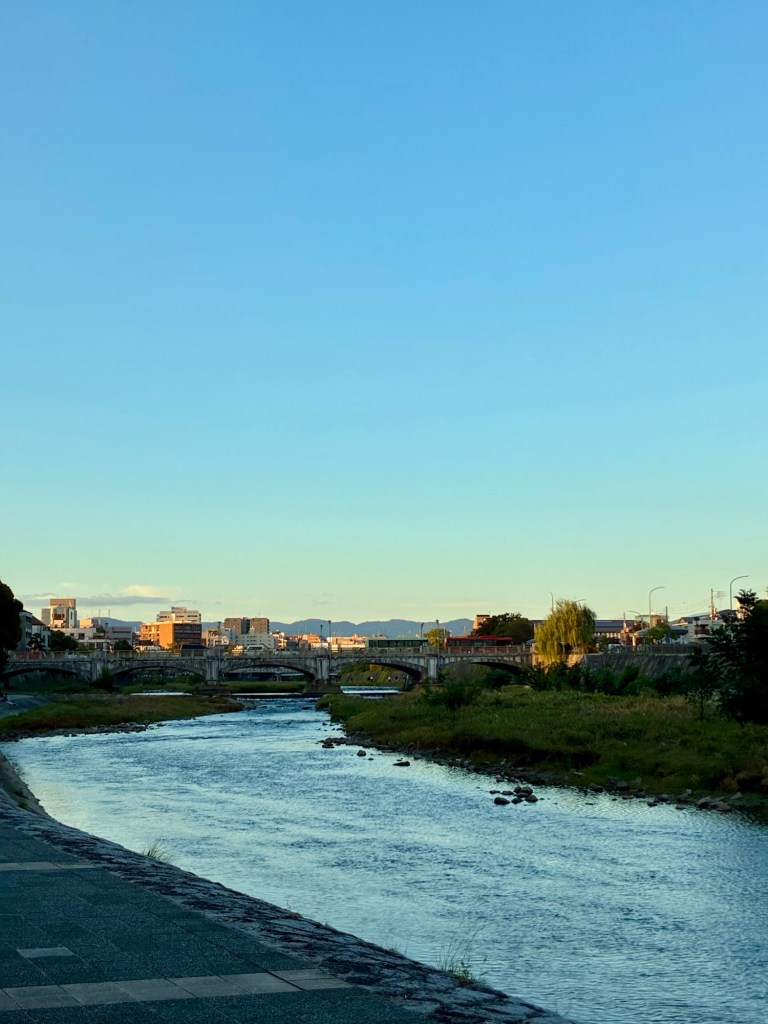
After a fond farewell to our very generous host we boarded a bullet train that took us to the big smoke of Kyoto at 275km/h where we had a sunset wander along the Kamogawa river and a picnic from 7-11 at the close of our first week.

Tip: you can get a really good take away meal from a 7-11 in Japan for when you can’t be bothered looking for a restaurant.

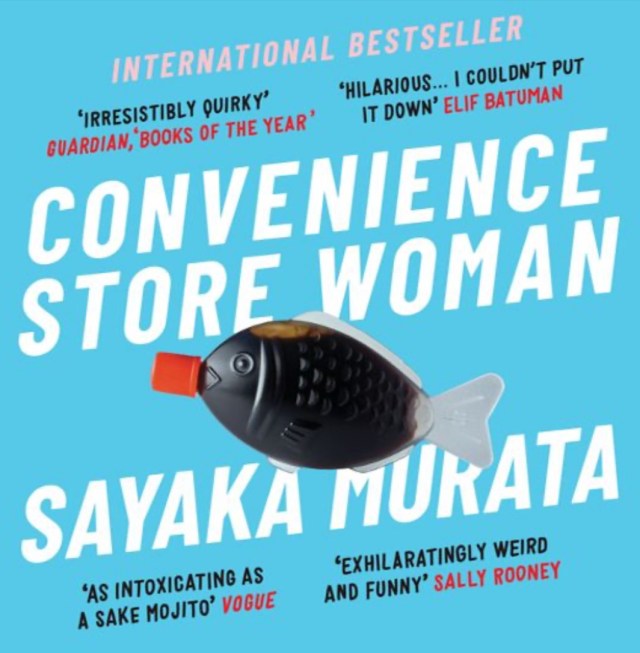
Book review: Convenience Store Woman by Sayaka Murata

After marvelling at the 7-11’s in Tokyo and Kyoto it was fitting that I read Convenience Store Woman by Sayaka Murata during our many train journeys in between gazing out the window. This is a story about a woman called Keiko who does not fit into Japanese societal expectations as she does not get the strict social mores and says and does things she should not.

The normal world has no room for exceptions and always quietly eliminates foreign objects. Anyone who is lacking is disposed of.

As a child Keiko kept getting into trouble for her literal approach to life – on one occasion pulling the teachers skit and pants down as her shouting was disturbing the children and she’d seen it done on TV and make women quiet. Her family worry about her and she does not have friends and when she tires of always getting into trouble she decides to stop talking outside the home.

At eighteen she gets a job in a local convenience store. Here she finds a place where she fits as they provide extensive training and a manual on how to behave and what to say – it’s the first time she feels like she understands how to be human. The job provides a sense of being a useful member of society.

So the manual for life already existed. It was just that it was already ingrained in everyone’s heads, and there wasn’t any need to put it in writing. The specific form of what is considered an “ordinary person” had been there all along, unchanged since prehistoric times I finally realised.

But Kaikos family still worry, she is now 36, childless, and never had a boyfriend. Her family still want to fix her. Enter Shiraha, a hopeless unlikeable man who wants a wife to support him so he can just stay home and breathe. Keiko sees an opportunity and asks him to move in – she will provide what he wants, keeping him like a pet, and his presence will make her appear more normal.

I am one of those cogs, going round and round. I have become a functioning part of the world, rotating in the time of day called morning.

Convenience Store Woman is a story about an autistic woman in a society that has strict conformist social rules that do not make any sense to her. Keiko tells her story in a classic pragmatic, deadpan way, explaining how she learns to be just to fit in as it makes life easier, not because she cares.

Review in transition: Sweet Bean Paste by Durian Sukegawa

When I hear stars whispering at night I feel part of the eternal flow of time.

― Durian Sukegawa, Sweet Bean Paste

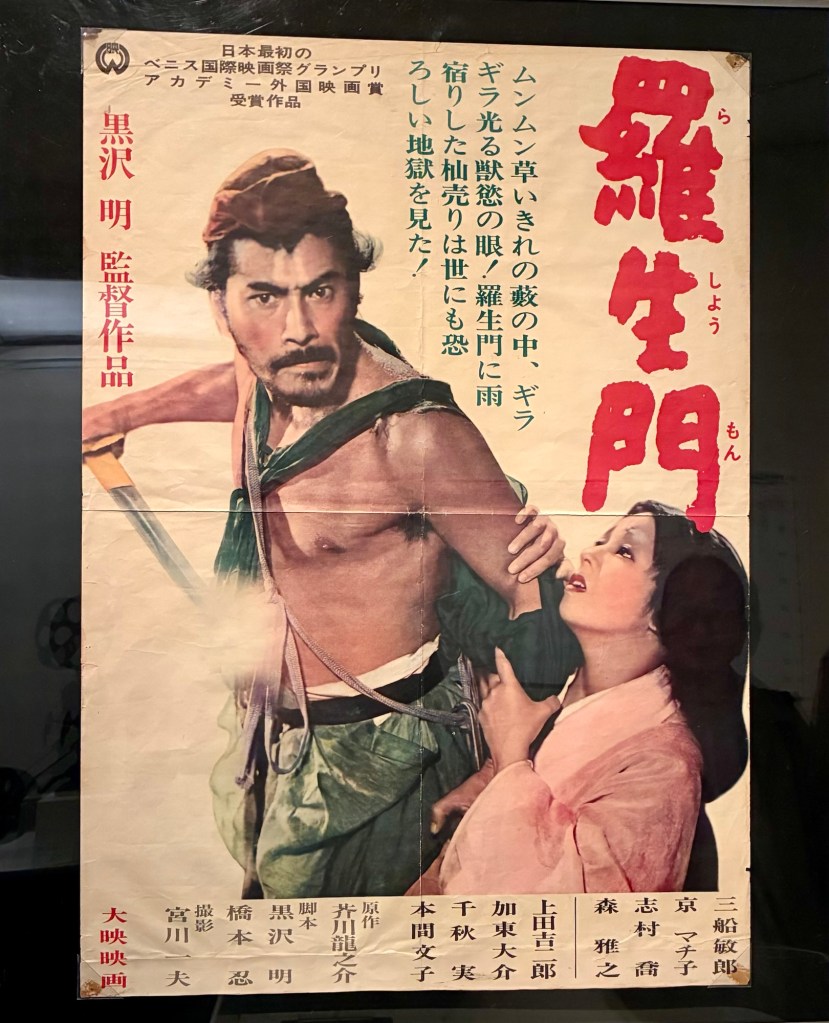
When I travel I like to read literature and watch movies from the place I am visiting to promote immersion in the culture and deepen my understanding of a place through the creative lens of local artists. On the plane on the way to Japan I watched Sakura, a mystery-thriller about an investigation into the death of two young woman, one a journalist whose friend Izumi works in the police PR department and believes she may be responsible for her friend’s death after revealing some insider information.

All experience adds up to a life lived as only you could. I feel sure the day will come when you can say: this is my life.

― Durian Sukegawa, Sweet Bean Paste

In keeping with the genre Sakura was tense with a twisting puzzle like plot. But the thing that most fascinated me about the film was the language and dialogue. People were softly spoken and there were many silences and pauses in conversation that left empty space. I love that silence is valued as a meaningful part of dialogue in Japanese culture. The spaces in conversation also contributed to the film’s tension and made me wonder about what was not said.

I began to understand that we were born in order to see and listen to the world. And that’s all this world wants of us.

― Durian Sukegawa, Sweet Bean Paste

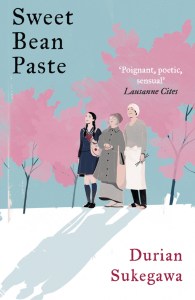
The trip also allowed time to read Sweet Bean Paste by Durian Sukegawa. The novel follows the development of a friendship between a mysterious old woman named Tokue and a man called Sentaro after his release from jail when he is running a dorayaki shop. They bond over perfecting the making of bean paste, and that represents their growing connection.

If all you ever see is reality, you just want to die. The only way to get over barriers, she said, is to live in the spirit of already being over them.

― Durian Sukegawa, Sweet Bean Paste

In Japan people with leprosy were forcibly isolated in sanatoriums up until 1996, preventing them from participation in society. The Sweet Bean Paste reflects on stigmatisation and prejudice in Japan, and the importance of having a purpose in order to be a useful member of society. What happens when societal prejudice prevents you from purpose?

People’s lives never stay the same colour forever. There are times when the colour of life changes completely.

― Durian Sukegawa, Sweet Bean Paste

In keeping with other Japanese literature I have read, the story focussed in on the day to day and the pace of Sweet Bean Paste was laconic.

It’s my belief that everything in this world has its own language. We have the ability to open up our ears and minds to anything and everything. That could be someone walking down the street, or it could be the sunshine or the wind.

― Durian Sukegawa, Sweet Bean Paste

The reverence of silence was prominent again, however in the written form we also gain insight into what is not said by the narrator – his prejudices, desires, insecurities and hopes. So overall my transit left me contemplating the idea of what is said and what is not said, a theme that I suspect will accompany my entire journey.

If I were not here, this full moon would not be here. Neither would the trees. Or the wind. If my view of the world disappears, then everything that I see disappears too. It’s as simple as that.

― Durian Sukegawa, Sweet Bean Paste

You may have guessed by now that my blog for the next few weeks will be reflections on my travels. If this is not of interest to you, come back at the beginning of December when I will return to my regular reviews, otherwise follow along on my journey through Japan.

She said that was the only way for us to live, to be like the poets.

― Durian Sukegawa, Sweet Bean Paste

Centennial Hotel at sunset Gulgong, NSW

Road trip fugitives

This week’s blog is a diversion from my usual food garden blog as I am in Byron Bay, 1,600 kilometers away. As with all stories, some thought needs to go into where to start, which subplots, characters and details to include and which to leave out. This story will not focus on food, though food does make an appearance. It’s about a road trip that made us fugitives. Make a cuppa, it’s a long one.

There was a minor disaster in the week leading up to departure. The four-year-old car that would transport us and our surfboards to Byron Bay had developed a strange noise. It sounded like a sewing machine. On presentation at the dealership the mechanics informed my partner (PP) that we could not drive the vehicle to NSW as it needed a new engine. Yes, the car was still under warranty. No, they did not have a loan vehicle available.

Twenty-four hours of creative thinking about alternative transport options resulted in PP representing at the dealership with additional determination. After 90 minutes the DSC05699service manager, let’s call him Kevin, presented PP with the keys for a loan car and our trip plans returned to normal.

Sunday mid-morning we hit the road. It was a bit of a slow start as we stopped in St Andrews for a quick lunch at A Boy Named Sue who make the kind if pizza your taste buds remember. Bellies full, we headed over the mountains through Kinglake. The rest of the state has moved on but some residents of this community still appear to live in temporary accommodation after being burnt out in the 2009 bushfires that devastated the area. Native trees killed by the intensity of the fire stand sentinel above the new growth that struggles to reestablish in the denuded soils.

Fire was to be a recurring theme on our trip. Every day we passed through areas that were in various states of recovery, and one forest near Casino in NSW that was still smoldering. It elicited a sense of both fascination and fear.

Audiobooks are perfect for road trips and we had a Raymond Chandler binge on the way. Chandler wrote hardboiled crime like a poet and was a master of simile. The first one we listened to was The Long Goodbye. Here are a couple of my favorite lines:

“There is no trap so deadly as the trap you set for yourself.”
“The girl gave him a look which ought to have stuck at least four inches out of his back.”

The Linesman’s Cottage is located just behind the Post Office and in front of the jail in historic Chiltern. A walk around town revealed some lovely old buildings including Lake View House which was home to Ethel Florence Richardson (pen name Henry Handel Richardson) and appeared in her book The Fortunes of Richard Mahoney. Our arrival in town was a bit late so there was not a lot of action. A perfect excuse to curl up in the warm and read a book.

My choice of novel to read between the car audio tapes was Find You in the Dark by Nathan Ripley. It’s a slow reveal thriller with echoes of Dexter and one of those stories that drags me into it in a creepy way at a pace that keeps me going back for more.
DSC05660On Tuesday morning we noticed a couple of missed calls but no messages from Kevin. We thought nothing of it and packed up the car to head to Cowra, our second stop over.

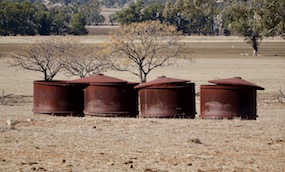
I’d worried about the lack of winter rain at home, but crossing the border into NSW I found myself immersed in a real drought. Except for some green strips along the coast, the whole of state is dry. It is the kind of dry where the grass sizzles if you spit on it.

A little off the Hume Highway on the Murrumbidgee River past Gundagai, home of the dog on the tucker box, there’s tiny little town called Jugiong. There’s not much at Jugiong but the town punches above its weight on the food stakes at the Long Track Pantry where we stopped for lunch and bought a great pre-made curry for dinner. Food is one of the big changes I’ve noticed in country towns over the last twenty years or so. Where once your best bet was parma and chips at the local pub, now entrepreneurial folk with a food obsession are opening up eateries in a scattering of out of the way places across the country. And they can make a good strong coffee as well. To find them you have to know where to look or travel with someone who can sniff them out.

Back on the road again and Raymond Chandler’s The Big Sleep entertained us on the way to Cowra. I was particularly taken with these descriptions:

“The gentle eyed, horse faced maid…”
“She bent over me again. Blood began to move around in me, like a prospective tenant looking over a house.”DSC05631

Cowra hosted a prisoner of war camp during the second world war. In 1944 more than 1,000 Japanese prisoners staged a mass breakout. 231 Japanese POWs and four Australians died during the ensuing conflict. In the early 70’s the Japanese Government and Cowra agreed to develop a Japanese Garden and Cultural Centre. The Garden covers 12 acres set on the side of a hill and is a beautiful spot to visit for a stroll or to lie in the sun and read a book.

The country side got drier and drier the further north we went. Miles and miles of farmland parched by the drought. Sheep and cattle sifted through the dirt looking forDSC05618 food or gathered around hay bales delivered by farmers to keep them alive. There’s a sadness that lingers over country held captive by drought and I don’t understand how anyone can see this and not at least entertain the possibility that climate change is real.

Our next stop was Gulgong in the Central Tablelands. It was home to Henry Lawson for a while in the 1870’s while his father fossicked for gold. Gulgong is a movie set waiting for a script. Large parts of the town are heritage listed and retain a 19th century character. DSC05642It’s home to a Pioneer Museum that covers a couple of acres. Some rooms look like they were set up by hoarders but it has an extensive array of domestic tools, utensils and typewriters as well as mining equipment and agricultural machinery. It’s definitely worth putting aside a couple of hours to visit if you are ever in Gulgong.

We received an odd email from one of Kevin’s colleagues. She wanted to know if we could arrange to meet. They had sold the car we were driving and wanted to swap it over. Having spent ten years working in the public service, not much surprises me. I can’t bear to watch political sitcoms like Utopia and the Hollowmen. They seem too real. So, we emailed back and let them know our movements. We’d be in Byron Bay in a couple of days and could meet them there.

After Gulgong we drove north-west to Coonabarbaran, the astronomy capital of Australia, and had lunch in a tiny cafe called Tastebuds. Tastebuds lived up to its name and served us pumpkin pies, crisp fresh salads and a vegan berry cheese cake. Another of those hidden gems. We grabbed some frozen vegetarian lasagna and salads to have for dinner.

DSC05673Not a day passed without moving through country touched by fire. Piligia National Park was in that fragile stage after fire when new soft green growth sprouts in clumps from eucalypts and the black exposed earth reveals rocks scattered through it like bones through a graveyard. There was also a lot of wildlife touched by man on the roads, usually in four-wheel drives.

From Narrabri we headed east toward Glen Innes through Mount Kaputar National Park, DSC05672much of which had been burnt recently. We stopped and walked into Sawn Rocks a forty-meter-high rock wall of pentagonal basalt pipes formed 21 million years ago when basalt lava flow from the Nandewar Volcano cooled.

Both the road kill and the active wildlife intensified along this quiet country road as the skies turned pink and illuminated the surrounding bush in a surreal glow. It was dark by the time we got to Glen Innes and discovered that somewhere on that lonely country road we had become fugitives.

Another one of Kevin’s colleagues had sent an email saying he’d heard we were about to DSC05734leave Melbourne to go to Byron Bay and he needed to inform us we could not take the car interstate. Too late. We checked the paper work the dealership gave PP when she signed out the car and there was nothing in it about this. We assumed there was some confusion or failed communication at the dealerships office.
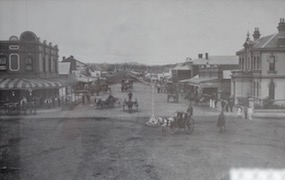
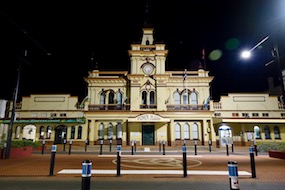
We stayed in Susan’s Airbnb apartment above her toyshop that looks out across the main street at The Book Market building and the Town Hall. It was one of the only country DSC05733towns I had noticed flying the aboriginal flag in recognition of local aboriginal people, the Ngoorabul. Susan had lived in Glen Innes most of her life and it was obvious she loved her town. The apartment had a number of pictures from the 1900’s which we were able to compare to the present on our walk around the deserted streets to look at the preserved Federation buildings.
In the morning I dropped the keys back to Susan in the toy shop and had a chat. Her face revealed the pain of the community when she responded to a comment I made about how dry it was. “Dry’s terrible. Whole of the state declared in-drought, it’s killing people. Literally. Some been in drought two years. Nothing they can do except try to hang on for rain. The only green bit is the strip along the coast.”

My heart and mind went out to all the local communities we had driven through like Glen Innes that were trying to hold on for rain as I got back in the car and headed for the green strip along the coast. Home to open hearts, free lovin’ hippies and surfers.

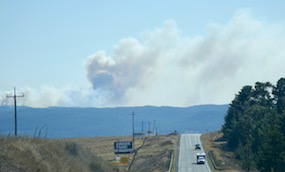
We drove through Peter Allen’s home town of Tenterfield and towards the smoke DSC05738billowing into the sky from surrounding bushfires. We responded to Kevin’s colleague letting him know our plans, explaining our understanding of the terms of using the car and that we had complied with them. We sent a picture of the document the dealership had given PP about the terms and condition when she signed. As we drove we listened to Raymond Chandler’s The High Window. Here’s a couple of quotes that made me smile:
“I’m a little disappointed. I rather expected someone with dirty fingernails…I’ve never met a private detective. A shifty business, one gathers. Keyhole peeping, raking up scandal, that sort of thing.”

“From 30 feet away, she looked like a lot of class. From 10 feet away, she looked like something made up to be seen from 30 feet away.”

Byron Bay central is a beachside town on steroids these days but if you drive a little way toward the Cape Byron Lighthouse the mania melts away. NSW Parks has four houses dotted along the foreshore near The Pass. We are staying at Thomson Cottage a little oasis nestled in the Cape Byron State Conservation Area a few meters from the beach with views over The Pass.  The surf at the pass is made up of consistent easy rolling waves that you can catch a long ride on. It’s loads of fun.IMG_0779

The holiday idyll received a bit of a shock when Kevin’s colleague emailed back with a different document that stated that we could not drive dealership cars outside of metropolitan Melbourne and they could demand its immediate return at any time. Yet they loaned us the car without advising PP of any of this despite the holiday being the very reason we asked for it. Interestingly we also live outside of metropolitan Melbourne. I was suddenly deep in my own Utopian drama.
We sent Kevin an appropriately bureaucratic email in response, setting out in detail that the documents he’d sent had never been shown, or provided to PP, we would not have taken the car had we known this as it was the only reason we needed it. There was a hint without saying it that their conduct was unconscionable. Fortunately for us Kevin backed off after this interaction and said to get the car back as soon as we return to Melbourne.

Time for a surf.

Main image: Gulgong at sunset

Inset images in order: Recovery after fire; Drums in drought; Japanese Garden, Cowra; Black sheep; Henry Lawson, Gulgong; Swan rocks, Mount Kaputar National Park; Glen Innes, 1900; Glen Innes Town Hall, 2018; Unsee this; The Pass, Byron Bay.

More photos can be seen at my Instagram account.