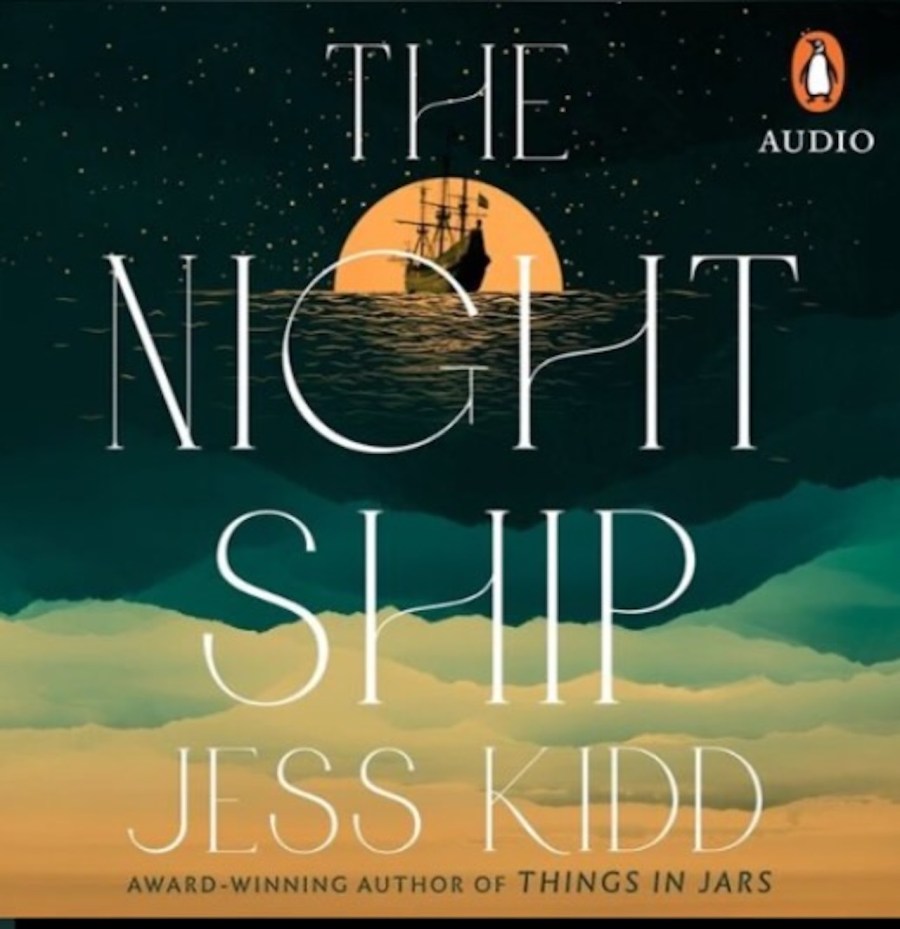
Jess Kidd’s novel The Night Ship tells two stories set centuries apart – one in 1628 and the other 1989. It connects the lives of two motherless children via Beacon island off the coast of Western Australia. The story was inspired by the bizarre and disturbing 1628 shipwreck of the Batavia on her maiden voyage from Holland. The journey left 200 surviving passengers and crew stranded on the Houtman Abrolhos island chain. The stranding led to mutiny, the death of more than half of those survivors and enslavement of the rest. Only about 70 were till living when finally rescued three months later.
The greatest disgrace of humankind is the failure of the strong to protect the weak.
In Judd’s tale, Mayken, a bit of a wild child, and her nursemaid Imke, board a ship soon after the death of the girls mother. She is destined to live with her merchant father in Australia. While onboard Mayken undertakes as series of clandestine adventures throughout bowels of the ship dressed as a kitchen boy. It is on these adventures she discovers the mythical beast that lives in onboard – a kind of eel like creature called Bullebak. She is convinced the monster is responsible for the failing health of her beloved nursemaid and sets out to capture it. Conditions on the ship worsen, relationships deteriorate and there is mutiny in the air.
As is the way with souls confined, tempers fray and flare, ill-spoken words fester, coincidences become intrigues. Minds seethe with resentment and revenge like the worms in the water barrels. As the ship spoils, so does the air between the people.
In 1989, nine year old Gil Hurley is sent to the home off his uncommunicative fisherman grandfather, Joss, on Beacon island after the death of his mother. The island is said to be haunted by the spirit of a young girl. He also finds an old story book of his mother’s about a bunyip, an eel-like monster that preys on children. Gill does not want to be a fisherman and is isolated. He befriends a tortoise and becomes fascinated by the tale of the wreck of the Batavia. Monsters loom large for both children.
Gil knows the signs of haunting. A kid ghost will give you cold knees. A woman ghost turns silver jewellery black. If furniture’s thrown around, your ghost is a man. Gil’s knees are fine, thank you.”
The Night Ship unfolds in alternate chapters linked by the children’s parallel experiences and monster representations of their fears. It is an atmospheric and melancholy coming of age story. The Night Ship explores grief, survival and human cruelty, but it’s not all grim. Kidd also injects humour, and as always, I love a bit of magical realism.