
The further away from the main tourist spots we’ve travelled, the more I’m enjoying this trip. After the Hiroshima area we headed to the port town of Onomichi.
ONOMICHI and TOMONOURA
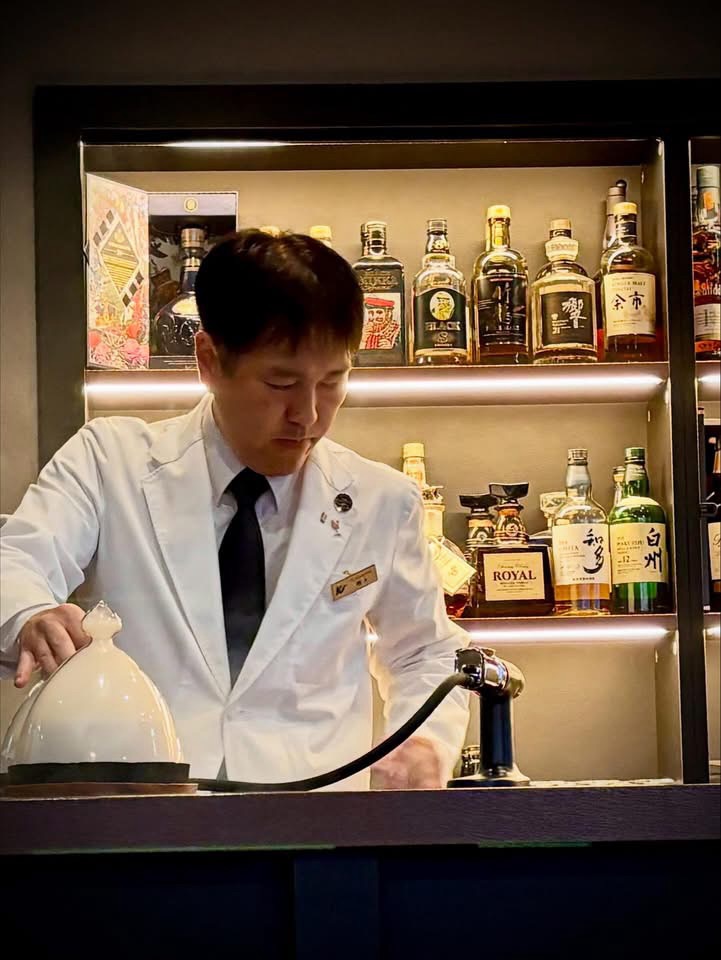
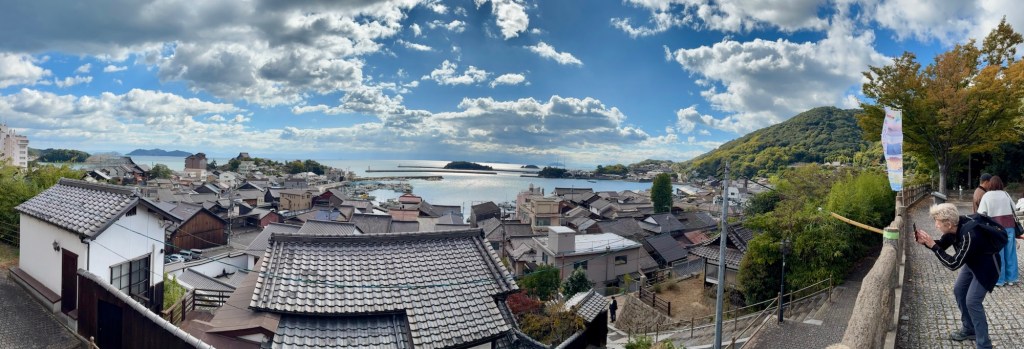
Onomichi is a small seaside port that spreads up the surrounding hillsides where temples (25 in total) and shrines are dotted between houses along steep narrow streets. The view from the top is magnificent and the town reminded me a little bit of Hobart before it was gentrified. Our hotel had a rooftop bar that served chips that the barman smoked by attaching a hose to a transparent dome secured over the bowl and pumping smoke onto them!
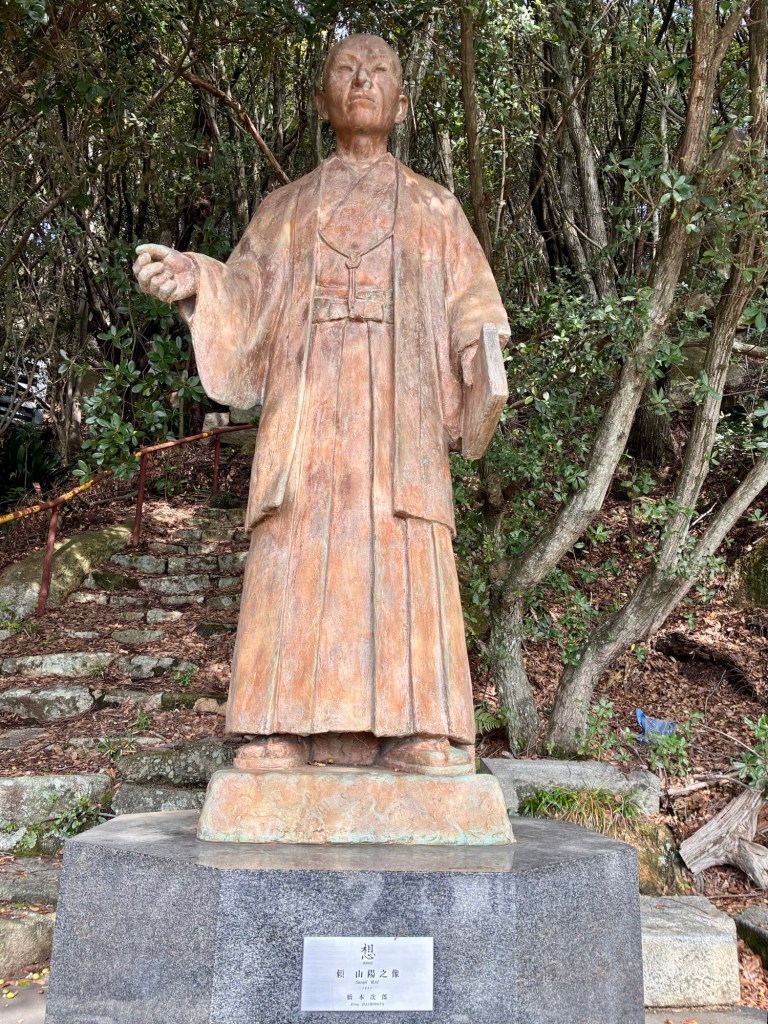
Onomichi is a town that draws artists and creators and has featured in a number of films including Yasujiro Ozu’s classic Tokyo Story. The town also has a strong association with literature and poetry with 25 literary monuments along the Literature Path.
the artist’s job is to grasp the simplicity, precision, and simple individuality of single materials and assemble them into a work of art
– scholar Rai Sanyo
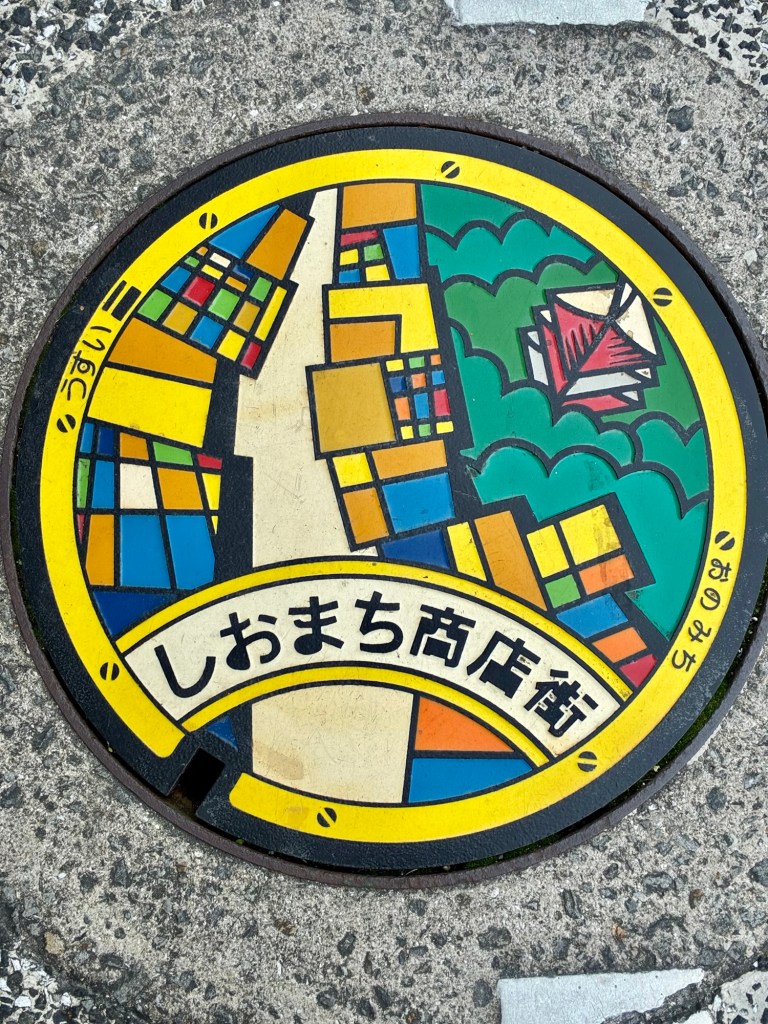
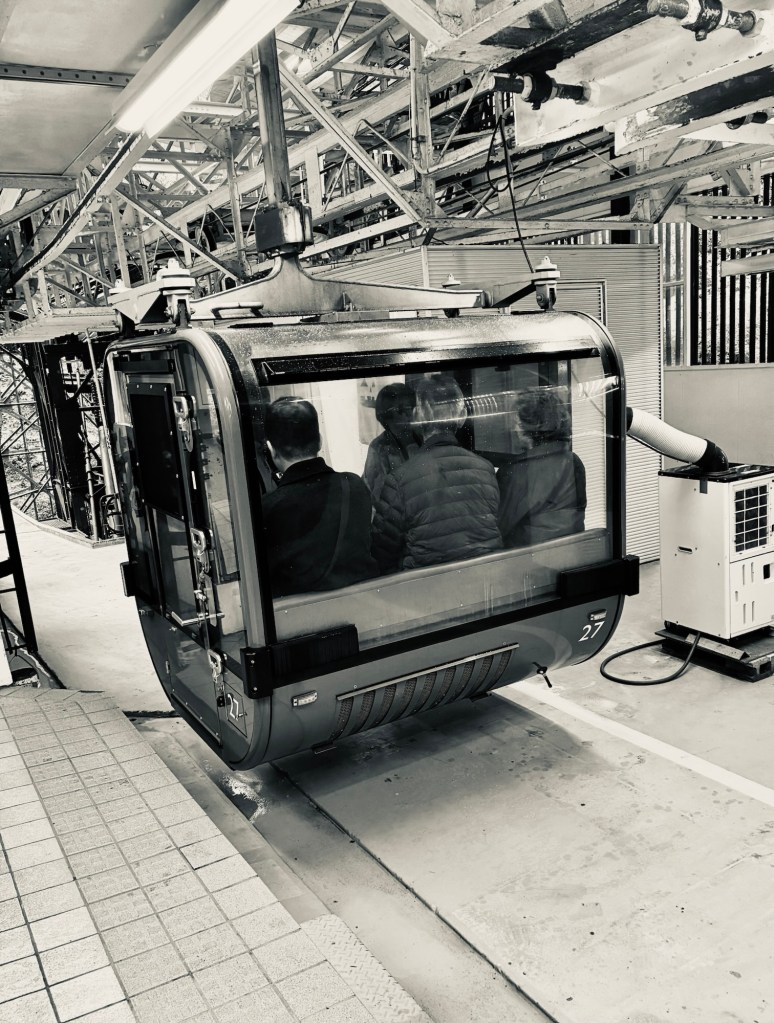
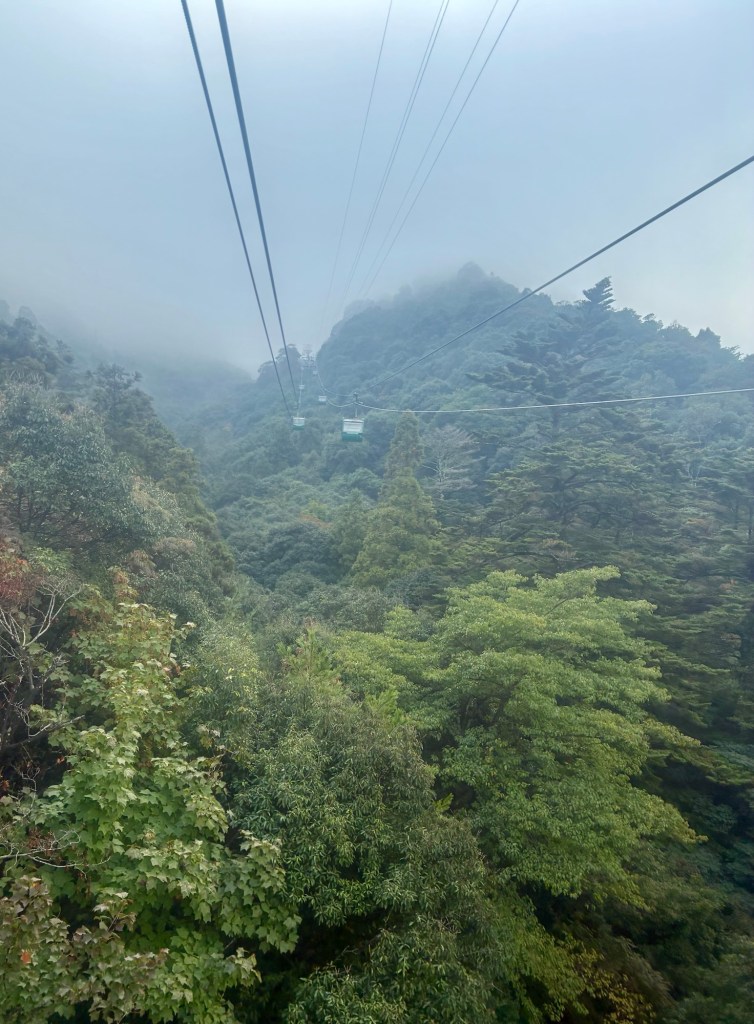
We spent a day exploring the town – making our way up the hillside, checking out the temples and monuments on the way to the museum of art, and exclaiming at the magnificent views over the Seto island sea, and then caught the ropeway back down the hill. In the flat part of the town there is a thriving undercover shopping arcade with a variety of shops and eateries and street performers.




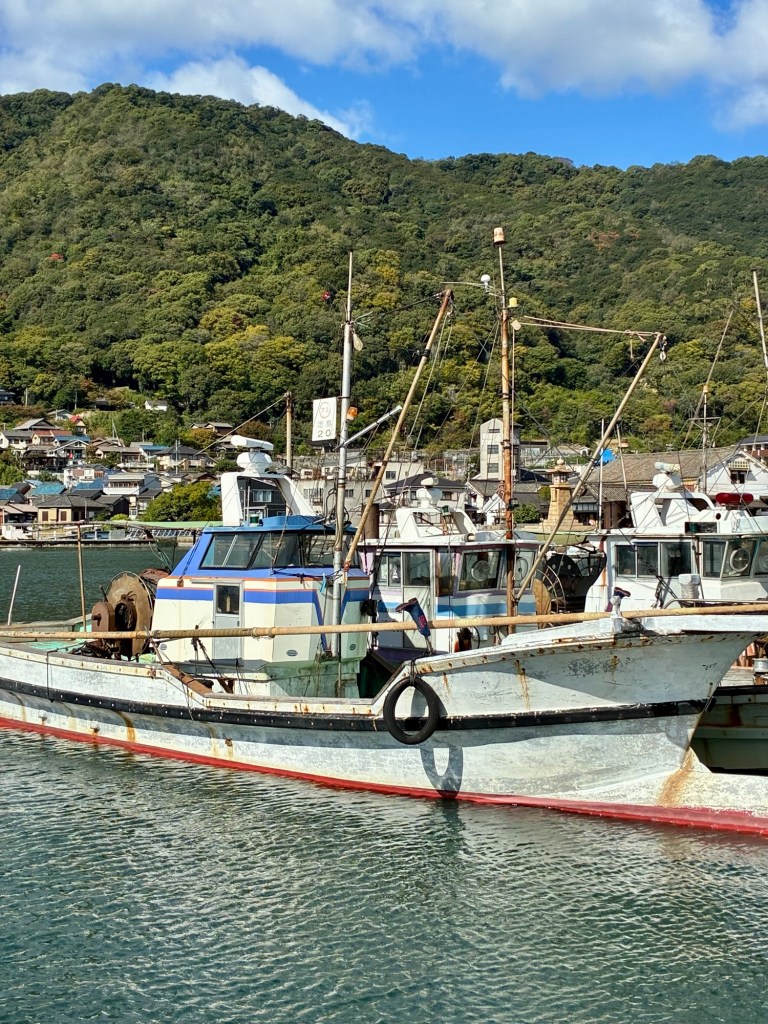

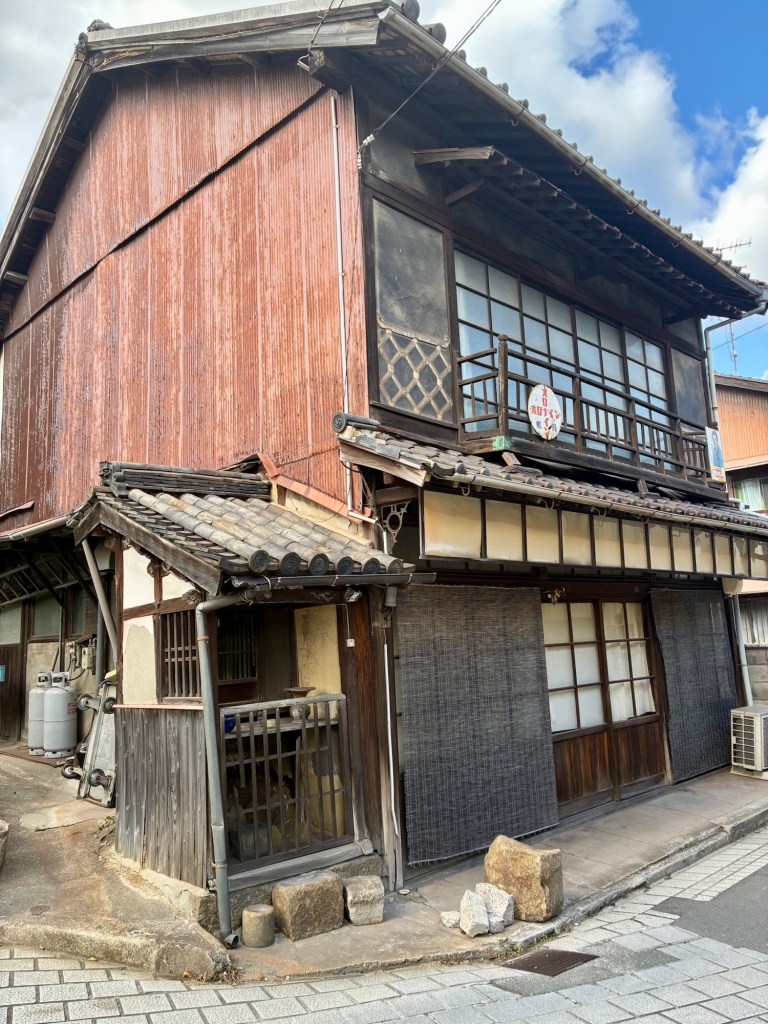
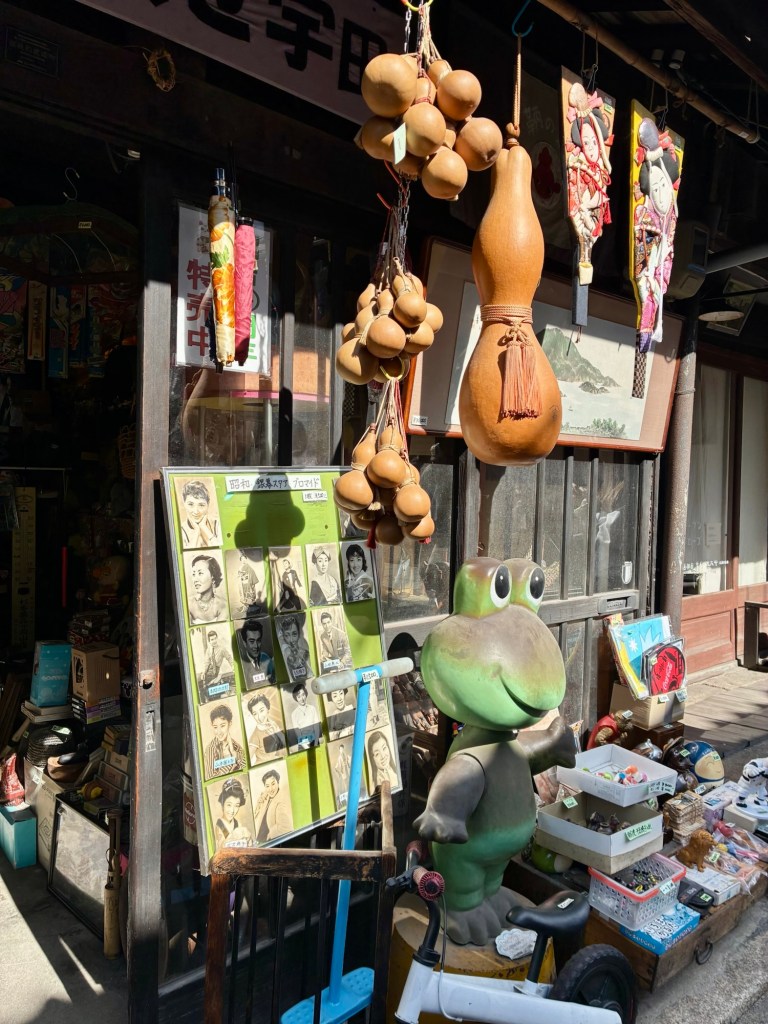
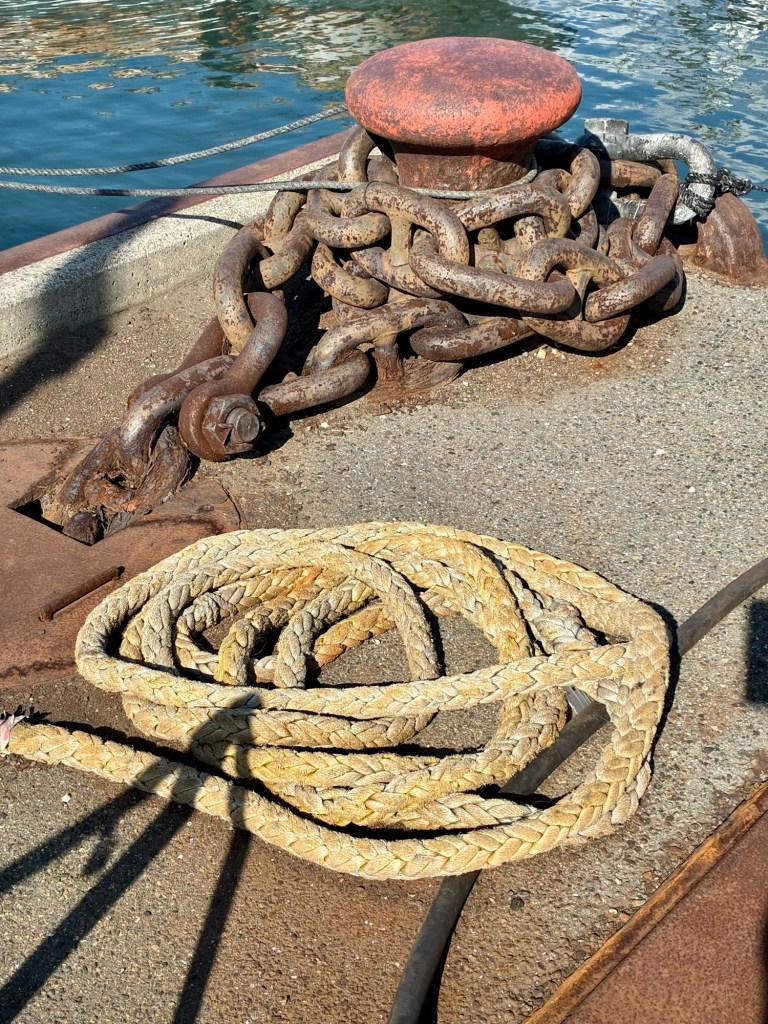
On our second day we caught an old yellow ferry under towering bridges, past ship building yards to the sleepy port fishing town of Tomonoura. It was a perfect sunny day to explore the tiny winding streets lined by dilapidated buildings, junk shops, medicinal alcohol traders, excellent Italian lunch fare and a bakery advertising the
Japanese take on Monte Blanc. Tomonoura has also been used for filming countless movies and TV dramas including The Wolverine staring Hugh Jackman, and is the setting for the amine Ponyo by Director Hayao Miyazaki.
SHIMANAMI KAIDO
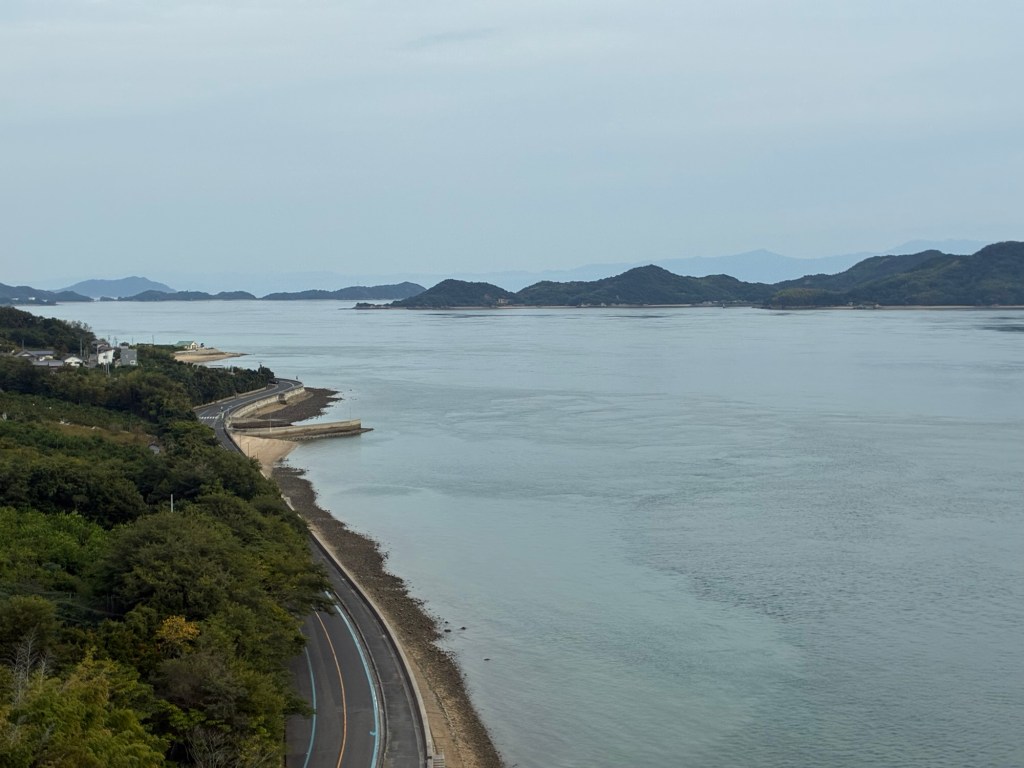
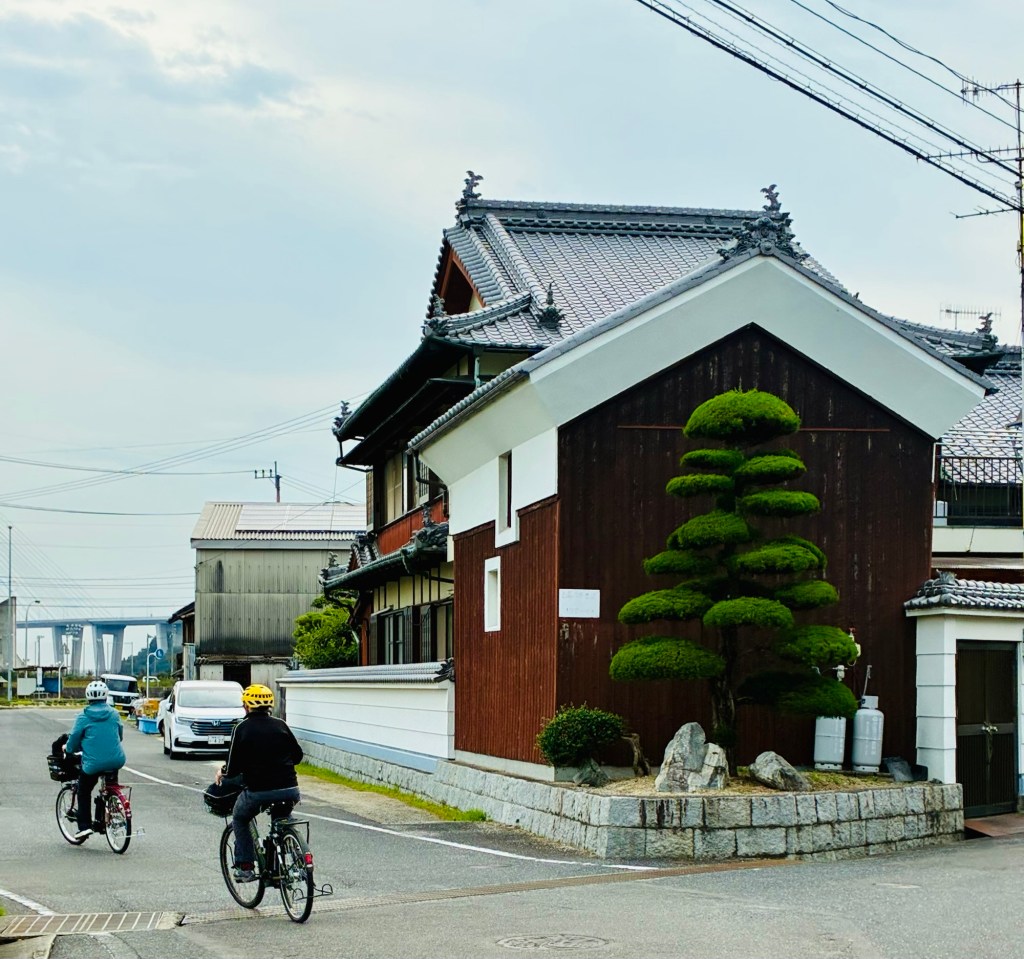
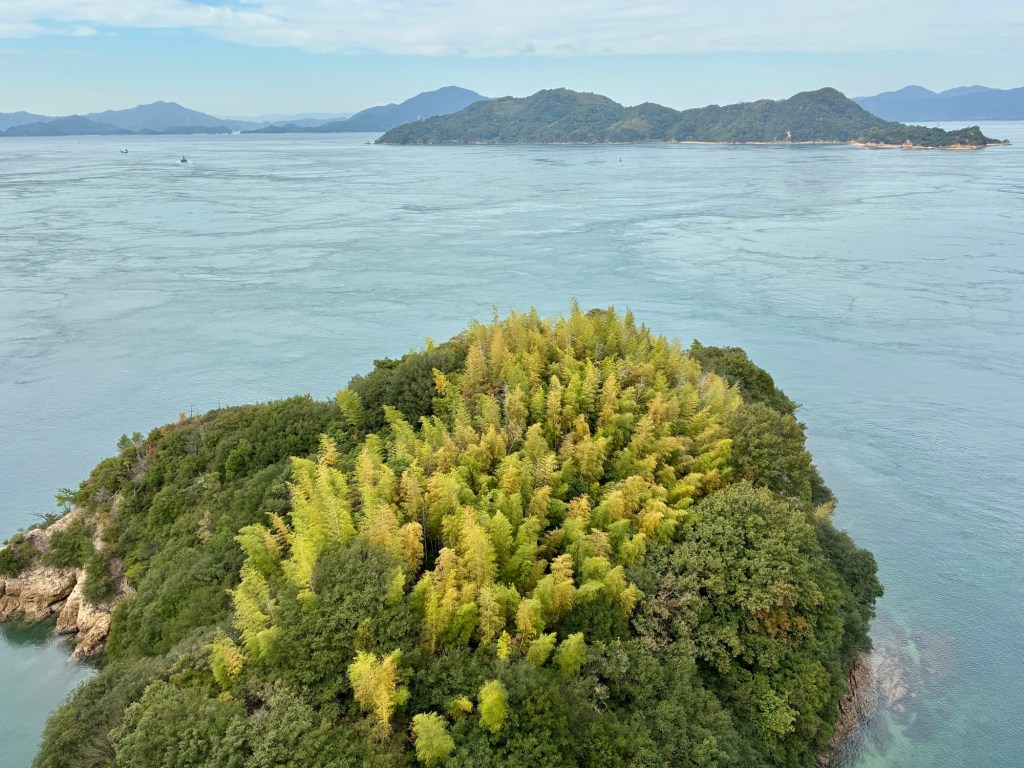
Onomichi is the starting point for the Shimanami Kaido cycling trail that connects Japan’s main island of Honshu with Shikoku via bridges across six islands in the Seto Sea. The bridges all have seperate bike lanes and the entire route is marked by a blue line painted on the road. The ride takes in the spectacular scenery of the islands and winds through local villages.
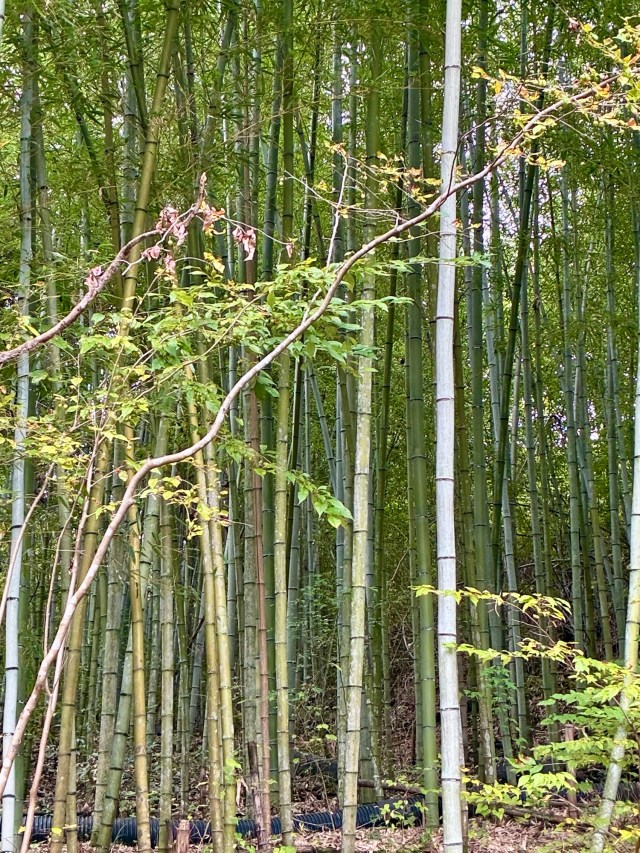
We set off on hired e-assist bikes and rode the section of the Shimanami Kaido cycling route from Onomichi to Omishima Island – mile after mile of beautiful island views. I find the forests really interesting here as the diversity of vegetation gives it a beautiful texture, the likes of which I have not seen in Australia.
We stopped for lunch and to check out the very unusual and colourful Kosanji Temple on Ikuchijima Island. The temple belongs to the Honganji Sect of the Jodo Shinshu School of Pure Land Buddhism and was founded in 1936 by the industrialist Kozo Kosanji. He built the complex over a 30 year period in dedication to his late mother.

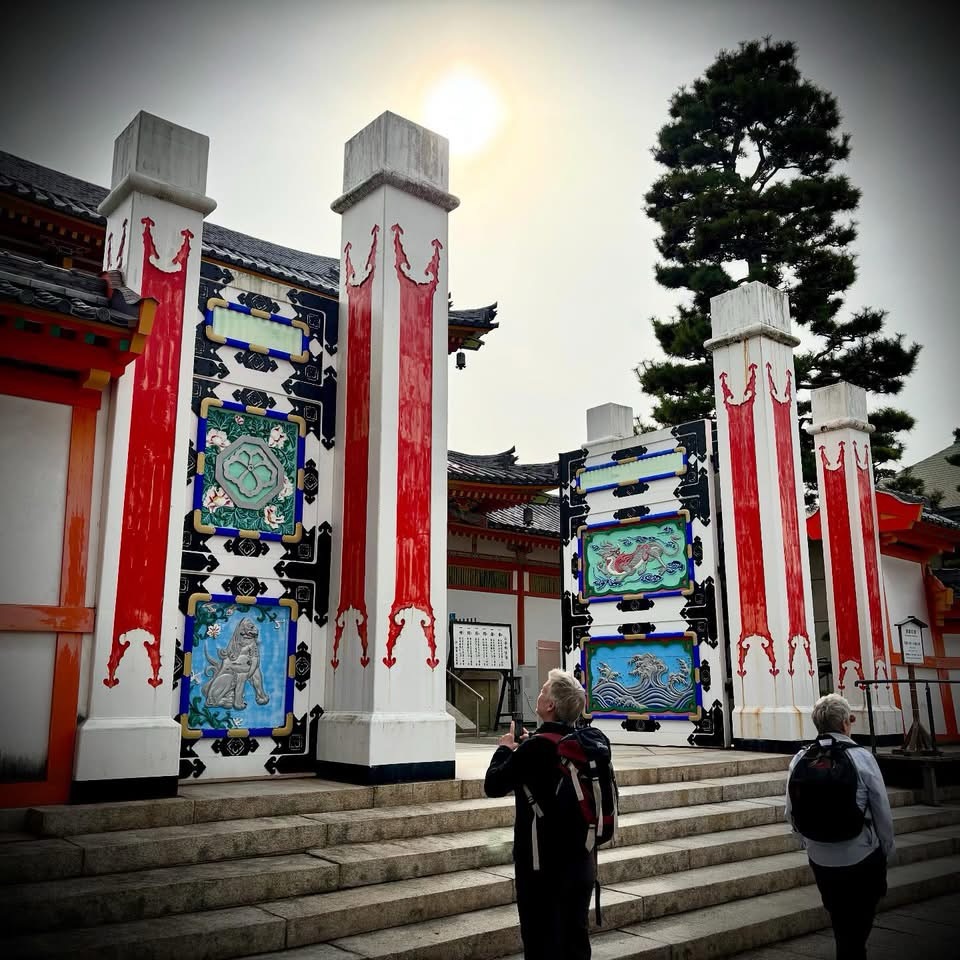
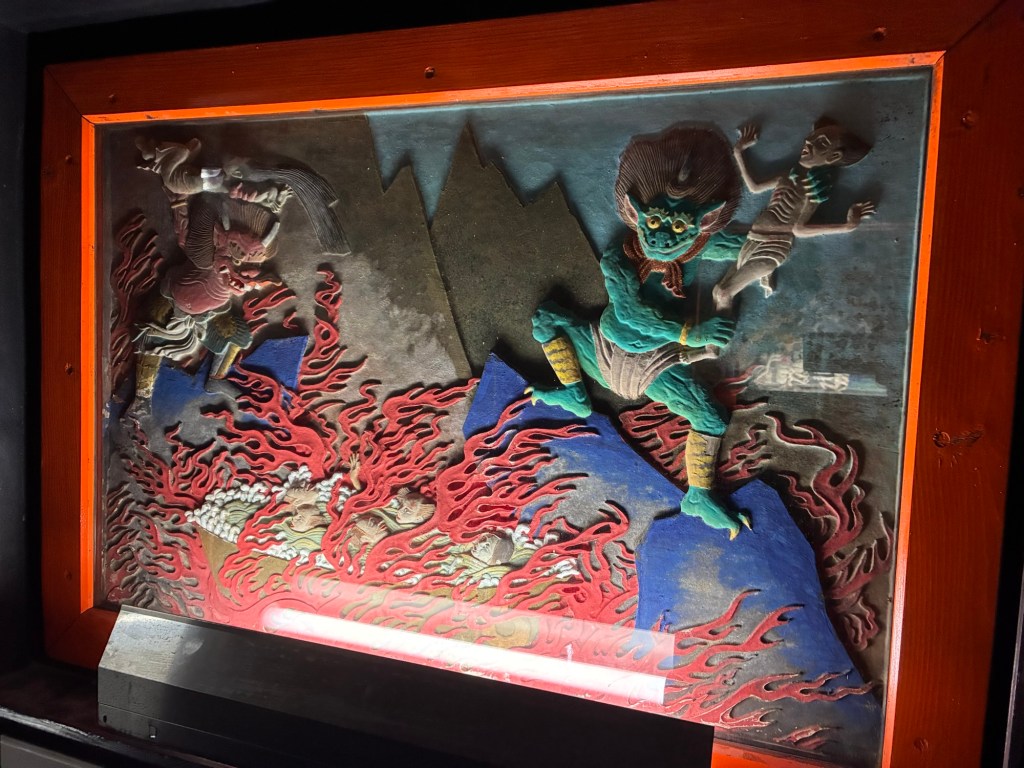
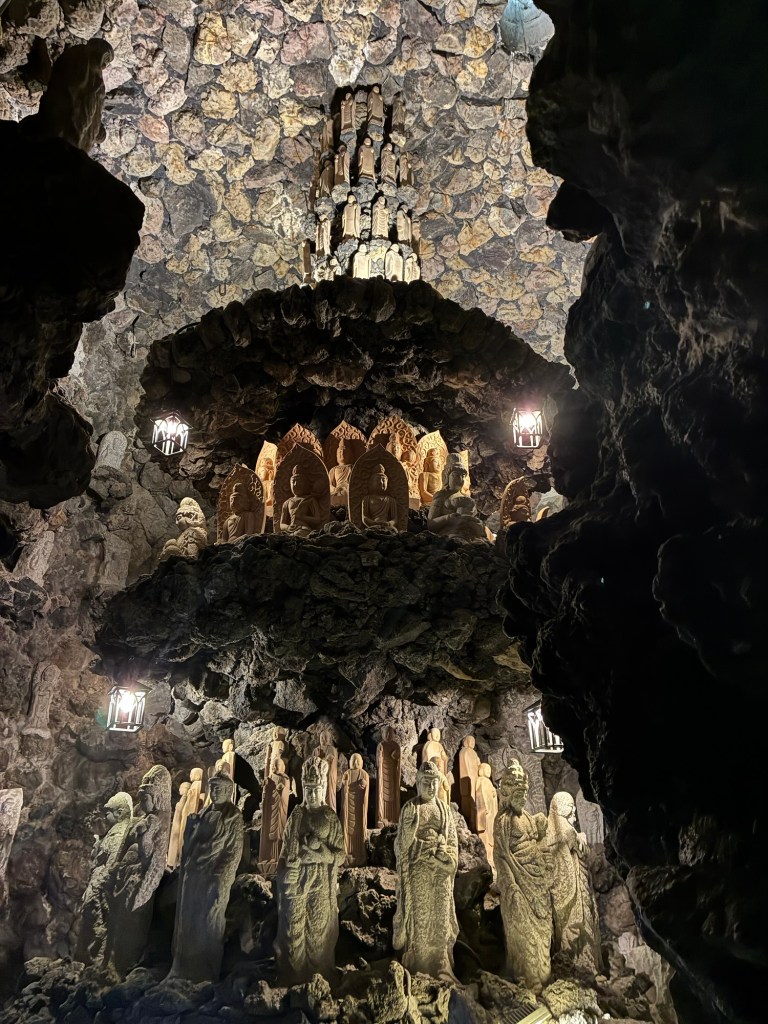



Kosanji was a bizarre place with underground tunnels filled with macabre depictions to illustrate the tortures of Buddhist hell from which you emerge to a massive Buddhist statue. At the top is the Hill of Hope – a marble garden construction using 3,000 tons of Cararra marble. I was gobsmacked by the whole dedication and am pretty sure Freud would have something to say about Kosanji’s relationship with his mother!
On Omashima Island we stayed with an older lady in her house (Guesthouse Farmor). She drove us to a local onsen (Mare Grassia) overlooking the water. The Japanese love their baths and they are great at the end of a long days walking or cycling. This was the best one I’ve been to yet with hot/cold indoor/outdoor baths, a sauna and a salt bath. We ate at a tiny ten seater very cool Japanese restaurant called Gagaku.
The ride to Imabari the next day took in more magical views and the longest bridge I’ve ever crossed at 4.1km. I would rate this as the best bike ride I’ve ever done and highly recommend it regardless of your cycling fitness. The e-bikes make it easy.
MATSUYAMA
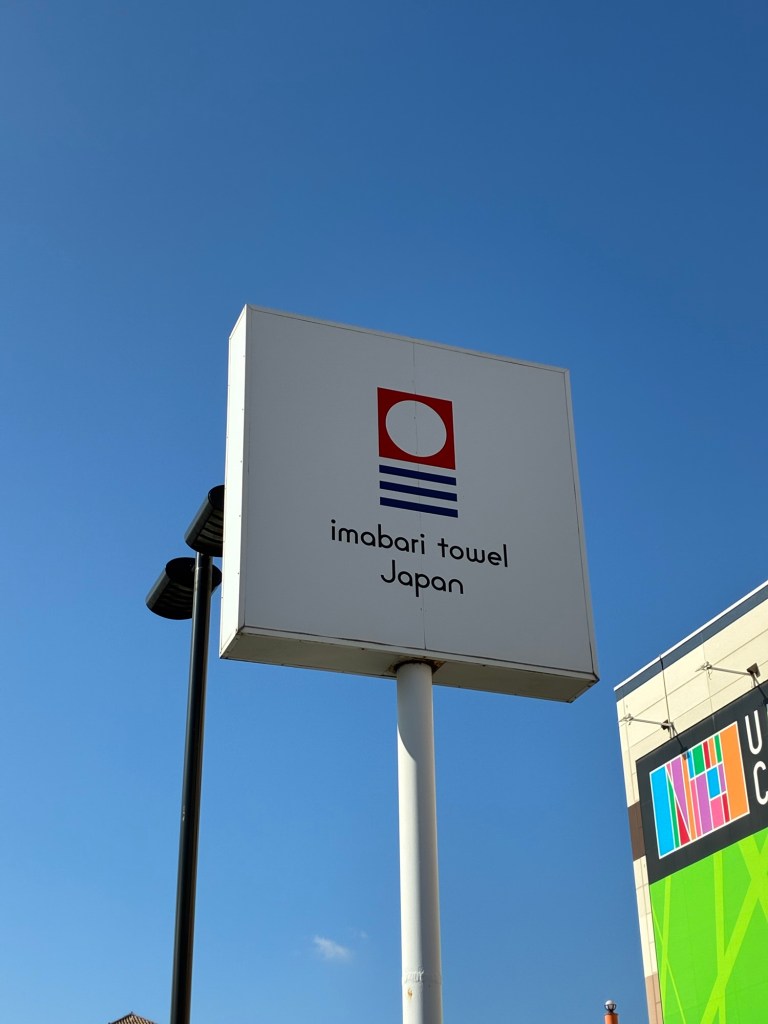
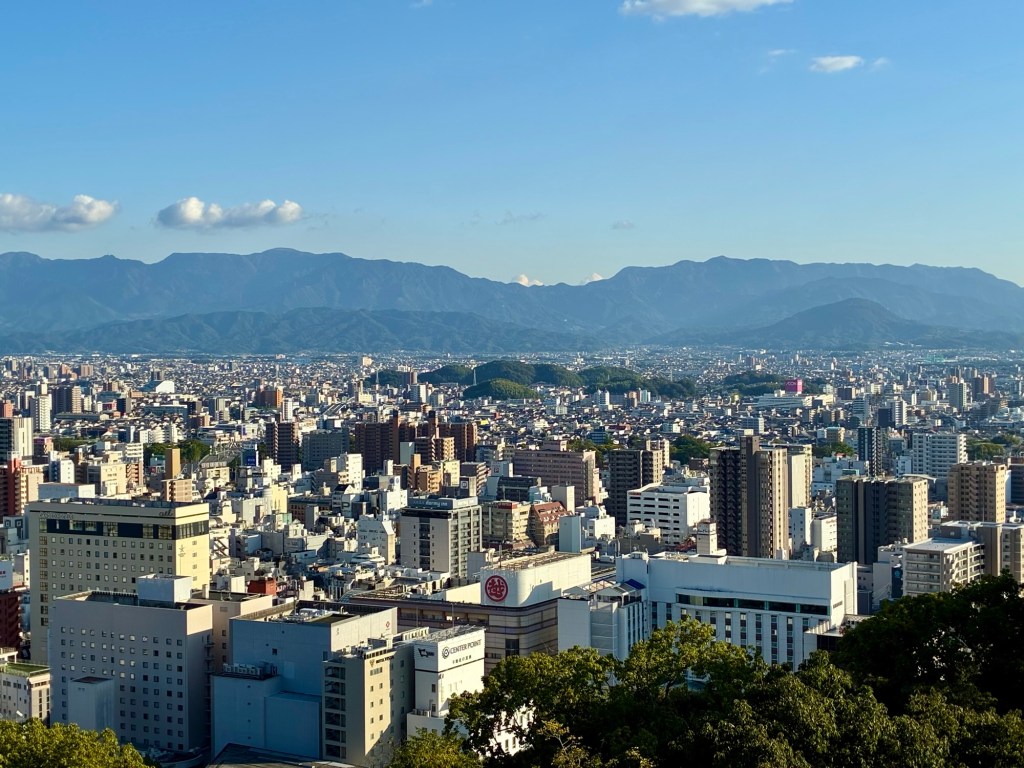
The next couple of days were largely transitionary. There was a visit to the Imabari towel lab, home of the best fluffy towels in the world, then a train journey to Matsuyama to pick up a rental car. Matsuyama wins the best castle prize so far with the most impressive dry stone walling I’ve ever seen. There is a unique chairlift to get to it, more spectacular views from the hill made literally of plastic chairs attached to a post.
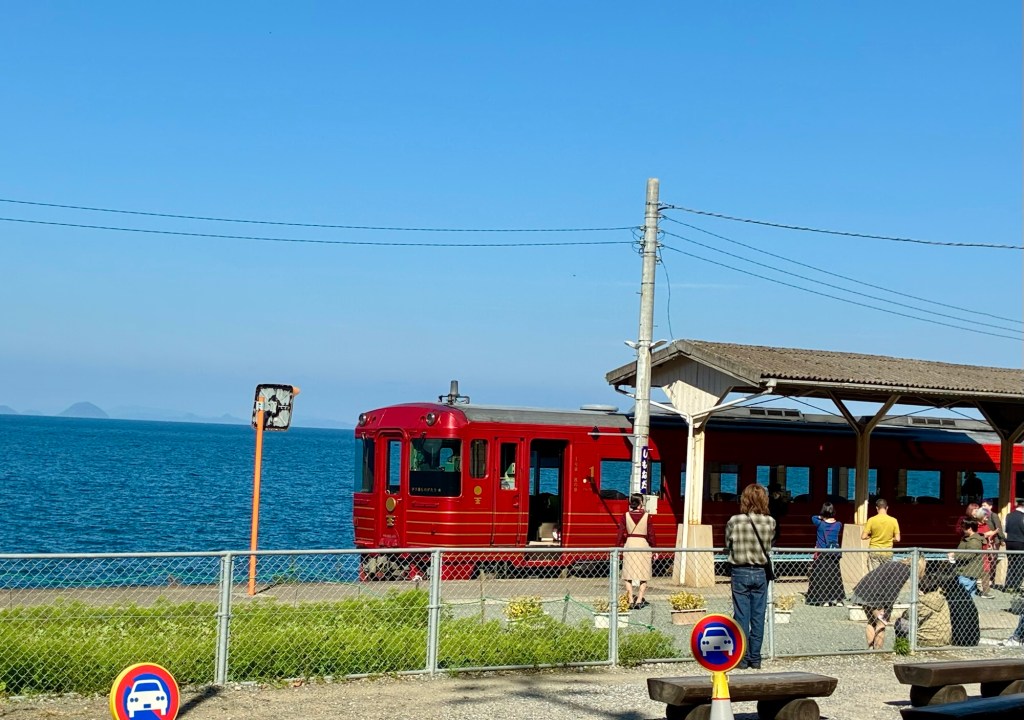
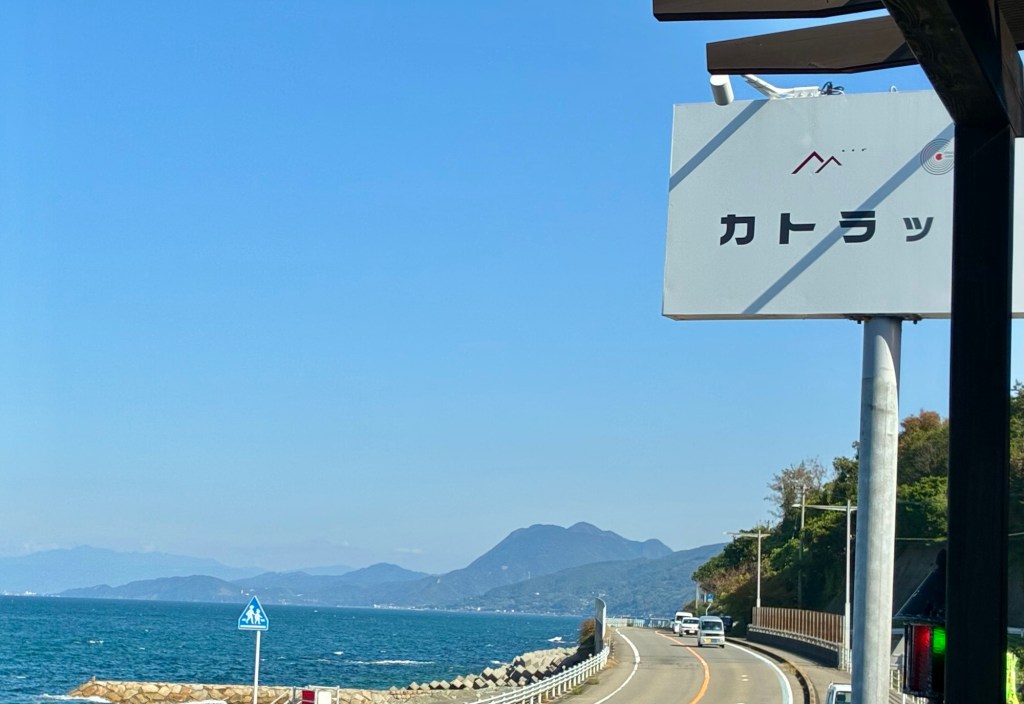
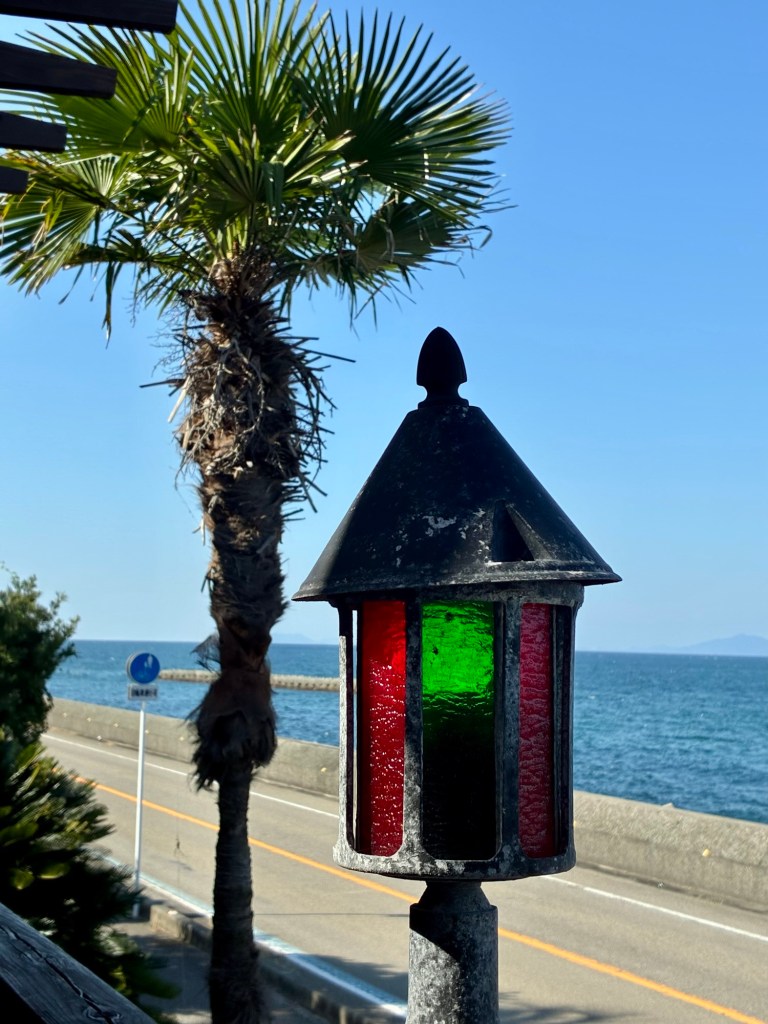
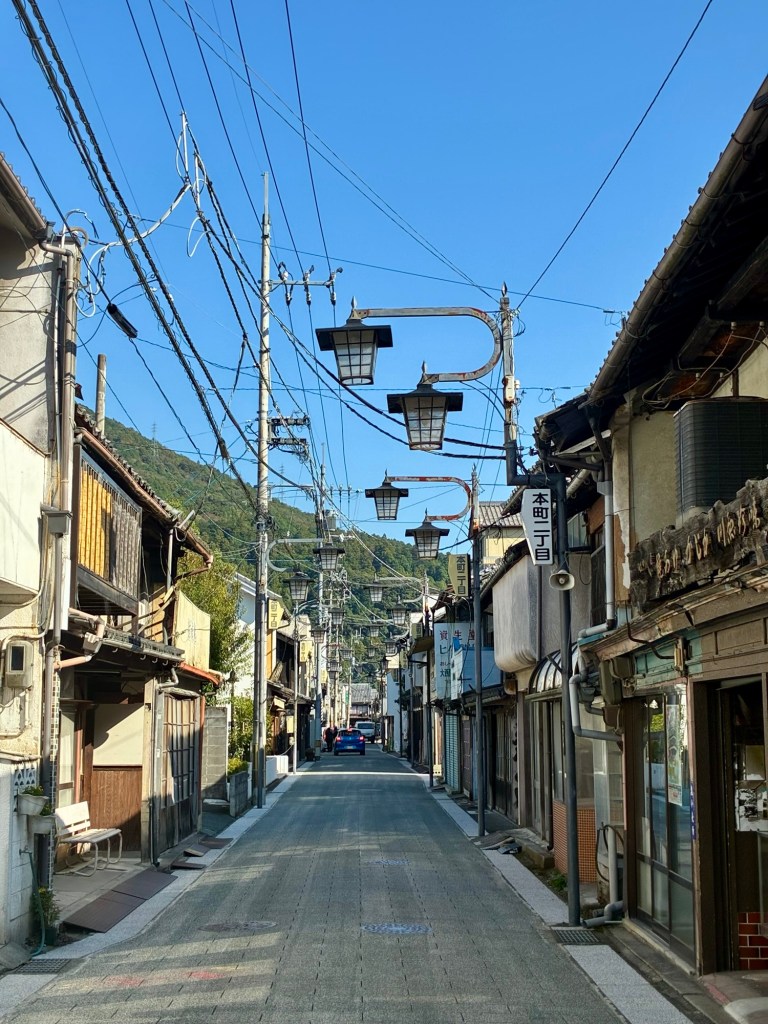
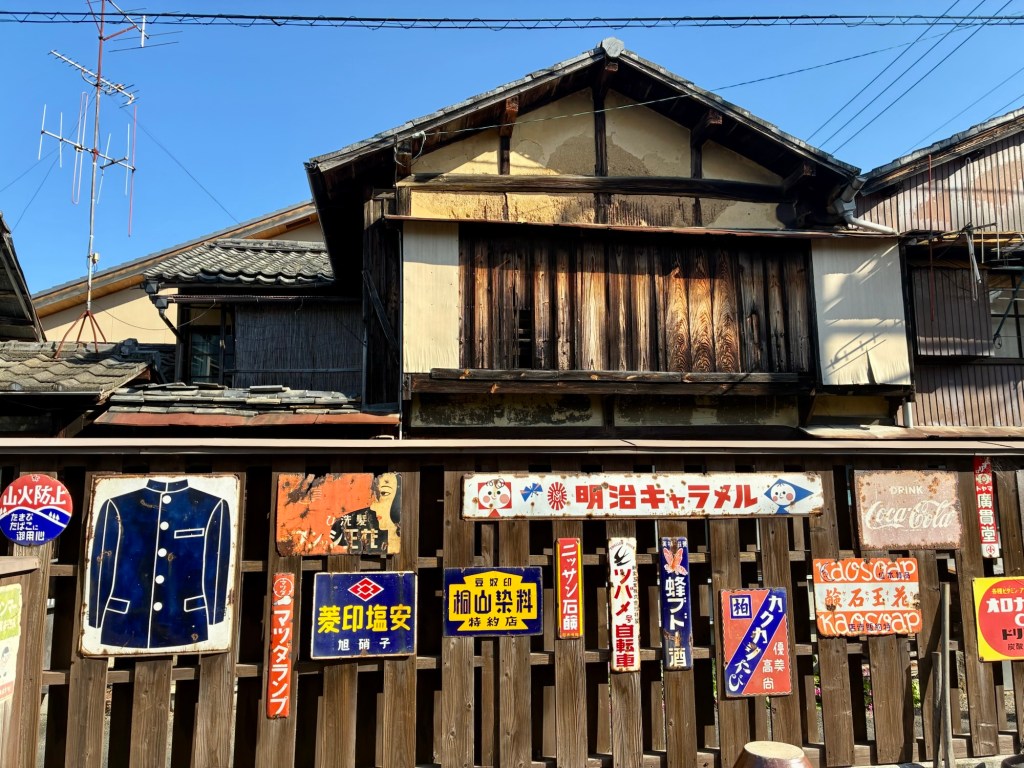
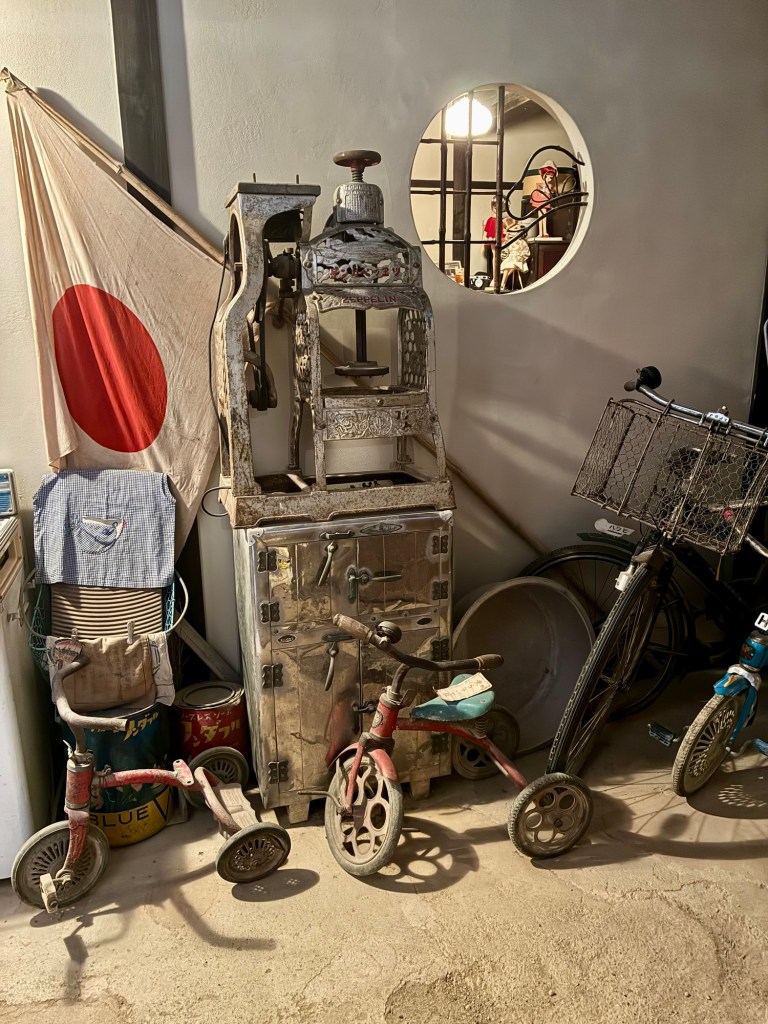
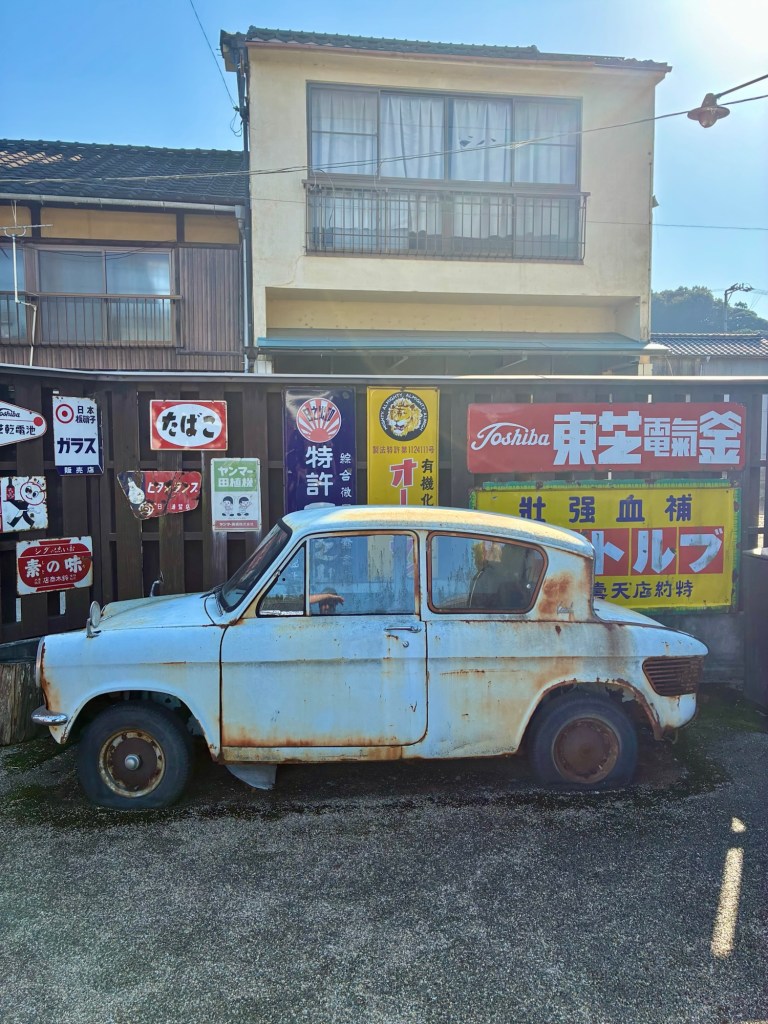
After picking up the car we took a spin down the coast past the most scenic train station in Japan, to the sleepy little town of Ozu also known as the Little Kyoto of Iyo. The Hiji River runs through the town and the place has a frozen in time vibe with fabulous 1960’s signage and paraphernalia.
We have found ourselves in a part of Japan that has a Mediterranean feel and a relaxed vibe. I am also happy to say our itinerary is taking a slower pace also!





































 R L Smith