
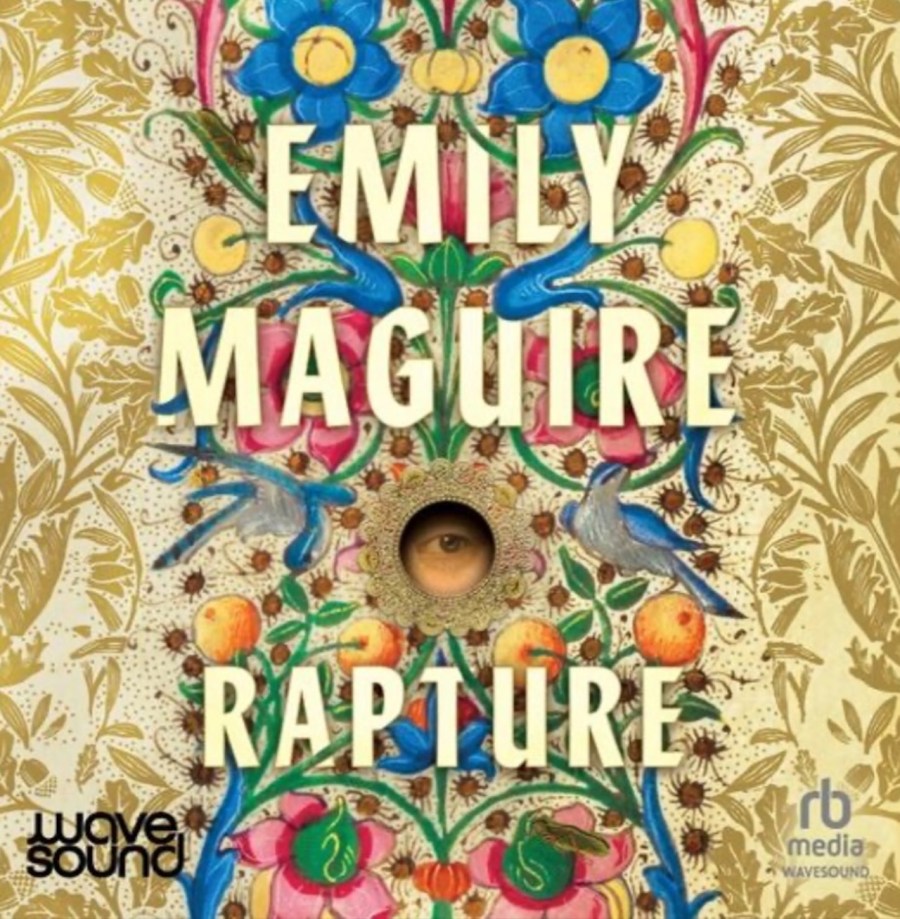
Love Objects by Emily Maguire is not an easy read. The novel shines a light on the dark side of class relations, the challenges of the mental health condition hoarding and what is means to care for family with mental illness.
As Nic said, second-hand clothes were like day drinking, government handouts and having a lawyer: classy if you’re rich, proof you’re trash if you’re poor.
Forty-five year old Nic, a childless department store check out chick living alone in her inherited childhood home collects random stuff. She falls after climbing onto piles of things to reach a hook to hang something she collected on the way home from work and injures herself badly. Unable to move she drifts in and out of consciousness. Childhood memories keep her company, triggered when she spies an old tiara under her bed.
People have died of sadness, Lena knew. Was this what it felt like, just before?
Lena is Nic’s niece. She lives hand to mouth at the Sydney university where she studies, hiding her economic disadvantage from her wealthy peers. She meets and has sex with rich boy Joshua not realising he is filming them. He posts the video on the internet and despite hiding Lena’s face, she is recognisable by a large scar on her arm.
No such thing as custody rights to your sister’s kid. No matter how destroyed you are by her absence.
Will is Nic’s nephew. After being released from jail for drug offences, he has a relationship with a woman who has children by someone else. He loves this life, but is cut adrift when the woman ends the relationship and he heads south to Sydney to see his sister and aunt. He is trying to deal with a rotten tooth that gives him a lot of pain but he cannot afford a dentist.
Will, she texted, how have we gone all these years and not known our aunty is completely and utterly batshit crazy?
Lena goes looking for Nic after she doesn’t turn up at a lunch date and finds her semi-concsious in her house so crammed with stuff that emergency services have to cut a path through the clutter to get her out. Nic is a hoarder. While Nic is in hospital the house is deemed a health hazard by a social worker and Lena agrees to deal with the contents so Nic can return home. Will arrives and helps Lena finish the job.
She puts today’s newspaper on the kitchen table, where it slips about for a few seconds before settling nicely. It would sit on the kitchen table until she had a chance to finish reading it, and if that hasn’t happened by bedtime she will put it with its colleagues in the hallway, waiting for a day when she has more time, better concentration.
Love Objects has a third person narrative divided between the three main characters – all of whom are dealing with their own losses, but the central focus is Nic’s hoarding disorder and how the three characters respond. Maguire offers great compassion to her characters through her compelling writing and this carries the reader through a difficult read.
 R L Smith