Book review: Harlem Shuffle by Colson Whitehead

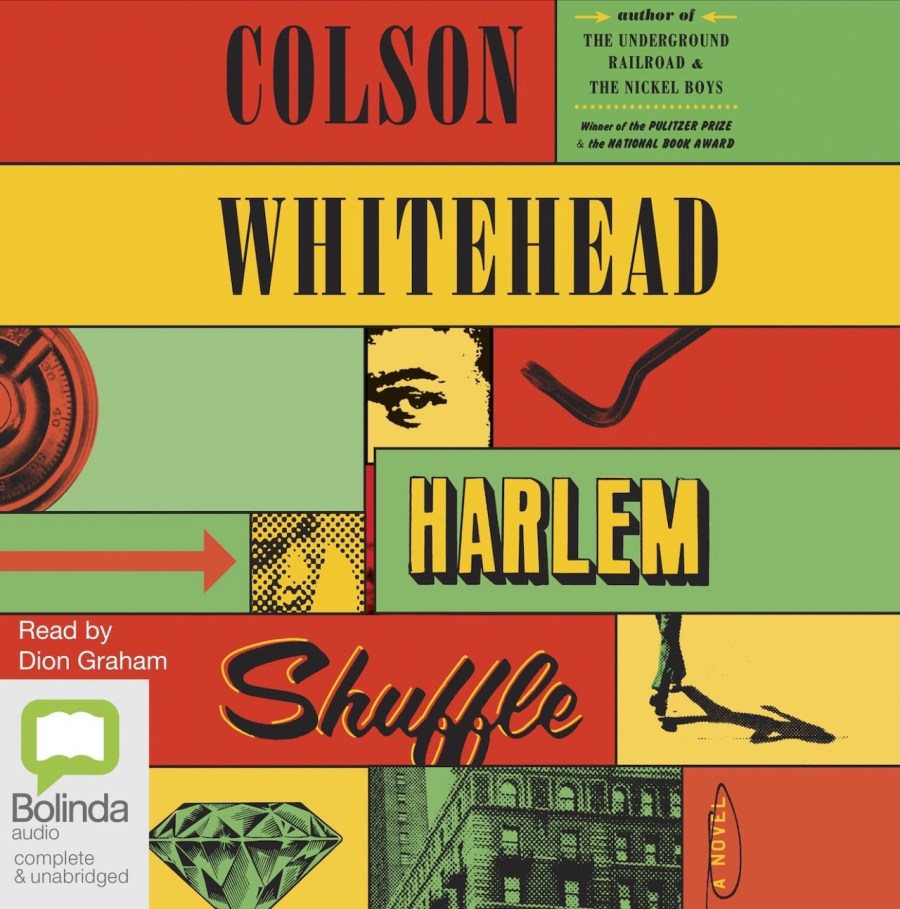
Literary crime novel Harlem Shuffle by Colson Whitehead is set in the early 1960s. Reading it was a journey of cultural immersion – full of wise guys and street talk. It’s noir-ish flavour is a study in how our environment and prejudice can limit us in life, no matter how hard we try – and how frustration at those limitations can boil over.

You came from one place but more important was where you decided to go.

When we meet Ray Carney, the civil rights movement is live, but he just wants to get on with his own life and be taken seriously as a legitimate businessman. Ray runs a furniture store in Harlem on 125th Street that he opened using money he found in his dead father’s car.

Carney imagined himself inside because he was looking for evidence of himself. Was there an Argent wingback chair or Heywood-Wakefield armoire in one of them, over by the window, the proof of a sale he’d closed? It was a new game he played, walk­ing around this unforgiving town: Is my stuff in there?

Carney senior, a petty thief and hustler, was a gunned down by police stealing cough syrup from a pharmacy. Ray is as straight as you can be in a town run on corruption, where the cops have to be paid off and the fear of retribution runs deep. Some of the goods he sells have dubious origins – he’s a reluctant fence who innocently gets caught up in a jewel heist.

Carney was only slightly bent when it came to being crooked, in practice and ambition.

Harlem Shuffle exposes the injustices in the justice system and that the line between legal and illegal is blurred. Whitehead shines a light on the false moralities of capitalism and that the founding of the USA itself, like all colonised counties was done through theft and treachery and that we are all complicit in.

There’s us, there’s water, and then there’s more land, we’re all a part of the same thing. But Park Avenue, with those big old buildings facing one another, full of old white people, there’s none of that feeling, right? It’s a canyon. And the two sides don’t give a shit about you. If they wanted, if they so decided, they could squeeze together and crush you. That’s how little you are

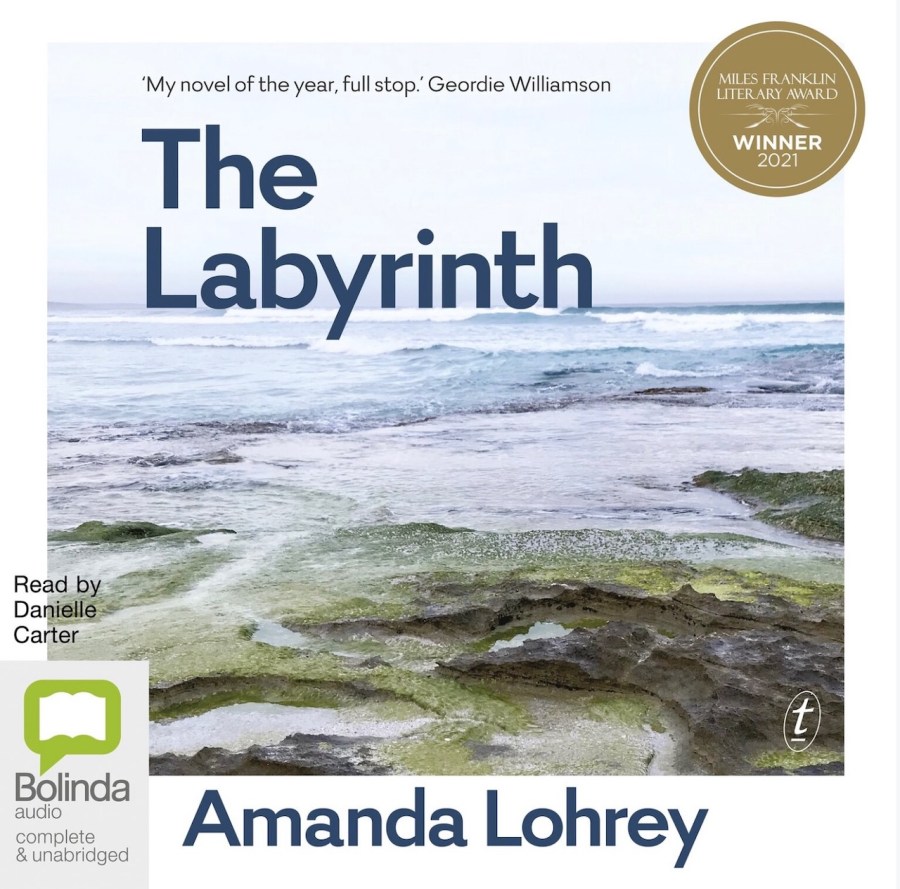
Book Review: The Labyrinth by Amanda Lohrey

The cure for many ills, is to build something.

A Labyrinth is often used as a walking meditation. The meandering path that leads to the centre creates a symbolic journey for personal, psychological and spiritual transformation.

The novel by that name written by Amanda Lohrey is a story of a personal journey, of taking oneself out of ordinary life to reflect and make space for change, to surrender to forces greater than oneself. A space to meditate on past patterns and symbolism, where outsiders gravitate in to become friends, catalysts or allies who help heal and find a new footing in the world. There is something almost gothic about the story. The reading is of itself meditative, and it demands to be read more than once in order to plumb it’s depths.

Time is a disease of the human psyche. One of my father’s precepts.  Sane people live in the moment, they do not dwell on the past and they do not succumb to fantasies about the future.  But on other occasions he would contradict himself.  When people go mad, he would say, they step out of time because time has become unmanageable and everything is chaotic flux.  They cannot put one foot in front of the other in any meaningful way.  Nor can they make a decisive intervention in the sequence of time as measured in units by the society around them. Chronology defeats them.  One disease generates another.  The larger social disease—generates the smaller private one: a mad resistance.

Erica Marsden abandons her urban life to be near her artist son housed in a jail near the NSW coast for manslaughter. Her visits to Daniel are torturous, but in between Erica tries to piece together a new life, separate from, yet drawing on reflections of her earlier years.

The walls of the visitors’ room are a violent mustard yellow,  On one wall there is a huge mural of crudely drawn trees and boulders in shades of muddy orange and greenish brown.  It has the quality of sludge.  Two warders escort me to a steel table, bolted to the floor, and I sit on a steel chair, also bolted to the floor.  Everything here is steel and concrete; even the air has a metallic taste.

Erica buys an old shack on the beach and decides to build a labyrinth like one she remembers from years ago. Abandoned by her mother as a child, she grew up on the grounds of a psychiatric institution were her father was the chief psychiatrist. She seeks meaning in her own existence as well as for why her son turned out the way he did. In this isolated town filled with other isolated people, Erica starts a new life and befriends those she would never have encountered in other circumstances.

Jurko, an outsider and illegal immigrant with the stonemason skills she requires to build the labyrinth appears in Erica’s orbit and the two form an unlikely alliance, then friendship through the building of the structure. In The Labyrinth, as in life, there is no neat ending just an unfolding that speaks to the complexities of existence and how one continues to unfold in the wake of disaster. It is a powerful and subtle story worthy of more than one visit.

I have learned that a simple labyrinth can be laid out by anyone, unlike a maze, which is a puzzle of mostly blind alleys designed for entrapment.  The maze is a challenge to the brain (how smart are you), the labyrinth to the heart (will you surrender).  In the maze you grapple with the challenge but in the labyrinth you let go.  Effortlessly you come back to where you started, somehow changed by the act of surrender.  In this way the labyrinth is said to be a model of reversible destiny.

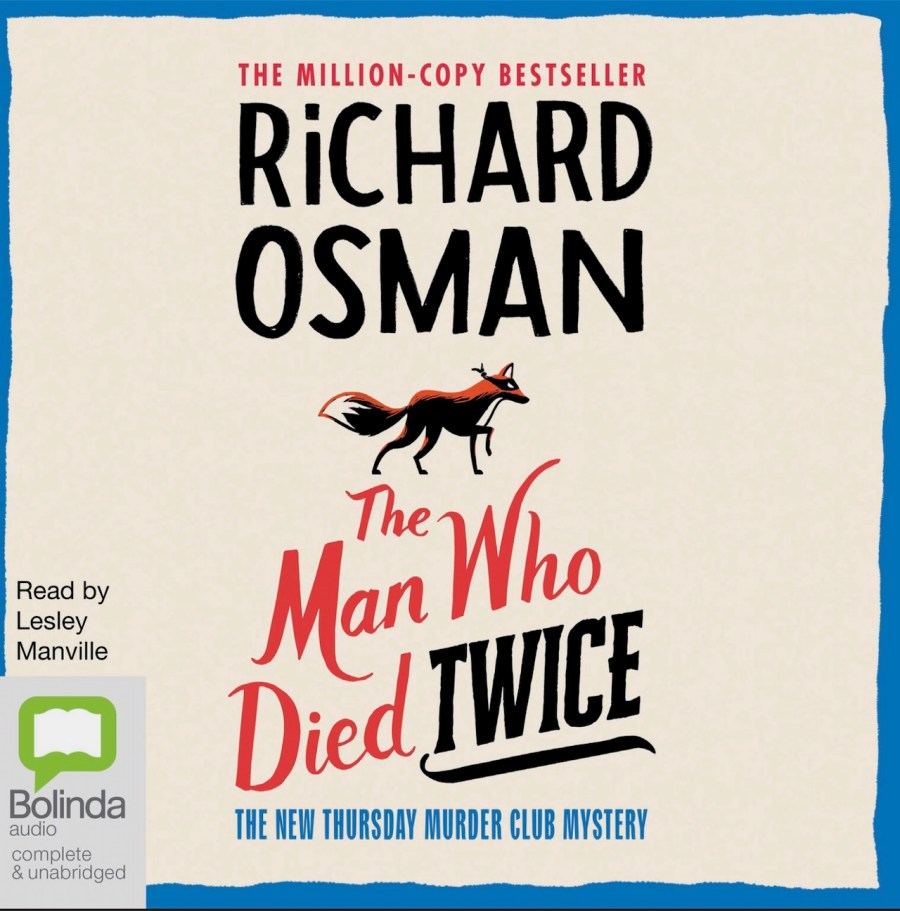
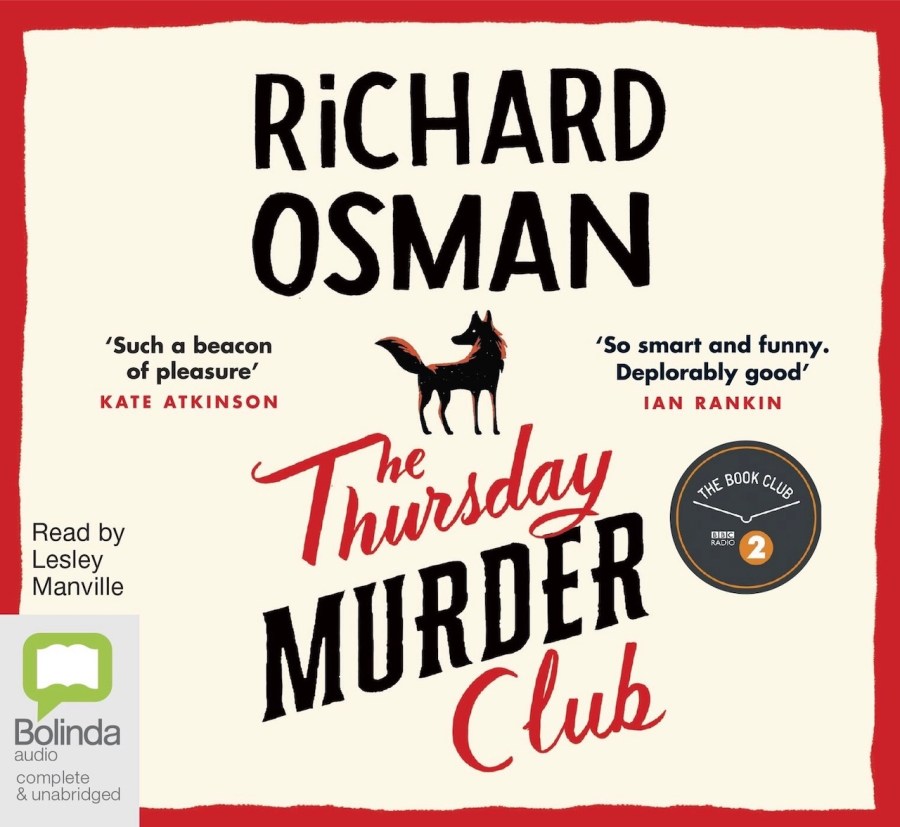
Book review: The Thursday Murder Club by Richard Osman

There is something quite joyful about mischievous septuagenarians. Comedian and television presenter Richard Osman turned his hand to writing cosy mystery The Thursday Murder Club after a visit to an affluent retirement village.

In life you have to learn to count the good days. You have to tuck them in your pocket and carry them around with you. So I’m putting today in my pocket and I’m off to bed.

Residents of Coopers Chase retirement village in Kent, Elizabeth, Joyce, Ibrahim and Ron meet weekly over wine and cake in the Jigsaw Room for their group ’Japanese Opera: A Discussion‘. It’s a front for the Thursday Murder Club and ensures they are not disturbed whilst they work on their cold-case murders. The ringleader, Elizabeth, has her ways…of getting hold of cold case files, and leveraging others for information the police would be envious of. Her conspirators are an ex nurse (Joyce), a retired psychiatrist with excellent attention to detail and logistical skills (Ibrahim), and militant unionist, Ron, or Red Ron as he is known.

Many years ago, everybody here would wake early because there was much to do and only so many hours in the day. Now they wake early because there is much to do and only so many days left.

When local developer and drug dealer, Tony Curran is found dead, the Thursday Murder Club decide they are going to solve the case. They talk disenfranchised PC Donna de Freitas into secretly working with them, promising her credit to help get her off mundane administrative work and into serious investigations. Soon the bodies start to pile up. There is another murder and a mysterious discovery of human bones that don’t belong in the part of the cemetery where they are found – on top of a coffin.

Donna has always been headstrong, always acted quickly and decisively. Which is a fine quality when you are right, but a liability when you are wrong. It’s great to be the fastest runner, but not when you’re running in the wrong direction.

The sassy characters and gentle humour make The Thursday Murder Club an entertaining and light read. The older I get, the more enjoyment I get out of reading stories with quirky old folk with a zest for life and The Thursday Murder Club hit the spot. The novel is a lovely reminder that the elderly should not be dismissed or ignored – they still have plenty to offer.

After a certain age, you can pretty much do whatever takes your fancy. No one tells you off, except for your doctors and your children.

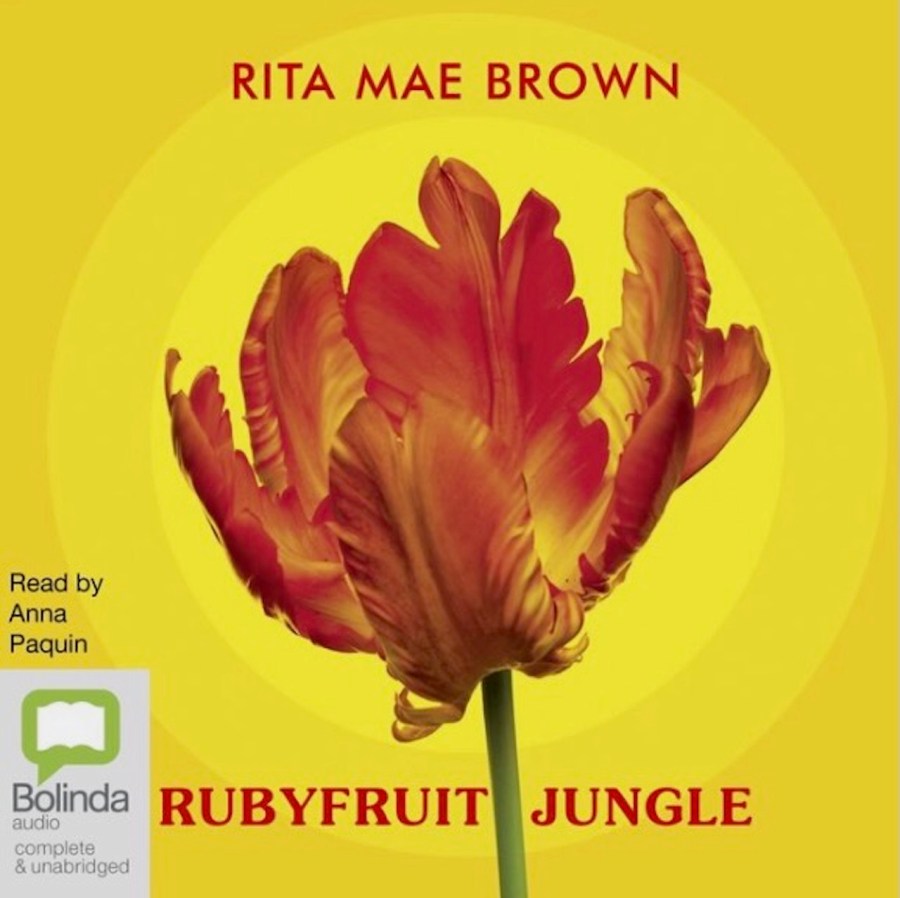
Book review: Rubyfruit Jungle by Rita Mae Brown

Refreshingly and unapologetically individual. Rubyfruit Jungle by Rita Mae Brown, set in the USA in the 1950s is a bold celebration of growing up as a lesbian, the shedding of labels and limits, life as an adventure and making it out of poverty.

Oh great, you too. So now I wear this label ‘Queer’ emblazoned across my chest. Or I could always carve a scarlet ‘L’ on my forehead. Why does everyone have to put you in a box and nail the lid on it? I don’t know what I am—polymorphous and perverse. Shit. I don’t even know if I’m white. I’m me. That’s all I am and all I want to be. Do I have to be something?

Molly Bolt is the beautiful, smart, adopted daughter of a poor family with a very strong sense of self. She shrugs off the labels people, including her mother, try to attach to her – bastard, orphan, lesbian, queer, spic, – she shrugs them off and focusses on the things she is passionate about. Molly is bold, funny and shrewd. She shines a light on prejudice and difficulty with humour and is unashamed about not fitting the mould.

I had never thought I had much in common with anybody. I had no mother, no father, no roots, no biological similarities called sisters and brothers. And for a future I didn’t want a split-level home with a station wagon, pastel refrigerator, and a houseful of blonde children evenly spaced through the years. I didn’t want to walk into the pages of McCall’s magazine and become the model housewife. I didn’t even want a husband or any man for that matter. I wanted to go my own way. That’s all I think I ever wanted, to go my own way and maybe find some love here and there. Love, but not the now and forever kind with chains around your vagina and a short circuit in your brain. I’d rather be alone.

It’s hard to believe Rubyfruit Jungle was first published in 1973 but I wish I’d known about it then — it’s so much more uplifting than The Well of Loneliness which was the first novel depicting lesbians that I read — and it was bloody depressing. I love Molly’s frank, tell it like it is boldness and that she is fully committed to just being herself in a world that wants everyone to be the same. She understands equivocally that the ‘problem’ is societies cookie cutter attitude toward what is ‘normal’.

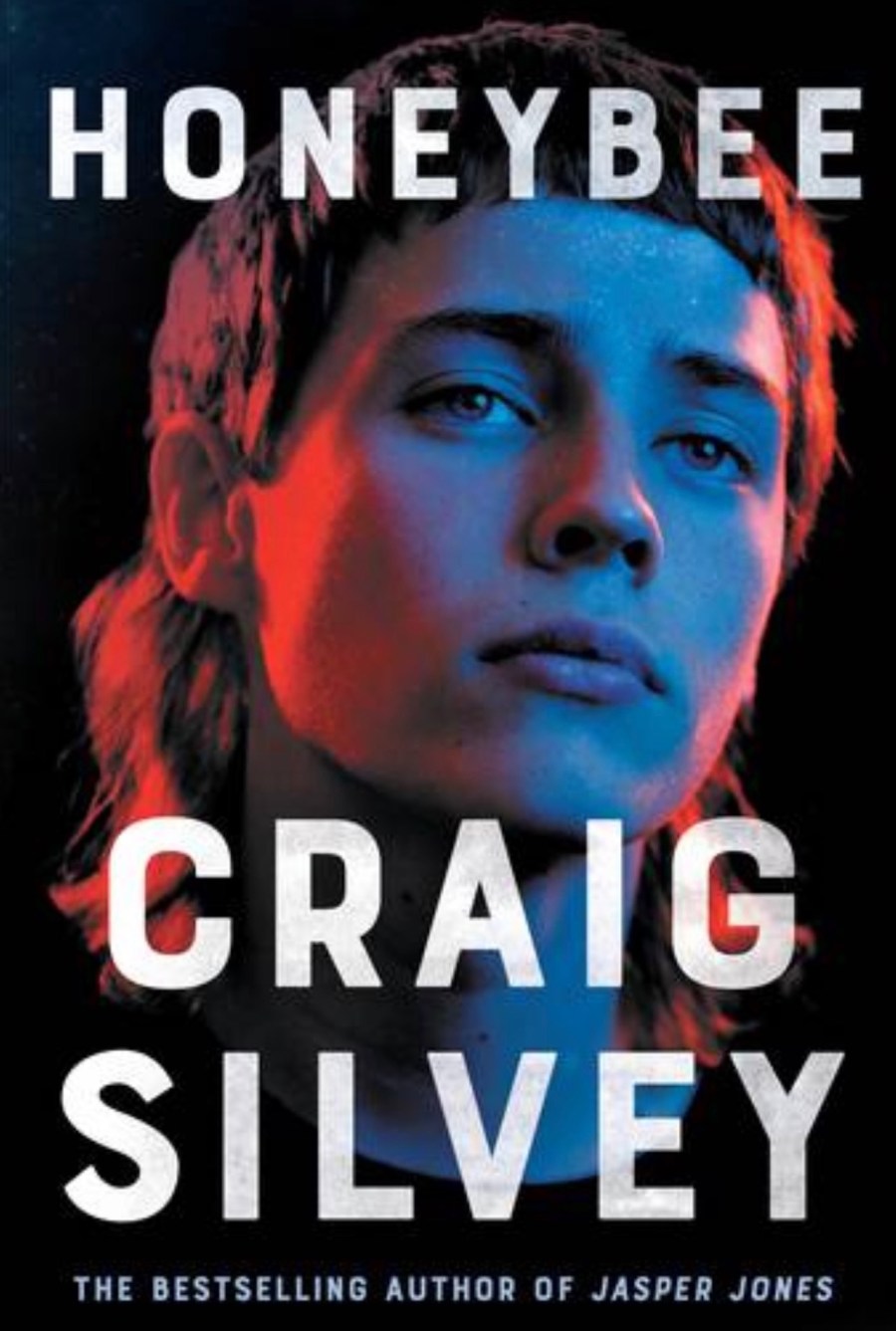
Book review: Honeybee by Craig Silvey

Heart wrenchingly sad, tender and beautiful, Honeybee is the coming of age story of Sam Watson, a fourteen year old boy with gender dysphoria on the cusp of puberty. The book opens with Sam standing on the wrong side of the railings of an overpass, driven to despair by his ‘otherness’ and the hurt and rejection that he has already been subject to because he is different in a society that cannot tolerate diversity.

It was very timely reading this book whilst the Australian Parliament argued over the so called ‘religious freedom bill’, that if passed, would favour the protection of religious people over rights of LGBTI folk – particularly trans kids and allow religious institutions to discriminate against those who do not conform to their particular principles. The bill was debated a week after one christian school had asked parents to sign an enrolment contract that referred to homosexuality as a sin – including it in a list of ‘immoral’ behaviour alongside bestiality, incest and pedophilia. The outrage that followed caused the school to withdraw the letter.

All these vitriolic shenanigans are backlash following the 2017 same sex marriage vote from a small group of the not so loving (hateful) faithful who still struggle to accept that humanity is a broad, diverse church – and that is ok. I have waxed lyrical about this before. Some people just love to hate, but fortunately a few politicians voted with their conscience resulting in the bill being shelved…for now.

…back to Honeybee. Sam grew up in poverty with a single mum he adored but who suffered from addiction issues and falling for abusive, criminal men. Sam is too gentle for this life. Whilst standing on the bridge he sees an older man, Vic, also standing on the wrong side of the railings. The meeting prevents both from following through their intentions and the two becomes friends – finding in one another a reason to keep living, and Sam finds his logical family.

Honeybee is a book about what and unaccepting society does to people who are different, and how love and acceptance can change an outsiders trajectory to one of self-discovery and self-acceptance. Here’s hoping that religious freedom bill gathers dust on the shelf until the silverfish are sated.

Honeybee has been subject to some debate over the efficacy of the story because ‘it was written by a cis man using predictable tropes’ – there is a view that writers should only write from their own experience and leave own voices to tell their stories themselves. My concern is that this limitation could result in very little on mainstream shelves about diversity, and marginal groups need allies to help drive change in mainstream hearts. Personally I was moved by Honeybee, it made me feel a lot of things and I wanted Sam to be ok, so that’s a good thing.

Book review: Freckles by Cecelia Ahern

Alegra Bird was raised on Valentia Island by her deeply eccentric father after her mother abandoned them soon after Allegra’s birth. Alegra is nicknamed Freckles (for obvious reasons) and grows up wanting to join the Garda. When that dream doesn’t eventuate, she moves to Dublin to become a parking warden and a life model and lives in a flat above a gym . She is kind of kooky and awkward. Her days revolve around a regimented routine, order, being rule observant (mostly) and the desire to find her long lost mother.

There is a guy who drives a yellow Lamborghini and never pays for parking. Freckles dutifully issues him parking tickets frequently. One day the driver confronts her and yells aggressively, ‘you are the average of the five people you spend the most time with’, implying that her five must be losers, just like her.

They say you’re the average of the five people you spend the most time with, he says, glaring at me, nostrils flaring like a wolf. Doesn’t say a lot about the company you keep, does it. That’s one, he points in Paddy’s direction. I wonder who the other four losers are in your life.

The confrontation sets Allegra obsessing about her ‘five’, she not even sure if she has five and what that says about her. She develops a determination to get the five right people into her life to shape her and her future, and help her join the dots.

But this is what happens when you come apart, the secret bits you knew about each other dissolve into nothing.

The story is told from Allegra’s point of view (free of speech quotation marks which seems to accelerate the pace) who is an endearing, flawed character. Freckles is light, funny, at times sad, but ultimately an uplifting story about human connection, friendship and self discovery.

Book review: The Outsider by Stephen King

Stephen King has published 63 novels, but The Outsider, a horror/crime fiction novel is the first one I have read. If you want to frighten yourself, this could be the book for you. One hot night whilst absorbed in the story I had to get up and close and lock all the doors after I started to get spooked. As it turns out I needn’t have bothered because the thing that had frightened me could have gotten in if it wanted to, doors locked or not.

‘Once you eliminate the impossible, whatever remains, no matter how improbable, must be the truth.’

A young boy is abducted and brutally murdered in Flint City. A witness saw the local little league coach, English teacher and father of two girls drive him off in a white van, another saw him emerge from where the body was found covered in blood, a third saw him dump the van and drive away in another car…Detective Ralph Anderson swoops in mid game to arrest Terry Maitland in front of the kids, parents and Terry’s own family — the man had coached Ralph’s son as well and he’s outraged. Soon Anderson has DNA evidence and fingerprints as well — a quick resolution to a sordid tale. Or is it?

There was one rock-hard fact, as unassailable as gravity: a man could not be in two places at the same time.

Terry Maitland has an alibi. He was also caught on video, and his fingerprints found at a conference in another town when the murder was taking place.

Enter stage left, eccentric private investigator Holly Gibney to help Anderson get to the truth. I loved the character of Holly – she’s extraordinary in her ordinariness. She’s on the Autism spectrum, obsessive-compulsive and has sensory processing issues. She’s extremely intelligent and observant but her awkward, self deprecating, uncertainty make her uncomfortable in her own skin and self-conscious around others. Yet she is brave and can be relied on in a crisis.

Themes include justice triumphs over evil, loss of innocence, identity, belief and disbelief. I don’t usually read horror, but it would be fair to say the crime element and the character of Holly were major factors that kept me glued to The Outsider at every chance I got – devouring it hungrily till the end.

Book review: 56 Days by Catherine Ryan Howard

Despite not being sure I was ready for a book set during the pandemic I was soon riveted by Catherine Ryan Howard’s latest psychological thriller 56 Days. Whilst the pandemic is not the focal point of the novel, Howard uses the unique circumstances created by the lockdown in Ireland to help drive suspense in the plot.

People think the decisions you make that change the course of your life are the big ones. Marriage proposals. House moves. Job applications. But she knows it’s the little ones, the tiny moments, that really plot the course. Moments like this.

Clare and Oliver, both new to Dublin, meet it a supermarket queue and start dating. The new lovers navigate their tentative romance deciding what to reveal to other about themselves as each begins to believe the other may be ‘the one’. When the government announces a strict two week lockdown due to the pandemic they make a decision to move in together so they can continue to explore their budding romance. No one knows they are dating.

‘We have these stories we tell ourselves—and other people—about ourselves, based on what happened to us in the past, or what we did, or decisions we made, and then they become our future just by the telling. It’s like a …’
‘Self-fulfilling prophecy? she offers.

Two detectives – DI Karl Connolly and DI Lee Riordan – are called to an exclusive apartment in Dublin to investigate a strong odour. The detectives find a decaying corpse in the shower recess and must determine whether it was an accident or foul play was involved.

Lies are spindly, unwieldy things. Delicate filaments, like bundles of nerves in the body. Easy to twist, hard to control, impossible to keep hold of.

56 Days moves back and forth in time from before the pandemic to the present to gradually reveal the stories of Oliver, Clare, DI Karl Connolly and DI Lee Riordan. The characters of Clare and Oliver are filled with the anxiety and anticipation of new love, including withholding information from one another that could throw a shadow over their budding romance. The detectives inject the good natured banter of work colleagues and humour to the story, along with a few gruesome details.

The novel is really well plotted, threaded through with a sense of dread and anticipation that something terrible could happen at any moment. Howard takes the reader to the edge of their seat repeatedly, then draws back, and story ends with an unexpected twist. I really enjoyed the audio book narrated by Alana Kerr Collins – the Irish accent adds to the telling of the story.

Book review: Turncoat by Anthony J Quinn

I’ve stayed in Ireland for another book with Anthony J Quinn’s novel Turncoat. Cold, dreary, claustrophobic — good ingredients for a thriller. Turncoat is set in the lead up to the Good Friday Agreement that ended most of the violence of the Troubles in Ireland, and was a major step forward in the peace process. Quinn plays with traditional crime fictions forms — the opening is like a shoot ‘em up James Bond adventure that morphs into a mind bending locked room mystery before spinning around again with a noir like twist.

He felt hollow inside, unsure of anything, least of all his own thoughts and feelings, stumbling over his shadow, the ghost of a lonely detective who had somehow escaped his own execution.

Desmond Maguire is a catholic detective in the Northern Ireland police force. When he is framed by either the IRA or the republicans his tenuous grip on control fractures, helped along by his tendency to drink way too much — personal conflict plus in this story. He is the sole survivor of an ambush and seen as a second class citizen by his police peers and a turncoat in his own community.

The guts of the novel has a surreal and almost locked room mystery feel to it. Maguire flees on an involuntary pilgrimage to Lough Derg in Donegal after receiving a postcard that inspires him to go there believing he will find the answer to who framed him. The traditional Lough Derg three day pilgrimage only allows participants one meal of black tea or coffee, dry toast, oat cakes and water, and deprives them of sleep and footwear as they walk around the island in prayer. The longer Maguire is on the island the more paranoid he becomes.

During the worst days of the Troubles, Belfast kept its traitors out of sight, like the homeless drunks who froze to death in back alleyways, or the suicides who thew themselves off bridges into the dank Lagan waters. The bodies of spies and informers were usually transported to the border and left in ditches or covered in bin bags where they no longer posed a risk to anyone, and their deaths might not seem so terrible or pitiable.

The island is analogous to a miserable, claustrophobic locked room. The story plays with reality, showing Maguire’s undoing facilitated by the deprivations of the pilgrimage, excessive consumption of illicit alcohol, the other pilgrims fascination with him, and his anxiety that someone on the island is after him. He can’t tell the difference between truth and fiction — even in his own mind.

Quinn does a great job of bringing to life the confusion and suspicions that must have existed during those times in Ireland. Themes include religion, corruption, mistrust and betrayal – it is not an easy or light read, but the discomfort is compelling and leaves residual long after it ends.

Book review: Snowflake by Louise Nealon

Snowflake is a coming of age story set in Ireland about a young woman called Debbie who is naive, vulnerable and determined. The novel is Louise Nealon’s debut.

Debbie lives on a dairy farm in Kildare with her mentally ill mother, Maeve, who writes down dreams and takes to her bed for long stretches of time. She tells Debbie she doesn’t know who Debbie’s father is. Her mother’s younger boyfriend, James, also lives with them.

When we fall asleep, we go to a place where words dissolve and become meaningless, like rain dropping into the ocean. As soon as rain hits the ocean it is no longer called rain. As soon as a dreamer enters a dream there is no longer the dreamer. There is only the dream.

Debbie’s uncle Billy lives in a caravan out the back of the farm house. He drinks too much but he is also the constant and stability in Debbie’s life. He wants her to have more from her life than the farm. He teaches her everything he knows and pushes her to go to college, which she does, commuting to university in Dublin.

We look at the sky as though it depends on us to hold it up there

At university Debbie is befriended by Xanthe, more sophisticated and worldly than Debbie and fascinated by Debbie’s farm life.

Told in first person, present tense the story rolls through Debbie’s first eyeopening year at university. We experience her relationships with those around her and her relationship with herself. She fears she may share her mothers illness — she dreams other people’s dreams. The exploration of mental illness is handled well and sensitively with humour.

Snowflake encompasses a strong sense of both place and character from which the well paced story emerges. The title of the novel is a nod to, and attempt to take ownership of the term sometimes used to describe millennials who are often seen as oversensitive and lacking resilience.