Book review: Lessons in Chemistry by Bonnie Garmus

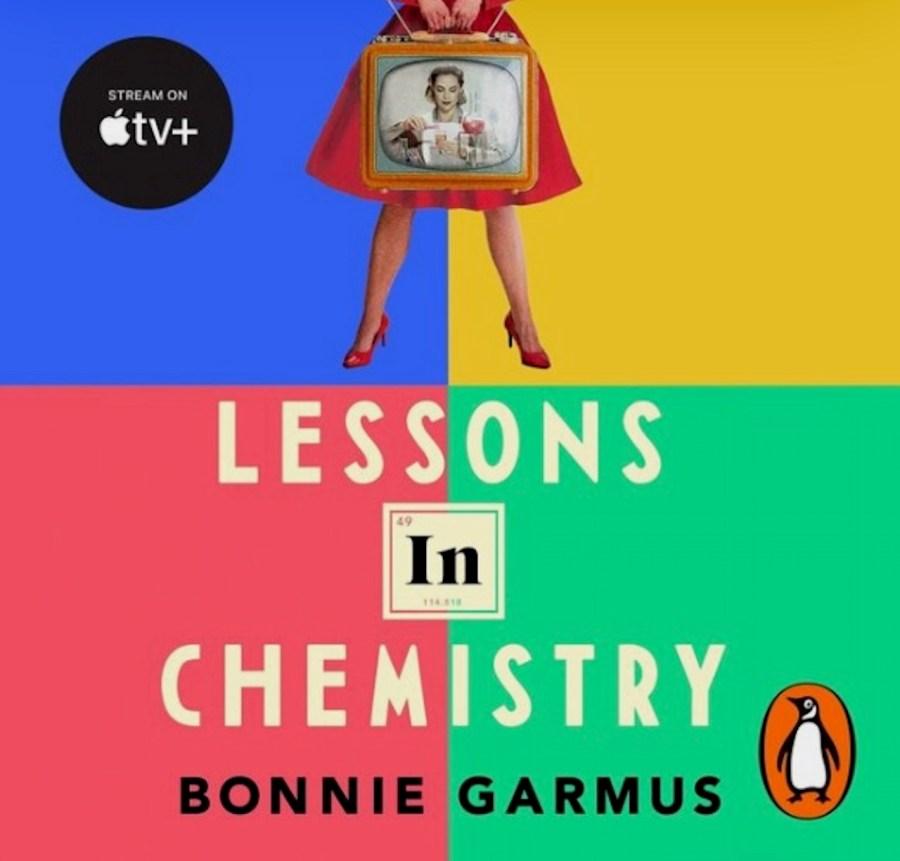
Lessons in Chemistry by Bonnie Garmus is an original, laugh out loud, keenly observant romp through through the world of sexism, discrimination and stereotypes of the late 50s and early 60s.

Your days are numbered. Use them to throw open the windows of your soul to the sun

The story opens in 1961 and is told (mostly) by the no-nonsense Elizabeth Zott, a quirky, self-assured pioneering chemist, feminist, cooking show host, mother of an illegitimate daughter, and a very intelligent and insightful dog.

I don’t have hopes,” Mad explained, studying the address. “I have faith.” He looked at her in surprise. “Well, that’s a funny word to hear coming from you.” “How come?” “Because,” he said, “well, you know. Religion is based on faith.” “But you realize,” she said carefully, as if not to embarrass him further, “that faith isn’t based on religion. Right?

Elizabeth Zott’s profession was as an unapologetically blunt and brilliant research chemist, but her career had been frustrated because a) she’s a woman b) she’s unapologetically independent c) she lives with the man she fell I love with (her soul mate) but refuses to marry him d) her lover dies and she bears his illegitimate child e) misogyny.

No surprise. Idiots make it into every company. They tend to interview well.

By an accident of fate she becomes the star host of television cooking show, Supper at Six, after the love of her life dies and she is fired from her job at the research institute. She decides to ignore the show’s producers and uses the platform to speak to millions of housewives about realising their own potential.

“I call this the ‘love at first sight’ bond because both parties are drawn to each other based solely on visual information: you like his smile, he likes your hair. But then you talk and discover he’s a closet Nazi and thinks women complain too much. Poof. Just like that the delicate bond is broken. That’s the hydrogen bond for you ladies — a chemical reminder that if things are too good to be true, they probably are.”

Lessons in Chemistry is brimming with idiosyncratic characters including Elizabeth’s soul mate, fellow scientist and Nobel-Prize nominated, grudge holding, orphaned, rower who doesn’t like rain, Calvin Evans; her highly inquisitive and intelligent daughter Mad Zott; their pooch, failed bomb disposal dog Six-Thirty; neighbour Harriet Sloane who hates her husband but holds out the hope of true love; and Walter Pine, TV producer and single father of Mad’s friend who steals her lunch.

Whenever you feel afraid, just remember. Courage is the root of change – and change is what we’re chemically designed to do. So when you wake up tomorrow, make this pledge. No more holding yourself back. No more subscribing to others’ opinions of what you can and cannot achieve. And no more allowing anyone to pigeonhole you into useless categories of sex, race, economic status, and religion. Do not allow your talents to lie dormant, ladies. Design your own future.

Garmus’s debut, Lessons in Chemistry covers serious themes with dark comedic grace and absurdity through a fresh lens. The novel won the Australian Book Industry Awards International book of the year. It was a joy to read and one of those rare books I couldn’t put down, and I love that Garmus was 65 when it was published – what an inspiration!
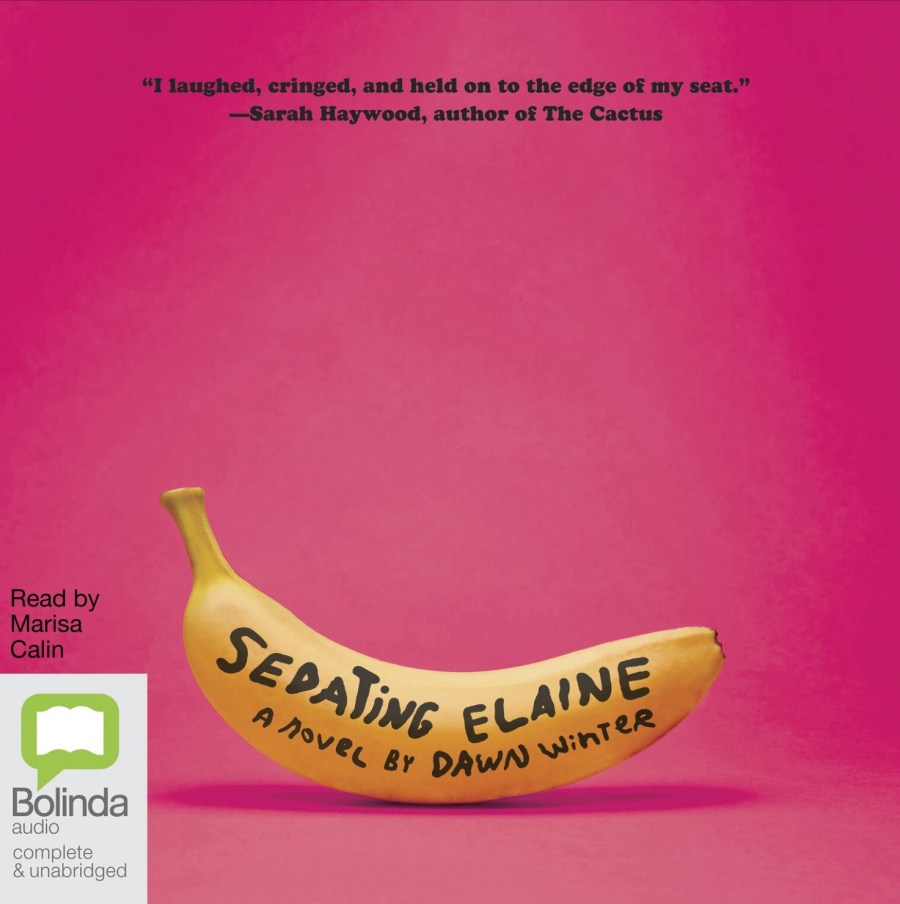
Book review: Sedating Elaine by Dawn Winter

Sedating Elaine is a tale about broken hearts, bad decisions and unresolved childhood trauma told with dry, dark humour.

Young Londoner, Francis drinks and takes drugs to avoid her feelings, problems and a girlfriend she doesn’t really want. Inevitably the drugs become her problem when she finds herself in debt to her drug dealer for a lot of money she doesn’t have. Her job in a restaurant won’t raise what she needs before her dealer comes good on his threat and sends his debt collectors around to teach Francis a lesson.

This is the problem when a person makes everyone feel special; it means none of them are special.

Francis is still hung up on the last girlfriend who dumped her. She doesn’t particularly like her current sex crazed girlfriend Elaine who she picked up at a bar one night and has been hanging around ever since. But she asks Elaine to move in and pay rent so she can pay off her debt.

Francis was the sort of person who accumulated incredibly short, intense relationships that ended explosively, beyond repair, well beyond salvaging a friendship

When Elaine moves in with all her stuff and her noise, Francis starts to be driven mad. She craves quiet and alone time, so she decides to drug Elaine to keep her quiet until she’s paid her debt. Then she’ll dump her.

Elaine greeted her at the door wearing g a face of concern and nothing else.

The morally unhinged cringeworthy protagonist in Sedating Elaine will take you on an outrageous rollicking ride through her dysfunctional life. The debut novel was an easy, if uncomfortable read that had me laughing inappropriately all the way through.

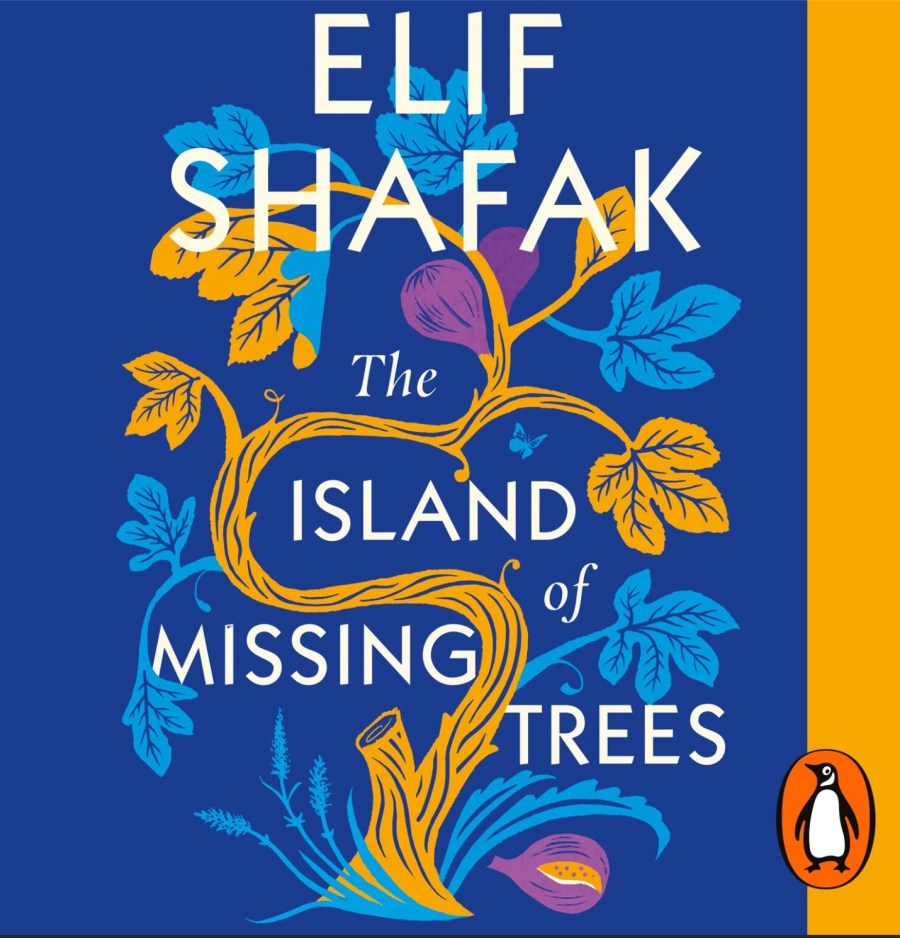
Book review: The Island of Missing Trees by Elif Shafak

I have been know talk to trees and animals myself, so a novel that includes the point of view of a fig tree was enticing. The Island of Missing Trees by Elif Shafak is a beautiful story about the turbulent history of Cyprus and its impact on the lives of ordinary people. The story contains three narratives.

Because in real life, unlike in history books, stories come to us not in their entirety but in bits and pieces, broken segments and partial echoes, a full sentence here, a fragment there, a clue hidden in between. in life, unlike in books, we have to weave our stories out of threads as fine as the gossamer veins that run through a butterfly’s wings.

A forbidden marriage between a Greek Christian and a Turkish Moslem during the post colonial violence in Cyprus is so disapproved of that Kostas and Defne Kazantzakis move to England. As young lovers in 1974 they met in secret at The Happy Fig, a tavern owned by two men who understand forbidden love.

That is what migrations and relocations do to us: when you leave your home for unknown shores, you don’t simply carry on as before; a part of you dies inside so that another part can start all over again.

Kosta and Defne’s 16-year-old Ada in London in the 2010’s is grieving her mother’s death when her aunt Meryem arrives and unravels the Cypriot history of Ada’s parents.

So I guess it is in my genes, this melancholy I can never quite shake off. Carved with an invisible knife into my arborescent skin.

The third narrative belongs to the talkative fig tree originally growing at the The Happy Fig tavern. A cutting of the fig is transplanted into an English garden by Kosta.

I wish I could have told him that loneliness is a human invention. Trees are never lonely. Humans think they know with certainty where there being ends and someone else’s starts. With there roots tangled and caught up underground, linked to fungi and bacteria, trees harbour no such illusions. For us, everything is interconnected

The Island of Missing Trees is about beauty and violence, secrets, history, natural history, love, trauma and resilience. The story examines ordinary lives can be recast by societal events, what compels someone to leave their homeland, the adjustments of immigration and the impact of the consequent loss of culture.

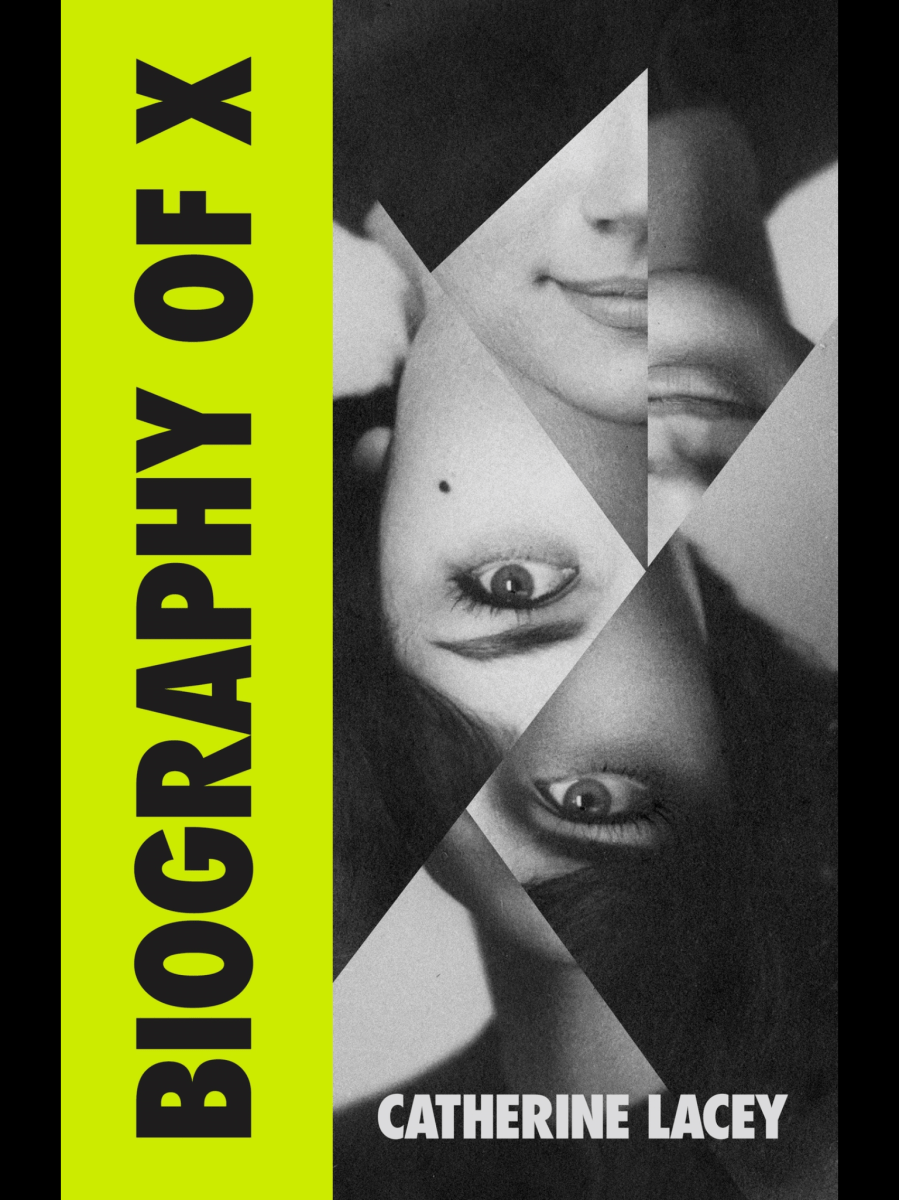
Book review: Biography of X by Catherine Lacey

The title of this book—as titles so often are—is a lie.

Biography of X by Catherine Lacey is an odd, but compelling genre-bending work of fiction. It is written in the style of a biography, including photographs, bibliography and references with footnotes, by a narrator who is a journalist. Biography of X is set in a USA with an alternative history in which the southern states have succeeded during the ‘great disunion’ of 1945 and become a dictatorial theocracy.

The sky was moonless and blasted full of stars, and as I looked at them, exhausted into naïveté, I felt almost fearful of the vastness above me.

X was an eclectic artist, of books, music and art installations. Before her death in 1996, the mysterious X had collaborated with the likes of David Bowie and Tom Waits. She took the name X in 1982. It was unclear whether any of her many prior pseudonyms where her real name.

The first winter she was dead it seemed every day for months on end was damp and bright—it had always just rained, but I could never remember the rain—and I took the train down to the city a few days a week, searching (it seemed) for a building I might enter and fall from, a task about which I could never quite determine my own sincerity, as it seemed to me the seriousness of anyone looking for such a thing could not be understood until a body needed to be scraped from the sidewalk.

The narrator/author of the biography is, CM Luca, X’s widow. She is obsessed with trying to find the truth about the woman to whom she was married. She is motivated to write the biography after becoming infuriated by another published by someone else that she feels misrepresents her beloved.

This pathetic boy—no biographer, not even a writer—was simply one of X’s deranged fans. I don’t know why she attracted so many mad people, but she did, all the time: stalkers, obsessives, people who fainted at the sight of her. A skilled plagiarist had merely recognized a good opportunity and taken it, as people besotted with such delusion hold their wallets loosely.

Despite their marriage, when X died, Luca did not know her birthplace, date or real name. She sets out to piece together X’s past, untangle fact from fiction and process her own grief through a series of interviews with former spouses, lovers, and friends. Luca trawls through papers left behind by X trying to make sense of who her wife was and by extension their relationship and herself.

We cannot see the full and terrible truth of anyone with whom we closely live. Everything blurs when held too near.

X was clearly brilliant, difficult and troubled in the way that great artist often are. Her relationship with Luca was imbalanced and dysfunctional. Luca traces X’s origins to the Southern Territories and seeks out her family of origin, her roots as a revolutionary or terrorist depending on whom she speaks to.

But I did not find this so awful. Grief has a warring logic; it always wants something impossible, something worse and something better.

Biography of X is one of the most unusual and ambitious works of fiction I have read in a long time. Its mesh of genres, bending of history, and melding of the real with the imagined is discombobulating and enthralling.

Perhaps your ability to feel it waned, perhaps you are the one who ruins things, it was you, you—and there it was again, that useless, human blame two people will toss between each other when they become too tired or weak to carry the weight of love.

There was so much in this novel, both in form, content and emotion that it took me a long time to read it, but I am glad I did.

Book review: Cleave by Nikki Gemmell

Cleave by Nikki Gemmell is a story about the relationship between a father and his daughter set against the stark landscape of the desert in the Australian outback.

The story begins with a cheque. The envelope that carried it was bruised with grubbiness and worn thin from too many hands. The envelope took two months to find her. The amount of the cheque was substantial and the typewritten instructions were blunt: hunt him down

Thirty year old Snip Freeman is a nomadic loner and artist based in Sydney. Her grandmother died and left her enough money to buy a ute and a request to return to Alice Springs and find her father, Bud. Dave responds to an add Snip places for someone to share the journey and the two strike up a relationship of sorts. Dave is fascinated by Snip’s free spiritedness, even after she abandons him.

A man told her once she’s the type of woman men never leave. They don’t. She leaves them. She gives them the feeling that any minute she’ll be off, so while they’re with her they’re obsessed.

Snip and Bud’s relationship is complicated. He absconded with her when she was a child after his relationship with her mother ended, cut Snip’s hair and turned her into a boy to disguise who she was. Their reunion almost becomes deadly when the two of them take trip into the desert.

People without curiosity are like houses without books: there’s something unsettling about them.

Cleave was written in 1998, but its outback setting gives it a timeless quality. The story includes Indigenous characters written without appropriation – perhaps a consequence of Gemmell’s personal experience of living in Alice Springs.

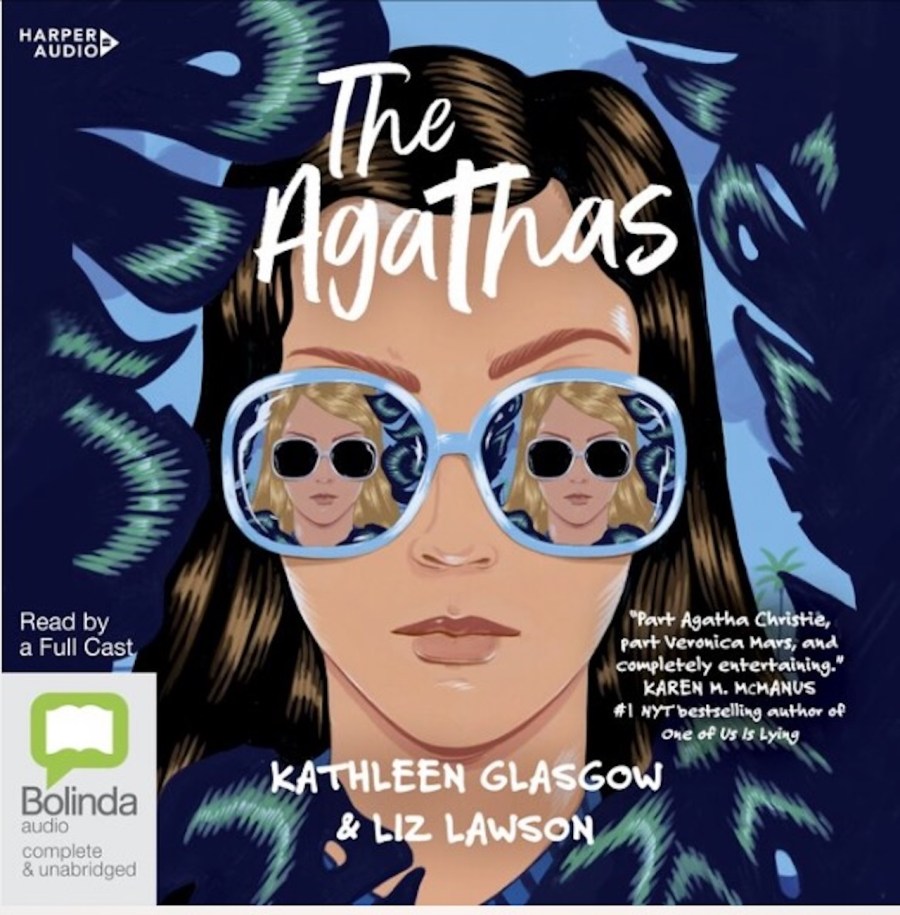
Book review: The Agathas by Kathleen Glasgow & Liz Lawson

The Agathas by Kathleen Glasgow and Liz Lawson is a fun twisty young adult mystery.

Alice Ogilvie is a financially privileged A-lister but her upbringing is largely outsourced. She has been ostracised by the popular group at school after disappearing when her best friend stole her basketball star boyfriend. Now she refuses to talk about it and just needs to stay out of trouble.

Three hours back at school and I’m already in trouble? Good lord, I’ve barely had time to pee.

Iris Adams lives in a working class area with her single mum who works hard to provide for her daughter. Iris is asked by the school to become Alice’s tutor. The two are an unlikely pair, but soon become friends as they bond trying to solve a mystery – the disappearance of Alice’s best friend Brooke.

Well,” I say, “I once saw a show about a guy who bludgeoned his mother to death in the kitchen and then cooked a full meal of pot roast and mashed potatoes, so anything is possible.”
“Iris,” Alice says wearily. “You seem like such a nice person and her your brain is full of horrible things.

As the title suggests, the book pays homage to Agatha Christie. Alice is a big fan and is inspired by what she’s learnt from the mystery writers novels, using the strategies in her own search to solve the mystery of her missing friend.

We are probably this far from donning trench coats, smoking Lucky Strikes, and slinking furtively around town, taking notes in a little black book.
Which doesn’t actually sound all that bad, truth be told.

When Brooke’s body turns up and her boyfriend is arrested, the girls decide they need to find the real truth and fix the miscarriage of justice. They are aided by the hard drinking, smoking, disheveled female lawyer representing the boyfriend who also used to be Iris’s babysitter.

An English writer known for her 66 detective novels and 14 short story collections. Also known as the bestselling author of all time. Also, one bad bitch.

I really enjoyed the characters, the teenage dramas, the red herrings and the Christie references. Something in this one for young and old.

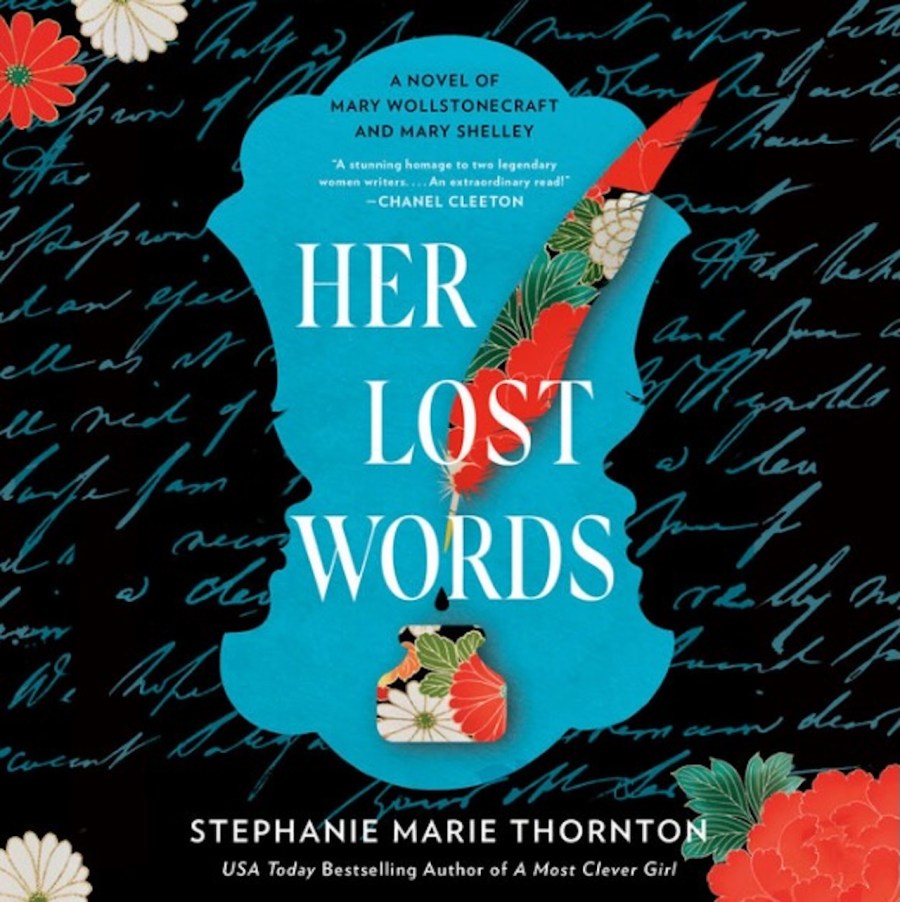
Book review: Her Lost Words by Stephanie Marie Thornton

Who doesn’t love a literary novel about fierce feminist writers? Her Lost Words chronicles the lives of mother and daughter authors Mary Wollstonecraft and Mary Shelley.

Words have the power to transform us, Mary. They can lift us from our grief. The ideas they form can even offer humanity the hope for the future,

Teenage Wollstonecraft fled her violent father’s home in 1775 and was taken in by a reverend’s family who encouraged her love of reading and helped her find a life for herself with a job as a governess. She became one of the founding feminist philosophers with her book A Vindication of the Rights of Women in which she proposed that women were equal to men. Vindication was a trailblazing feminist text.

Mary did know, she’d learned from Claire—who had heard it from her mother—that Mary Wollstonecraft’s life had scandalized society to the point where the entry for prostitution in the conservative publication The Anti-Jacobin Review read “see: Mary Wollstonecraft.”

An independent woman who never bowed to conventions, Wollstonecraft died soon after giving birth to her daughter, Mary. Mary Shelley grew up in the shadow of her mother. Even her lover, Percy Bysshe Shelley, whom she met at a dinner party and then eloped with, first confessed to being a fan of her mother’s writings.

Knowledge is the fairest fruit and the food of joy. You must never forget that. And you must swear a solemn oath that you will never stop reading, or learning, or sharing that knowledge, like the philosophers of old.

Her Lost Words is a historical fiction novel based on the real lives of women who went against the grain and forged their own paths. The story spans England, France during the revolution, Switzerland and Italy. It tells of their loves and loves lost, their relationships with one another and the world around them at at time when women were on the cusp of changing the world and its relationship to them. A touching and inspiring tribute to two literary women of history.

This is a love letter to two brilliant women who lit the way for not just women writers, but all women.

authors note

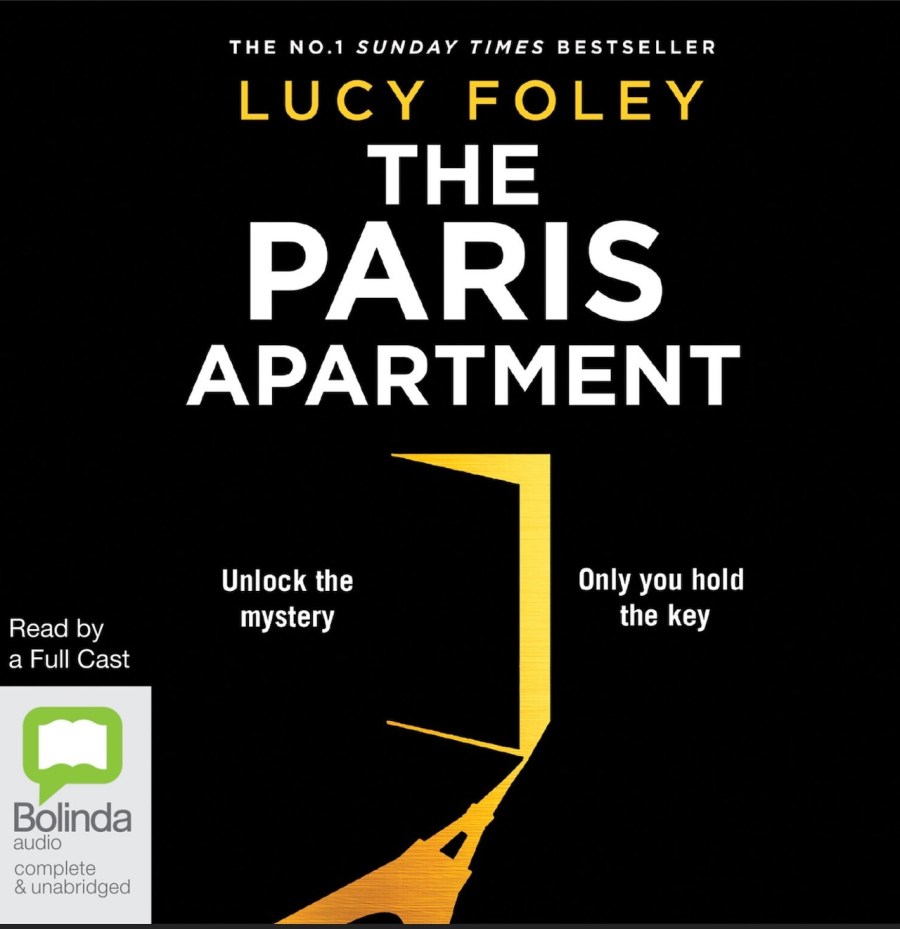
Book review: The Paris Apartment by Lucy Foley

The Paris Apartment is a slow burn psychological thriller by Lucy Foley told from multiple points of view. The novel is set (you guessed it) in Paris while riots are breaking out in the city.

It’s not about where you came from. What kind of shit might have happened to you in the past. It’s about who you are. What you do with the opportunities life presents to you.

Jess leaves London after an altercation with her boss and goes to stay with her brother in his Paris apartment. When she gets there brother Ben is no where to be found. At first she thinks he’s just gone away briefly, but then she finds blood on his cats fur, a bleach stain on the floor near the front door, his necklace that he never took off, and his motorbike with shredded tyres in the basement.

You know, I read somewhere that sixty percent of us can’t go more than ten minutes without lying. Little slippages: to make ourselves sound better, more attractive, to others. White lies to avoid causing offence. So it’s not like I’ve done anything out of the ordinary. It’s only human.

The cast of characters that live in the apartment block include an old friend of her brothers, a Parisienne socialite, a troubled teenager, an angry alcoholic and a concierge who sees all but says little. The building itself also develops a creepy character of its own as the story progresses. Jess soon discovers that the disperate residents and the apartment block itself are not what they first seemed.

It’s a beautiful building, but there’s something rotten at its heart. Now he’s discovered it he can smell the stench of it everywhere.

The Paris Apartment is an easy read with interesting character development and some unexpected twists. Themes include class, wealth, corruption, betrayal, unrequited love and inner demons.

Book review: The Cutting Room by Louise Welsh

If you like well crafted detective fiction with a bit of gruesome content, The Cutting Room, debut novel by Luise Welsh, could be for you.

Rilke works in a Glasgow auction house that sells the contents of deceased estates. Business is tight so he jumps at the chance to clear out Miss McKindless’s deceased brothers house, unperturbed by her need for haste and instruction that he alone must deal with the items in the attic and destroy them. The house has some good stuff that will sell well, he thinks.

John had said McKindless would be revealed through his library, but John was a bookseller; he formed his opinion of everyone through their books.

When Rilke ascends the stairs to the attic he finds a stash of rare pornographic books and old black and white photos in an envelope. The photos portray the sexual torture and murder of a young woman many years earlier in a room with French looking furniture. Rilke isn’t sure if the photos are real or staged, but is disturbed by the images and decides to turn detective.

We, the readers, are drawn into Rilke’s life as he cruises for men and hangs out with a caste of interesting and dubious characters – drug dealers, transvestites, shady book dealers, pornographers, bent cops, and his Merlot swilling boss Rose who colludes with him on a plan to skim off the profits of the sale.

People have died for love, they have lied and cheated and parted from those who loved them in turn. Love has slammed doors on fortunes, made bad man from heroes and heroes from libertines. Love has corrupted, cured, depraved and perverted. It is the remedy, the melody, the poison and the pain. The appetite, the antidote, the fever and the flavour. Love Kills. Love Cures. Love is a bloody menace. Oh, but it’s fun while it lasts.

Originally published in 2002, there are exquisite details and plenty of fascinating characters with dubious morals in The Cutting Room. It’s a grisly, creepy crime novel written with a literary flair.

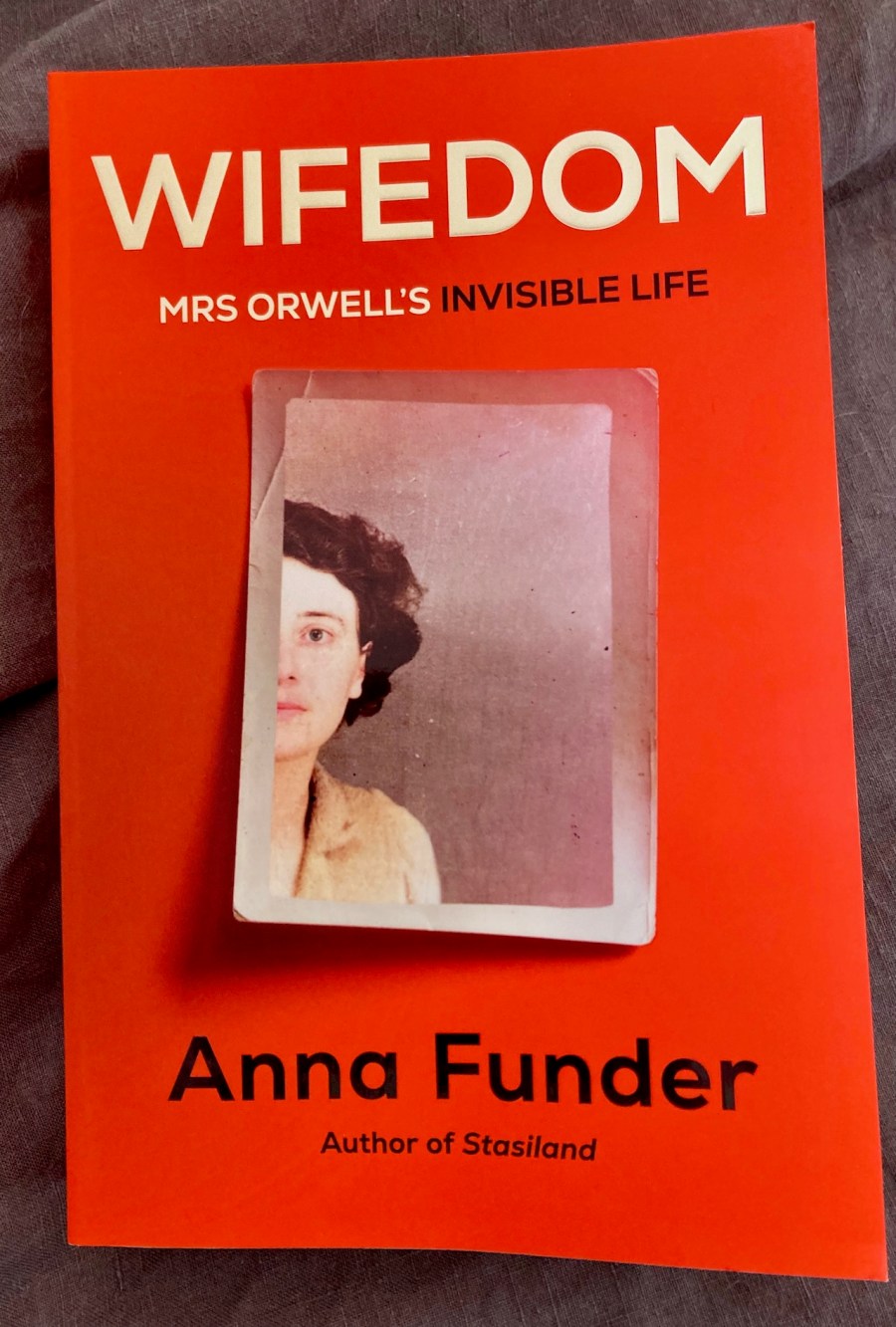
Book review: Wifedom by Anna Funder

Who hasn’t read, or at least heard of George Orwell’s Animal Farm or Nineteen Eighty-Four? I still have images in my head of Old Major calling his friends together to overthrow the humans, and of Winston being tortured by the thought police. I can sense you all nodding, but do you know who Eileen O’Shaughnessy was? I didn’t.

Orwell’s work was essential in this task. It was a joy, even, revisiting his writing on the systems of tyranny ‘with theft as their aim’, and the ‘vast system of mental cheating’ that is doublethink. It was his insight… that allowed me to see how men can imagine themselves innocent in a system that benefits them, at others’ cost… But his insight into the rapacity of power… never extended to relations between the sexes. Orwell stayed blind to the position of women, though he’d been buying girls for a few rupees a time.

Eileen, Oxford graduate, the woman who gave up her own ambitions to enable Orwell’s work was almost erased from history, that is until Anna Funder discovered her and wrote Wifedom. Orwell biographers barely make a reference to Eileen. And while Orwell referred to his ‘wife’ on occasion in his writing (37 times to be precise according to Funder), it was never by name, and he never mentioned her feats of bravery or her contributions – perhaps because they might have outshone his own.

Eric had decided that he mustn’t let his work be interrupted & complained bitterly when we’d been married a week that he’s only done two good days’ work out of seven.

Eileen ran their farm and raised their adopted child so he could write, cared for him when wounded and sick, visited Orwell on the front, worked at the headquarters of the Independent Labour party in Barcelona during the war, protected him from arrest, and typed up and saved his manuscripts all whilst under the gaze of communist spies.

Eileen knows her life is riddled with spies but feels she can manage it.

Memoir, fiction and fact swirl through the pages of Wifedom, as Eileen is pieced together and rescued from patriarchal erasure by Funder through fragments of facts and six letters written by Eileen to her friend Norah Myles. I found Wifedom to be a compelling read and feel a need to revisit it already.