Book review: Wifedom by Anna Funder

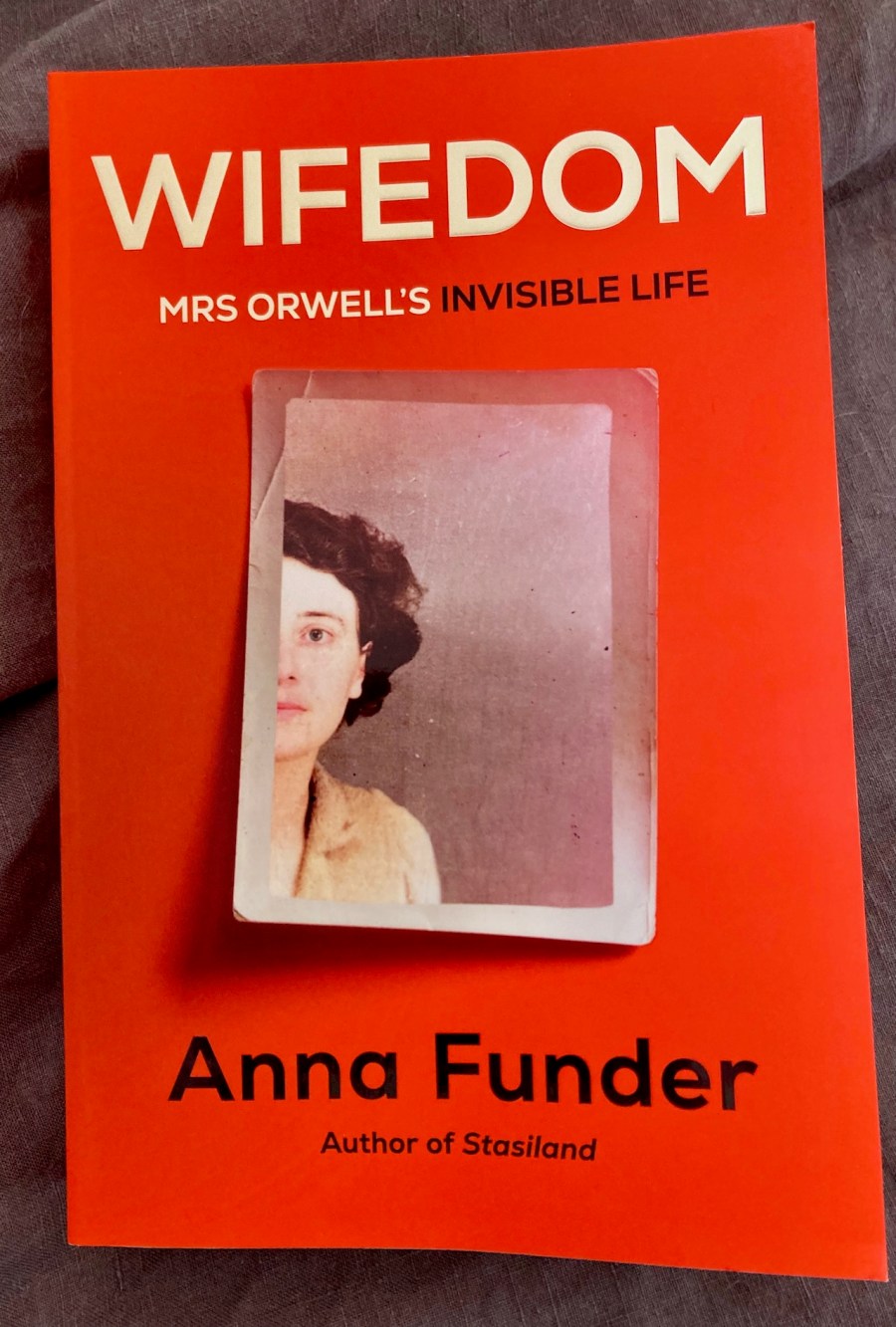
Who hasn’t read, or at least heard of George Orwell’s Animal Farm or Nineteen Eighty-Four? I still have images in my head of Old Major calling his friends together to overthrow the humans, and of Winston being tortured by the thought police. I can sense you all nodding, but do you know who Eileen O’Shaughnessy was? I didn’t.

Orwell’s work was essential in this task. It was a joy, even, revisiting his writing on the systems of tyranny ‘with theft as their aim’, and the ‘vast system of mental cheating’ that is doublethink. It was his insight… that allowed me to see how men can imagine themselves innocent in a system that benefits them, at others’ cost… But his insight into the rapacity of power… never extended to relations between the sexes. Orwell stayed blind to the position of women, though he’d been buying girls for a few rupees a time.

Eileen, Oxford graduate, the woman who gave up her own ambitions to enable Orwell’s work was almost erased from history, that is until Anna Funder discovered her and wrote Wifedom. Orwell biographers barely make a reference to Eileen. And while Orwell referred to his ‘wife’ on occasion in his writing (37 times to be precise according to Funder), it was never by name, and he never mentioned her feats of bravery or her contributions – perhaps because they might have outshone his own.

Eric had decided that he mustn’t let his work be interrupted & complained bitterly when we’d been married a week that he’s only done two good days’ work out of seven.

Eileen ran their farm and raised their adopted child so he could write, cared for him when wounded and sick, visited Orwell on the front, worked at the headquarters of the Independent Labour party in Barcelona during the war, protected him from arrest, and typed up and saved his manuscripts all whilst under the gaze of communist spies.

Eileen knows her life is riddled with spies but feels she can manage it.

Memoir, fiction and fact swirl through the pages of Wifedom, as Eileen is pieced together and rescued from patriarchal erasure by Funder through fragments of facts and six letters written by Eileen to her friend Norah Myles. I found Wifedom to be a compelling read and feel a need to revisit it already.

Theatre review: A Funny Thing Happened on the Way to the Forum

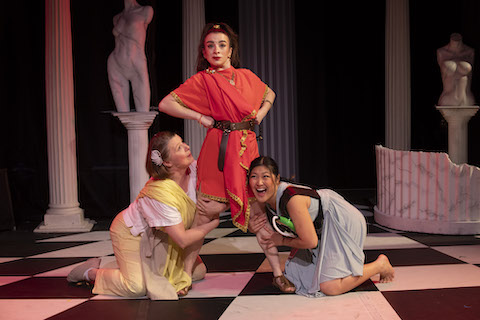
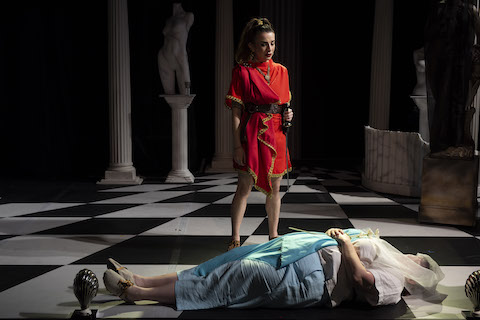
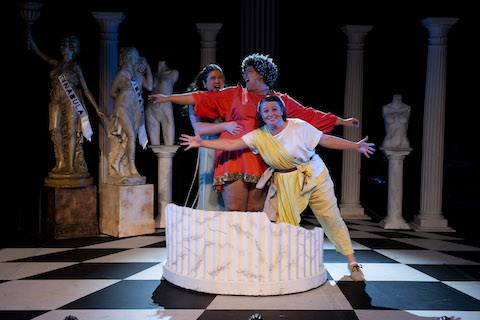
Even if you aren’t a big fan of musical comedy you will enjoy A Funny Thing Happened on the Way to the Forum. This farcical reimagining of Sondheim’s play set in Ancient Rome brings a modern twist to a classical story about mistaken identity. The show was inspired by playwright Plautus, and first performed on Broadway in 1962.

Packed full of slapstick satire and bawdy jokes, A Funny Thing Happened on the Way to the Forum is a breathe of fresh air delivered by theatre company Watch This. The all female-identifying caste are packed with talent, and Mel Hillman’s fast paced and upbeat direction delivers a flawless performance.

The House of Senex is occupied by a family and their slaves. When Senex and his wife go on a trip and leave their son Hero in the care of the house slaves, Hero’s personal slave, Pseudolus, makes a bargain with his young master. If he helps the Master win the heart of the girl next door, his Master will grant him freedom. There are two neighbouring houses. One belongs a buyer and seller of beautiful women, the other to an old man who spends his life coming and going in search of his children who were stolen by pirates as infants.

The object of Hero’s desire, Philia, has already been sold to a famous warrior called Miles, who is expected to arrive at any moment to claim her. Pseudolus needs to come up with a plan so that Philia and Hero can stay together and he can win his freedom.

The entire caste are exceptional, but there were a couple of standouts for me. Charmaine Gorman, is pitch perfect and energetic as Pseuolus, and Mel O’Brien, who has honed the facial expressions of the pouty virgin for sale, had me laughing before even opening her mouth.

I highly recommend A Funny Thing Happened on the Way to the Forum showing at the iconic Chapel off Chapel until 24th September.

Book review: After Story by Larissa Behrendt

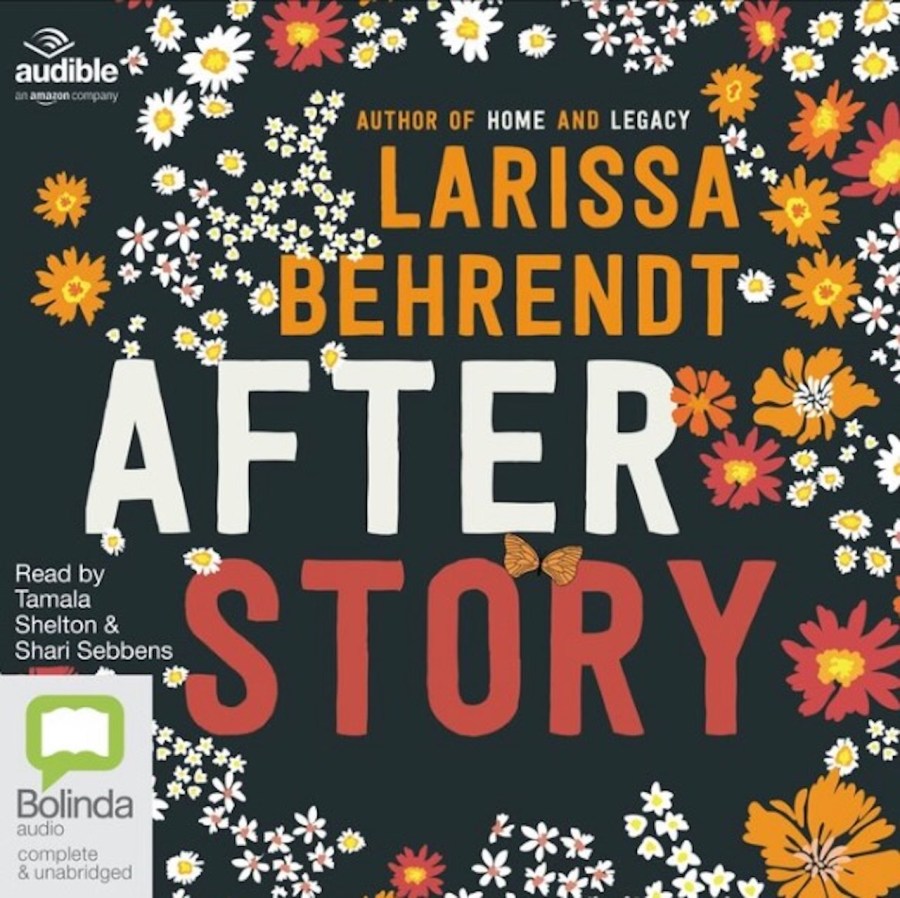
In After Story by Larissa Behrendt, Jasmine, a city lawyer, takes her rural mother, Della, on a ten day literary tour of England six months after the funeral of her father. The two Indigenous women have a fraught relationship, primarily as a result of a family history of trauma. They both want to improve their connection.

Aunty Elaine would remind me that there is more than one way to tell a story; there can sometimes be more than one truth. ‘The silences are as important as the words,’ she’d often say. There is what’s not in the archive, not in the history books – those things that have been excluded hidden overlooked.

Soon after landing in London they hear a story about a young girl going missing on Hampstead Heath. The news irritates the long held grief from the abduction and death of Jasmine’s older sister Brittany twenty-five years earlier.

The great revelation perhaps never did come. Instead, there were little daily miracles, illuminations, matches struck unexpectedly in the dark.

The story is told from the two very distinct view points of the women. Della, who knows nothing about literature and has never traveled, compares what she sees and hears with her own experiences and that of her ancestors – absorbing, learning and critiquing. Jasmine reflects on the lives of the authors and how their experiences influenced their work, which leads her to consider the impact of past trauma on one of her clients in Australia, gradually extending her contemplation to her own mother’s history.

Suddenly I found the museum stuffy. When Aunty Elaine would talk about it, our culture felt alive – the sewing of possum cloaks … the gift of telling stories. They were living and breathing, not relics of the past, frozen in time. Looking at the artefacts surrounding me, I couldn’t help but feel I missed an opportunity with Aunty Elaine to capture her knowledge.

After Story is beautifully written with a rich caste of supporting characters and plenty of humour to balance the more serious content – and who doesn’t love a literary themed novel. Other themes include family relationships, the justice system and racism. Highly recommended.

Book review: Out of Breath by Anna Snoekstra

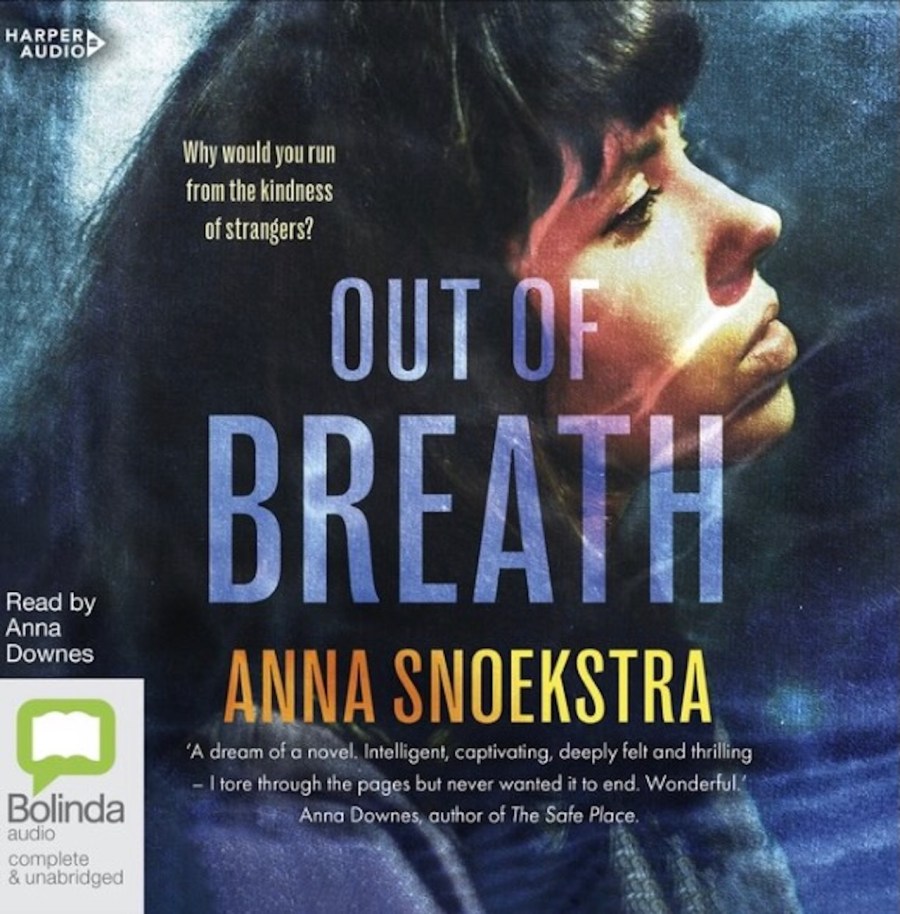
The Australian outback is a beautiful, bizarre and dangerous place – where lots of people go to get away from their lives or themselves, or to find themselves. Out of Breath by Anna Snoekstra is a cultish psychological thriller about naive foreign tourists who disappear in the outback.

Jo’s life in England turned upside down when she was very young – she was rejected by her mother and bought up by an ambivalent father. At twenty-seven she is looking for a place where she feels she belongs. She drops out of Art school and a toxic relationship in London and travels to Sydney, Australia to start afresh.When her relationship with Eric in Sydney fails as well and she needs to fulfill visa requirements and working remotely for a period, she heads to a mango farm in northwest Western Australia.

Things soon start to get creepy and weird – can you hear the foreboding music?

He holds his nose and she sees his mouth open, a huge breath, then he’s under. She sees the bobble of his bum, his feet splashing the surface. Then nothing. Silence. Jo finds she is holding her own breath. After a few seconds, she lets it out. Ho-jin doesn’t come up. She scans the water, looking at the heads, the people sitting on the sand bed. No one is moving.

I thought Snoekstra did a great job of capturing the beauty, isolation, eccentricity and slight creepiness of the outback. It’s not surprise that around 40 people lose their lives in it each year.

There were many moments in this novel where I cringed at the naivety and stupidity of the main character who either had no common sense about the perils of the Australian outback – or simply didn’t care enough about herself to worry about them. Either way I think Jo’s near death experience in the desert made the idyllic community she stumbled into seem or the more utopian…but I guess that’s the vibe cult leaders set out to create.

What do you do when you have joined an paradisal tight knit isolated community and discover it is not what it claims to be? You’ll have to read this psychological thriller to find out…

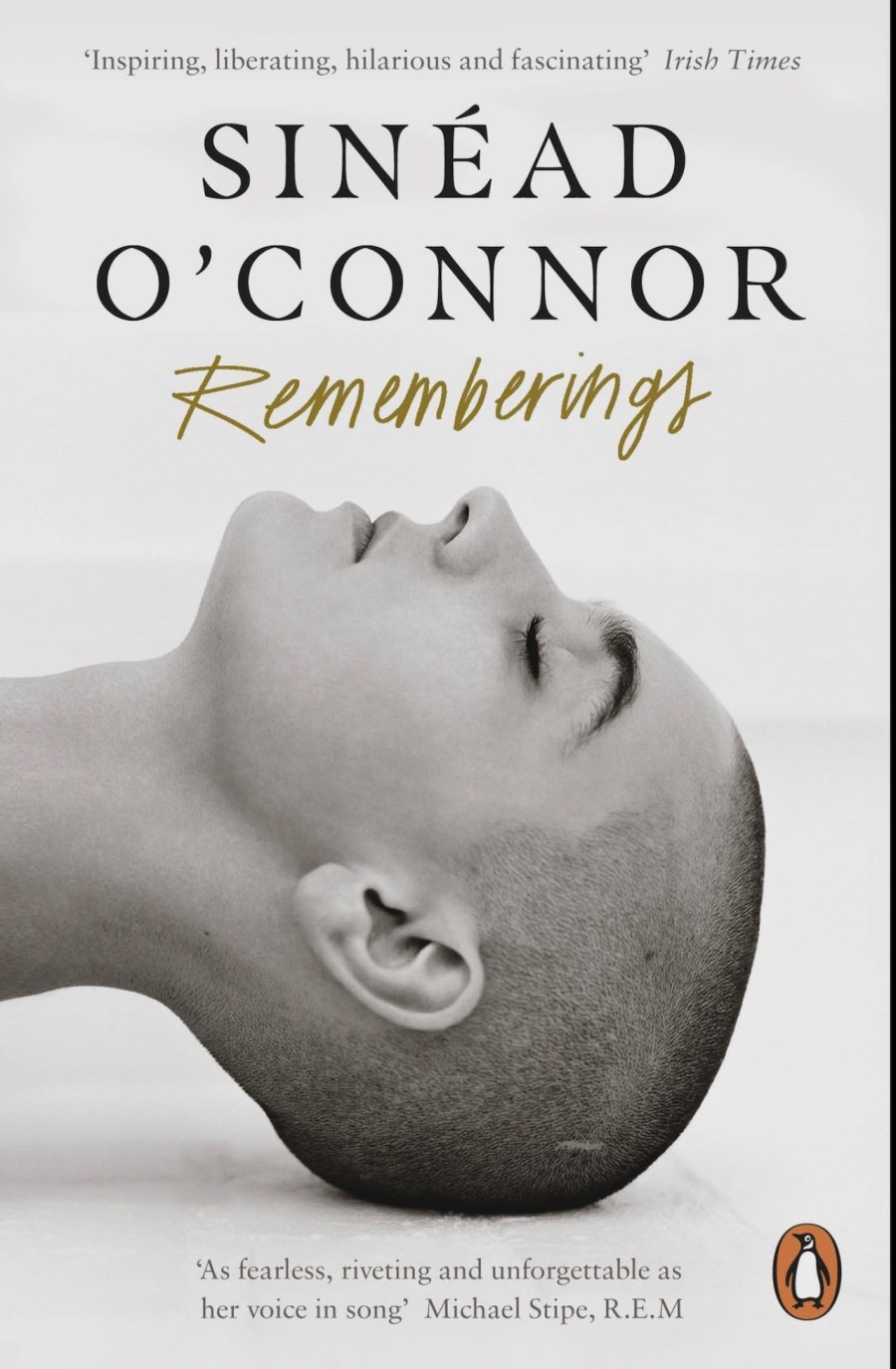
Book review: Rememberings by Sinéad O’Connor

It doesn’t take much to be considered a difficult woman. There’s a long history of non-conforming women being derided and derogatorily called out as bolshy, hysterical, crazy hags, bitches or sluts.

They broke my heart and they killed me, but I didn’t die. They tried to bury me, they didn’t realize I was a seed.

I grew up listening to Irish singer Sinéad O’Connor and saw her play live a few times when she toured Australia, her voice was intense and beautiful. After watching the documentary, Nothing Compares about Sinéad a couple of months ago I gained a much deeper understanding of what an extraordinary woman she was, and the appalling way she was treated for speaking out on issues on which she has since been proved right. She was ahead of her time and paid a heavy price for her outspokenness, but never faltered in her conviction.

If I hope for anything as an artist, it’s that I inspire certain people to be who they really are. My audiences seem to be people who have been given a hard time for being who they are.

I felt very saddened by her death recently and was motivated to read her memoir to find out more about her perspectiven on her life and musical career. Rememberings reads in much the same way as Sinéad spoke and sang – conversational, unapologetic and frank with a mixture of toughness, vulnerability and naivety. She says she never wanted to be famous, and was unprepared for it at such a young age. It is clear that music was a mixed blessing for her. It provided an outlet, but shot her to stardom and into the hands of a business that gave her an international platform to speak her truth, but also tried to exploit her. The music industry did not consider what she wanted and failed to protect the star it created when things became difficult.

There is no point setting out on a healing journey if you’re not going to find yourself healed.

She wrote openly about the good the bad and the ugly of the music industry and her private life. The abuse inflicted on her by her mother as a child, the joy of having her own children, her mental health struggles, an unwavering faith and devotion to god, confusion, rage and laughter through life.

“I couldn’t admit it was her I was angry at, so I took it out on the world,” O’Connor writes. “And burned nearly every bridge I ever crossed.”

Turning into a wild child, she was eventually sent to a home run by nuns for wayward girls. It was one of the nuns that introduced her to the guitar. Music saved her, but it also caste her into the world of fame, and that was a lonely frightening place, distanced from reality and filled with other people who’s best (Kris Kristofferson, Micheal Hutchence) and worst (Prince, Dr Phil) characteristics were amplified when she came into contact with them.

I define success by whether I keep the contract I made with the Holy Spirit before I made one with the music business,” she explains. “I never signed anything that said I would be a good girl.

Much like this review, Rememberings is fragmented and non-linear. O’Connors voice and integrity shine through clearly in the narrative. Rememberings is an intimate, emotional portrayal of a life lived authentically in full colour, and without regret.

Vale Sinéad. Nothing compared to you.

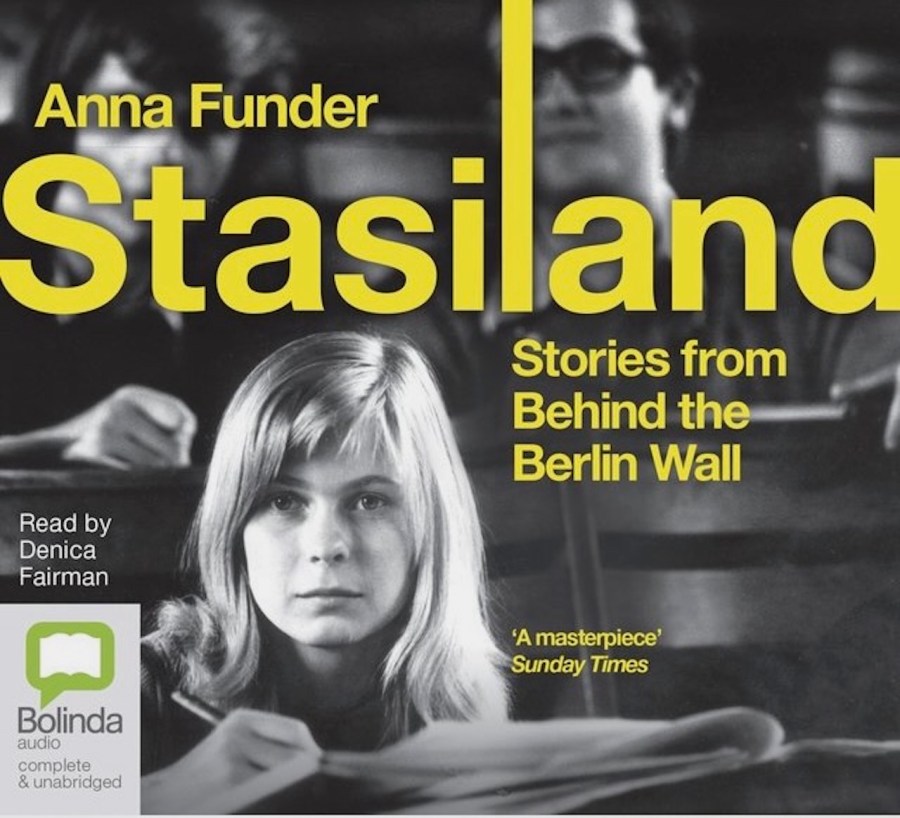
Book review: Stasiland by Anna Funder

Australian author of the narrative non-fiction book Stasiland, Anna Funder developed a fascination with the former East German ministry of state security Stasi while working in Berlin. She placed an advertisement in a newspaper looking for ex Stasi to interview.

Betrayal clearly has its own reward: the small deep human satisfaction of having one up on someone else. It is the psychology of the mistress, and this regime used it as fuel.

A number of notable ex-officials came out of the woodwork and spoke to Funder. Each unique weirdo had sold their soul to the devil for success in the GDR, then lost their power when the Berlin Wall came down.

He can switch from one view to another with frightening ease. I think it is a sign of being accustomed to such power that the truth does not matter because you cannot be contradicted.

Funder also tells the story of those who were part of the resistance. People subjected to surveillance and suffering at the hands of the Stasi and the bizarre and inflexible rules imposed in the GDR. The long lasting effects of the persecution they suffered is evident in their lives after the Wall fell when Funder meets them.

She is brave and strong and broken all at once. As she speaks it is as if her existence is no longer real to her in itself, more like a living epitaph to a life that was.

I found Funder’s visit to the puzzle women heart wrenching. This is a group working to restore the documented evidence of what happened in East Berlin, shredded by the Stasi to cover up their crimes using thousands of paper shredders. The task is projected to take 375 years.

For anyone to understand a regime like the GDR, the stories of ordinary people must be told. Not just the activists or the famous writers. You have to look at how normal people manage with such things in their pasts.

Stasiland effectively uses black humour to provide relief from the sad stories. Funder’s observations are sharp and her prose vibrant to produce an important historical account of life behind the Berlin Wall.

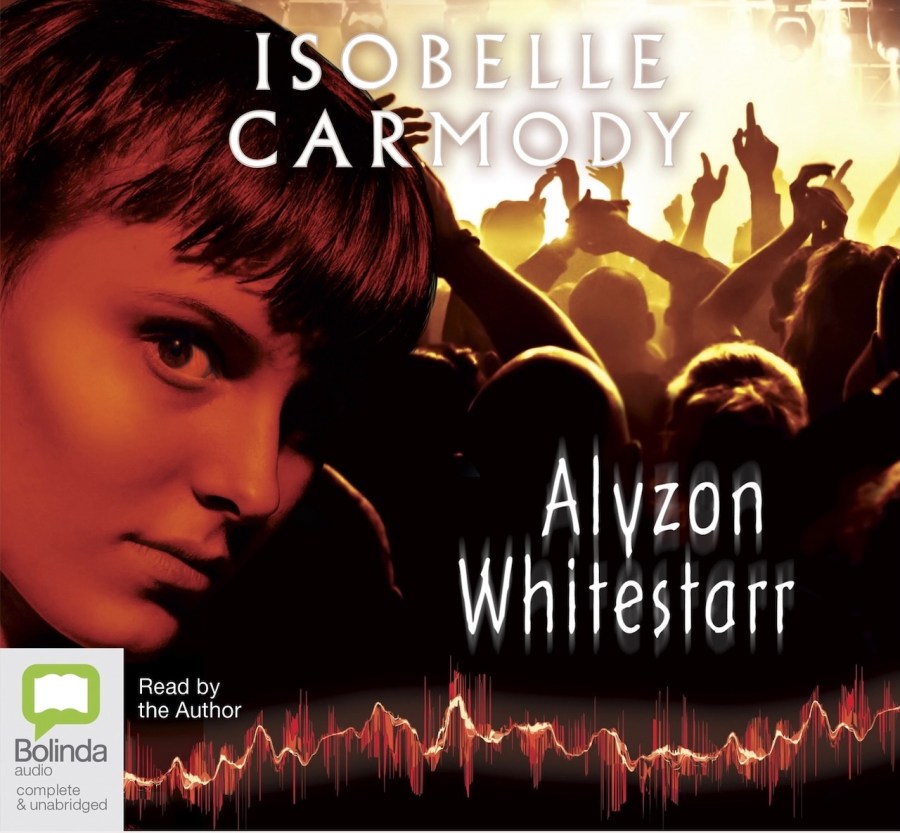
Book review: Alyzon Whitestarr by Isobelle Carmody

Alyzon Whitestarr by Isobelle Carmody is a 2005 paranormal young adult fiction novel with broad ranging themes including the power of creativity and the senses, asylum seekers, good versus evil, and living with disability.

Alyzon Whitestarr was just an ordinary kid in a family of artists and musicians. An accident leaves her in a coma for a month and when she wakes she discovers she’s developed extrasensory perception. Colours are more vibrant, her memory is sharper and she can read people using her sense of smell.

The deepest wounds aren’t the ones we get from other people hurting us. They are the wounds we give ourselves when we hurt other people.

Her father smells of caramelised sugar and coffee grounds, her best friend Gilly smells of an ocean breeze, and the cutest boy in school smells of something rancid or rotting. Alyzon discovers that an evil virus that preys on people’s souls is what causes the rancid odour, and that the spreaders of the illness are after her family. She rallies the help of her kind hearted (and sweet smelling) friends to fight the wrongness that is infecting people and to try to save her family.

I did enjoy Alyzon Whitestarr, in part I think because is has echoes of a book I loved in my childhood called The Forgotten Door about a boy with extrasensory perception who could read people’s minds and talk to animals. Alyzon Whitestarr has held well despite being written almost twenty years ago, though young people might find the rarity of the mobile phone a bit strange.

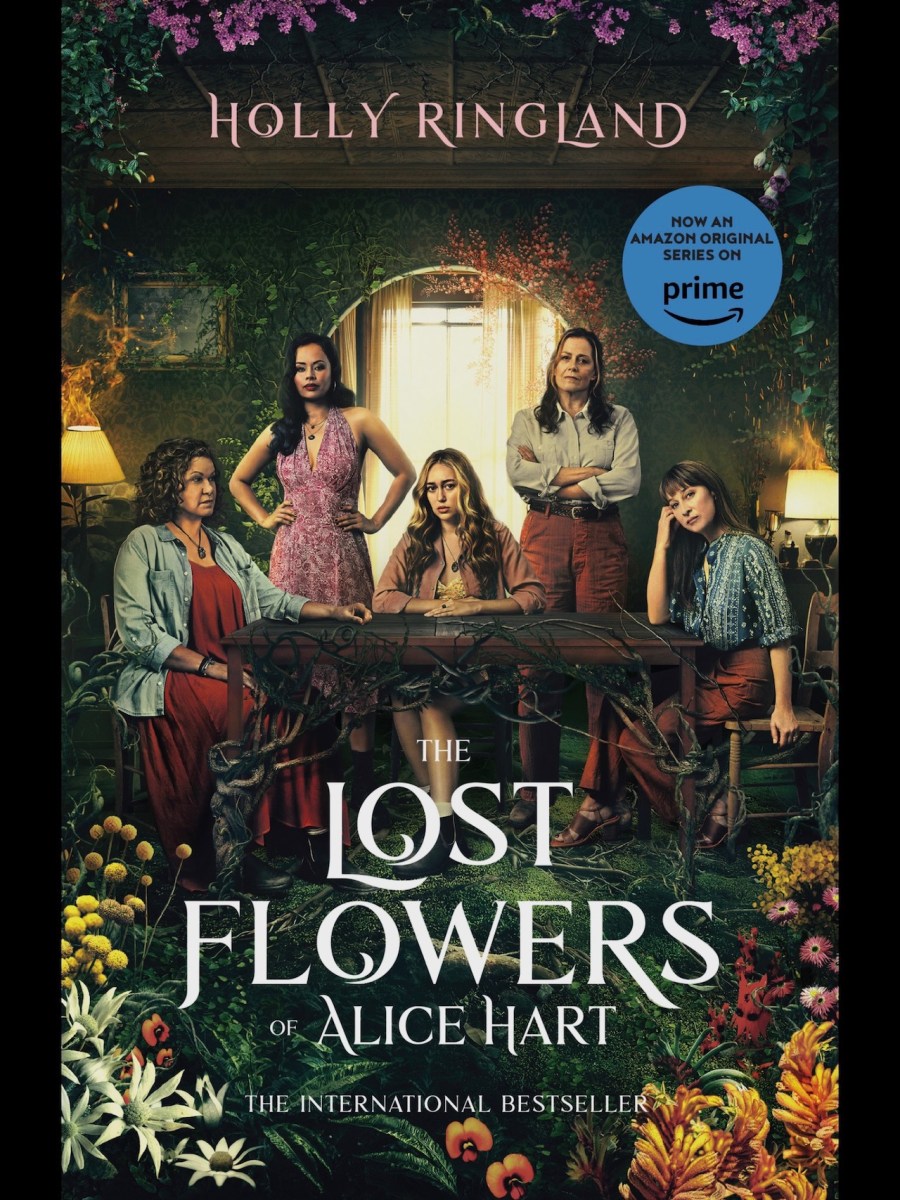
Book review: The Lost Flowers of Alice Hart by Holly Ringland

The Lost Flowers of Alice Hart by Holly Ringland is an aesthetically beautiful book. Each chapter is represented by a botanical drawing of a native flower drawn by artist Edith Rewa. There is also poetry peppered through the text, juxtaposing the challenging terrain that the story covers.

In the weatherboard house at the end of the lane, nine-year-old Alice Hart sat at her desk by the window and dreamed of ways to set her father on fire.

Nine year old Alice Hart’s father made her a beautiful desk from eucalyptus when he was feeling remorseful after one of his rages during which he would beat Alice’s mother, Alice and any pets that got in the way. Alice and her mother walk on eggshells waiting for Mr Hart to erupt. The girl reads about the phoenix rising from the ashes and wonders how she could set fire to her father so that he could rise anew with only the good parts of himself in tact.

Wave after wave curled and crested, gathering strength as it raced towards her. She tried to crawl away, scrambling to get further up the beach, but she couldn’t get traction in the soft sand. Trapped, she turned, helpless as the ocean of fire wheeled over her, a swirling wall of flames. Pressure surged from her gut, but when she took a deep breath, all that tumbled from her lungs was a silent scream of tiny white flowers.

A tragedy strikes the family. Alice is the only survivor and is taken in by her gruff, Blundstone and Akubra wearing, whisky drinking grandmother and flower farmer, June. The workers on the farm (called The Flowers) are all troubled women who found their way to June’s refuge.

…life is lived forward but you only understood backward. You can’t see the landscape you’re in while you’re in it.

June teaches her traumatised granddaughter the language of flowers, which become her means of communicating when she can’t find words. Alice didn’t know she had a grandmother and starts to wonder what other family secrets exist, but June is tight lipped. Then, as a young adult, Alice experiences a betrayal at the hands of her grandmother and flees the flower farm to the desert.

Around them, the willowy needles of desert oak trees swayed in the pale orange light. Wafts of yellow butterflies fluttered low over acacia and mulga bushes.  The crater wall slowly change colour as the sun sank, from flat ochre to blazing red to chocolate-purple. The sun slipped under the dark line of the horizon, glowing like an ember as it threw its last light into the sky.

The Lost Flowers of Alice Hart is both beautiful and brutal. The beauty of the prose, the Australian landscapes and native flowers offset the brutality of themes of domestic and family violence, trauma, secrets and grief. It explores how friendship and language are so important to breaking past patterns. The book has been adapted to film and premiers in Australia on Prime from today.

Book Review: The End Of The World Is Bigger Than Love By Davina Bell

Post apocalyptic young adult novel, The End of the World is Bigger than Love is mind-bending idiosyncratic and weird, in a compelling way.

We live on a blue planet that circles around a ball of fire next to a moon that moves the sea, and you don’t believe in miracles?

Identical teenage twin sisters Summer and Winter live alone on an island surviving on rations stockpiles by their father before he died. They spend their time reading the classics and hiding from a world destroyed by a virus.

When a stranger called Edward appears, their bubble of existence begins to unravel. Their past is slowly revealed via the alternating points of view of the girls and we see how their world has shrunk from a happy family of world travellers to an isolated family of two.

I will say it again in case you missed it: the world had stopped turning, just like they say might happen in corny love songs if the lovers are ripped apart, and little did we know there were earthquakes rumbling all around the rest of the planet, like deeper hunger pangs, a blanket of fog was settling down on the top of the cold slabs of sea, like when you toss a doona up over your bed and it drifts down in perfect rumples that make you want to lie on top of it immediately.

Edward appears and changes everything. Winter falls in love and Summer become jealous and suspicious of their relationship. But both sisters are unreliable narrators, so the reader is unsure who to believe as their stories diverge. Then the world stops turning.

And Summer isn’t with me. Perhaps she never was.

The End of the World is Bigger than Love is a dystopian speculative fiction story about control, love, grief, family, sisters, and survival, all soften by some beautiful magical realism.

Book Review: Release By Patrick Ness

What happens when you are the gay teenage son of a devout conservative homophobic preacher in a small town? Young adult novel, Release by Patrick Ness is the story of a day in the life of seventeen year old Adam.

They’re your parents. They’re meant to love you because. Never in spite.

Adam knows who he is, but has to hide it from his parents. Knowing that his parents wouldn’t accept him if they knew means he struggles with his self worth and lives a double life. His funny, open minded friend Angela is his solid ground. The ‘yolk’ as he calls it is only till he finishes school. Simultaneously Adam is dealing with an exploitative, lecherous boss, the end of one relationship with Enzo, and the beginning of another with the sensitive, thoughtful Linus.

Why did everyone no longer a teenager automatically dismiss any feeling you had then? Who cared if he’d grow out of it? That didn’t make it any less true in those painful and euphoric days when it was happening.

Release has a dual supernatural narrative about a Queen and a Faun that is set in the spirit world. The queen’s spirit is entwined with a murdered teen and she wants revenge.

It may cost you, my Queen. It may cost you dear.”
“All the best journeys do, faun.”

At first I was confused by the dual narrative, but as the story progressed, I started to anticipate it, wanting to know what that narrative was about. It’s an unusual literary device, and the novel would have been great with Adam’s narrative as a stand alone. But the supernatural-magical-realism twist does add an unusual angle, and right at the end the two stories overlap, entwined by a drop of blood.

Marty: Dad’s right about you. You got lost on your journey somewhere.
Adam: That’s what everyone says who never bothered to go on a journey in the first place

Release is about freeing yourself, coming out, religion, sex, sexual harassment, love, heartbreak, friendship, logical family, toxic relationships and knowing yourself.