Book review: Devil House by John Darnielle

Devil House by John Darnielle is about a true-crime writer who takes his craft to the next level. Gage Chandler buys an abandoned property in small town Milpitas, California. He moves in to write his next book – about a supposed occult double murder that happened in the building two decades prior when it was a pornographic book and video shop.

The future feels dramatic when you think you see a little of it cresting the horizon, the more so if the present feels routine.

After he moves in, Chandler starts recreating the crime scene, interviewing locals and scouring eBay for artifacts from the time of the murders. He interrogates rumours about what happened, searching for scraps of facts to sew together into a narrative.

But few things, at any rate, are more powerful than expectations. Blunt force, maybe. Firepower, certainly. Sword and steel. But even those have their limits. The imagination has none.

The world building is vivid in this story as the lives of disenfranchised small town teenagers are unpacked with a shifting broken narrative and Chandler grapples with the moral dilemma of writing about other people’s suffering.

There is, among the public, a perennial urge to believe the worst about the generation that will eventually replace them.

Devil House is gothic horror meets true-crime and almost fantasy…go there if you dare…bwahahaha!
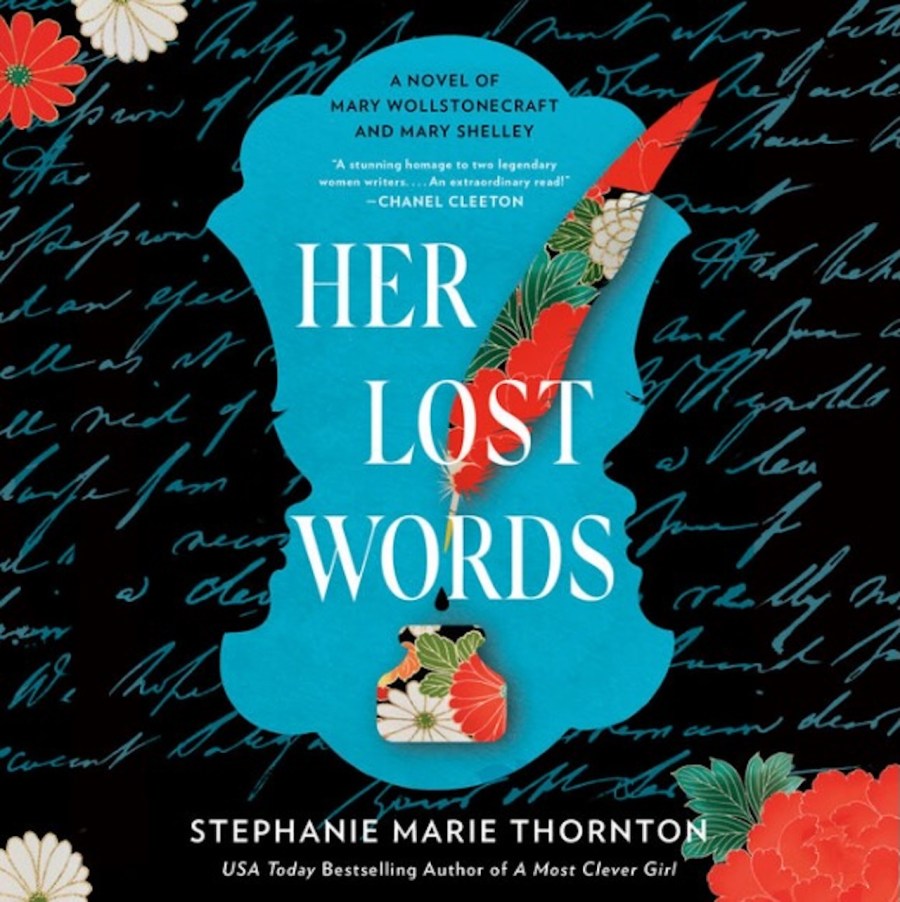
Book review: Her Lost Words by Stephanie Marie Thornton

Who doesn’t love a literary novel about fierce feminist writers? Her Lost Words chronicles the lives of mother and daughter authors Mary Wollstonecraft and Mary Shelley.

Words have the power to transform us, Mary. They can lift us from our grief. The ideas they form can even offer humanity the hope for the future,

Teenage Wollstonecraft fled her violent father’s home in 1775 and was taken in by a reverend’s family who encouraged her love of reading and helped her find a life for herself with a job as a governess. She became one of the founding feminist philosophers with her book A Vindication of the Rights of Women in which she proposed that women were equal to men. Vindication was a trailblazing feminist text.

Mary did know, she’d learned from Claire—who had heard it from her mother—that Mary Wollstonecraft’s life had scandalized society to the point where the entry for prostitution in the conservative publication The Anti-Jacobin Review read “see: Mary Wollstonecraft.”

An independent woman who never bowed to conventions, Wollstonecraft died soon after giving birth to her daughter, Mary. Mary Shelley grew up in the shadow of her mother. Even her lover, Percy Bysshe Shelley, whom she met at a dinner party and then eloped with, first confessed to being a fan of her mother’s writings.

Knowledge is the fairest fruit and the food of joy. You must never forget that. And you must swear a solemn oath that you will never stop reading, or learning, or sharing that knowledge, like the philosophers of old.

Her Lost Words is a historical fiction novel based on the real lives of women who went against the grain and forged their own paths. The story spans England, France during the revolution, Switzerland and Italy. It tells of their loves and loves lost, their relationships with one another and the world around them at at time when women were on the cusp of changing the world and its relationship to them. A touching and inspiring tribute to two literary women of history.

This is a love letter to two brilliant women who lit the way for not just women writers, but all women.

authors note

Fringe review: Spunk Daddy

I’ve heard a few stories from women friends about having a baby conceived through IVF. However, I’ve never given much thought to the donor of the sperm, jazz, spunk as it’s variously called. Then last night I saw Spunk Daddy, on as part of Melbourne Fringe at The Butterfly Club, a cozy venue perfect for settling in for an intimate story.

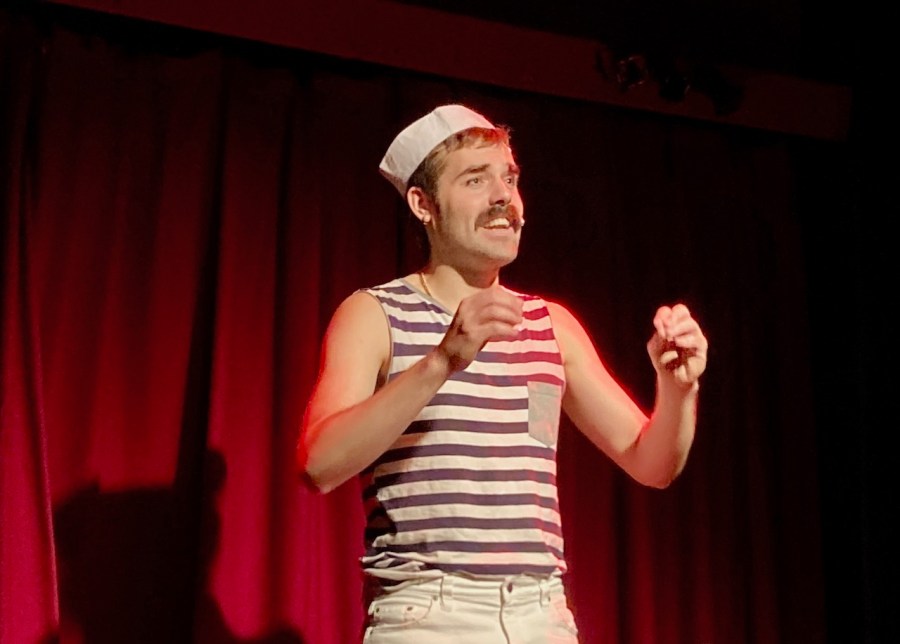
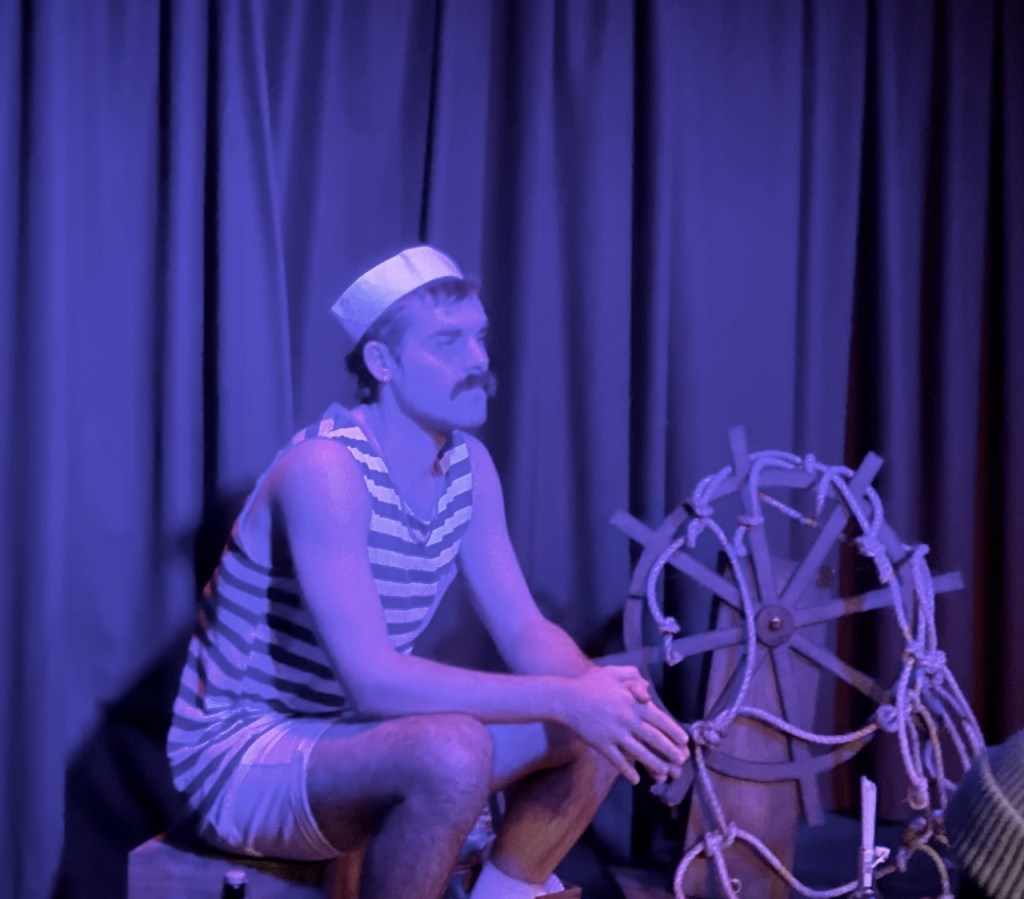
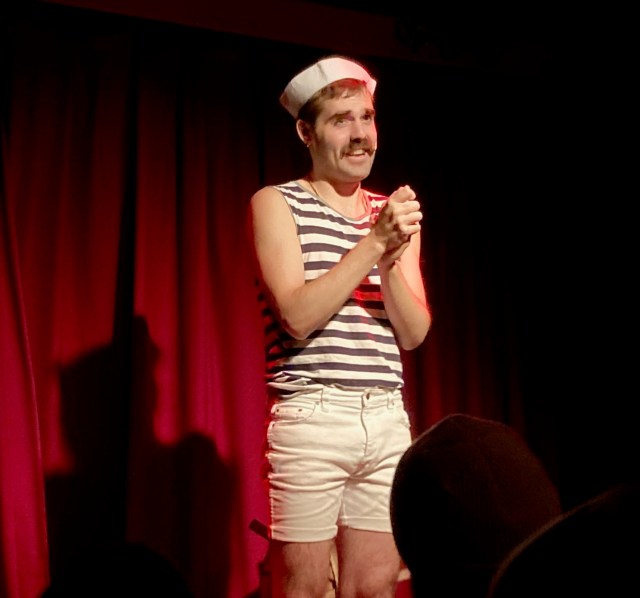
Enter the theatre and a young man, Darby James, is sitting there dressed in a sailor suit next to a ships wheel looking a bit like Bob Denver, the hapless first mate of the S.S. Minnow on 60s TV series Gilligan’s Island.

Spunk Daddy is a sweet, heartfelt and funny cabaret that takes us through the story and vulnerabilities of a young queer man deciding to become a sperm donor. From clicking on a random link on Facebook about donating sperm and grappling with the decision, to writing a letter to an unborn child who may never eventuate and that he will probably never meet, and all the dilemmas in between – which I will not venture into as it could spoil the experience.

Spunk Daddy is a clever, fast paced cabaret show. James leaves no stone unturned and fully exposes the ethical and moral dilemmas of having children or of donating sperm so that someone else can. His willingness to expose his inner thoughts and experience uncensored is refreshing and moving.

The Butterfly Club is quirky, kitsch-crammed parlour with a bar. Go early or stay late for a drink while you peruse the decor, and if you’re looking for a close by spot for a bite to eat, I can recommend Little Ramen Bar, a short walk away.

Spunk Daddy runs until the 22 October, so go on, support Fringe and the arts and grab a ticket here.

Fringe review: Leather Lungs: Happy Ending

It’s not often I see a show that gives me a full visceral response, but last night I laughed, I cried AND I laugh-cried.

I turned up at Trades Hall expecting just another drag show. I have seen a few over the years and I can confirm whole heartedly that Leather Lungs: Happy Ending is not just another drag show.

Sure Leather Lungs: Happy Ending had its share of bawdy jokes, rampant silliness, and of course a great frock made by Leather Lungs’s (aka Jason Chasland) mum, but the show was also a genuine heartfelt and powerful personal story of survival and backing yourself.

The biggest surprise of all was their voice. Beautiful, powerful and with a range that spans four octaves they belted out songs by ABBA, Whitney Houston and Queen selected to accompany their story that talks about serious issues delivered with humour to lighten the tone.

Trades Hall is a great venue for Melbourne Fringe with all its nooks and crannies. I made a night of it with friends by popping across to The Lincoln for a meal and then catching a late show at 9.30 as well – Ned Kelly: the Big Gay Musical – a joyful singing and dancing re-imagining of our iconic bushranger.

So get your Fringe on for an artistic feast. There is so much art on offer to expand, affirm and challenge your thinking – a night of escape into the creative arts is food for the soul.

Leather Lungs: Happy Ending runs untill 15th October so there is still a chance to catch this amazing talent. Tickets available at Melbourne Fringe.

Book review: The Murder Rule by Dervla McTiernan

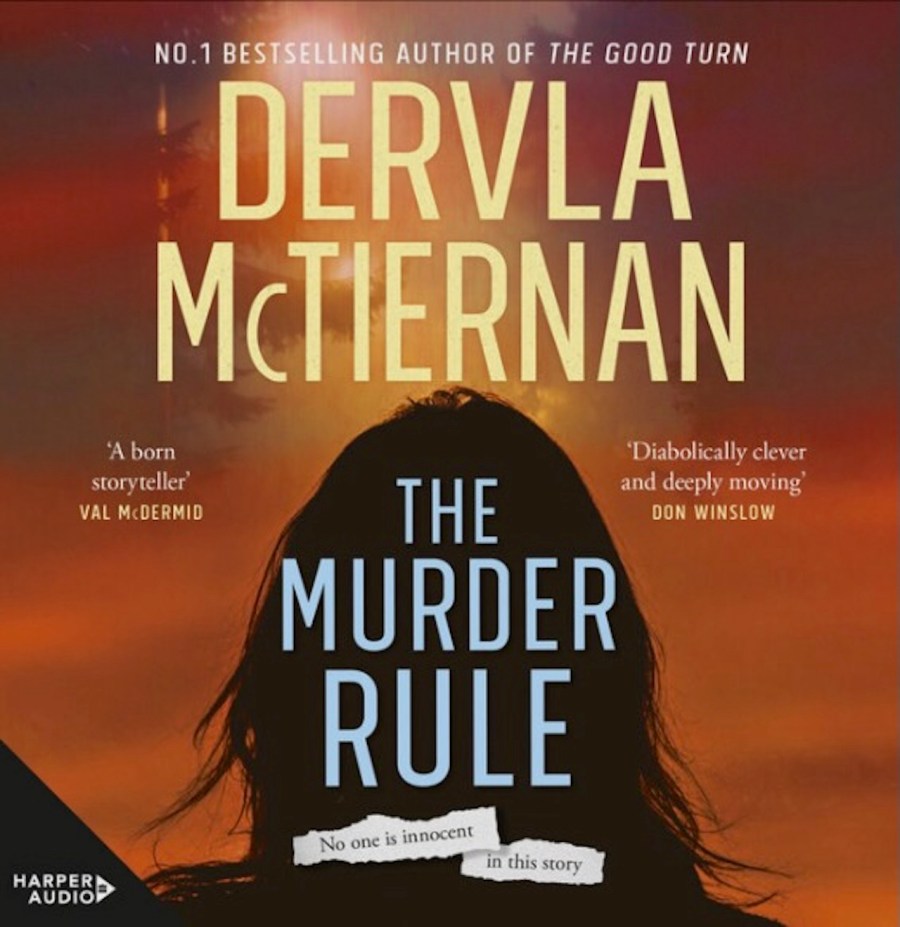
The Murder Rule is a legal thriller by seasoned Irish-Australian author Dervla McTiernan.

Hannah Rockeby was bought up by her a sole parent mother, Laura, after a youthful summer love affair with the son of a wealthy family. The boy drowned in a suspicious accident while the two were seeing one another. Laura had been the families house cleaner. She becomes an alcoholic and the mother-daughter relationship between her and Hannah is highly enmeshed.

Hannah moves from Maine to join a group of idealistic volunteers working on the Innocence Project in Virginia. The Innocence Project is an initiative to free wrongly convicted death row prisoners. Her plan is to prevent the man who she believes ruined her mother’s life from being released from jail. Hannah is prepared to do anything including deceiving and undermining colleagues and her boss to succeed in her quest.

Hannah pulled the door slowly closed. There was no creak from the hinges because she had oiled them the day before. She went downstairs, took a folded note from her backpack, and placed it so that it was held in place by the coffee machine.

The novel unfolds with the dual points of view of Hannah’s current life and her mother’s diary from her youth. The Murder Rule is a quick read, and a skilfully plotted story with plenty of twists. The female leads who are complex and engaging (if not always likeable).

The Murder Rule is McTiernan’s first stand alone novel – she is best known for her acclaimed debut, The Ruin.

Fringe review: De-Tours of Melbourne

I love going on walking tours when I travel – It’s such a great way to really see a city, discover its nooks and crannies, learn about its culture, and get the lay of the land.

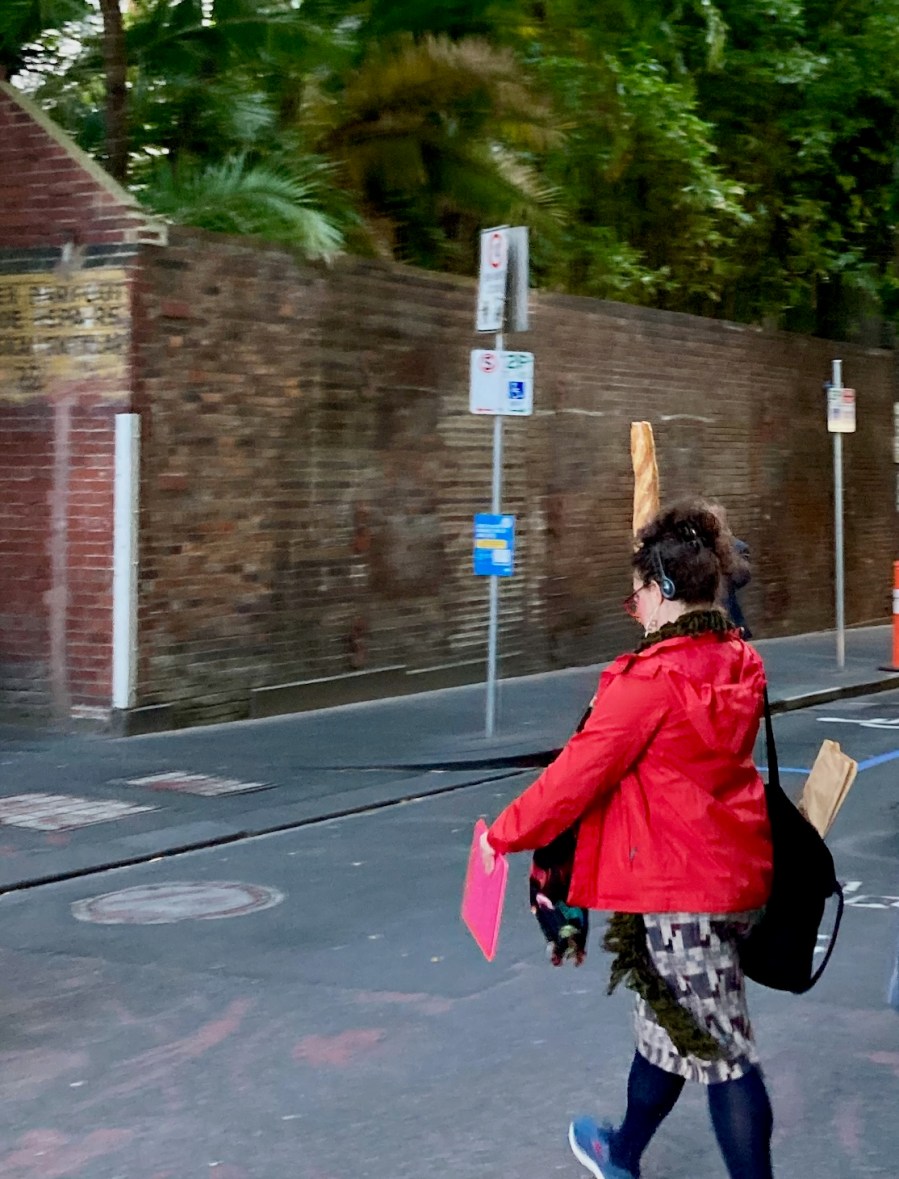
De-Tours of Melbourne, part of Melbourne Fringe, turns this idea on its head. Imagine trailing Seraphine (comedian Jenna Schroder), a French detective brandishing a baguette and marching around the CBD trying to solve the mystery of who controls the city. And she was pretty impressive – saved the Amazon rain forest with only one anaconda apparently.

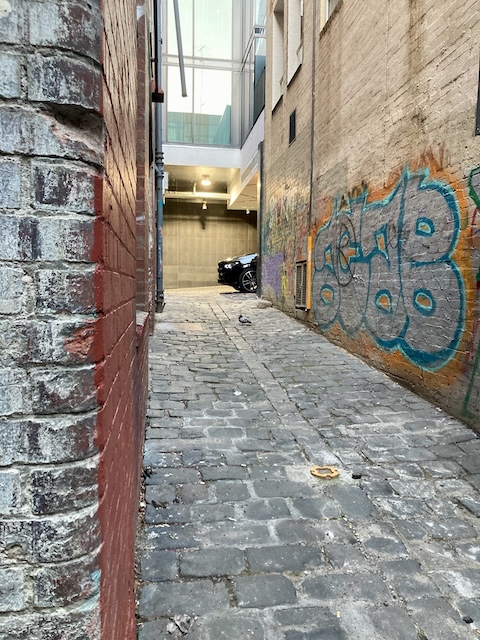
You’ll debate what’s going on behind some of Melbourne’s secret walls, strut down hidden alleyways, visit some of the CBD’s oldest buildings and boutique businesses, pick locks and find out what your comrades favourite TV shows are.

De-Tours of Melbourne is a wacky romp through the laneways and history of the city we love – exercise, fresh air and a good belly laugh. There’s a big dose of clever improvisation in this ‘show’ and it’s just plain old fashioned fun. Plus you’ll get your 10,000 steps in.

So go on, shake off a day at the office by choosing your own adventure and seeing our city through different eyes. I did the mystery tour, but you can also go on a rom-com or spooky stories adventure – and there’s a discount for your second and third outings! But you have to go on your first trip to find out how that works.

De-Tours of Melbourne runs till Saturday 21st October. Tickets at Melbourne Fringe.

Theatre review: Night Sweat

Over our lifetime we spend about six years in a night time dream state, but we rarely pay it much attention. As Foucault said, ‘every act of imagination points implicitly to the dream’, so it is little wonder that the sleep state is a fascination to artists. And sleepwalking takes the night time subconscious meanderings to a whole different level – remember Lady Macbeth exposing her murderous intentions while walking the castle in her sleep?

Night Sweat, on as part of Melbourne Fringe, is a playful, hypnotic exploration of night wanderings, boundaries and states of transition. A perfect place to abandon control and be taken on a journey.

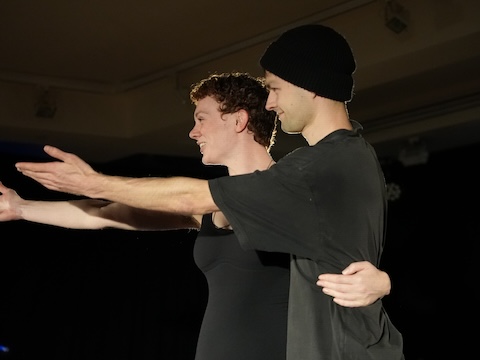
The audience enters an intimate space and takes their seats around a figure clad in a boiler suit, face down asleep on the floor. The experience of entering the performance space is itself like entering a dream state. The stage technician and musical director (Kyle Muir) is leading an audience meditation and as people take their chairs, they close their eyes and slip into his rhythm.

Michelle McCowage’s performance blends physical theatre, poetry, song and humour, and has the distinct feel of improvisation. It is a little discombobulating in the way that waking in the middle of the night mid dream or somewhere other than your bed can be.

Moments of seriousness are interrupted by comedic delivery so you cannot remain in one state for too long. We meet various characters from the performers subconscious including an angel, a child, a fuck boy and Hugo Weaving playing explorer Ernest Henry Shackleton on an Antarctic expedition. On occasion the stage technician steps forward and becomes part of the performance just to throw the audience of kilter a little more.

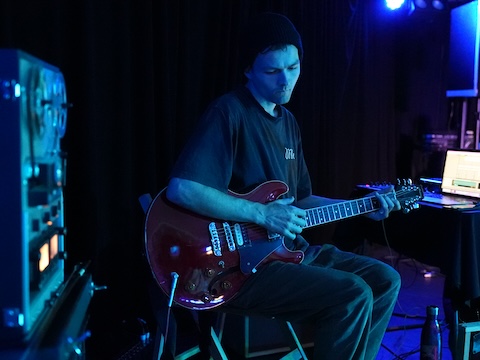
Night Sweat is written and performed by Michelle McCowage and produced by Liv Bell. Michelle is an exceptional, engaging and versatile performer who keeps the audience captivated for the duration. Original music by Kyle Muir accompanies the performance.

Night Sweat is on at Trades Hall, which has a great little Bar, the Loading Dock, if you feel like a spot to chat before or after the show. The show runs till 8th October so grab a ticket and go along for an evening of suspended reality. You will not be disappointed.

Photographs by Ainsley Halbmeijer

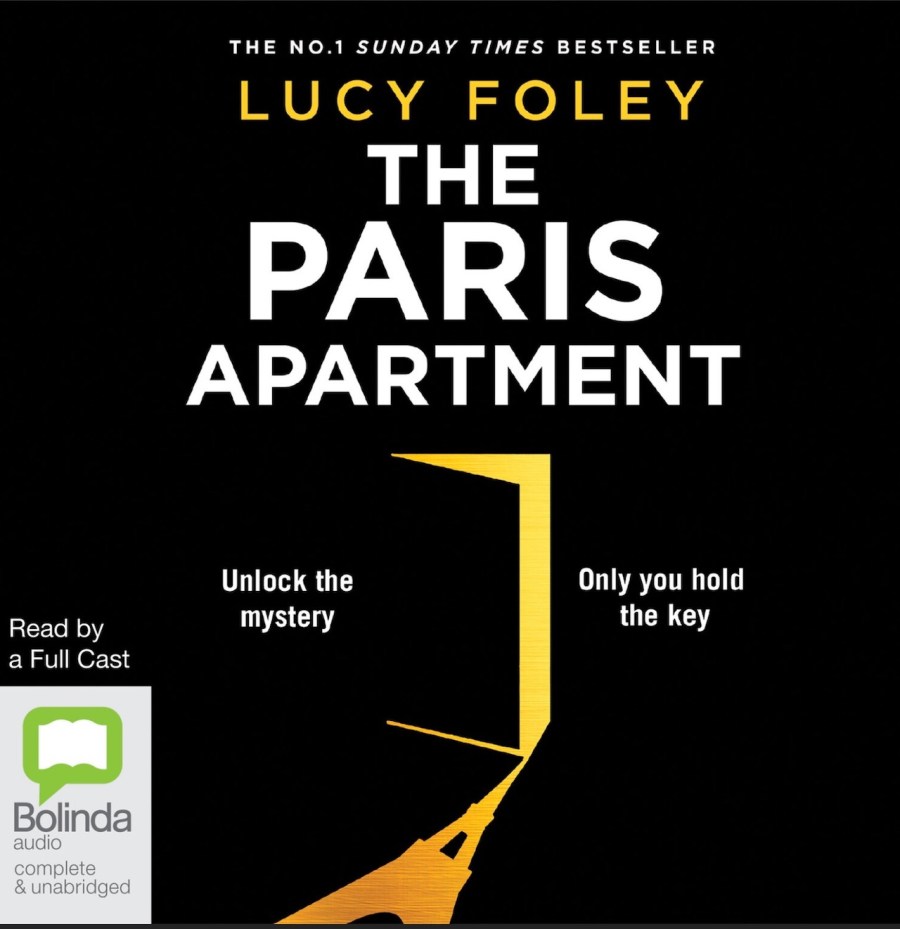
Book review: The Paris Apartment by Lucy Foley

The Paris Apartment is a slow burn psychological thriller by Lucy Foley told from multiple points of view. The novel is set (you guessed it) in Paris while riots are breaking out in the city.

It’s not about where you came from. What kind of shit might have happened to you in the past. It’s about who you are. What you do with the opportunities life presents to you.

Jess leaves London after an altercation with her boss and goes to stay with her brother in his Paris apartment. When she gets there brother Ben is no where to be found. At first she thinks he’s just gone away briefly, but then she finds blood on his cats fur, a bleach stain on the floor near the front door, his necklace that he never took off, and his motorbike with shredded tyres in the basement.

You know, I read somewhere that sixty percent of us can’t go more than ten minutes without lying. Little slippages: to make ourselves sound better, more attractive, to others. White lies to avoid causing offence. So it’s not like I’ve done anything out of the ordinary. It’s only human.

The cast of characters that live in the apartment block include an old friend of her brothers, a Parisienne socialite, a troubled teenager, an angry alcoholic and a concierge who sees all but says little. The building itself also develops a creepy character of its own as the story progresses. Jess soon discovers that the disperate residents and the apartment block itself are not what they first seemed.

It’s a beautiful building, but there’s something rotten at its heart. Now he’s discovered it he can smell the stench of it everywhere.

The Paris Apartment is an easy read with interesting character development and some unexpected twists. Themes include class, wealth, corruption, betrayal, unrequited love and inner demons.

Book review: The Cutting Room by Louise Welsh

If you like well crafted detective fiction with a bit of gruesome content, The Cutting Room, debut novel by Luise Welsh, could be for you.

Rilke works in a Glasgow auction house that sells the contents of deceased estates. Business is tight so he jumps at the chance to clear out Miss McKindless’s deceased brothers house, unperturbed by her need for haste and instruction that he alone must deal with the items in the attic and destroy them. The house has some good stuff that will sell well, he thinks.

John had said McKindless would be revealed through his library, but John was a bookseller; he formed his opinion of everyone through their books.

When Rilke ascends the stairs to the attic he finds a stash of rare pornographic books and old black and white photos in an envelope. The photos portray the sexual torture and murder of a young woman many years earlier in a room with French looking furniture. Rilke isn’t sure if the photos are real or staged, but is disturbed by the images and decides to turn detective.

We, the readers, are drawn into Rilke’s life as he cruises for men and hangs out with a caste of interesting and dubious characters – drug dealers, transvestites, shady book dealers, pornographers, bent cops, and his Merlot swilling boss Rose who colludes with him on a plan to skim off the profits of the sale.

People have died for love, they have lied and cheated and parted from those who loved them in turn. Love has slammed doors on fortunes, made bad man from heroes and heroes from libertines. Love has corrupted, cured, depraved and perverted. It is the remedy, the melody, the poison and the pain. The appetite, the antidote, the fever and the flavour. Love Kills. Love Cures. Love is a bloody menace. Oh, but it’s fun while it lasts.

Originally published in 2002, there are exquisite details and plenty of fascinating characters with dubious morals in The Cutting Room. It’s a grisly, creepy crime novel written with a literary flair.

Book review: Before the Coffee Gets Cold by Toshikazu Kawaguchi

Who hasn’t asked the question, what if I could go back and say something different, at some point in their life?

It takes courage to say what has to be said.

Before the Coffee Gets Cold is a gentle story about human frailty, relationships, loss, regret, empathy, containment and time travel. It is the debut novel of playwright Toshikazu Kawaguchi, and would make a great stage play. The story is set entirely in a quaint tiny basement cafe called Finiculi Funicula in a back alley in Tokyo that has been serving brewed coffee for over one hundred years.

But Kazu still goes on believing that, no matter what difficulties people face, they will always have the strength to overcome them. It just takes heart. And if the chair can change someone’s heart, it clearly has its purpose.

Customers who come to the cafe have something to say to a person in their life to whom they cannot speak – the boyfriend who left, the husband with Alzheimer’s, the sister who died, the daughter never met. Each chapter focuses on one person’s desire to revisit a different time to say what they failed to, in order to create a connection with a loved one after a missed opportunity.

The present hadn’t changed—but those two people had. Both Kohtake and Hirai returned to the present with a changed heart.

There are strict protocols in the cafe’s time travel offering, and nothing you say or do will change the present. You must sit, and stay seated, in a particular seat (occupied most of the time by a ghost you cannot force to move) and you must return to the present before the coffee gets cold or risk being trapped evermore as a ghost yourself.

Just remember. Drink the coffee before it goes cold.

Each character who visits the cafe to sit in the chair is troubled by a regret about what they failed to say to a loved one. The time travel offers them the opportunity to remedy their mistakes, hurts and losses and the sweet relief of closure.

If I return to the past, I might be able to set things right..

Before the Coffee Gets Cold is a gentle journey of sadness, second chances, facing reality, and relief through the vehicle of magical realism. The story is a quick and easy read, though I recommend listening to the audio book as I think this format suits it better.