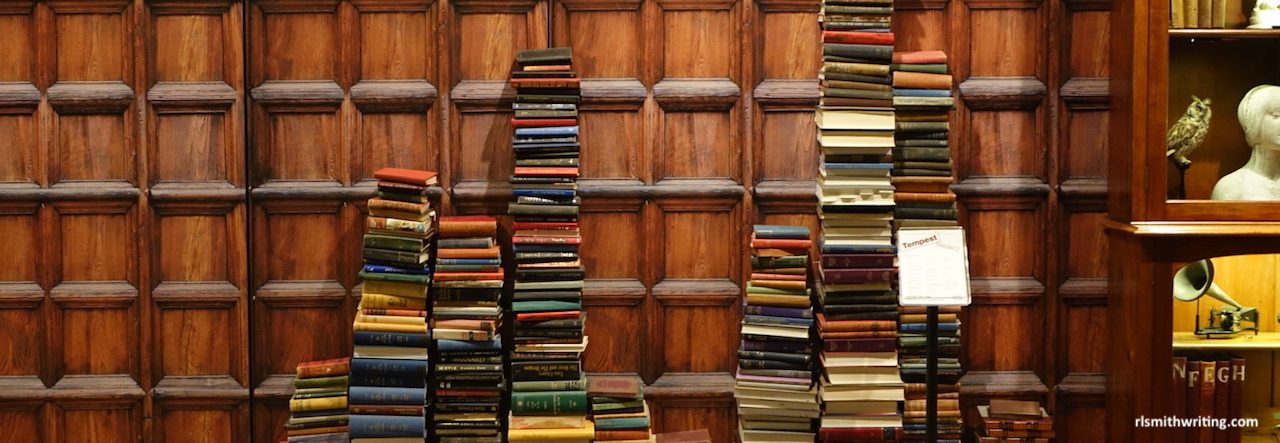
Theatre review: De Profundis

I was fortunate to attend to the opening night of De Profundis by Oscar Wilde, presented by fortyfive downstairs in association with Dino Dimitriadis and Paul Capsis.  Fortyfive downstairs is a beautifully, stark and intimate space, perfect for this performance. The full manuscript of De Profundis involves a three hour reading. For the fortyfive downstairs show, the work has been seamlessly re-crafted and curated for a captivating 85 minute performance. The show includes two well placed segments Capsis’s beautiful singing voice. 

To regret one’s own experiences is to arrest one’s own development. To deny one’s own experiences is to put a lie into the lips of one’s own life. It is no less than a denial of the soul.

De Profundis was written by Oscar Wilde to his lover, Lord Alfred ‘Bosie’ Douglas during Wilde’s imprisonment in Reading Goal in 1897. It was not published in full until 1949. The work is far more than a bitter, beautiful and measured love letter. It is a 50,000 word critique of the political system and society Wilde inhabited, and the validity of its laws. He used personification to grapple with themes including love, hate, vanity, humility and sorrow and turns his suffering into an art form.

I blame myself for allowing an unintellectual friendship, a friendship whose primary aim was not the creation and contemplation of beautiful things, to entirely dominate my life.

Wilde had been imprisoned for ‘gross indecency’ in 1895 after a lawsuit by his lover’s father, the Marquis of Queensberry. He was at the height of his fame at the time, but the experience of incarceration and hard labour broke him. Wilde wrote De Profundis in him final months of incarceration. He was released in 1897 and wrote a poem called The Ballad of Reading Gaol, but completed little other creative work. Instead he spent his time writing letters expressing his concerns about the state of British prisons and advocating for reforms. He died in France in 1900 from meningitis. In 2017, Wilde was among thousands of gay and bisexual men pardoned posthumously for engaging in consensual same-sex relationships.

The real fool, such as the gods mock or mar, is he who does not know himself. 

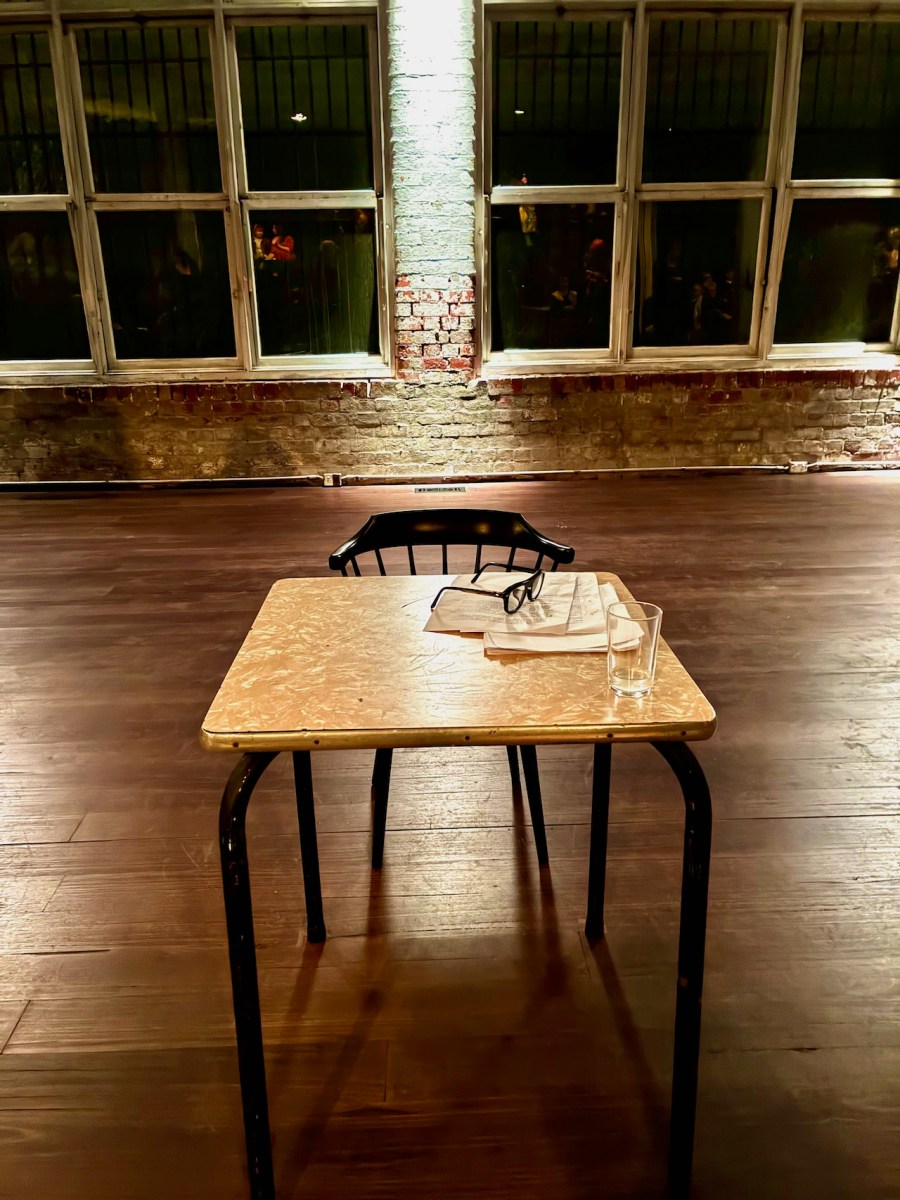
Cellist, Conrad Hamill accompanies Paul Capsis in this seductive performance of De Profundis, holding the audience captivated for its duration with the elegance of Wilde’s prose. The set was minimal – a writing desk, a glass of water and reading glasses. The warm, rich, and resonant melody of the cello provided a backdrop that evoked the emotions of Wilde’s experience.

We have forgotten that water can cleanse, and fire purify, and that the Earth is mother to us all. 

De Profundis runs from 30 April to 4 May at fortyfive downstairs in Flinders Lane. If you enjoy a beautiful and powerful monologue, this is a performance not to be missed.
Book review: Rapture by Emily Maguire

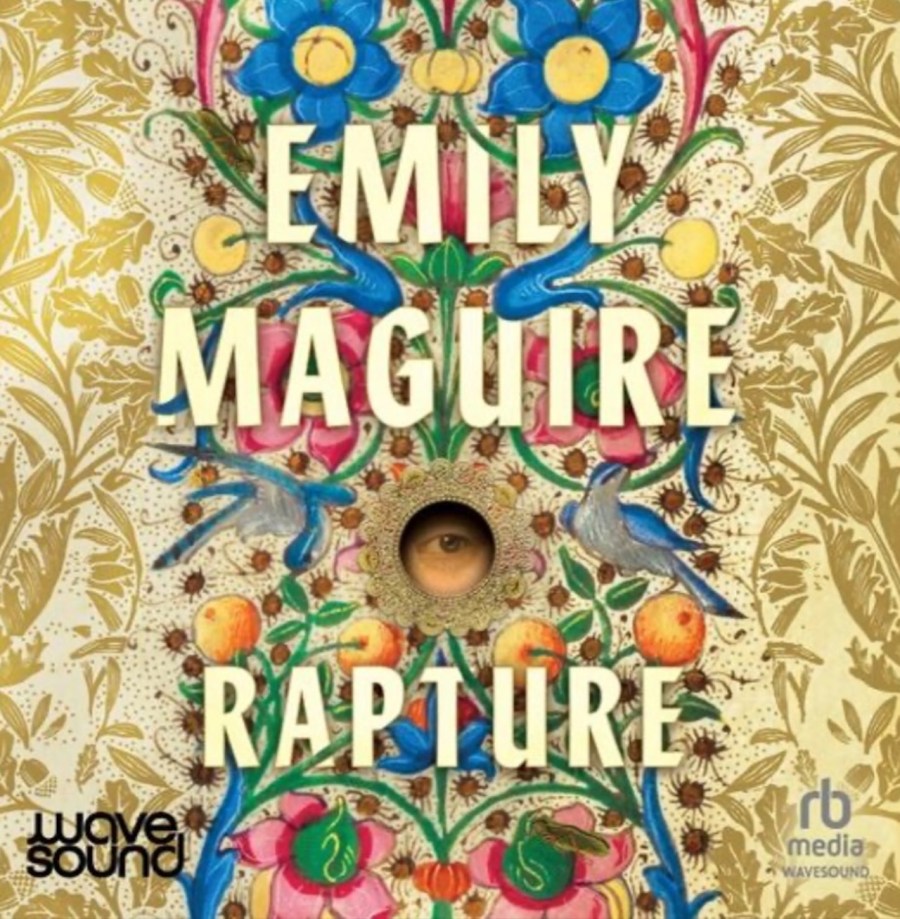
As a young person in my twenties I spent a couple of years performing acrobalance in a circus. One year we put on a show about the life of Pope Joan, a woman who disguised herself as a man and became pope during the Middle Ages. I became fascinated by that story. Emily Maguire’s historical fiction novel, Rapture, took inspiration from the story of Pope Jaon. 

She does not know it is odd for a girl to read until one of her father’s guests, a Benedictine from Fulda Abbey, spots her bent over a book by the fire and roars as though he’s spied a deer hunting a man.

Set in ninth century Mainz (Germany), Rapture is the story of Agnes whose mother died in childbirth and whose English father, a priest, educates her and raises her to be devout and curious about learning. Not surprisingly Agnes sees no future for herself as a wife and mother, so sheds her identity and dresses as a man to become John in order to have the freedom to follow her interests.

Her self is an illusion yet it is one beloved by most everyone who has heard her speak . . . She is thirty-three years old and there is no one else in the world who knows who she used to be.

Rapture follows Agnes journey from learning from the men in her father’s life while sitting under the dinner table as they talked, to becoming a man and a Benedictine monk so she can be privy to the teachings of god, then rising through the ranks to become a renowned scholar and the Bishop of Rome. Throughout her journey as a man she reflects on her duality as a women in hiding and subjugating her body so it does not betray her.

Thus she learns that great and wise men felt as she had as a child on the forest floor. She learns there are systems of morality based on reason rather than God’s will … She learns that the monks of Fulda can read most anything they like and call it Christian work.

The more I read, the more I was drawn into this meticulously researched story. Despite the subject matter, you do not need to have any interest in religion to read Rapture. It is a beautifully written, thought provoking and engaging story. 

Comedy review: BIGFOOT: In Plain Sight

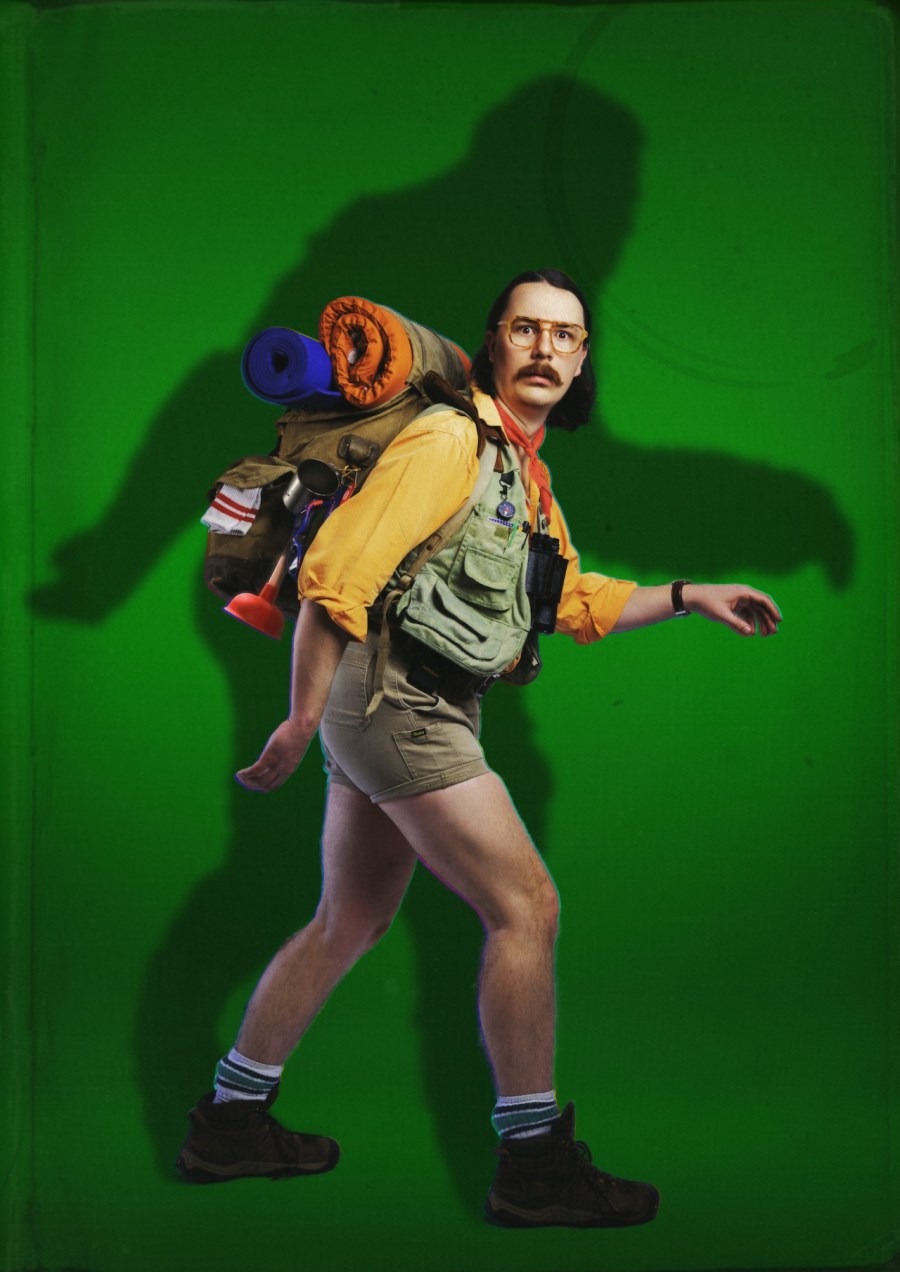
I saw Handful Of Bugs show (The John Wilkes Booth) at last years comedy festival, and it was great, but this years one person comedy, BIGFOOT: In Plain Sight, takes things to a whole new level.  I would describe this show as a blend of theatre (there’s a plot) with comedy and clowning (for laughs). And it’s a hoot.

Canadian Bigfoot researcher Robert H. McKinley self-published an autobiographical account of his lifelong relationships with Bigfoot. BIGFOOT: In Plain Sight is an interpretation of that work that also explores the ethics of adaptation. The setting is the freezing Canadian wilderness and tells the story of McKinley out there in his shorts, rucksack and hiking boots with his tent and sleeping bag and a big love for BIGFOOT. He wants to prove what he knows to be true – that BIGFOOT is real, and his dad who went missing long ago is still out there somewhere as well. 

And just as you start to wonder where the story is going, there is the most fabulous plot twist that will leave you in jaw dropping hysterics. What is fact, and what is fiction?

Handful Of Bugs theatre company is made up of Alex Donnelly, the performer in BIGFOOT, and his co-writer/conspirator Lachlan Gough who also Directed and did sound for this show. Donnelly led the set, props and costume design. SKINT produced it. Despite the origins of the mythical creature Bigfoot being well known, the show BIGFOOT: In Plain Sight is truly an original piece of comedic theatre, packed full of laughs as well as thought provoking content.

Donnelly is a dynamic and talented comedic actor, with an impressive capacity to switch characters with the flip of a hat (literally) and convey story and emotion through physical theatre. The show is professionally produced and Gough’s Direction ensures a cohesive and authentic work.

I highly recommend BIGFOOT: In Plain Sight. It is playing at the Malthouse Playbox theatre until 20th April, with showtimes at 8.30 pm or 7.30pm on Sundays. 

I highly recommend this trip into mid-20th century folklore and the cultural icon BIGFOOT.

Comedy review: Only If You Love Me

Only If You Love Me by Nic Davey-Greene, on at the 2025 Melbourne International Comedy Festival, is a clever, dynamic, acerbic musical comedy show.

Davey-Greene starts by challenging the audience – he doesn’t want cheap laughs and fake smiles, he wants authenticity. What follows is a broad ranging hour of original tunes – pop, jazz, county, crooners and ballads – interspersed with narrative satire. He mixes the serious with the absurd, and just a little audience participation (only if you’re in the front row) in a well crafted, dynamic show.

Davey-Greene is, he sings, dating Cameron Diaz – while she is seeing whoever she likes – including his friends and work colleagues. 

A man after my own heart Davey-Greene says he watches question time for fun and gives both Albo and Dutton a grilling – appropriate during an election campaign. He sings about the ‘WOKE’ mind virus and that he likes eating microplastics – they will give you a vasectomy for free, and he has a recipe for turning plastic bags into pesto. 

The pace and topics change frequently from politics to clay shooting, to the dangers of artificial intelligence, to leaving your wife after falling in love with a tractor – a song with visuals I particularly enjoyed. There is something about the performer and his style that is a little reminiscent of comedian Sammy J.
You can catch Only If You Love Me at The Grace Darling Hotel in Smith Street, Collingwood. Shows start at 6.15pm and the season runs 9-13 April and 15-20 April.
Pop in after work or add it to your weekend gigs for an hour of laughs. You can grab a burger at the Grace Darling before the show, or anything else you fancy at one of the great eateries along Smith Street, Collingwood. Get out there and have a laugh (authentic only), I know you want to.

Book review: Theory and Practice by Michelle de Kretser

Michelle de Kretser’s latest novel, Theory & Practice, opens as a conventional fiction narrative, but soon after it begins is abruptly interrupted by the narrator. Cindy proceeds to reflect on her life, first as a child in Sri Lanka and then as a young woman living in Melbourne in 1986 and tackling post graduate study on her idol, Virginia Woolf whom she calls ‘Woolfmother’.  As her studies progress, she struggle with Woolf’s flawed humanity and contradictions between her progressive public persona and her private racism and pretentiousness.

Instead of shapeliness and disguise, I wanted a form that allowed for formlessness and mess. It occurred to me that one way to find that form might be to tell the truth

For those of us who were of University age in the mid 80s when education was free, the work is both familiar and compelling. It was a time when learning was seeped in theories about how we ought to live, while life was experimental and relationships were complicated. This tension between what we believe about how we should live, and how we actually live runs throughout the story as our protagonist’s feminist ideals clash with her lived experience. But as humans we often abandon our moral principles in pursuit of self-interest.

While trusting in feminism’s transformative power, I retained a stubborn, dazed belief in love.

Cindy becomes friends with a couple called Kit and Olivia. Cindy and Kit become lovers and Cindy develops a distant and jealous dynamic with Olivia, behaviour that defies her feminist principles. Meanwhile she contends with a constant stream of passive-aggressive messages from her widowed mother who lives in Sydney and continues to exert maternal influence making Cindy feel guilty for leaving her to move to Melbourne.

I was twenty-four. The first thing I did in Melbourne was buy a vintage dress. The dress was made of lace, and had cap sleeves, an empire waist and a fitted knee-length skirt. It dated from the early sixties, when thousands of its kind must have been made. Now fashion had plucked it from oblivion and filled it with warm young bodies again. Powder-blue and rose and coffee-cream variants existed, but my dress was Intellectual Black.

Theory & Practice is unsentimental and bristling with the anxiety of youth. Fiction and non fiction collide throughout this novel which defies conventional form, blending fiction, essay and memoir.  Themes include identity, displacement, feminism and colonialism. Highly recommended, especially if you enjoy unconventional narratives and remember the 80’s.

Book review: Restless Dolly Maunder by Kate Grenville

Restless Dolly Maunder is a fictional retelling of Kate Grenville’s grandmothers life. Born on a NSW sheep farm in 1881, Dolly, the sixth of seven children, was smart, studious, driven and restless. She admired the local young female teacher and her independence, and wanted to become one. But her father said ‘not over his dead body’, and at 14 she was put to work in the house and on the farm and punished for mistakes.

Girls were of no account, you learned that early on. Good enough to make the bread and milk the cow, and later on you’d look after the children. But no woman was ever going to be part of the real business of the world.

Dolly realises the only way out of her predicament was to get married. Bert Russell was a good match in many ways and had faith in Dolly’s business sense and abilities, but he was also a womaniser. 

What could a woman do but marry, and once you were married you belonged to your husband’s world and had to turn your back on your own. It wasn’t betrayal. It was the way the world was.

Discovering Bert’s philandering after the birth of their first child, Dolly is furious and humiliated. She thinks to leave Bert but soon realises she couldn’t manage on her own. Instead she keeps the family moving from one successful business venture to another. Then the Great Depression hits and they are forced to return to farming due to financial difficulties.

What she really wanted was what she’d never had: to be a person on her own, free of any obligations, away from the great sticky tangle of family. To float wherever she liked, like those men in the Depression who’d turned their backs on everything and gone on the wallaby.

When her sons enlist at the outbreak of World War II, Dolly’s anger and sense of helplessness drive her on again, leaving Bert on the farm and drifting alone from job to job, and to help her daughter with her children. Eventually Dolly moves into an apartment beside her daughter’s house when she is old. This is how Kate Grenville remembers her grandmother – as a five year old saying ‘no’ when her grandmother asks her if she loved her.

All you could say was, you were born into a world that made it easy for you or made it hard for you, and all you could do was stumble along under the weight of whatever you’d been given to carry. No wonder at the end of it you’re tired, and sad. But glad to have done it all, even the mistakes. Glad to be alive, too. Even if you were only alive enough to watch another day’s light slide along the wall, and wait for the night.

Restless Dolly Maunder is a story about the rage that built in women at a time when they were not allowed to realise their potential or exercise freedoms due to patriarchal limitations imposed on them. The harshness of that life drove them to unhappiness and emotional detachment in order to survive.

Grenville brings the setting alive through her use of imagery in Restless Dolly Maunder, and emotional oppression seeps from the pages. The story is a reminder of how restricted women’s lives were not so very long ago, and a reminder of the importance of maintaining the freedoms gained. Restless Dolly Maunder won the 2024 Women’s Prize for Fiction.

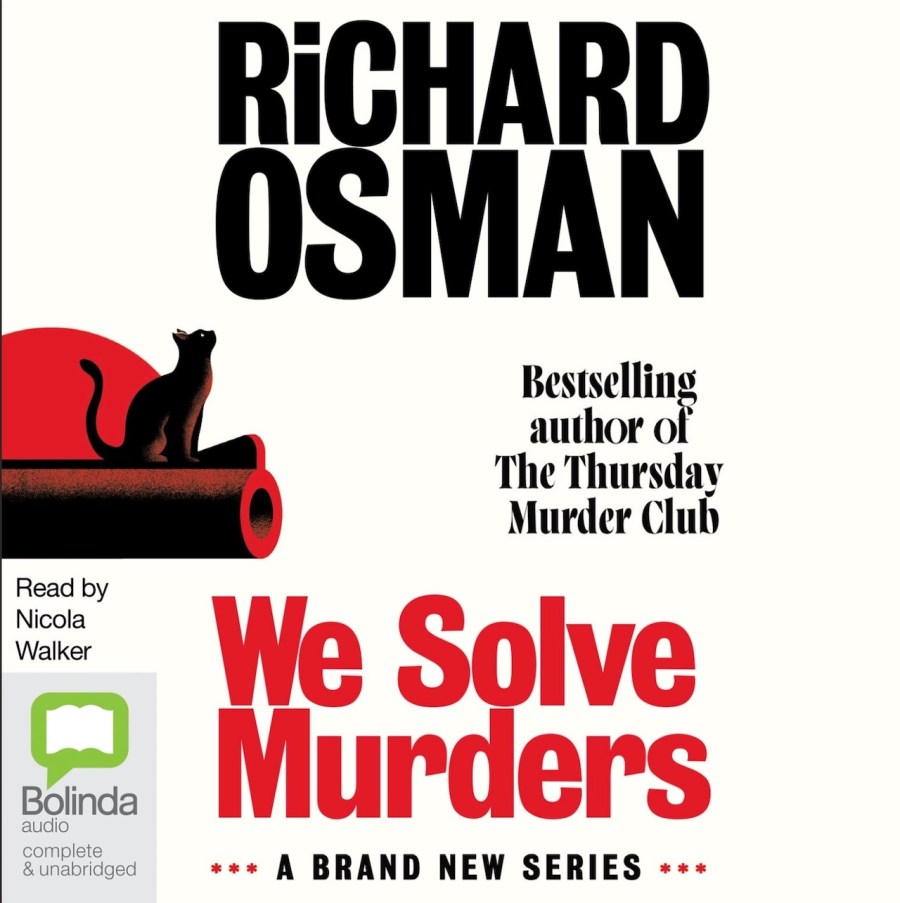
Book review: We Solve Murders by Richard Osman

I am very exited about Richard Osman’s latest novel (and new series), We Solve Murders. Osman is best known for his Thursday Murder Club Mystery Series about a group of mischievous septuagenarians who solve cold case murders (if you search his name on this blog you will find reviews for three).

If you have any sort of personality, someone will eventually want to kill you.

True to Osman’s style, We Solve Murders is a hilarious murderous romp with a bunch of misfits.

There are friendships forged in fire, which end up disappearing like smoke, and other casual, nodding friendships, which will stay with you for the rest of your life.

Private Security Guard, Amy, is charged with the care of best selling novelist Rosie D’Antonio on an exclusive island. 

Steve is grateful that at least he feels loved. Because if you don’t feel loved, it’s difficult to feel anything at all.

Amy’s father in law and widower, Steve, is a retired police officer who lives with a stray cat called Trouble. Steve likes a quiet, predictable life and the Wednesday night quiz at the pub. Amy and Steve are close and speak regularly on the phone.

It’s not every daughter-in-law who will high-five you when you’ve shot a drug dealer in a Coldplay T-shirt, is it?

When Amy discovers she has been set up as the scapegoat for a slew of murders that require her death to wrap up, she and Rosie go on the run, a killer in pursuit. Amy doesn’t know who she can trust to help her. She loves her husband, but he’d be hopeless in a dangerous situation. She lands on Steve – he has relevant skills and she trusts him implicitly. Steve is reluctant to get involved, but he does it for Amy.

Every criminal wants to tell the truth eventually. Enough of the truth to be seen but not enough of the truth to be convicted.

We Solve Murders has the feel of a comedic heist with a cast of larger than life absurdist eccentric characters that make the globe trotting journey such fun, I couldn’t put the story down.

one rule in life: if you see a door, walk through it.

Book review: Our Homesick Songs by Emma Hooper

Our Homesick Songs by Emma Hooper is a book about place and the people who inhabit it. In Big Running, Newfoundland, where the community relies on the fishing industry, the fish have disappeared and the people begin to abandon their homes in search of work.

When they needed to remember where they were from, they could sing to see, to remember. They’d sing along, all together, sing and sing until morning.

Aidan and Martha Connor don’t want to move off the island so they job share on Canada’s mainland while also juggling home and children, Finn aged 10 and Cora aged 14, on the island.  Cora spends her time decorating the abandoned houses in the town by turning them into different countries – Italy, England, Mexico. When Cora goes missing, Finn becomes desperate to attract the fish back to Big Running in the hope it will reunite his family.

And sometimes the water was blue, more blue than sky, and sometimes it was dark and green and thick, and sometimes it was hardly any colour, changing and moving and pushing and pulling like breath.

Our Homesick Songs is a story of what happens to small communities when their primary natural resources disappear and is both heartbreaking and hopeful, in part due to the dual timelines. Finn in the present (1992-93) and his parents union twenty years earlier when fish were plentiful. 

All songs are homesick songs, Finn. Even the happy ones? Especially the happy ones.

Hooper elicits a compelling sense of place and atmosphere in this poetic story about family, love, being brave and keeping the faith. The reader can almost hear the plaintive mermaid song across the water. 

Not Just a Dog

There is a unique bond between a dog and their person.

A canine can have a quiet solid presence lying by you on a sleepless night. They motivate you to get up in the morning and take time in nature. They teach patience and the true meaning of loyalty and unconditional big love. They make you laugh when you don’t feel like it, and introduce you to strangers. 

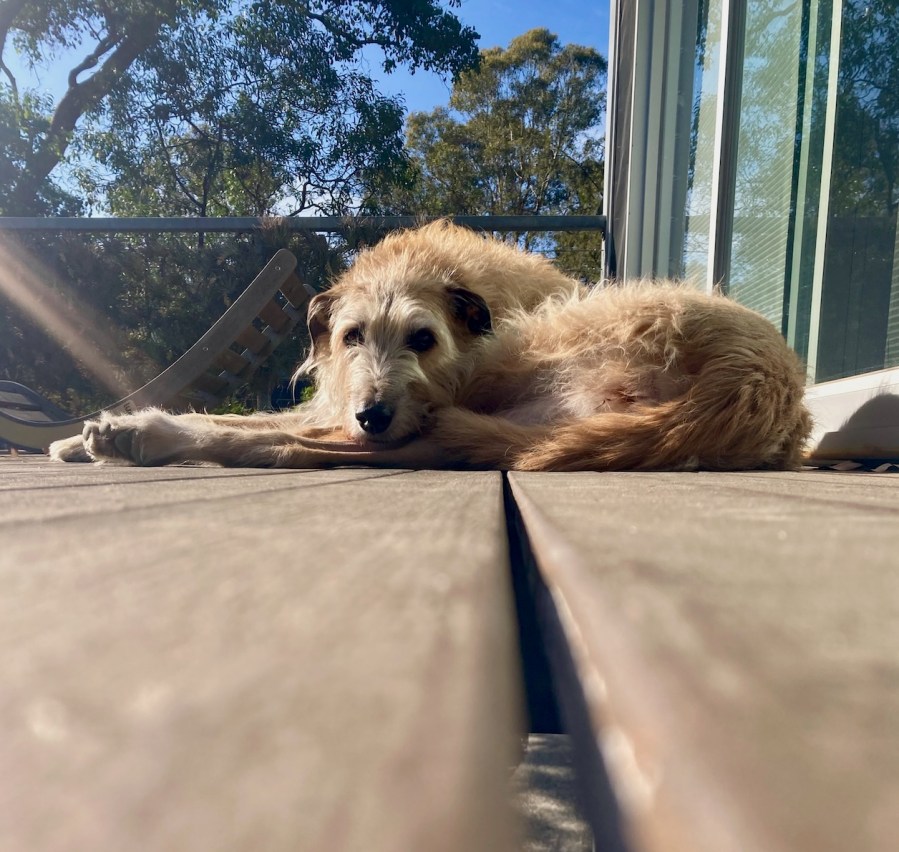
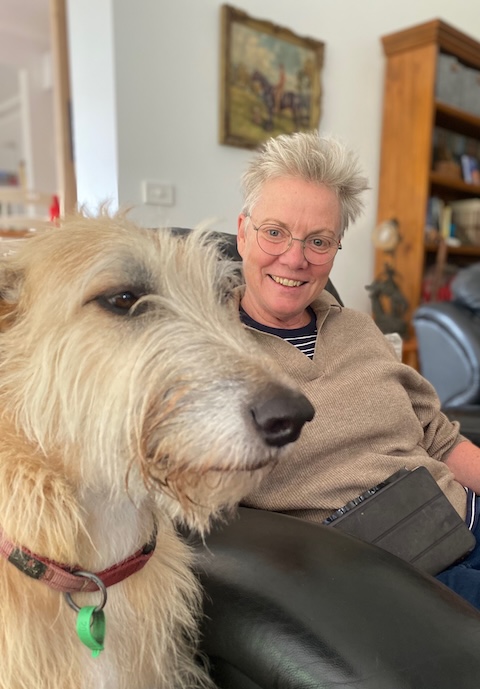
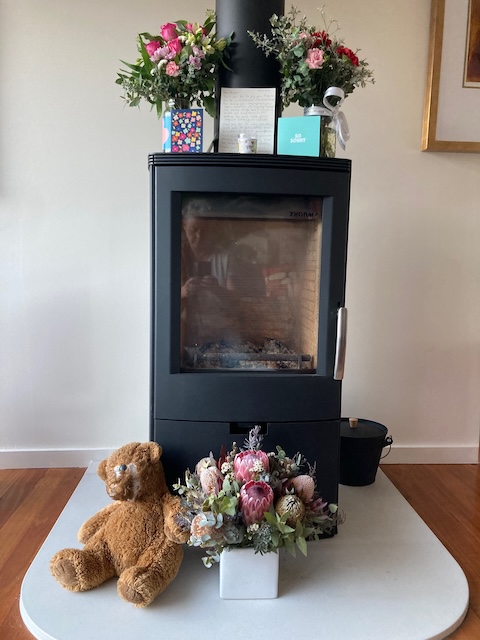
I had to say goodby to my beautiful, gentle big girl Harper on Tuesday evening this week. I am heartbroken but so grateful to have had her in my life. 

Harper (named after Harper Lee, author of To Kill a Mockingbird) was advertised on a rescue site in 2018 as a puppy destined to grow to a medium size. When I met her, the size of her feet made it evident I had been drawn in by false advertising, but it’s impossible to leave such a beautiful abandoned puppy once met. 

So Harper came home and I set out on a journey with a dog destined to weigh 46kg and stand around 750cm at the shoulder. As a puppy she was a mouthy monster, but a lot of socialising and dog school turned her into a well mannered but sometimes cheeky giant loved by all, and a pleasure to have around. When fully grown she was taller than me when standing on her hind feet.

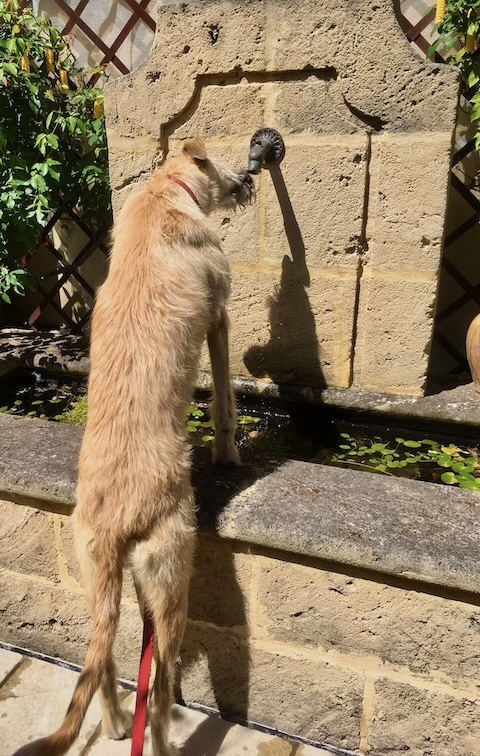
Harper was a lover – of all people, small dogs, lie ins, bushwalks, bin day (for sniffing), rolling in fresh grass, her lifelong teddy, cheese, goldilocksing the most comfortable place to sleep, and wallowing in the river. Her interest in roadside drains led me to believe she would have been a drainage engineer had she been human.

The long legged supermodel of dogs, shaggy blonde Harper was a persistently cheerful adventure buddy. She knew how to get what she wanted through pure love and the strategic use of what I called the ‘magic carpet’, a mat near the back door that she sat on when she wanted something. And she was not averse to a little bossiness – about which walk we’d go on, or whether she’d received her quota of treats, or back rubs each day. 

She had a way of winning people over and the number of friends who came to visit in her final weeks is testament to her impact. One text I received encapsulates the influence she had in her short life:

Hey dear Rachel. You and Harper were on my mind all day, and I just wanted to send you our love. I am so sorry that you had to say goodbye to each other, what a beautiful relationship you shared. I am so grateful to Harper for being the reason we became friends, and for Harper’s ability to help our dog Ruby experience joy with another dog. Harper’s ability to create safety extended not only with Ruby but also to our son, who proudly has built the courage to give her a pat. With love and gratitude to you both 💚

I am grateful to the support I received from friends and Dr Alison the vet from Rest Your Paws who supported us in Harper’s final weeks. A lot of people and animal friends contributed to making Harper’s end of life journey memorable, and as joyful and comfortable as possible. One friend (and dog sitter) came to be with us in our final hours, and was a beautiful quiet presence. Another friend wrote a two page letter to Harper, a short excerpt follows:

Thank you for the joy you bring us. For the unconditional love. For being you – magnificent you, regal, oversize, for setting the pace with your elegant trotting on walks. Thank you for the way you lean into us to get a better back scratch, to show your affection.

And to all the wonderful friends who understand the grief of losing a furry friend, and that they are never with us for long enough, I am thankful for your love and wishes.

Most of all I am grateful to my soul dog Harper for teaching me so much, being faithfully by my side through some of life’s greatest challenges and constantly reminding me of life’s joy. You were worth every second of our years together. Thank you for your big love when I most needed it, you left a legacy that will last so much longer than your too short life.

RIP my sweet big girl Harper: 9 March 2018 – 11 March 2025 

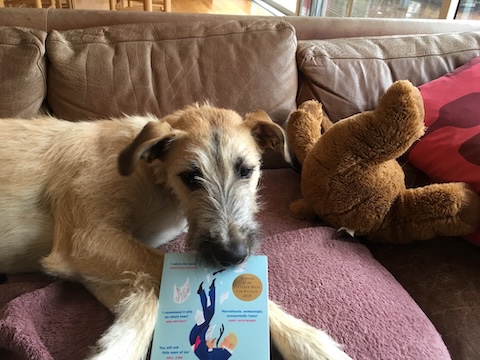
Book review: The Truth According to Us by Annie Barrows

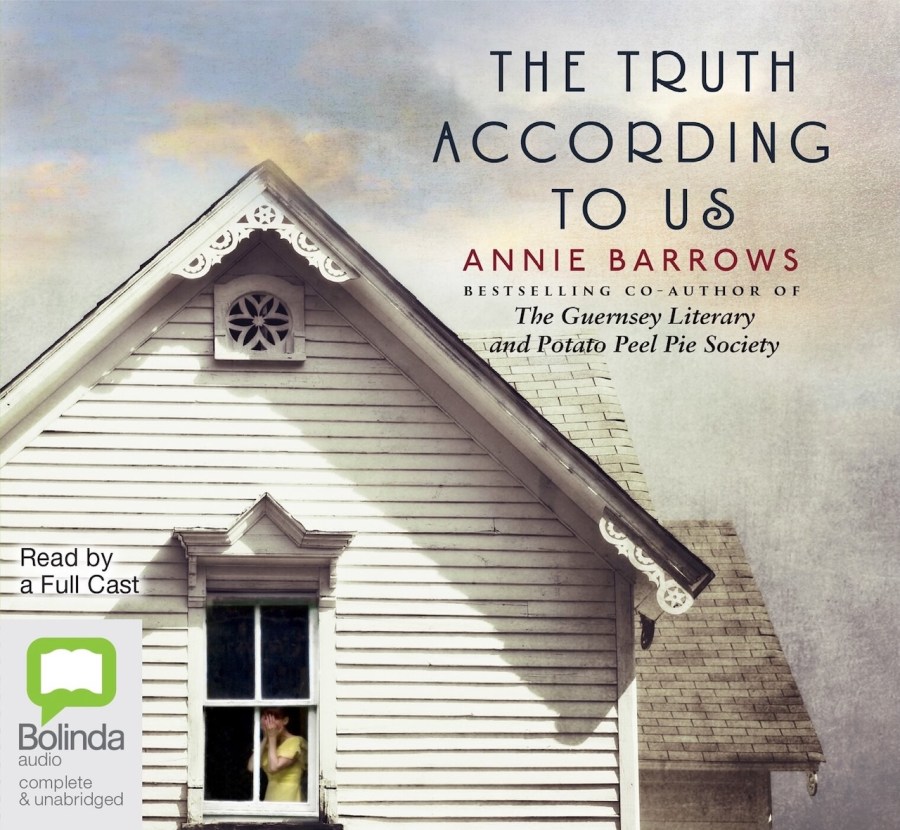
The Truth According to Us by Annie Burrows (co-author of The Guernsey Literary and Potato Peel Pie Society) is about what happens to independent women in 1938 when they refuse to marry a suitor their father thinks they should say yes to.

It’s very demoralizing to be regarded as a problem rather than an individual.

When Layla Beck refuses to marry, her father cuts off her allowance and tells her to get a job. He thinks she’s spoilt. Her uncle helps her out, commissioning her to write the town history of Macedonia, West Virginia, as part of the federal writers project. The version of history she is to write is one sided, dictated by the towns families of influence. No one, including Leyla expects her endeavour to be a success.

I’ve learned that history is the autobiography of the historian, that ignoring the past is the act of a fool, and that loyalty does not mean falling into line, but stepping out of it for the people you love.

She is to board with Romeyns, a local family. The Romeyns household is comprised of twelve year old Willa and her younger sister, Bird, their father Felix and his sisters Jottie, Mae and Minerva. They are the unconventional remnants of a once respected family whose late father ran the local mill.

Whatever gave you the idea we were like everybody else?

Leyla soon begins to thrive, and decides to tell the real history of the town in all its technicolors. Her endeavours takes place against the backdrop of factory strikes and family secrets. What unfolds is the Romeyn family saga (the family become Leyla’s chosen family), and the local towns story, told from the perspectives of Willa, Jottie and Layla.

Ladies don’t smoke in public, Jottie said. In public included a lot of places, even our front room because of all the windows, so Jottie smoked like a stack in the kitchen.

I really enjoyed the unfolding of this tale, and the character building, as hidden truths were unearthed, both by Leyla for her project, and Willa determined to understand the adults in her life and unearth their secrets.

If you’re going to unearth hidden truths, keen observing is your shovel