
My Japan trip with two long term friends is a logistical extravaganza with 20 stops in 36 days using every means of transport available. Our first week was made up of several days in Tokyo then a night in Narai-juka before walking part of the Nakasendo postal route then heading to Kyoto for a few days. What follows are the moments that stuck with me. I have also added a book review at the end
TOKYO
We had a soft landing in Tokyo. It was a Saturday night yet the airport felt empty and we glided through customs and onto a Shinkansen (bullet rain) to Tokyo with Japanese efficiency. The train systems are a labyrinth of efficiency, logically organised if you can understand the colour coded system and extraordinary feats of engineering. Getting lost in subways is standard for tourists (and some locals) and we did spend sometime wandering the underground in Tokyo and Kyoto until we got our bearings.
Tips: download the Suica app before you leave and load some funds on it for easy train ticketing, to book on Shinkansen and the Narita AirPort Express. You can also use it in some convenience stores. Download google maps – it uses the subway colour coding and is invaluable to find the right subway entries and train connections, and always allow time to find your platform – it can take a while. Try and avoid catching trains at peak hour as they can be extremely crowded and stuffy (one of my friends actually fainted).
We visited Oedo Antique Market overflowing with treasures including ornaments, tea ceremony bowls, kimonos, clothing made from beautiful hand sewn silks, indigo dyed denim and assorted nick-nacks. The Japanese are generally quite reserved so I was surprised when an elderly lady stopped us and wanted to chat about what we had purchased and show us her items, but I had a sense she was lonely and saw us as a safe way to connect.
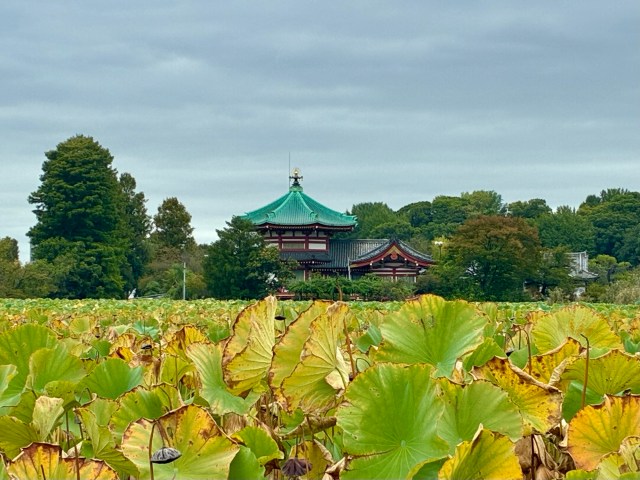
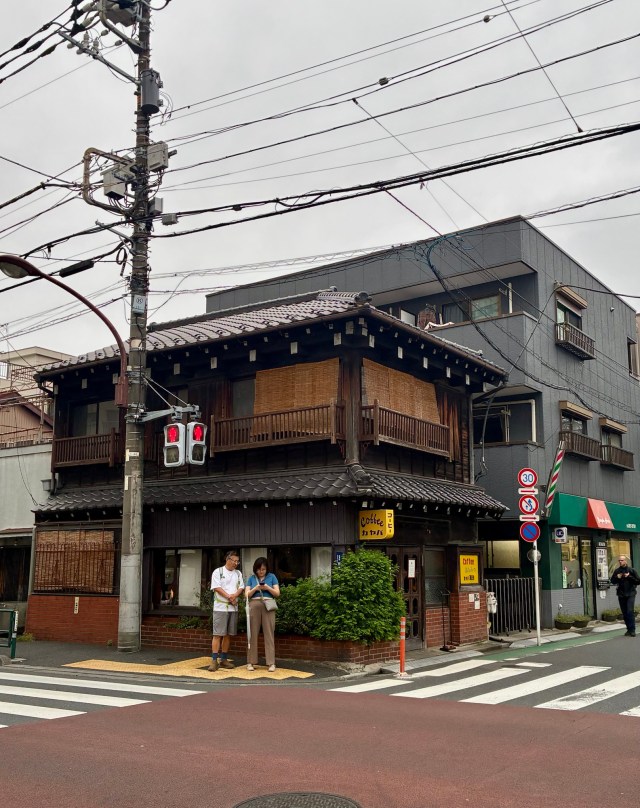
Later that day we walked around Ueno Park which had a lovely community feel with musicians and young creatives selling their wares, a massive lotus pond, the Kaneiji Temple and several museums. Then we wandered around the old neighbourhood of Yanaka, one of the few areas still containing traditional buildings as it was spared from bombing during WWII.
We stayed in the quiet residential neighbourhood of Arakawa at TokyoNEST Nippori hotel near the train station, and conveniently across the road from the Saito onsen, a public bath. At the end of a long day’s walking we crossed for a soak. The bath was fabulous but we did experience our first real cross cultural challenges. Understanding the towel vending machine was confusing, we didn’t have enough coins for the lockers (a kind old lady lent us one) and I had to be shown how to make the hairdryer work. Luckily the local ladies were extremely gracious with us clumsy foreigners though I am pretty sure there was an undisclosed inner dialogue behind those polite facades.



Tips: the public baths are generally tattoo friendly, while many private ones are not. Arrive with a good handful of 100 yen coins to hire towels and use lockers and hairdryers.
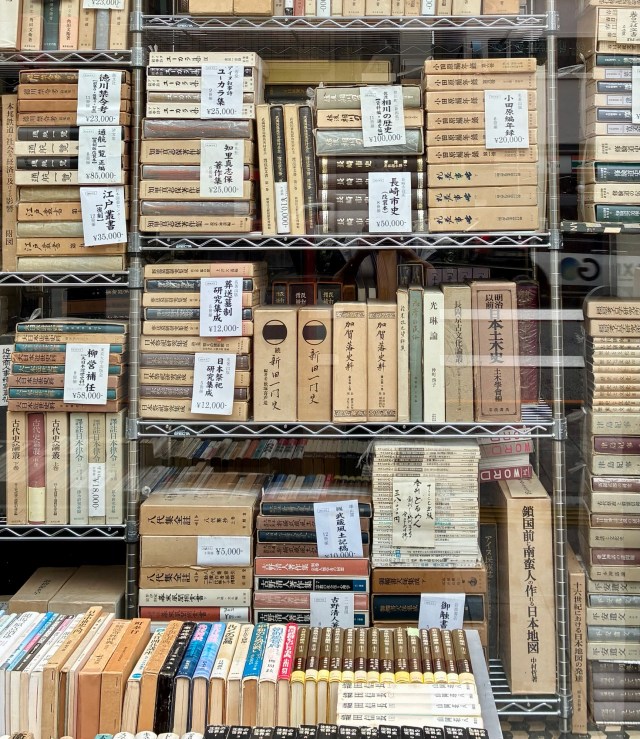
Other Tokyo highlights included Jumbocho book town and the cherry blossom tree lined Meguro river in Nakameguro, the centre of cool and Japanese hipsters where we had lunch at a funky Thai restaurant called Krung Siam. This area also has a large Sky Garden – a massive colosseum type structure with vines growing up the outside and an entire garden in the roof overlooking the city. It’s a great spot to escape for a quiet moment. A short train ride will take you to the poetic Rikugien garden in Nagaracho which is lovely to walk around too.
Tip: If you are there during spring cherry blossoms or autumn foliage time, the Rikugien gardens are lit up and kept open until 9 p.m
KISO VALLEY
We made our way via three trains to Narai-juka past narrow pointy mountain peaks covered in dense green jungle pushing up from the earth to reach into the clouds. We passed valleys dotted with villages and cemeteries and farmlets growing vegetables, the outbuildings being consumed by the forest. Narai-juka is a beautifully preserved post town on the old walking route that connected Edo (modern-day Tokyo) with Kyoto during the Edo period (1600 – 1868). The trail is 540 km long and has post towns dotted along the way for travelers to rest and recover. Walking around Narai to check out the historical buildings, shrines, and a beautiful wooden bridge was around 7km all up.
We planned to walk a couple of sections of the trail from Narai to Yabuhara Station over the Torii Pass, then from Nagiso to Tsumago and Magome. Most people walk south to north, we did the opposite and set out early. This meant we did not get caught up with other walkers much and mainly encountered them toward the end of each day – most importantly going in the opposite direction so we didn’t get stuck with the constant chatter of other walkers.
In Narai-juka we stayed at the Iya Kankou Ryokan situated in a 200 year old building with an internal garden where we had delicious traditional Japanese meals. We headed out early on the Torii Pass which has and some magnificent views and we caught the first signs of autumn colours (no bears). This part of the walk is only about 7km but it’s an uphill and downhill and took about 3 hours.

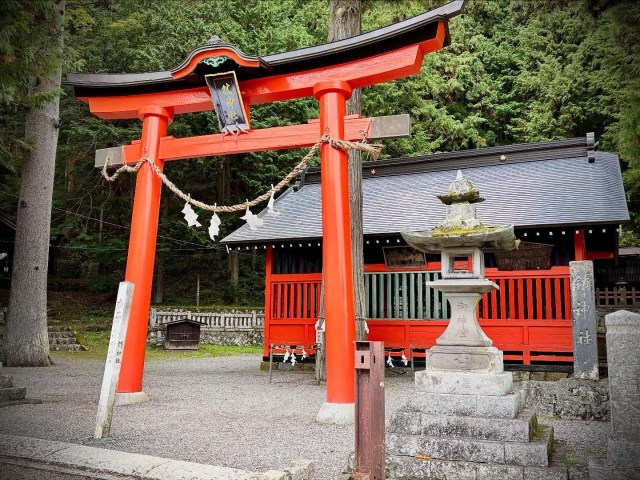
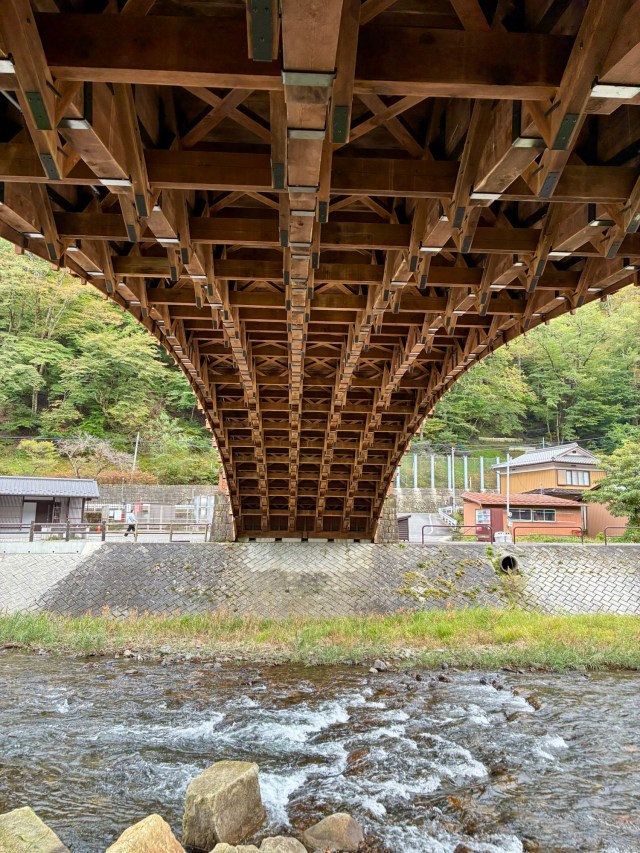

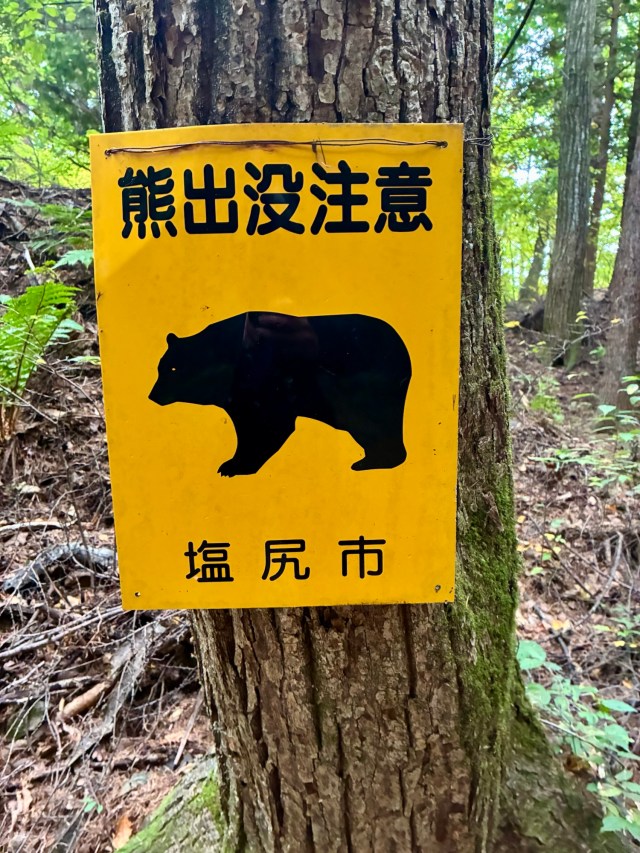
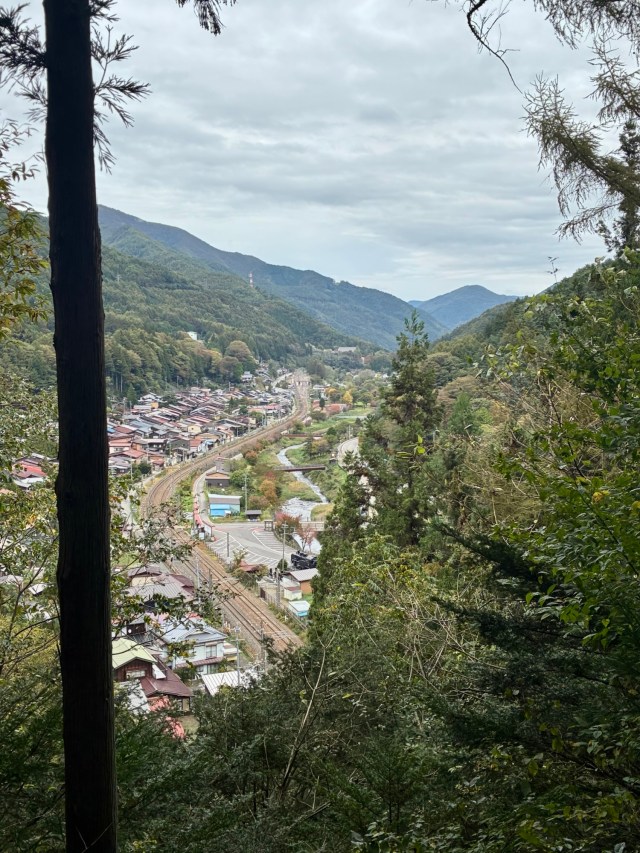
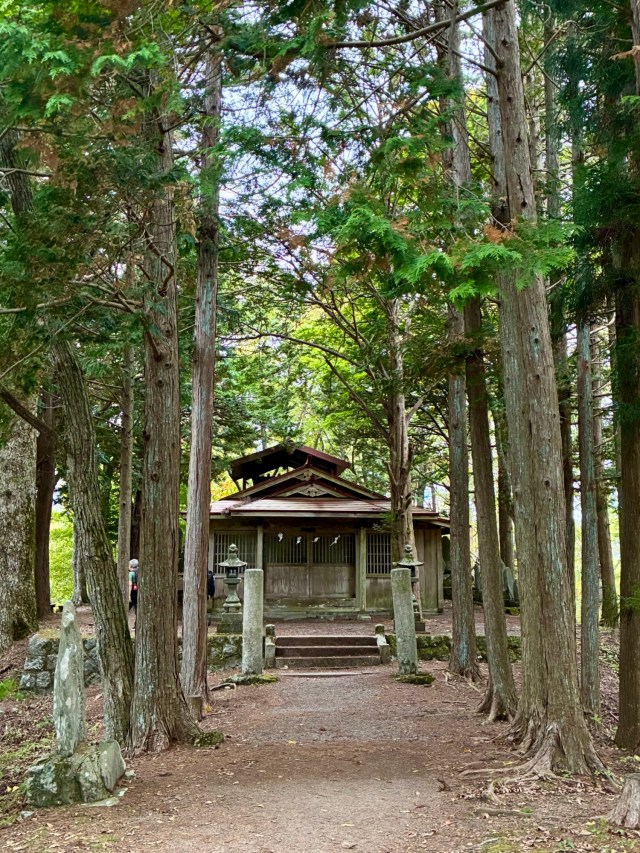

From Yabuhara we caught a train to Nagiso and had lunch at Cocono Cafe. It was run by very elderly women and had a vibe of Japan fused with an English tea house. I can recommend the soba and yam soup, a local specialty. After lunch we walked on to our next stopover just past Tsumago along narrow winding roads through old villages. Our total walk that day was around 15km.
Tip: if staying around Tsumago order dinner and breakfast with your accommodation as other options are limited.
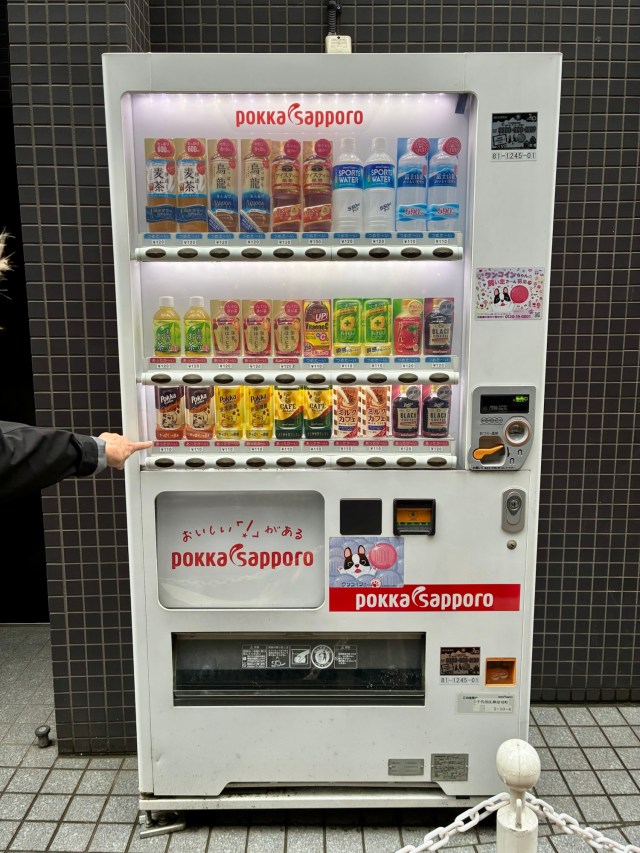
The next morning we ended up having a hamburger from a vending machine heated in a microwave for breakfast which was surprisingly palatable and fortifying. On vending machines – they are everywhere. Particularly good to get a coffee – hot or cold.

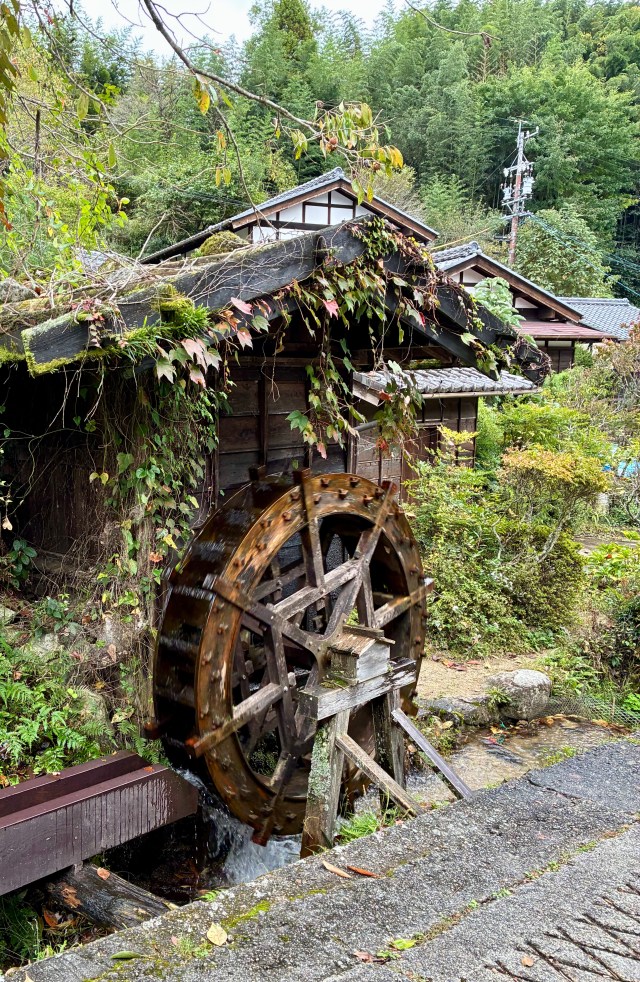
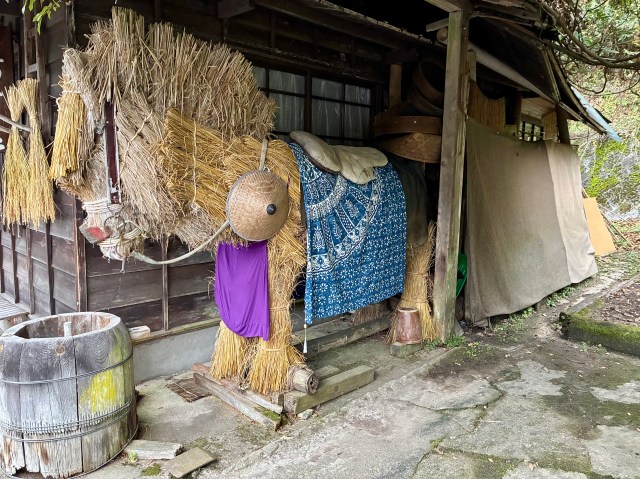

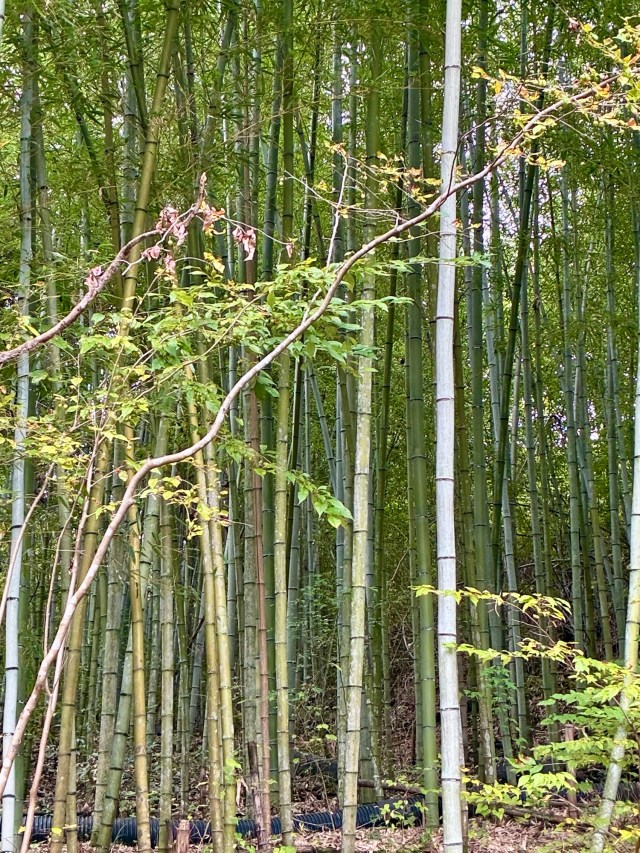
The final leg of our walk to Magome was around 12km along cobbled paths and dirt trails, past waterfalls, through cedar forests and bamboo copses alongside the ghosts of Samarai. We stayed at the beautifully restored and generously provisioned Magome guesthouse with an outdoor hot tub and plenty of hammocks to relax in while we watched the sun set and ate a meal ordered in by our host.

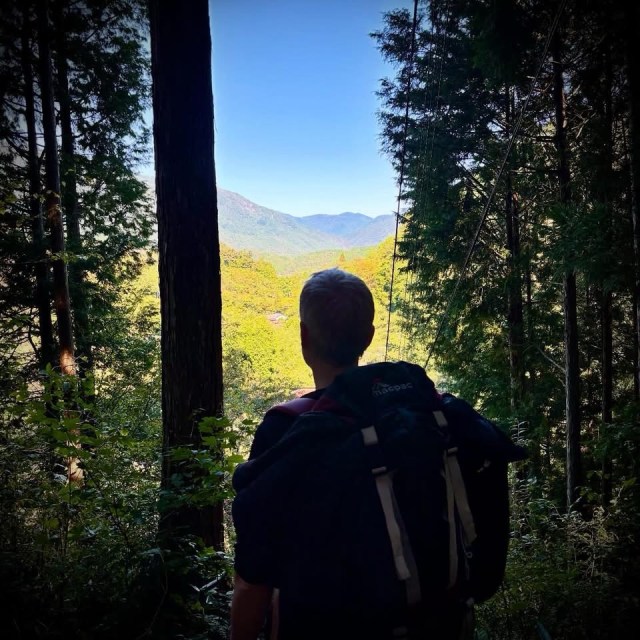

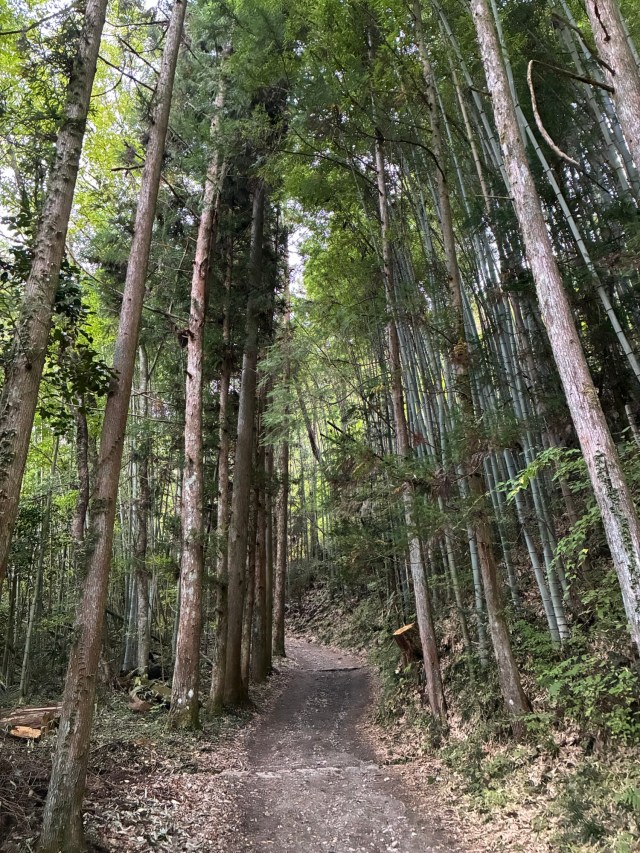

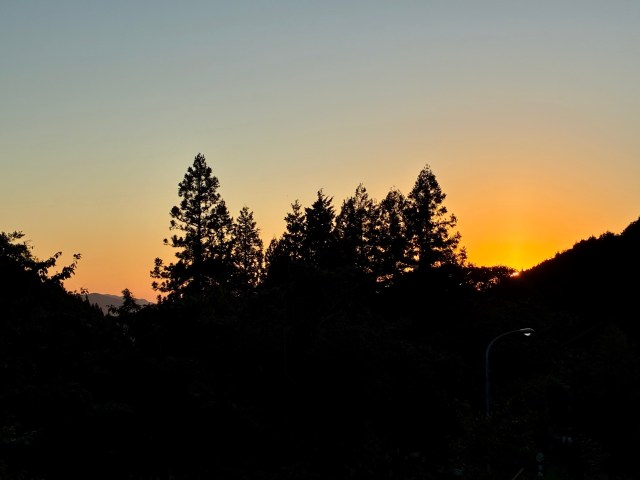

Magome-juku is a pretty mountainous historic town. Streets are lined with traditional buildings and there are a number of places to eat – I can recommend the oyaki (steamed dumplings) filled with pickled vegetables or marinated eggplant or sweet chestnut and steamed in what looked like a system of 19th century hinoki cedar drawers.
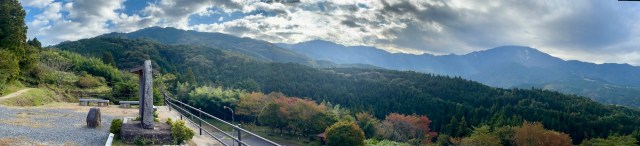
After a fond farewell to our very generous host we boarded a bullet train that took us to the big smoke of Kyoto at 275km/h where we had a sunset wander along the Kamogawa river and a picnic from 7-11 at the close of our first week.
Tip: you can get a really good take away meal from a 7-11 in Japan for when you can’t be bothered looking for a restaurant.
Book review: Convenience Store Woman by Sayaka Murata
After marvelling at the 7-11’s in Tokyo and Kyoto it was fitting that I read Convenience Store Woman by Sayaka Murata during our many train journeys in between gazing out the window. This is a story about a woman called Keiko who does not fit into Japanese societal expectations as she does not get the strict social mores and says and does things she should not.
The normal world has no room for exceptions and always quietly eliminates foreign objects. Anyone who is lacking is disposed of.
As a child Keiko kept getting into trouble for her literal approach to life – on one occasion pulling the teachers skit and pants down as her shouting was disturbing the children and she’d seen it done on TV and make women quiet. Her family worry about her and she does not have friends and when she tires of always getting into trouble she decides to stop talking outside the home.
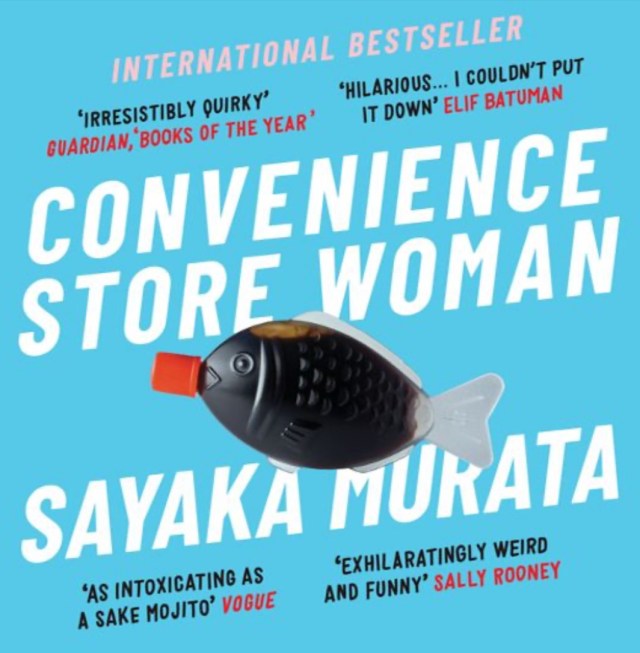
At eighteen she gets a job in a local convenience store. Here she finds a place where she fits as they provide extensive training and a manual on how to behave and what to say – it’s the first time she feels like she understands how to be human. The job provides a sense of being a useful member of society.
So the manual for life already existed. It was just that it was already ingrained in everyone’s heads, and there wasn’t any need to put it in writing. The specific form of what is considered an “ordinary person” had been there all along, unchanged since prehistoric times I finally realised.
But Kaikos family still worry, she is now 36, childless, and never had a boyfriend. Her family still want to fix her. Enter Shiraha, a hopeless unlikeable man who wants a wife to support him so he can just stay home and breathe. Keiko sees an opportunity and asks him to move in – she will provide what he wants, keeping him like a pet, and his presence will make her appear more normal.
I am one of those cogs, going round and round. I have become a functioning part of the world, rotating in the time of day called morning.
Convenience Store Woman is a story about an autistic woman in a society that has strict conformist social rules that do not make any sense to her. Keiko tells her story in a classic pragmatic, deadpan way, explaining how she learns to be just to fit in as it makes life easier, not because she cares.
 R L Smith