Book review: Joan Smokes by Angela Meyer

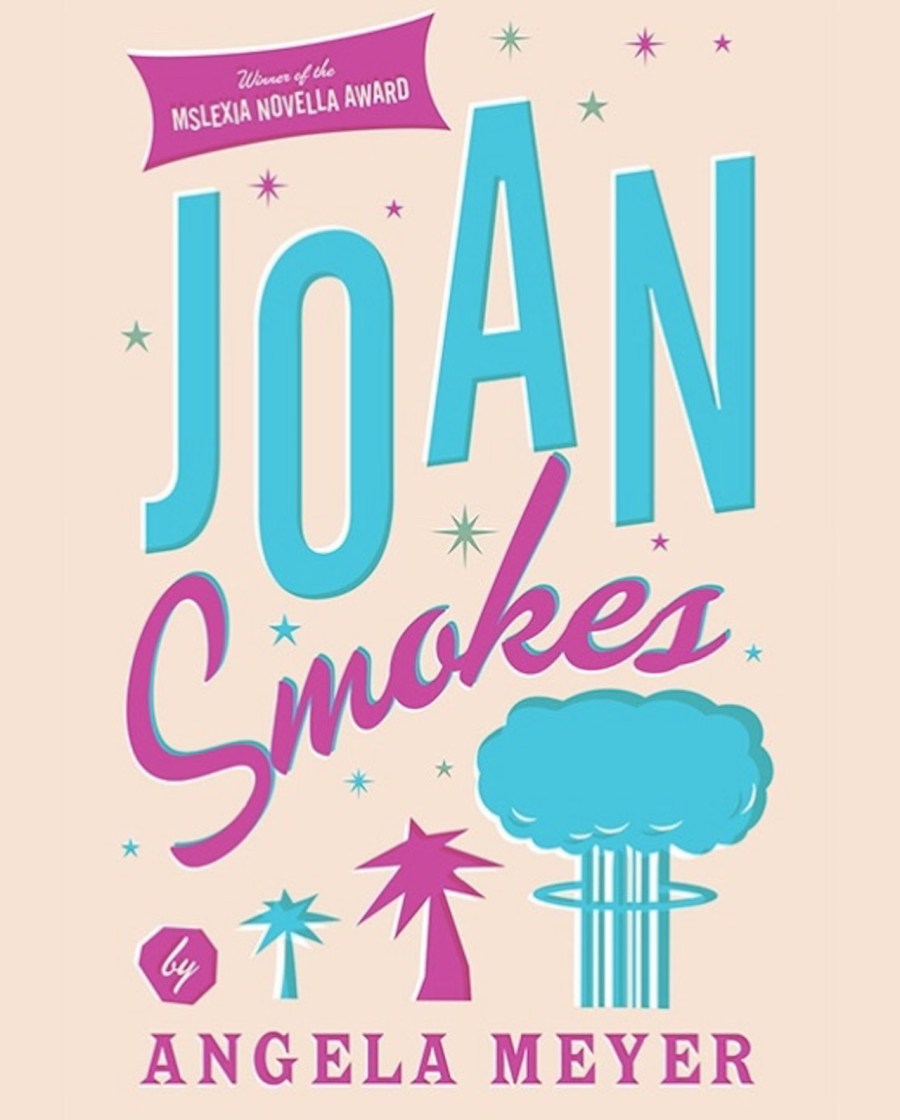
Joan Smokes is a 68 page novella by Australian author Angela Meyer. Winner of the Mslexia Novella Award (2019), this story is a case of good things come in small packages.

She used to be someone else, but decided to become Joan after she arrived in Vegas, to start again, shut her past out. It’s the 60s and she decides Joan has dark hair, red lipstick and wears floral dresses. Joan is also a smoker, so she buys a packet of cigarettes.

Joan moves forward amongst the casinos and flashing neon, finds a job and meets new people.

She’d seen the Las Vegas  strip in a movie. It is just as technicolor in real life. The radio plays ‘Be My Baby’ by the Ronettes and she flicks it off because love songs are ice. The lights make sound in her eyes. On one sign: the soprano crescendo of pink. On another, a swooshing fan of green-blue.

Her mother always said one man is as good as another. She forgets about Jack, tries to let things go.

You will want to know what Joan is running from, why she is on the edge of a breakdown and why she thinks becoming someone else will make her believe it didn’t happen. A sophisticated and emotional read that will make you wish the story was longer.

Review: The Dry by Jane Harper – book to film

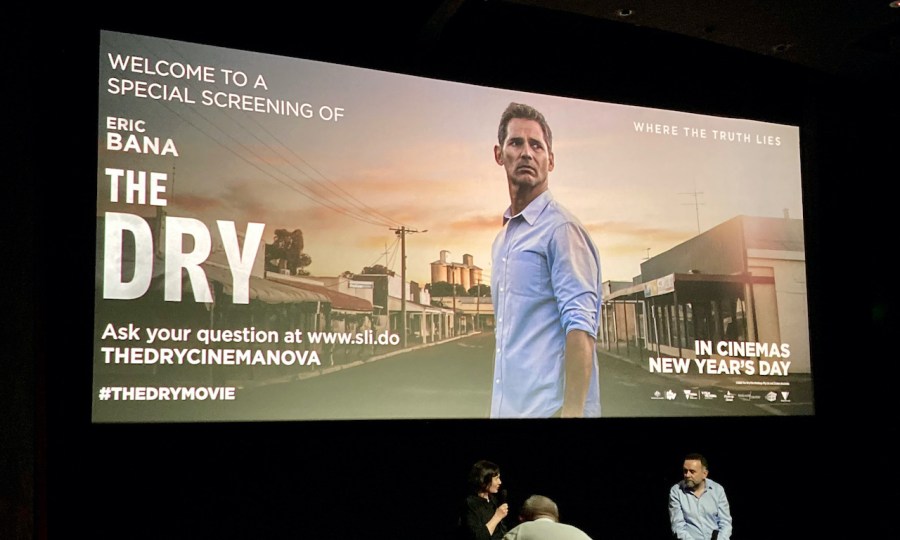
I read Jane Harper’s The Dry when it first came out and really enjoyed it. So I was excited to go and see a special screening of the movie at Cinema Nova in Melbourne this week. It was also the first time I’d been near a cinema, or any kind of cultural institution since March (pre-COVID) which engendered a sense of novelty into the occasion.

Three members of a family are murdered in a small, parched, Victorian country town. This is the second significant tragedy to strike the town in twenty years and Kiewarra is seething with a hostile undercurrent of mistrust. The first incident involved the drowning of our protagonists teenage sweetheart twenty years earlier. Federal cop Aaron Falk returns to the town for the first time since the girls death to attend the funeral of his childhood friend, Luke Hadler, after he receives a note from Luke’s father that says ‘You lied. Luke lied. Be at the funeral’.

It is believed that Luke killed his wife and son, and then himself in a murder-suicide. When Aaron arrives Luke’s parents ask him to look into what happened. Aaron reluctantly agrees and finds himself trying to navigate local hostility to solve two crimes.

It is only four years since The Dry won the Victorian Premier’s Literary Award for an unpublished manuscript. It’s been a speedy process from book to film after filmmaker Robert Connolly read the book and loved it. Connolly’s filmography includes: All Men are Liars, The Monkey’s Mask, Three Dollars, Balibo, Paper Planes, and The Bank.

Eric Bana plays Aaron and there’s plenty of pensive, moody moments of pent up emotion as he struggles with his own inner demons as well as those of the town. Other cast members include Genevieve O’Reilly, (Glitch, Rogue One), Keir O’Donnell (American Sniper, Ray Donovan) and John Polson (Tropfest founder)

The film was shot in the Wimmera and Castelmaine and is a great one to see on a big screen to get that sense of the expansiveness of regional Australia. Due for release in January 2021.

Book review: The Lonely City by Olivia Laing

I have a longstanding interest in the relationship between creativity and mental health. Creating art allows us to disconnect from stress, express inner thoughts and feelings, and often to enter that beautiful meditative state of ‘flow’. As a writer, I find the act of writing soothing.

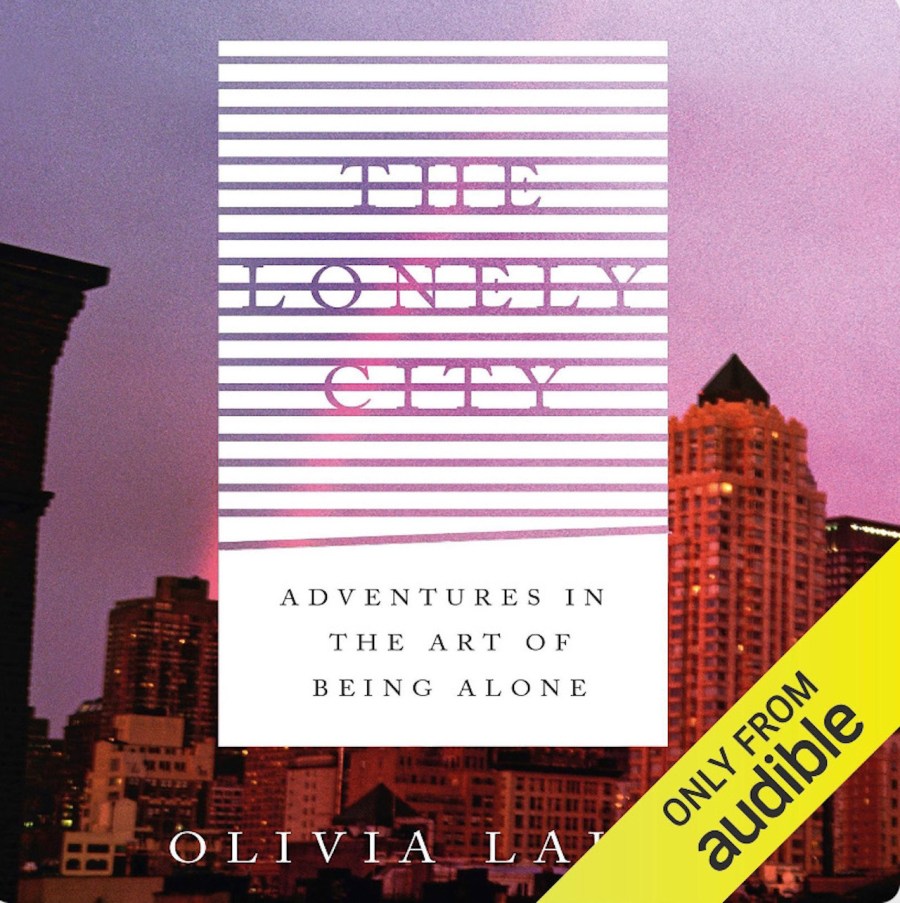
I was fascinated to discover and read Olivia Laing’s The Lonely City recently. The book investigates creativity as an antidote to loneliness, a largely taboo subject about the feeling that arises when we become distressed by the perceived gap between our desire for social connection and our actual experience of it.

Laing found herself alone in New York after the relationship that drew her there from Britain ended abruptly. She set out to investigate the state of loneliness, state that society finds difficult, through works of art that arose out of that state, and to record her own journey to master being alone.

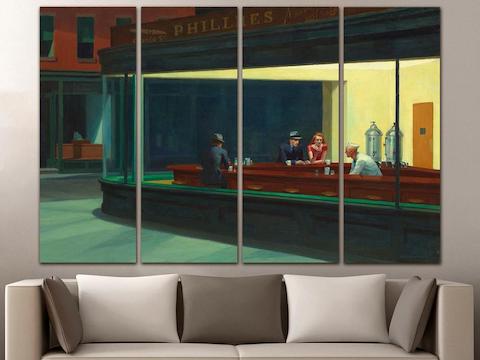
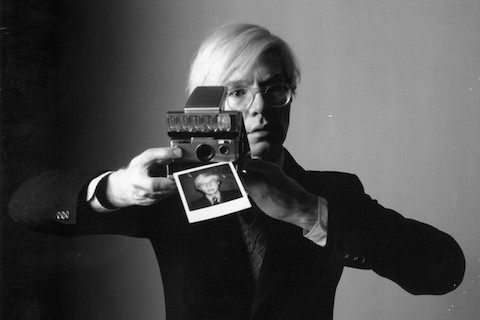
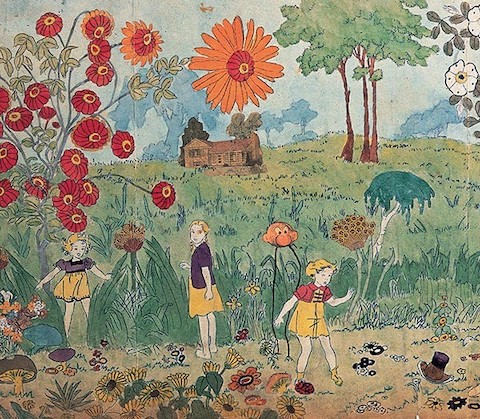
Laing’s main subjects were: Edward Hopper (1882-1967), the American realist painter and print maker who captured the loneliness and alienation of modern life in his work; Andy Warhol (1928-1987) a leading figure in the visual art movement; David Wojnarowicz (1954-1992) the Polish American painter, photographer, writer, filmmaker, performance artist, songwriter/recording artist and AIDS activist; and Henry Darger (1892-1973), the isolated American janitor who was posthumously recognised for his writing and art, including collages, and drawings, and 15,000 pages of handwritten prose.

images from web

Each artist was studied by Laing to create what she called a ‘map of loneliness’. Hopper’s Nighthawks is used to explore the spacial dynamics of loneliness with its characters trapped in an iceberg of greenish glass. Warhol’s machine-like aesthetic and the way he mediated intimacy via his tape recorder and camera explores the social strategies used to bridge a sense of strangeness and ‘not belonging’. Wojnarowicz provides a case study of the politics of loneliness and what happens when society excludes people from its ranks. Darger’s extreme isolation throughout his life presents a psychological case study of the condition of loneliness.

The setting of the work in New York city is demonstrative of the fact that being alone and loneliness are not the same thing. Loneliness is a condition that arises from within, an uncomfortable feeling that for some becomes unbearable. Some, like Warhol surround themselves with people but still feel a deep sense of loneliness, whilst others spend significant amounts of time alone without experiencing the condition of loneliness.

Laing explores the gendered nature of loneliness reflecting on Valerie Solanas (who shot Warhol), Greta Garbo and her paparazzo stalker, Ted Leyson, and Laing’s own forays into online dating.

The Lonely City is part biography, part memoir and part cultural criticism about the spaces between people and the things that draw them together. It is a broad ranging meditation on sexuality, mortality, loneliness, and the possibilities of art as an antidote. A fascinating read (or listen – I bought the audio book).
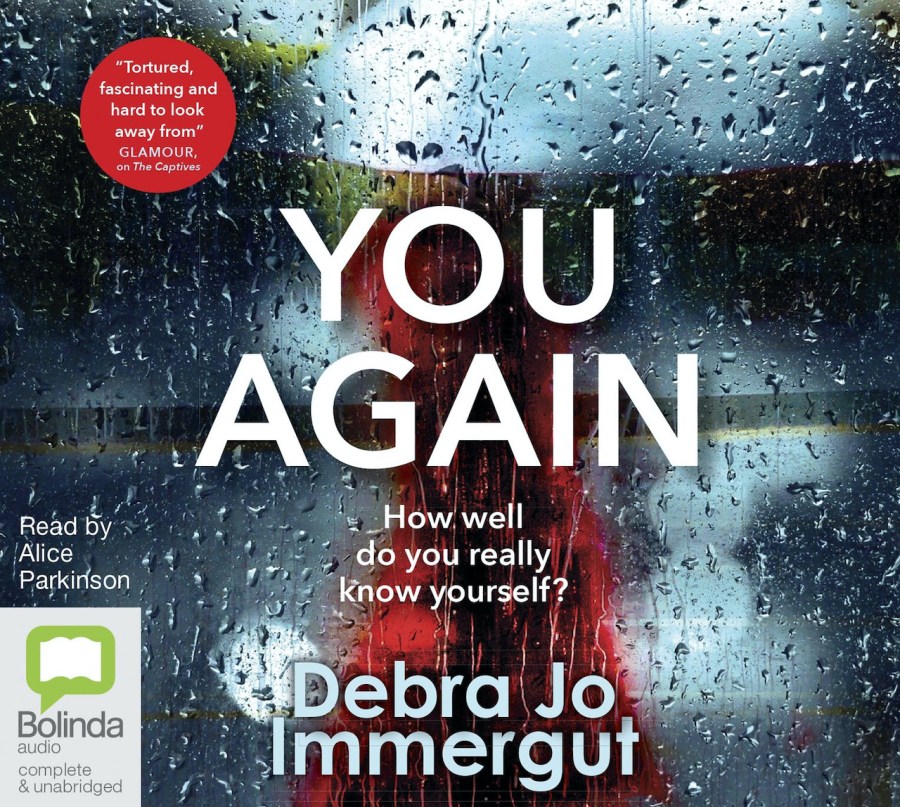
Book review: You Again by Debra Jo Immergut

You Again is Edgar Award finalist (for The Captives) Debra Jo Immergut’s second novel about a middle aged woman haunted by herself. I don’t know about you, but if I think I saw my younger self I couldn’t resist the temptation to offer myself some frank and fearless advice about a thing or two.

Abigail Willard keeps meeting her younger self in her old haunts around New York. A talented painter who abandoned her art for marriage and parenthood and an ordinary day job, at first she wonders if she’s having a midlife crisis and hallucinating about her lost youth. Then, as it keeps happening, she wonders if she has some neurological or psychiatric condition and goes to see a shrink and to get brain scans.

Meanwhile she is also contending with her rebelious son and questioning her relationship with her husband.

Journal entries form the narrative as Abigail’s life unfolds and she wonders whether she should warn her younger self about what is going to happen. There are echoes of magical realism in the plot as the narrative takes you from inside Abigail’s head to a doctor who is trying to work out why her patient is having these strange experiences.

You Again combines psychological suspense and fantasy in a meditation on time, existence, consciousness, fate, love, ambition and regret.