Storytelling and editing

Storytelling existed long before the printed page came into existence. The earliest known discovery dates back to around 14,000 B.C. to the Lascaux Caves in the Pyrenees Mountains in southern France. The story drawn on the walls of a cave in pictures depicted the hunting practices and rituals in the area. The first printed word story was the epic of Gilgamesh carved on stone pillars thousands of years later in 700 B.C.

Rock Art, Utah

Of course oral storytelling has been a central part of human cultures for thousands of years, but dating it exactly, like dating when humans first began to speak, is impossible because words leave no trace in the archaeological record. Over time stories have been used to preserve cultures across generations, to teach social norms and transmit knowledge, to create community cohesion, and to entertain. Storytellers were the healers, the spiritual guides, leaders, keepers of culture, entertainers or jesters, and they transmitted their tales in the form of songs, poetry, orations and chants.

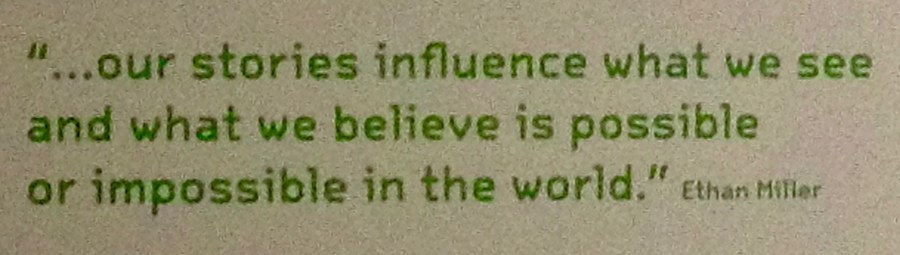
In some senses humans are stories because we are made up of the narrative constructs of our lives. Stories are how we are remembered, and how we remember others. A narrative is a powerful tool, and lives can literally be changed by them. Remember the books that influenced you as a child and moulded the way you think today? Stories give children access to their rich imaginations and deep fantasy lives and build emotional literacy. They help us to make sense of our world as well as challenge us to think about the world beyond our own narrow limits.
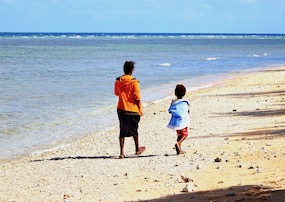
Telling Tales, Lamen Island, Epi, Vanuatu

For writers who subject themselves to the monkish like isolation required to create stories, writing is an activity that takes us deep within ourselves and draws us out all at the same time. An idea is often seeded by something that happens in the world around us, but when I look at what I have written retrospectively I usually wonder where it came from.

While I edit I have been thinking quite a bit about the difference between the written and oral forms of storytelling, because I use reading my work out loud to help with editing. Reading out loud allows me to hear the cadence, pacing and rhythm of my work. It puts my writing on display in a way that the written word does not.

An editor I know recently suggested I actually get someone else to read my work back to me as part of the editing process. She says how you hear your work is different again coming from another person and the exercise can help to further improve it. Getting someone else to read your work is particularly useful for grammar as it makes your realise that commas are far from meaningless markers. They cause a pause, or a breathe in vocalisation that you would not always pick up in silent reading. Punctuation alters the tone of the words they punctuate by indicating a change of idea, an increase in detail, or a change of speaker. Used incorrectly punctuation can confuse the reader, and when we confuse readers we throw them out of our stories.
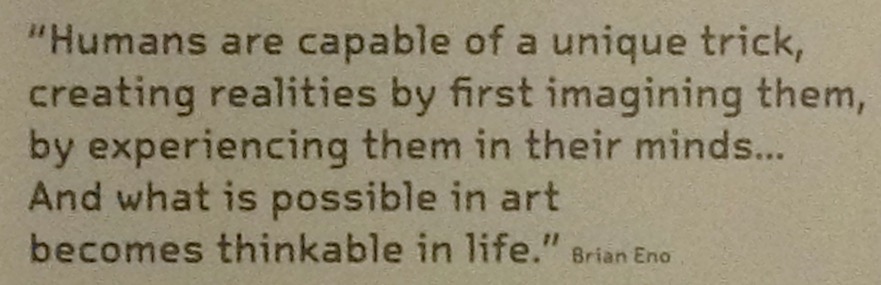
DOX Centre for Contemporary Art, Prague

I have been listening to a few audio books recently – and I do love an audiobook. They mean I read more because I can listen to them gardening, driving, walking, or when my eyes are too tired for the page. Though you do have to be wary of listening when you go to bed, because whilst it’s a lovely reminder of being read to sleep as a kid, there’s the risk of missing half the tale if you start snoring and the book keeps playing.

Well narrated audio books are an immersive experience that pulls you into the story when the reader infuses it with emotion. They can manipulate the pace by reading faster or slower, and vary tone and pitch for different characters to bring them to three dimensional life. You can’t skim an audiobook the way you can the printed word and in listening you can focus on the bricks of detail to notice how the writer has constructed the story. You can hear how they grab your attention and draw you deeper in, or do something that pushes you away, such as using large slabs of narrative that create distance.
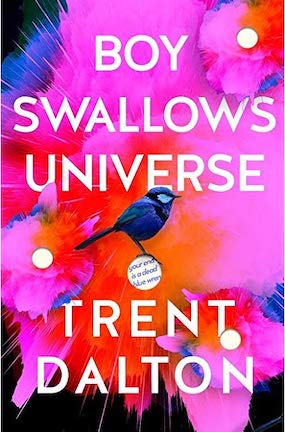
I’ve been listening to Boy Swallows Universe by Trent Dalton this week. It was named book of the year at the Australian book industry award and won audiobook of the year as well as a string of other acclamations. The story is based on Dalton’s own childhood growing up in a suburban Brisbane housing commission amongst drug dealers and criminals. Dalton’s use of dialogue is often hilarious, and his prose is evocative. He uses colorful details and wordplay to describe the minutiae of life and the deepest inner thoughts of Eli, drawing out the young narrators surreal imagination and philosophical meanderings. I’m only about half way though the audiobook but suspect I may want to turn around the read the written version as well when I’ve finished to see what I can learn there.

Main image: DOX Centre for Contemporary Art, Prague
Review: Law Week Event on Stalking, Trolling and Cyber-Bullying

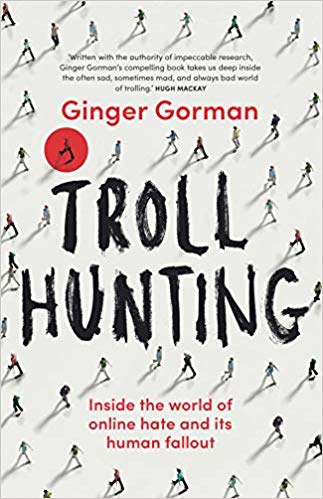
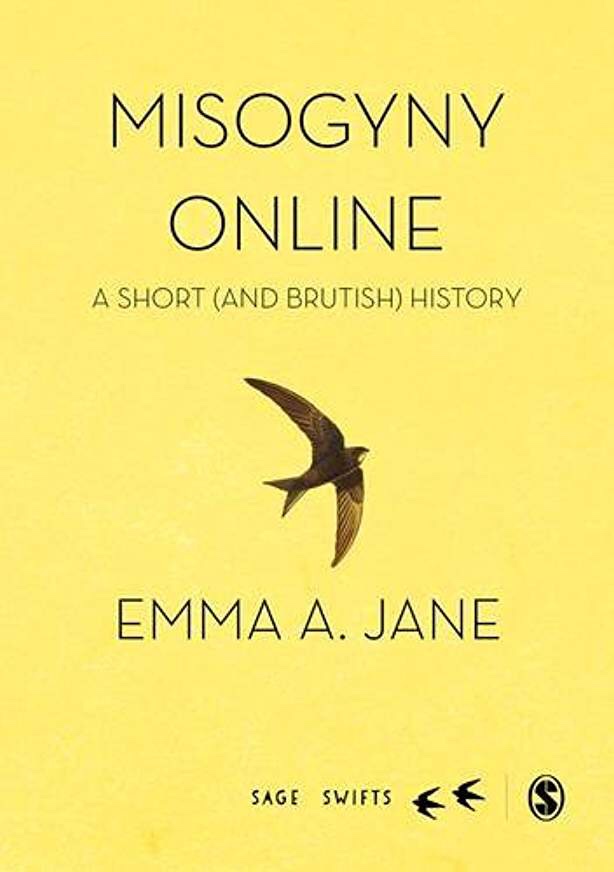
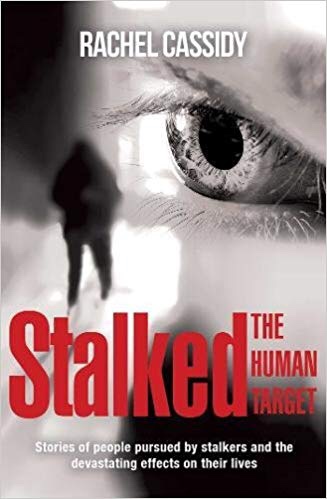
Sisters in crime hosted a Law Week event in partnership with Victoria University last week on the subjects of Stalking, Trolling and Cyber-Bullying. The Age journalist Wendy Tuohy, interviewed authors Ginger Gorman (Troll Hunting: Inside the world of online hate and its fallout), Emma A Jane (Misogyny Online: A short (and brutish) history) and Rachel Cassidy (Stalked – The Human Target) about predator trolls who use technology to bully, troll or stalk their victims to the extreme.

The author talks were reminiscent of Eileen Ormsby, author of The Darkest Web: Drugs, Death and Destroyed Lives, whom I listened to at Adelaide Writers Week. Ormsby talked about how the internet (her focus was the dark web) has created a safe place for bad people to meet, talk and normalise one another’s antisocial behaviour.

The Law Week speakers described the perpetrators of predator trolling as primarily narcissistic, entitled, anglo, straight young men. They often work in well organised, structured syndicates and find someone to target who they see as the ‘other’. They search for a targets weakness and then threaten harm or incite them to hurt themselves. They then set out to demonise, dehumanise and harm by choosing some characteristic (religion, ethnicity, gender, sexuality) to focus their harassment on.

Gorman drew the analogy that cyberhate is the modern day version of workplace harassment and domestic violence. It was an interesting observation on the internet as a social device. As a communication tool the internet can amplify both the good and bad of what has historically only happened in the school yard or the workplace. However, unlike the schoolyard or workplace, there is little, if any attempt to moderate or prevent harmful behaviour online and without moderation or regulation the internet can become like the island in Lord of the Flies.

Ginger Gorman was not entirely without empathy for some of the men she met online, despite having been the victim of trolling herself. She spent some time exploring the common characteristics of those who become predator trolls and found quite a lot of unhappy upbringings in disfunctional families, where parenting was outsourced to the internet and children were left vulnerable to grooming by other angry disenfranchised people online. An experience that perpetuated hate. She also found many trolls to be educated intelligent, but hateful men (mostly), some of whom were married with children and you probably wouldn’t connect with this behaviour if you met them in passing in real life.

When disenfranchised individuals get together in unregulated forums that enable anonymity, bad behaviour can snowball and become amplified. It’s a sad reflection on what’s broken in society if support structures aren’t available for either the disenfranchised youth who are destined to become predator trolls given the right set of circumstances, or the victims they harass.

Gorman has been heavily criticised by some for giving attention to the people she met online, but having been a victim of trolling herself I suspect she did not undertake the exercise lightly. It’s a complex area that will not change without shining a light on it.

It will be interesting to see if cybercrime starts to creep into more crime fiction narratives in the coming years as there’s certainly plenty of content for it. The three authors at Law Week have produced non-fiction works that will prove to be excellent research material for fiction writers with an interest in this area, and present some fascinating insights and plenty of food for thought. The take away message for me was a comment by one of the speakers at the end…

“Take your radical empathy online.”

Respect Matters

There are a lot of ordinary people in the world who do extraordinary things. Most of them pass through life unnoticed by all except those whose lives they touch. A small number become immortalised when their contribution is recognised by the media, awards, or writers who become fascinated enough in their stories to commit them to paper, but most often the extent of a person’s contribution to society, only becomes apparent when we hear others tell stories about them.

Last week I went to a living wake for a woman called Katrina Leason, a long-term friend of my partner, and someone I have come to love and admire through that association.

Zelda’s Place Collective

In the mid-eighties when feminist activists began to challenge dominant discourses about violence against women, a group of young women in Melbourne got together and formed a collective to set up Zelda’s Place which provided support and accommodation to young women who were victims of incest. Katrina was one of the founding collective members.

The collective named Zelda’s Place after Zelda D’Aprano, a staunch feminist, labour unionist and pay justice advocate. Zelda was an unstoppable force in the women’s movement and the labour movement. She got sacked from factory jobs for speaking out about unfair condition for women, organised pub crawls with groups of women to drink in bars that banned women from entering, and chained herself to the doors of the Commonwealth bank in 1969 to protest the dismissal of an arbitration of an equal pay case with the meat industry union. On another occasion she chained herself to the doors of parliament house, only to have her chains cut and removed by a police officer. When the officer suggested she should be embarrassed by her behaviour, Zelda responded she was not because soon there would be more women joining her. Sure enough they did, and Zelda formed the Women’s Action Committee and the Women’s Liberation Centre with them, and the women’s liberation movement was born.

Outdoor glamour

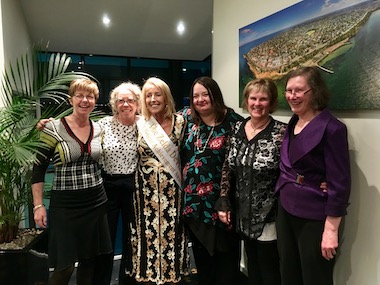
Zelda’s spirit inspired the young women’s collective who formed Zelda’s Place, five of whom were at Katrina’s living wake. The five have taken varies trajectories in their careers, but Katrina, like Zelda, and the in the spirit of that first collective, dedicated her professional life to ending violence against women.

On sighting Katrina from a distance you would not immediately pick her as a staunch feminist, she doesn’t fit the stereotype. She is glamorous. Tall, blonde, immaculately dressed and always made up. It is not until you speak to her that you realise she is a woman not to be taken lightly.

I had known for some time that Katrina had done quite a lot of work with the Australian Football League (AFL) around reducing violence against women. What had not dawned on me was that she was one of the drivers behind the professionalisation of women’s football, which emerged as a national competition backed by the AFL in 2017.

Gathering

Katrina had realised some time ago that Australian’s love of sport could be a vehicle for change and bought her more than twenty-five years of working to create more inclusive environments to the male dominated world of football.  She believed that increasing the participation of women in football was key to the cultural change needed in community football clubs to prevent violence against women and girls, and pursued that belief with the same strength and determination that she pursued all her years of working to eliminate violence against women. I imagine that many of the blokes in the football world would have been surprised by Katrina.  As my partner pointed out; Katrina Leason never shies from a fight, but always turns up dressed for a ball.

Katrina has approached her illness with the same pragmatism she has applied to her life.  Meditation has given her inner strength to withstand many challenges and to stand tall with dignity and pride in the face of opposition and adversity, along with her connection with family and close friends.

We live in a society that is largely afraid of death, and where talking about it is often taboo. Katrina chose to take a different path and engaged a Buddhist death doula to provide non-medical support to her and her family through her end of life journey. Doula’s can help us to lean into death, to steer away from the socialised silence that most commonly surrounds dying and that brings disconnection rather than that which we most crave – connection.

A Splash of Gold

The theme for Katrina’s living wake was semi-formal with a splash of gold and she looked ever glamorous in a long dress with gold braid. The gathering took place over a sit-down dinner at the same place Katrina and her husband, Peter, had married, but the main event was the family and friends who spoke.

Katrina gave those who knew her the opportunity to tell her, and for her to hear their words that she would not have experienced had they been spoken at her funeral. It was a beautiful evening to be part of.

I sprayed my hair gold and shed quite a few tears at the beautiful speeches.  The final speaker presented Katrina with a well-deserved Zelda D’Aprano Lifetime Achievement Award in honour of her tireless work to contribute to the elimination of violence against women. Afterwards I felt I knew Katrina a little better and had a deep sense of gratitude for the woman in who’s honour I was there, for showing us what it means to strive not only for a good life, but for a good death as well.

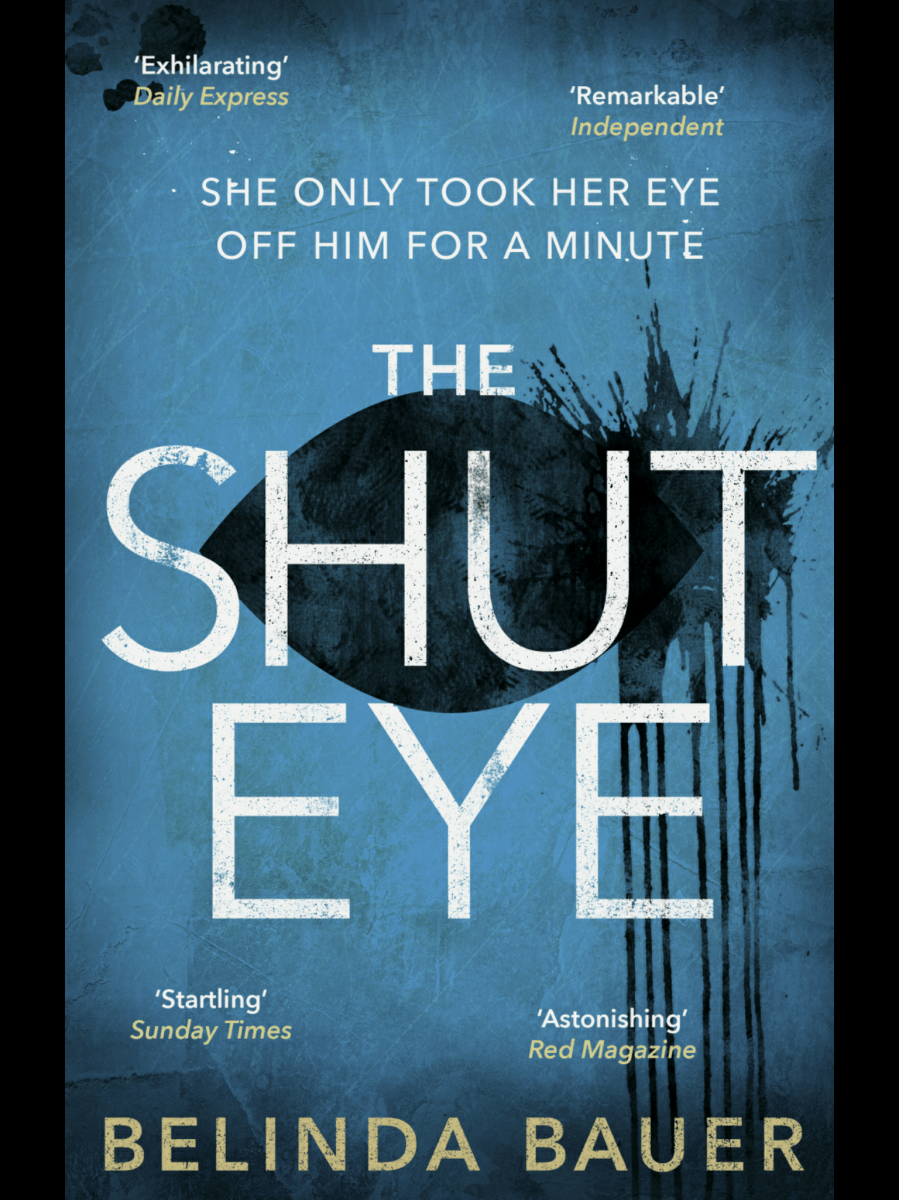
Book Review: The Shut Eye by Belinda Bauer

Anna can’t bring herself to end it. Instead she spirals toward insanity while she sits on the pavement outside her house and polishes five tiny footprints embedded in the cement, protecting them from passers-by. Her son Daniel disappeared and the footprints are all she has left.

DCI Marvel is a curmudgeonly detective who hates most people but has a uncharacteristic empathy for the missing and murdered. His mood takes a turn for the worse when he’s assigned to look for his bosses wife’s lost dog.

Anna and Marvel meet when Anna is trying to throw herself off a bridge. When Anna goes to a psychic for help to find Daniel, she meets the owner of the missing dog and decides to help the cynical Marvel find it. Then things take a strange turn.

English crime writer Belinda Bauer brings her characters to life by exposing quirky details about the absurdities of life and then weaving them with human tragedy. She has a knack of making the almost unbelievable plausible and times you’re not sure whether to laugh or cry. Her prose flows in a way that is easy to digest and draws the reader into the characters.

The first Bauer novel I read was Snap, short listed for the Man Booker Prize in 2018. Snap was a page turner that surprised and delighted with its offbeat, idiosyncratic characters and made me an immediate fan. I must admit I wondered if I would enjoy her earlier novels as much given I seemed to have started with the best. I’m pleased to say The Shut Eye did not disappoint and I’ll be delving into more of her work in the future.

Recycling Books

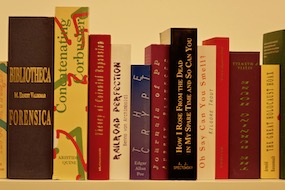
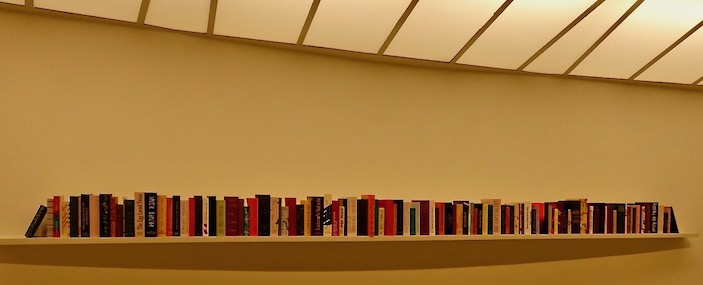
Guggenheim, New York

In 2015 on a trip to New York I had the good fortune to meet a gentleman who worked at the University Club in Manhattan. It’s an elite private club established in 1861. Its purpose now is to promote Literature and Art and it’s based in a Mediterranean-Revival-Italian Renaissance palazzo-style purpose built building constructed in 1899 on West 54th Street. The Club hosts one of New York’s greatest private art collections which includes works by American artists Gilbert Stuart and Childe Hassam. It also has an extraordinary reading room with ceiling murals by H. Siddons Mowbray that were modeled after the Vatican Apartments (unfortunately I couldn’t take photos).

The gentleman gave us a tour of the building, library and rare book collection and it was one of the greatest book highlights of my life so far. Some of the rare books we were shown included:

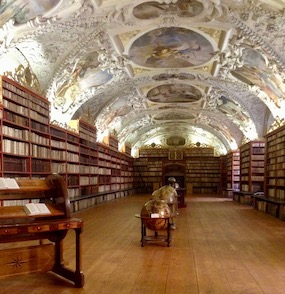
‎⁨Strahov Monastery and Library⁩, ⁨Prague⁩, ⁨Czech Republic⁩
  • Ptolemy Geographical (1511): an early publication of geographical maps pre-dating knowledge of Australia’s existence, which does not appear in any of the drawings.
  • Domenico Fontana Architecture (1590): which described and illustrated the removal of the Vatican Obelisk from its old location behind the sacristy of St. Peter’s, where it had been since the reign of Caligula, to its present location in the center of the Piazza of St. Peter.
  • The natural history of Carolina, Florida, and the Bahama Islands 3rd edition, Mark Catesby (1771): which contained drawing of the figures of fish, snakes, turtles, etc.
  • Handwritten Patent of Nobility, King Ferdinand to Don Pedro Jacinta Elantra (1750): a royal manuscript printed on velum (goat/sheep skin).
  • Trattato del giuoco della palla (1555), Antonio Scanio: the first book ever written on the rules of tennis.
  • Book of Common prayer (1770’s): which had a fore edge painting, a painting on the edge of pages that can only be viewed from a certain angle.
Guggenheim, New York

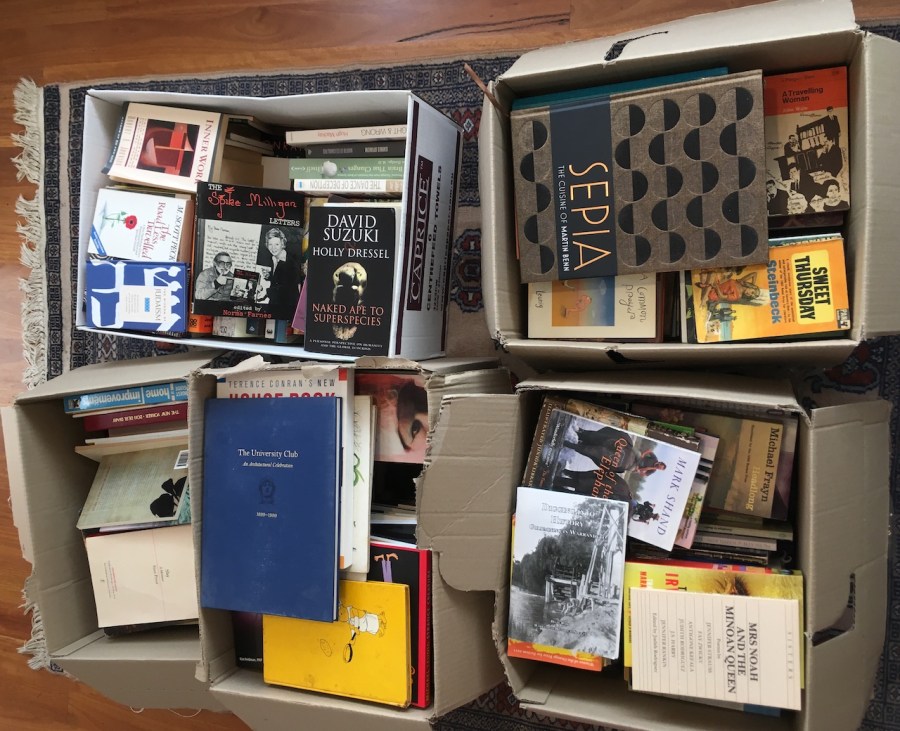
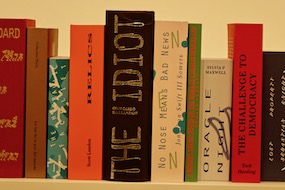
I set about reviewing and rationalising my own book collection for the first time in about ten years last week, and while it may not contain any valuable or rare books it was an interesting trip through my own history, because a book collection can tell us a lot about ourselves. They put on display an intimate insight into our intellectual lives, inspirations, influences and escapes. I remember the last time we did this exercise and took a big load of books to our local second hand bookshop. It was after a youthful phase of reading loads of self-help and personal growth books.

The shop owner foraged through the boxes, turned to us and said, “I hope you feel better now.”

Guggenheim, New York

This time the throw out pile, about eight boxes, includes an eclectic mix of mainly literary and genre fiction. There are also a small number of management, cooking and personal development books.

What we chose to keep on our bookshelves is as interesting as what we discarded. The unread; favourite reference books (cooking and gardening); the books we loved and reread with the bent spines and creased pages (like Tracks by Robin Davidson; The Catcher in the Rye by J. D. Salinger; poetry books; and anything by Jeanette Winterson); the nostalgic volumes that hold some fond memory from childhood that we cart from house to house even though we may never read them again (James and the Giant Peach by Roald Dahl; The Black Stallion Walter Farley; Midnight by Rutherford Montgomery); and the ones we read as adults that hold some historical meaning and we might revisit one day (Equus by Peter Schaffer; Zen and the Art of Motorcycle maintenance and all those tomes on the art of classical dressage written by the greats like François Robichon de La Guérinière and my own teacher Master Nuno Oliviera – even though I no longer ride)

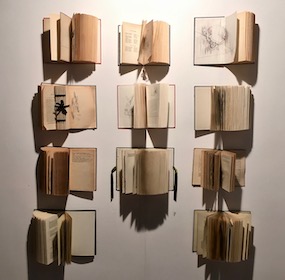
Book Art, Adelaide

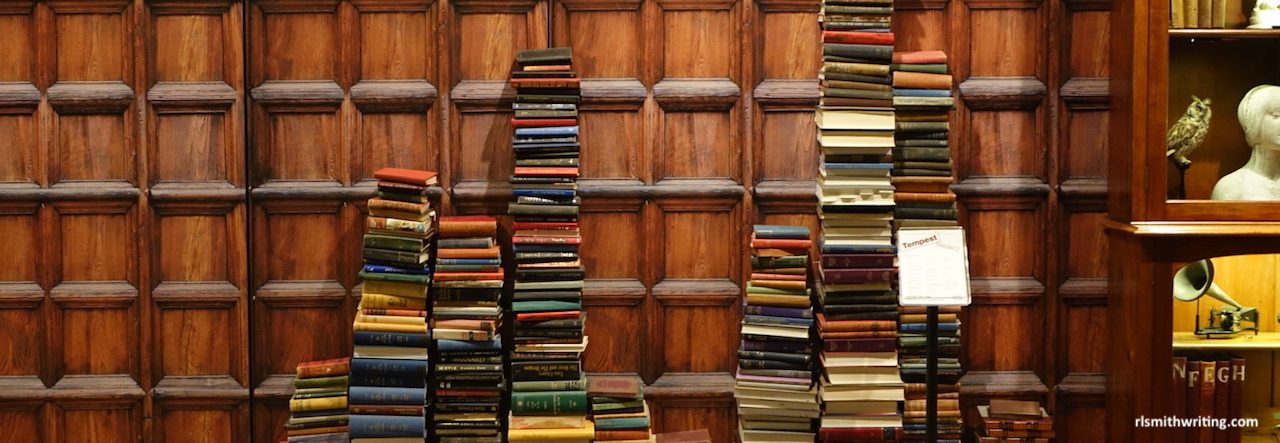
Of course when I mentioned discarding books, I didn’t mean throwing them away, that would be sacrilegious, there are many options to consider, disposal being the last resort. I have seen some amazing creative uses of old books from art installations to turning them into a bed base. I will attempt to find homes for as many as possible with friends, at second hand bookshops or by donating them to the local library, or op-shop, or one of the places around Melbourne listed below. Then I’ll set about filling up those empty shelves again.

Aboriginal Literacy Foundation: accepts donations of new and used children’s books. Refer to the criteria on their website before sending or delivering books.

Australian Books for Children of Africa (ABCA): appreciate good quality kindergarten to year seven books, both fiction and non fiction, new and second hand, including story books, dictionaries and atlases.

Lifeline: raise over 80% of their operational costs through retail activities such as Lifeline Shops and has drop off points around the country that accept books

National Prison Book Program: is run by teh The Australian Prison Foundation and has collection points in Melbourne

Street Library, Berlin

Street Library: Community home’s for books in the street where people can simply reach in and take what interests them; when they are done, they can return them to the Street Library network, or pass them on to friends. The website shows drop off points

Brotherhood books: When you donate or purchase a book from Brotherhood Books, you are supporting the Brotherhood of St Laurence in working for an Australia free of poverty. All the proceeds of these book sales are reinvested back into the charitable operations

Vinnies: accept donations of quality books – fiction, non-fiction, childrens

Do you ever clear out your book shelves? What do you do with your second hand books?