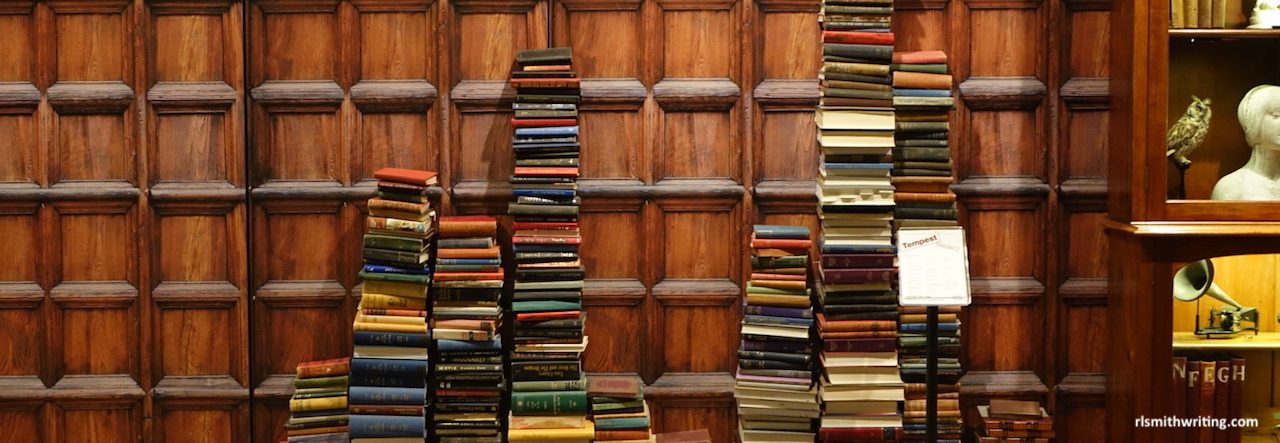

KYOTO
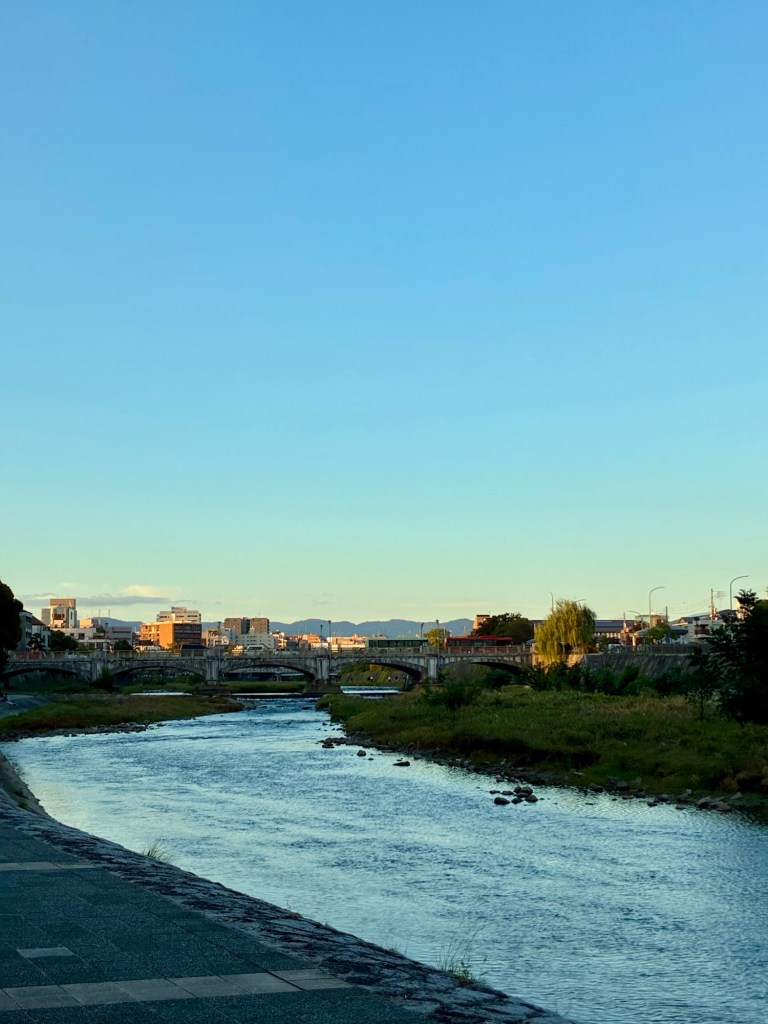
Kyoto is a beautiful city but it is suffering from a bad case of overtourism. The issue left me feeling sad for the locals (they must resent it) and because of this I would not go back unless tourism dropped off. Having said that we did have a lovely couple of days by avoiding the most popular tourist spots and getting up very early to avoid the crowds.
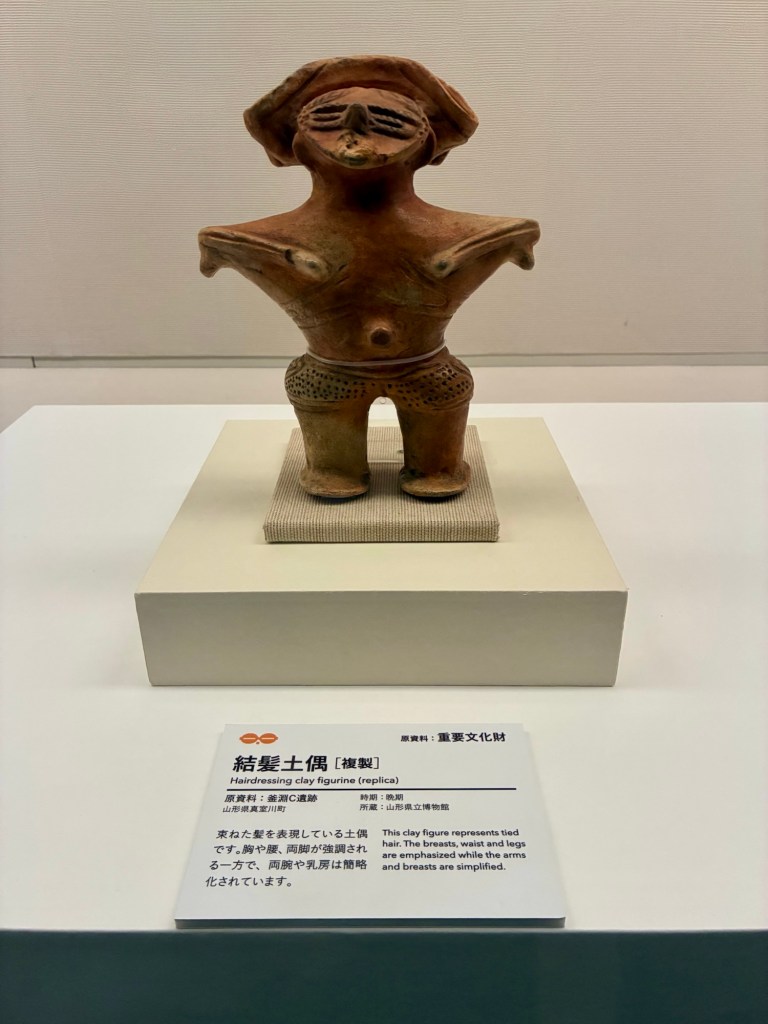
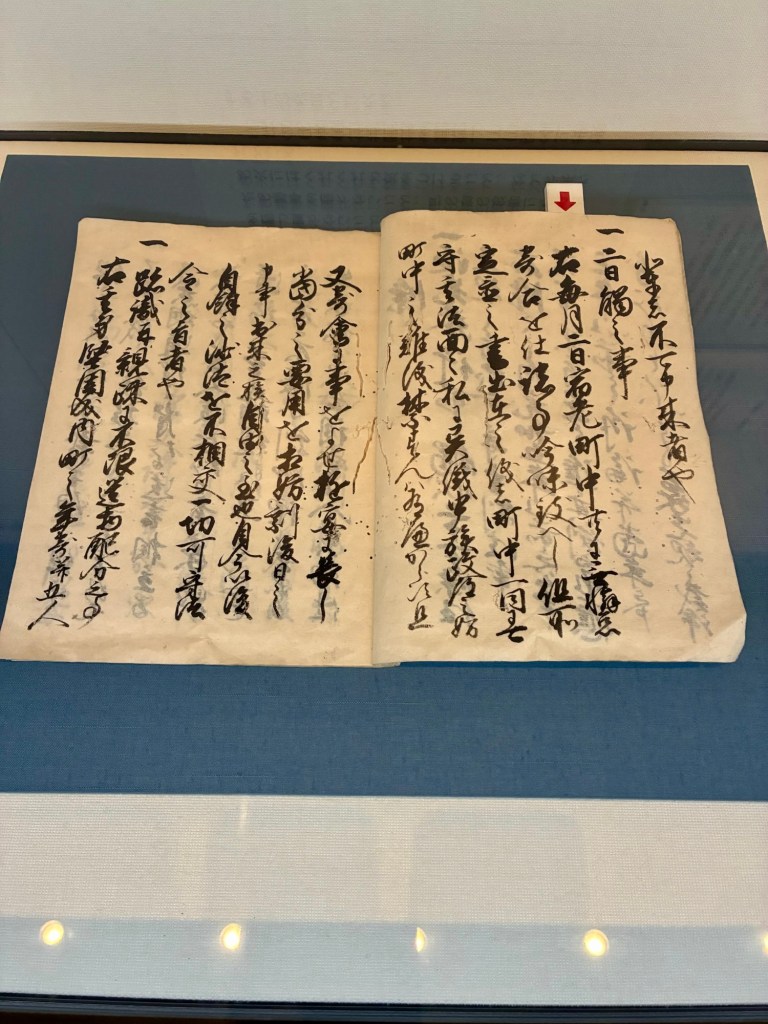
The moss gardens at Gio-ji temple were a green oasis and Kyoto station is a wonder of engineering and worth some exploration including to see the spectacular views across the city from the sky garden. The Museum of Kyoto is worth a visit. We learned about the Jōmon hunter-gatherer peoples, a Japanese First Nations group and saw the History of Kyoto Exhibition that included several volumes of the Lotus Sutra scrolls from the 11th century. We also had a beautiful meal at Kiyamachi tofu restaurant near the Kamo River waterfront – it requires pre booking.
Tip: Google translate is invaluable, don’t leave home without it.



KOYASAN
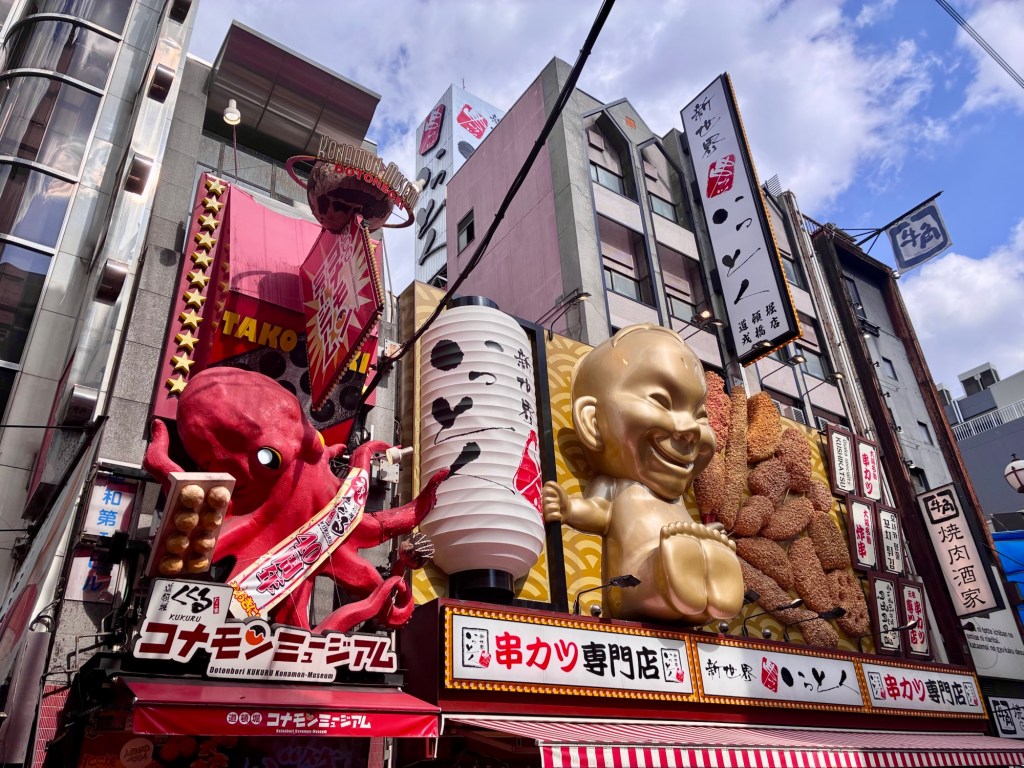
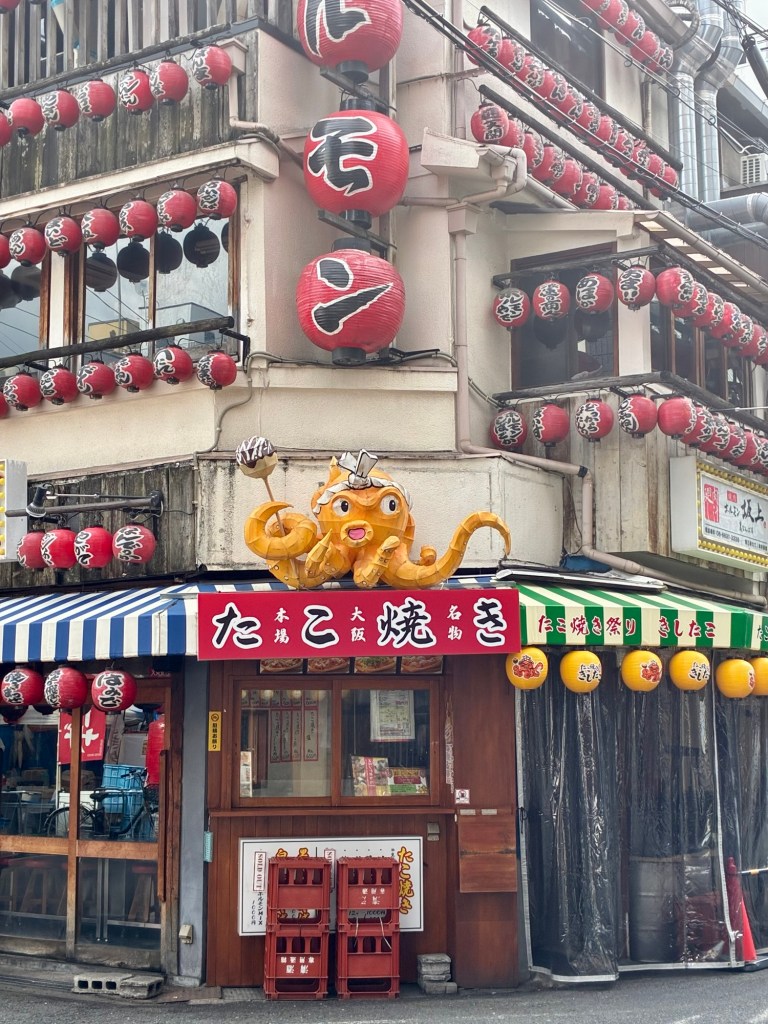
Our next destination was Koyasan. The train journey is via Osaka where we walked down Doutonbori street which is a a smorgasbord of neon and noise with a carnival atmosphere. I noticed at the train station locals were much more interested in engaging with us than in Kyoto, likely an indication that tourism is not overwhelming the city.
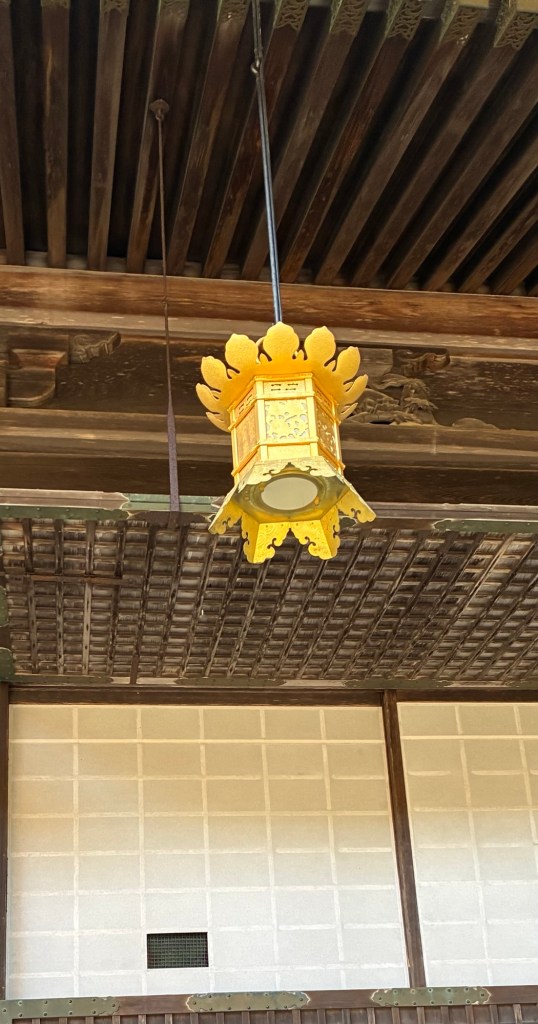
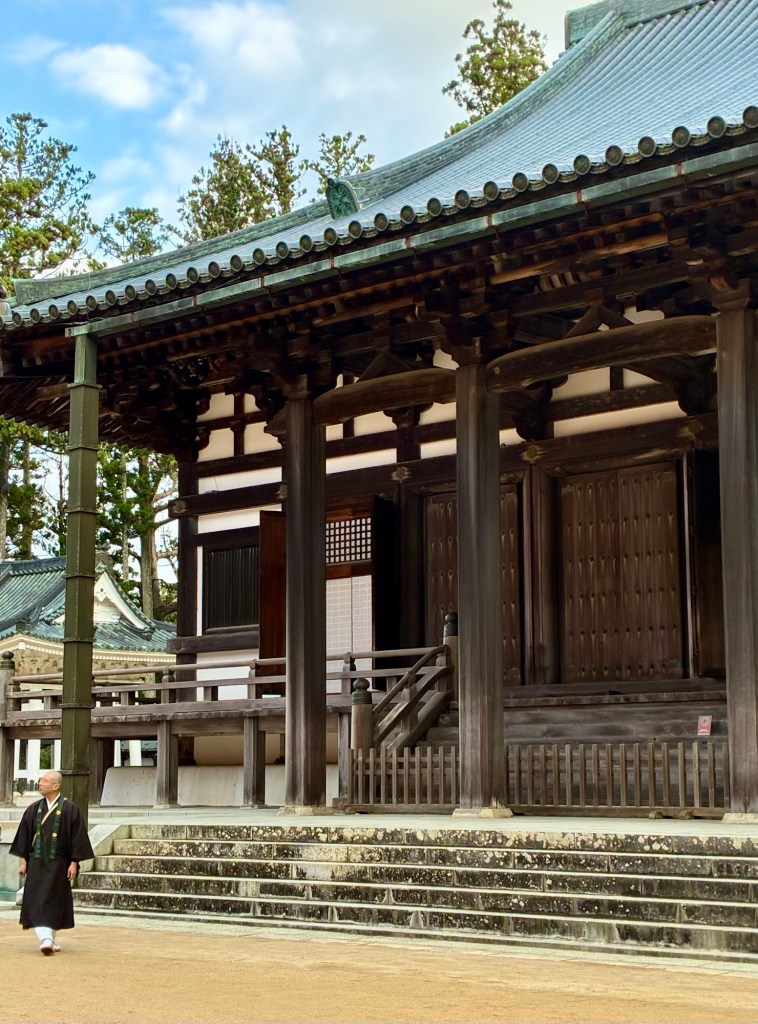
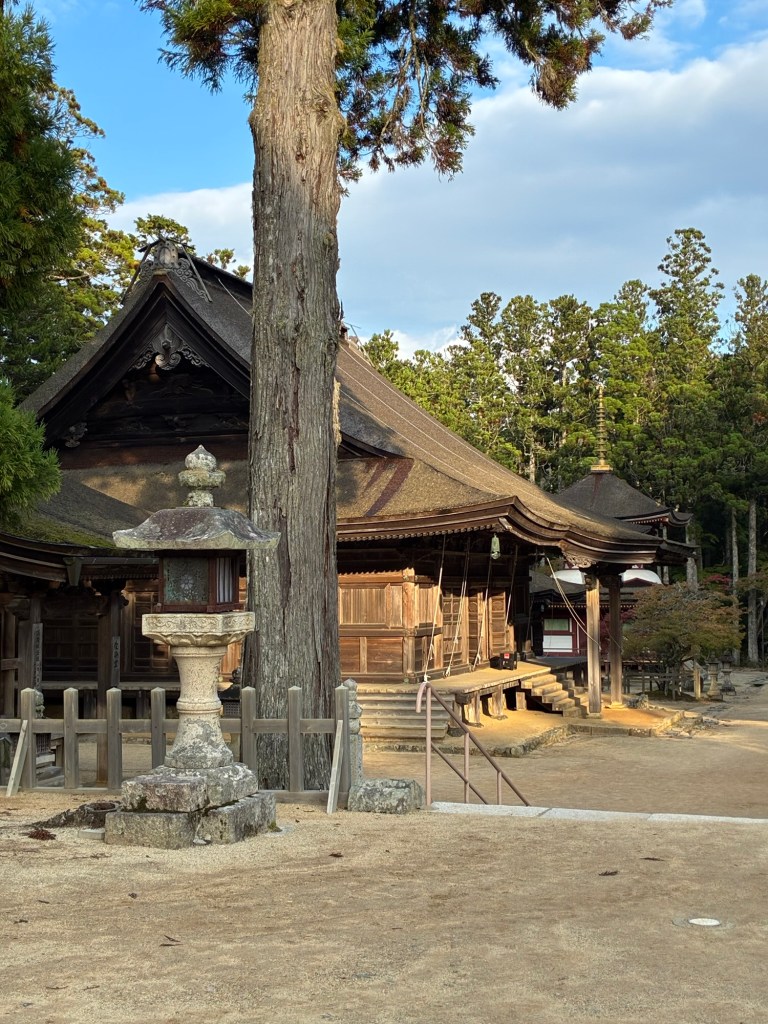
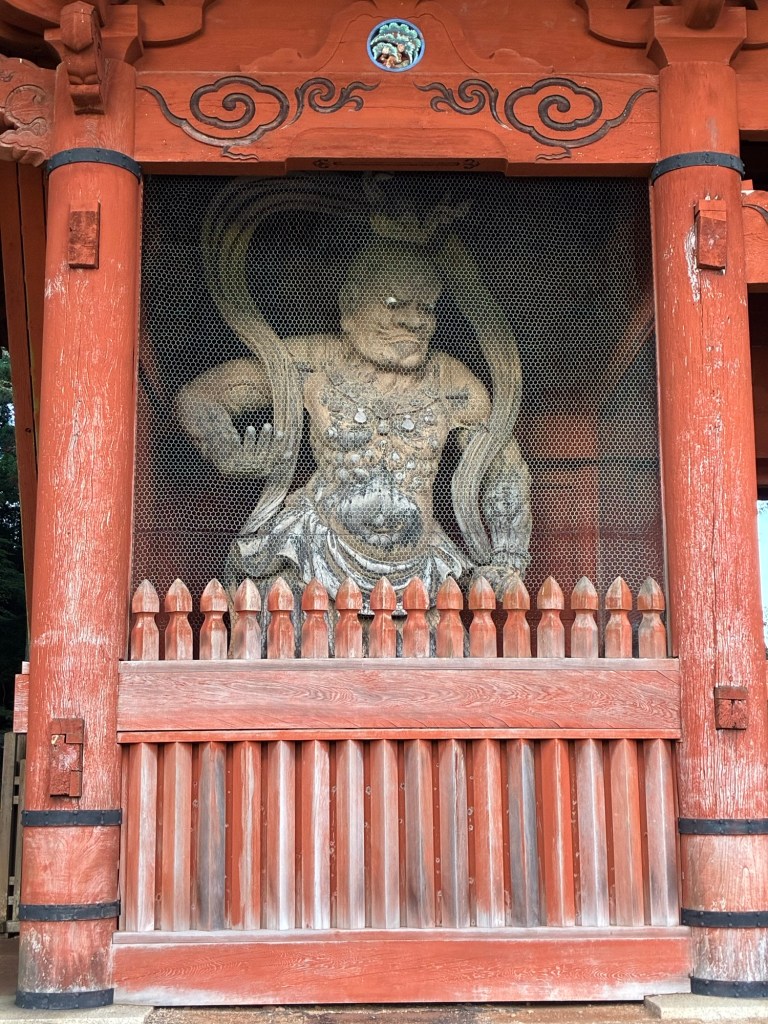
From Osaka we caught a train, a cable car and a bus for a slow ride into the mountains and the centre of Shingon Buddhism, first introduced to Japan in 805 by Kobo Daishi. The Koyasan area has a number of World Heritage Sites including the Garan temple complex.
I felt my nervous system relax immediately after the amusement park like atmosphere of Osaka. Koyasan is a very beautiful mountainous area with pilgrimage walks, monks singing in the early morning and not too many tourists. We stayed at the Saizen-in temple lodgings which was well located and comfortable and provided tasty vegetarian meals.
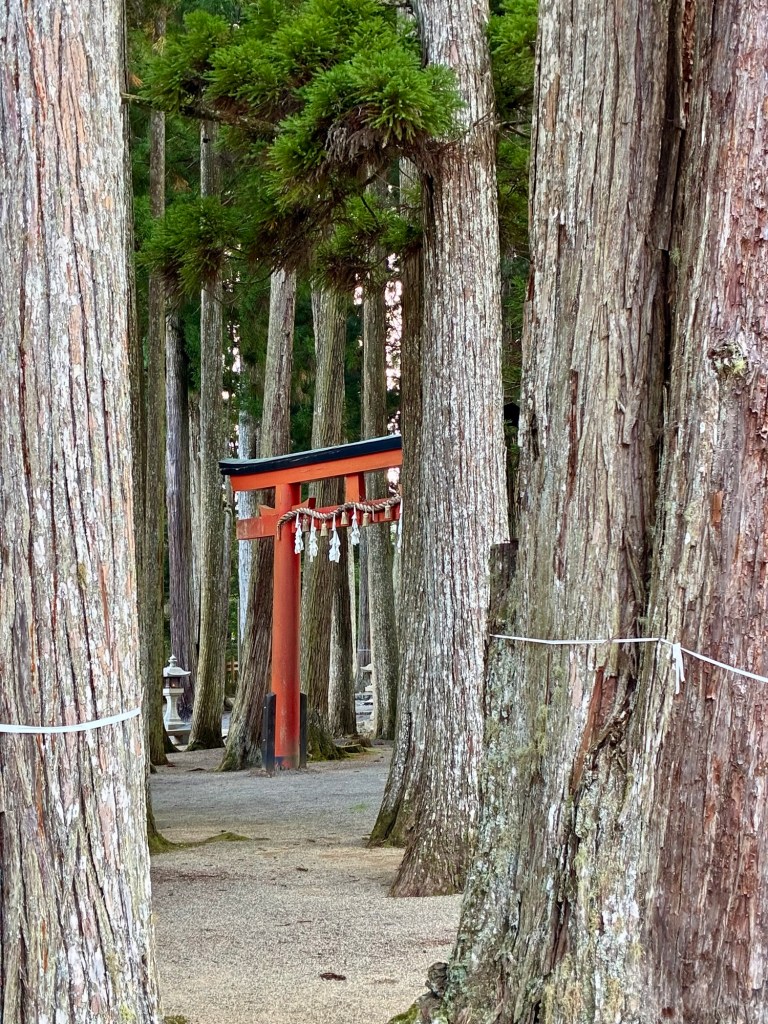
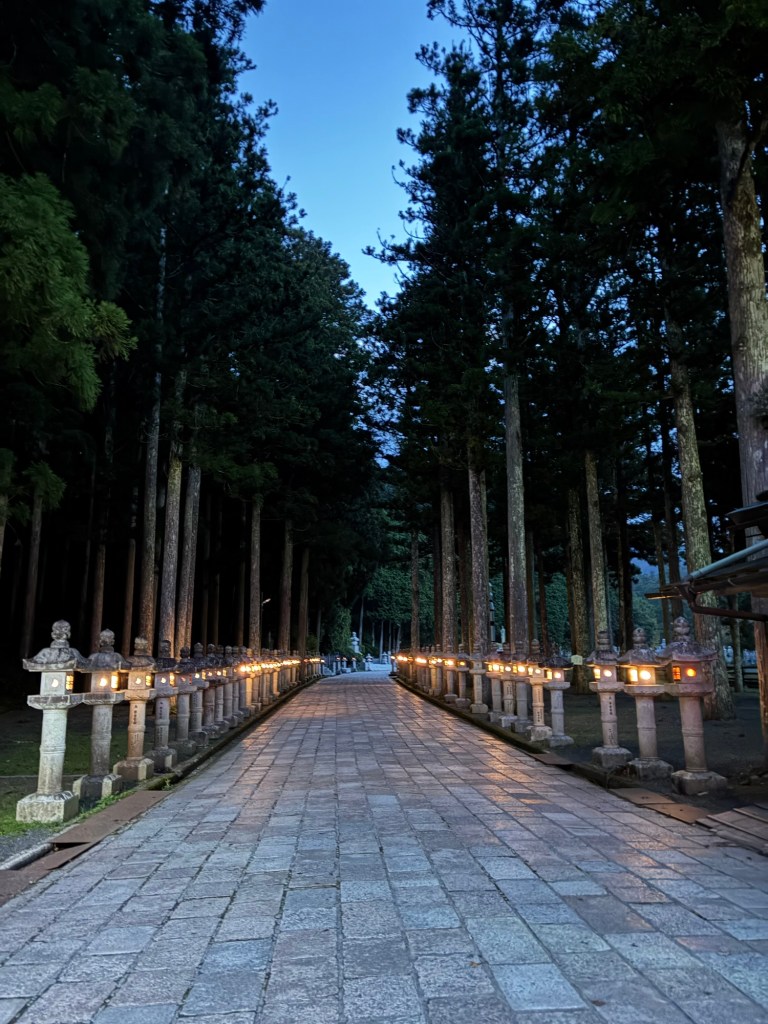
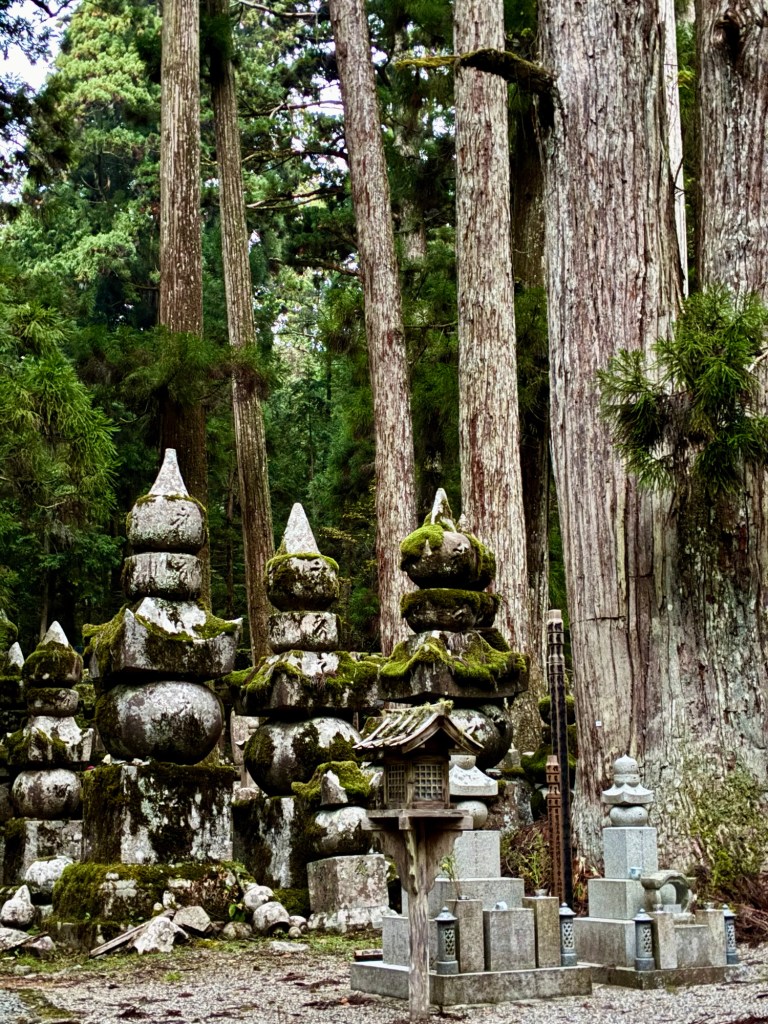
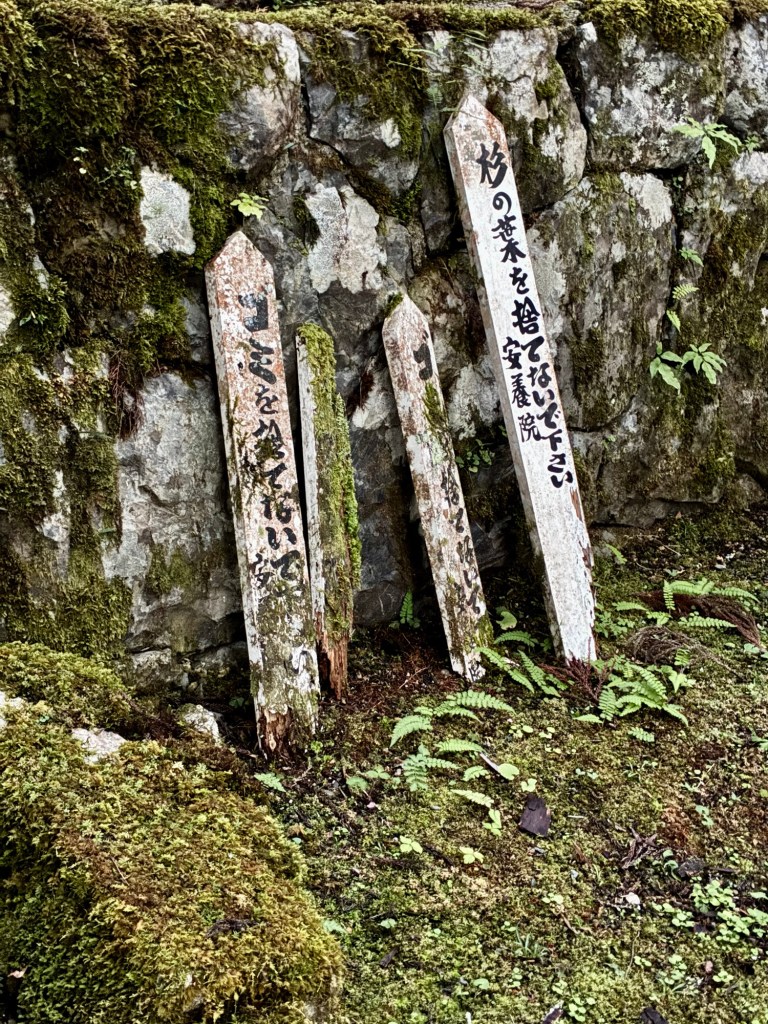
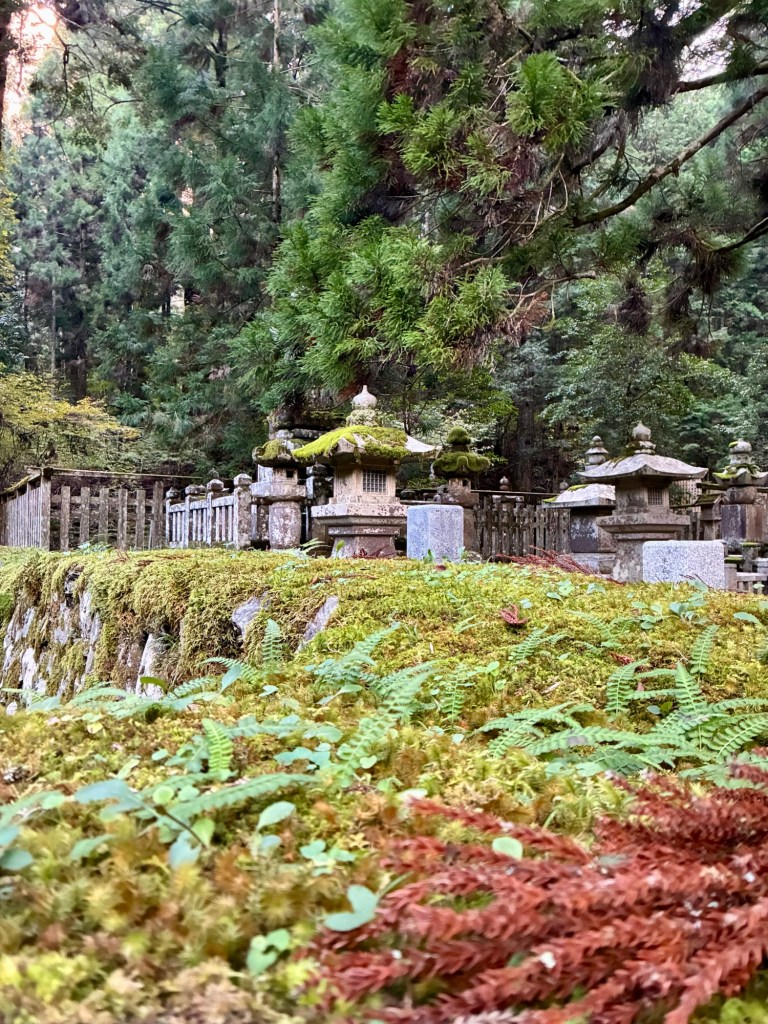
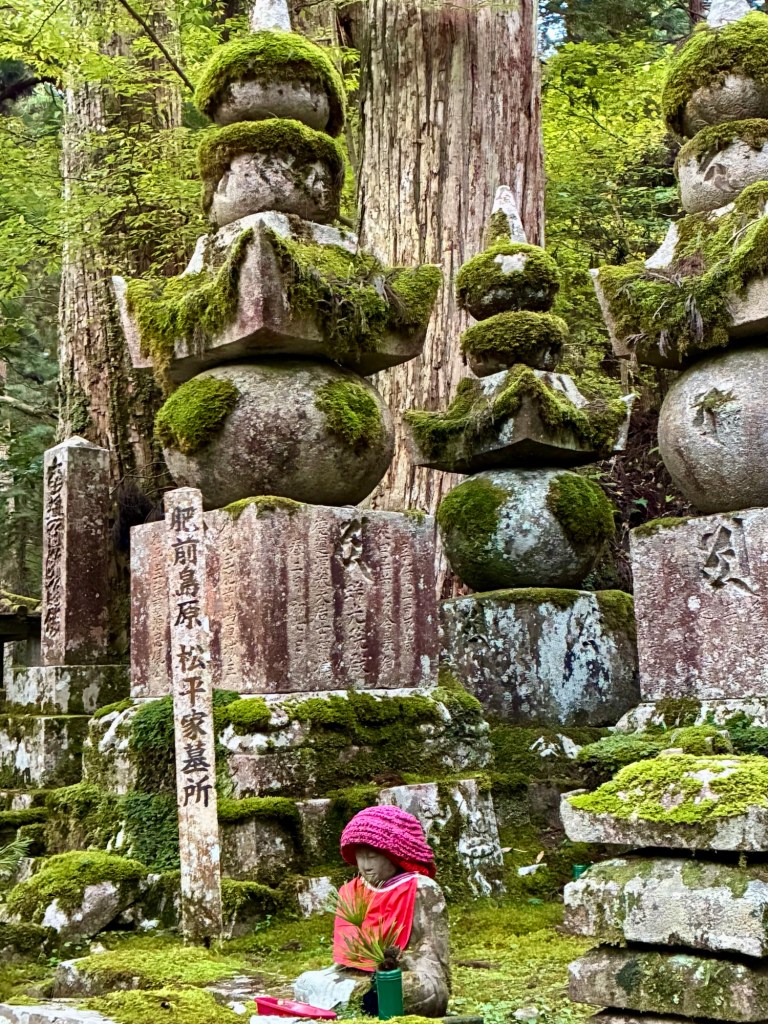
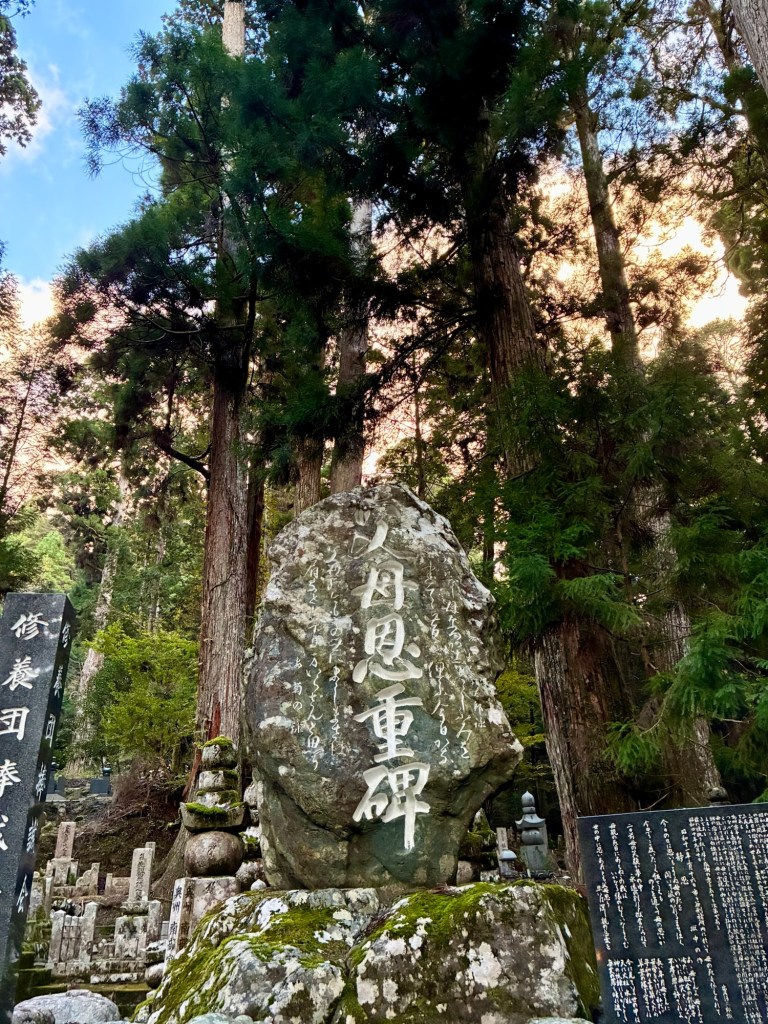
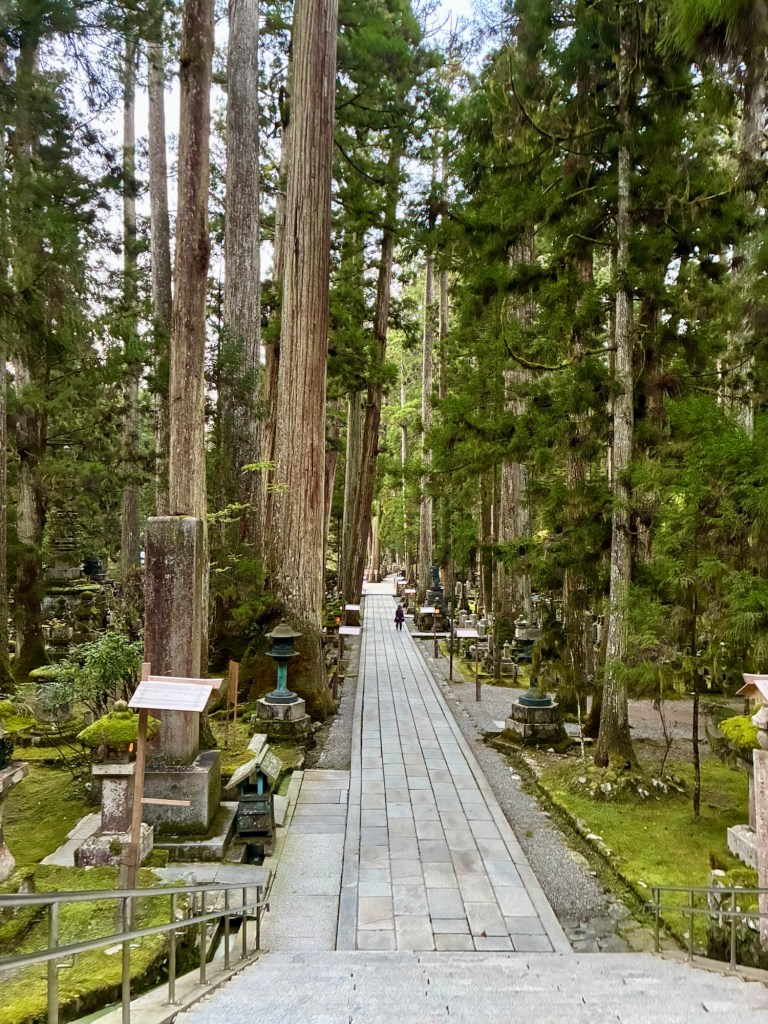
Koyasan is also home to Okunoin Cemetery established in 835 in a beautiful conifer forest. It’s worth getting up very early and arriving at the cemetary at first light when it has a special atmosphere.
I could easily have stayed in Koyasan for longer and would like to go back there one day, perhaps for a retreat and to do some of the pilgrimage walks.






HIROSHIMA
From Koyasan we transited to Hiroshima. Of the major cities we have visited, Hiroshima had the most relaxed feel and was not overrun by tourists in the way Kyoto is. You can smell the sea and there are multiple big rivers running through the city which is easy to get around on foot or via the tram, train or bus if you have a Suica card.
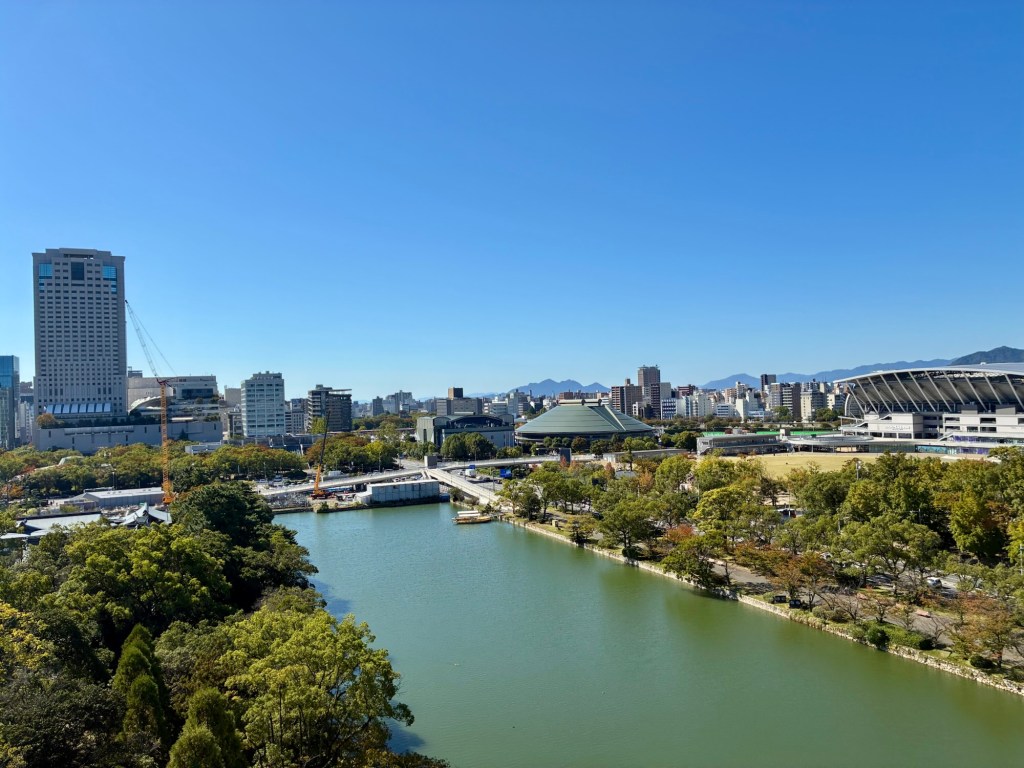
We visited the castle (reconstructed after the 1945 atomic bomb) which is five stories high and surrounded by a moat. The castle contains a museum about the history of the castle and the and has panoramic views of Hiroshima from the top. Walking through the grounds containing ruins provided the first sense of the 1945 atomic bomb destruction. There is a tree in the grounds that survived the nuclear bomb – a eucalyptus melliodora – mind blowing when you consider the destruction caused by that event.
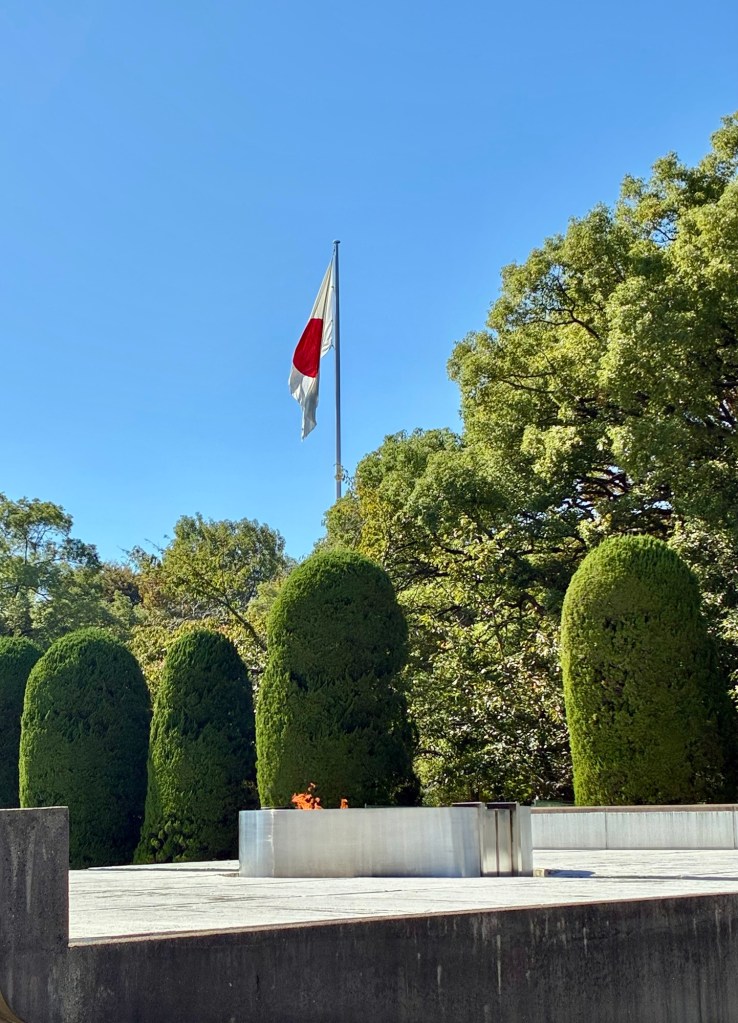
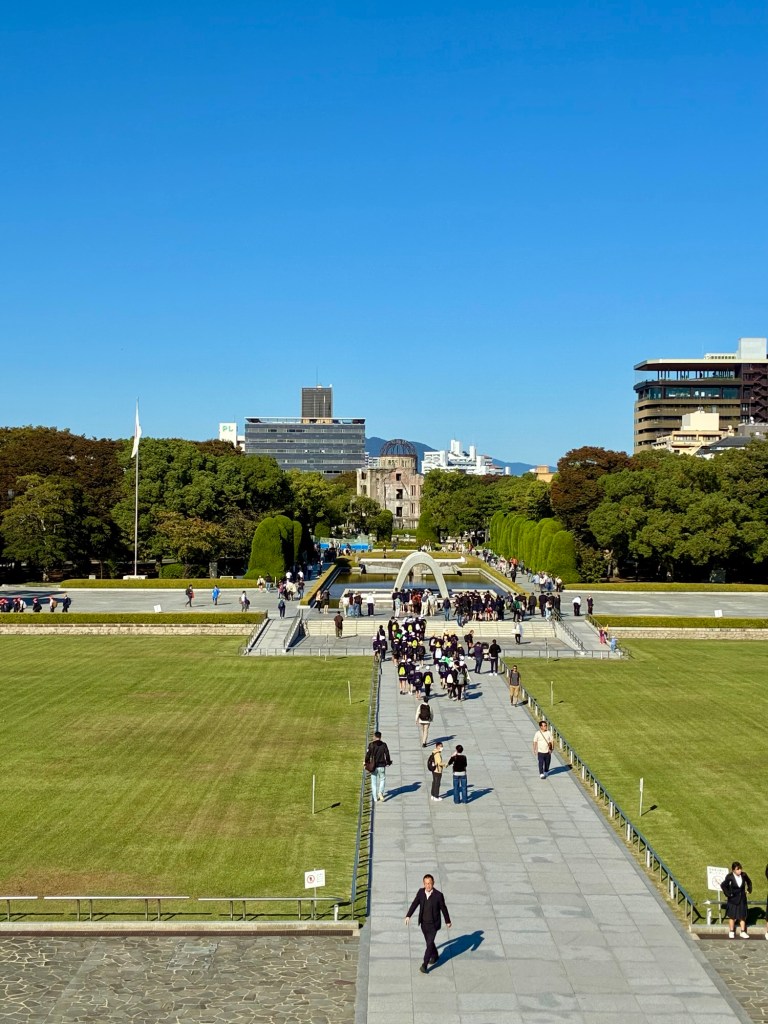
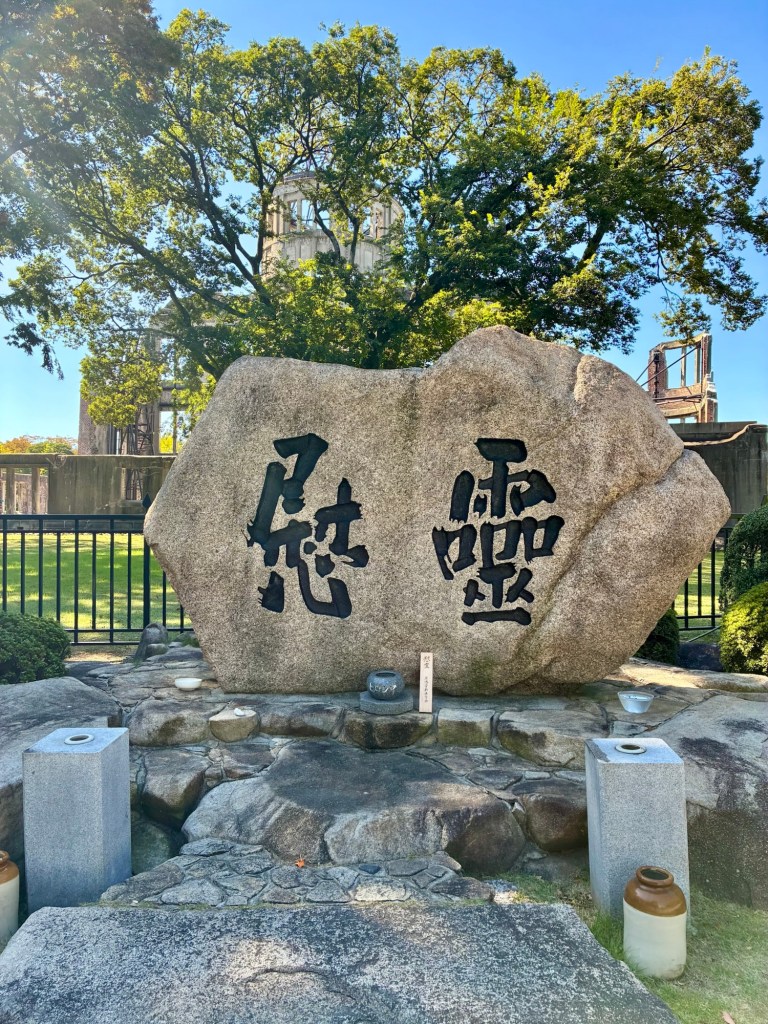
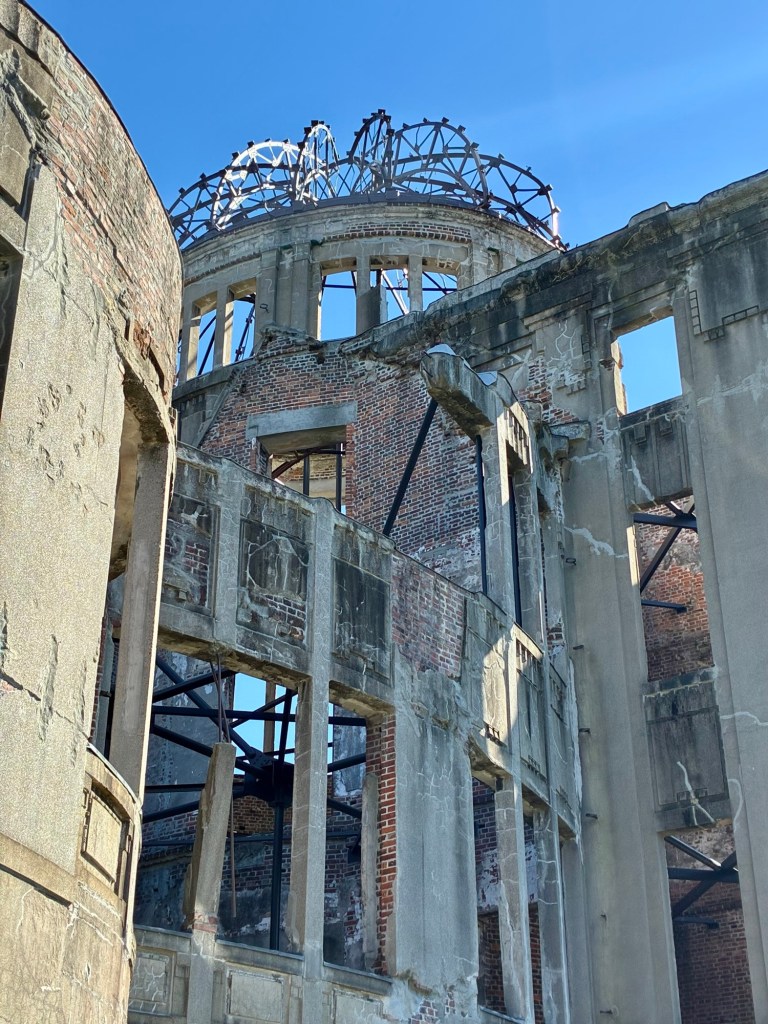
Within walking distance from the castle are the A-Bomb Dome (a building destroyed but left standing as a peace memorial), the Peace Memorial Park, and the Peace Museum. The remembrances to victims of the nuclear bomb dropped by the USA on 6 August 1945 were very moving and made even more so by the large number of school children visiting the sites. Groups of children sang to the Children’s Peace monument and surrounded us as we walked through the museum. To collect our thoughts and reflect on the Peace Museum we sought out the Social Book Cafe Hummingbird, a cafe established for people to gather, connect and discuss social issues. They serve nice herbal teas and sweets and are very welcoming and friendly.


SANDANKYO
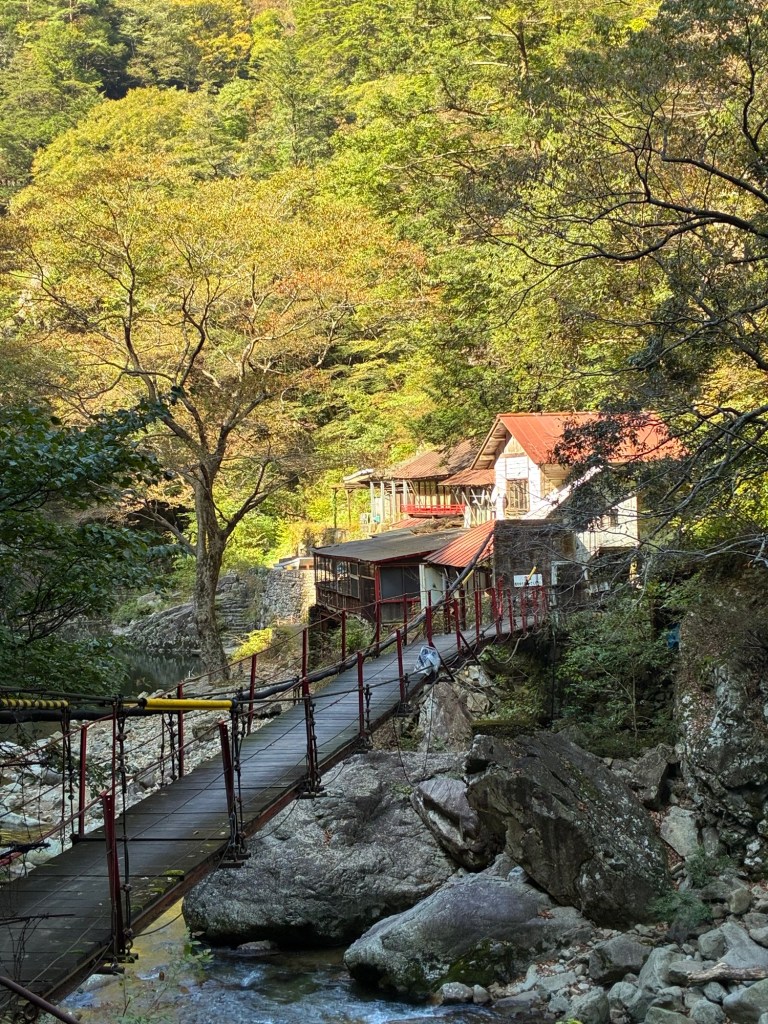
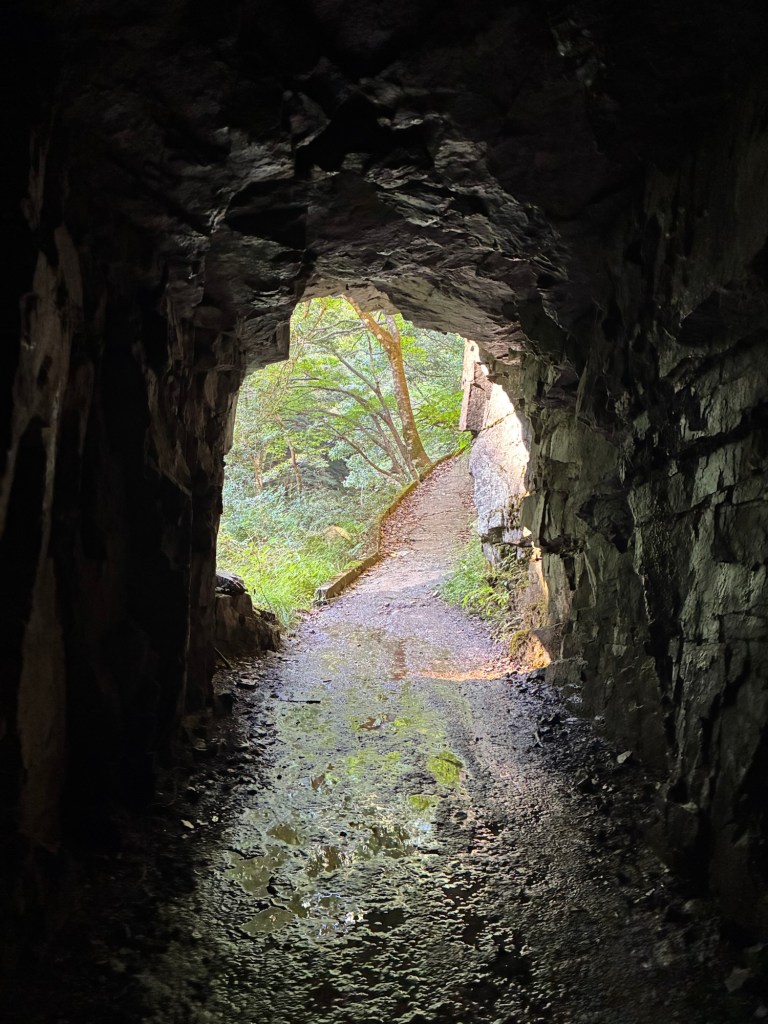
About an hour by bus from Hiroshima is Sandankyo. The town is small and has a very remote feel (think north west Tasmania), and is the gateway to Sandankyo Gorge. The gorge runs 16 kilometers along the Shibaki River through thick cedar forests, jade coloured pools, steep moss covered cliffs and waterfalls, and is part of the Nishi-Chugoku Sanchi Quasi-National Park. A walking track hugs the gorge and we followed it about 8.5 km to Sandandaki Falls, a three tiered, 130m waterfall. We had perfect weather conditions for walking and finished the day with tired legs but full bellies after a beautiful meal proved by a couple of the local ladies at the Kawamoto Ryokan where we stayed. It was convenient, basic and comfortable.
Tip: if you go to Sandankyo make sure you check the bus routes and timetables as they can change and it’s not a place you want to get stuck without a place to stay.





MIYAJIMA
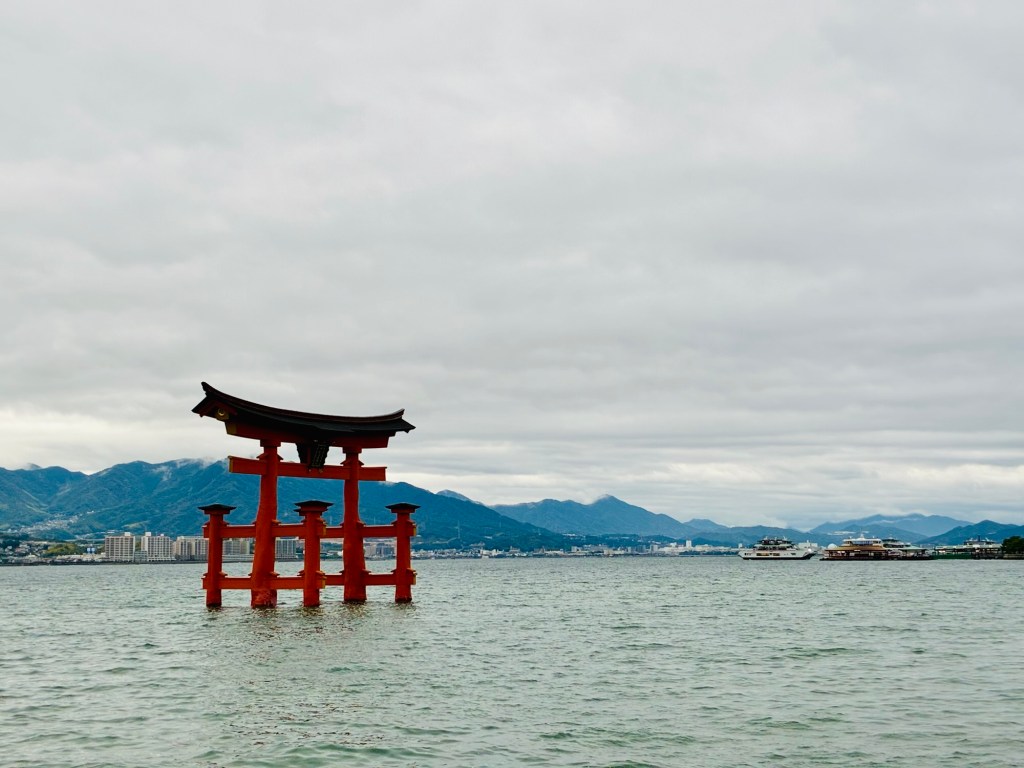
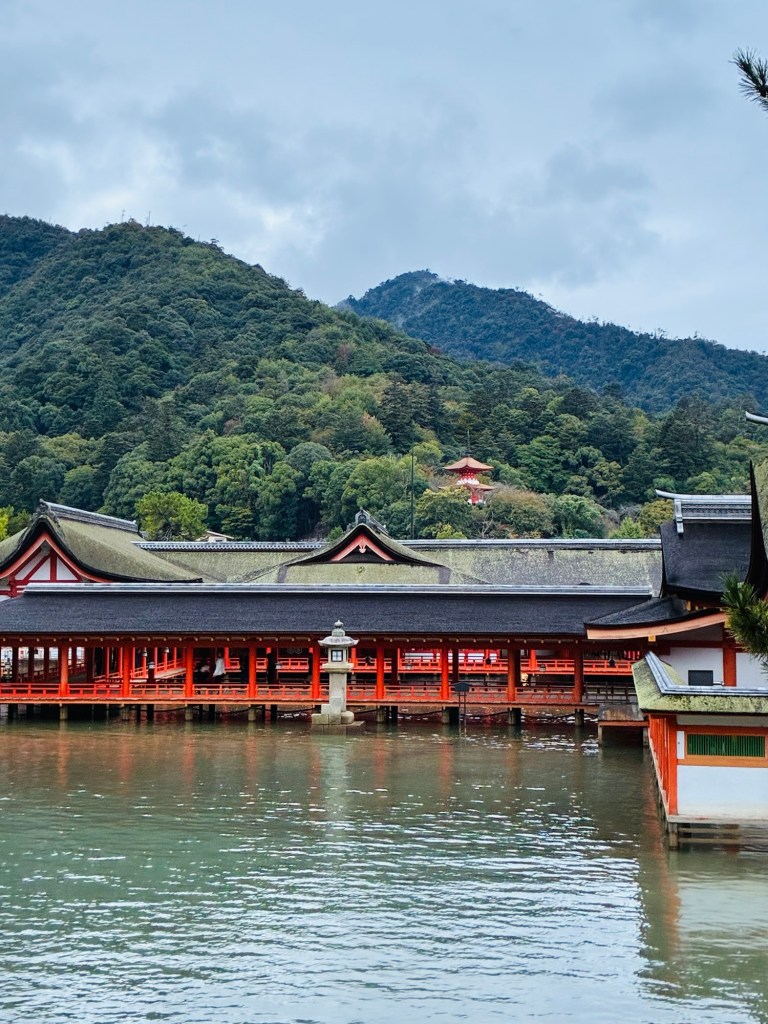
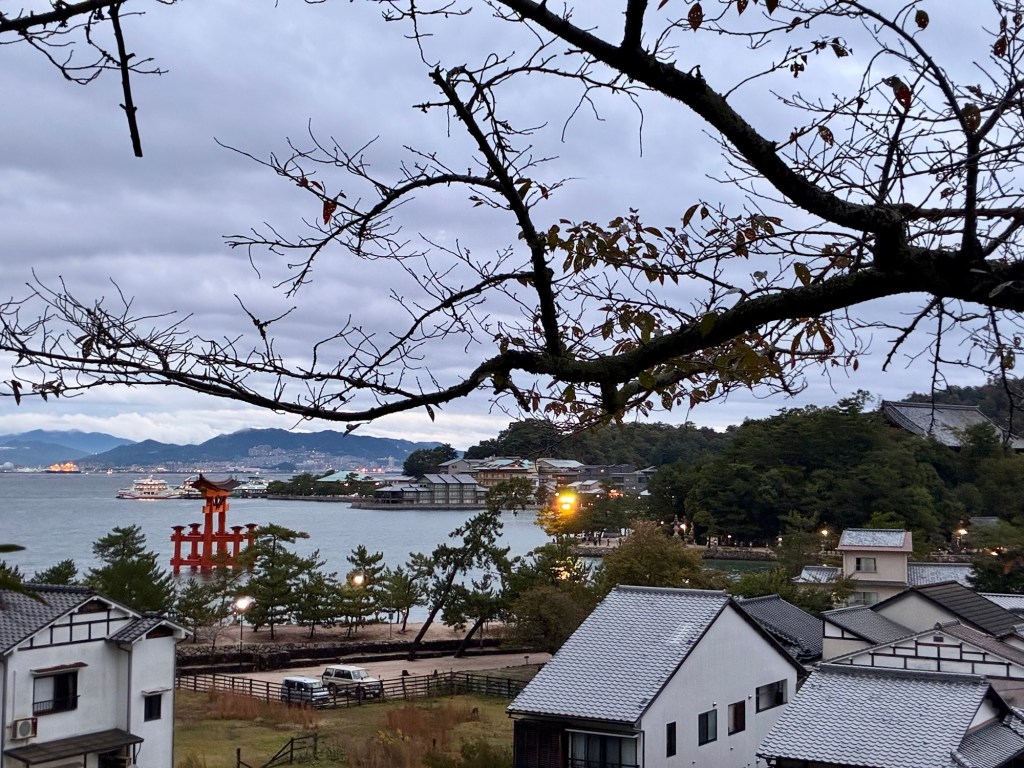
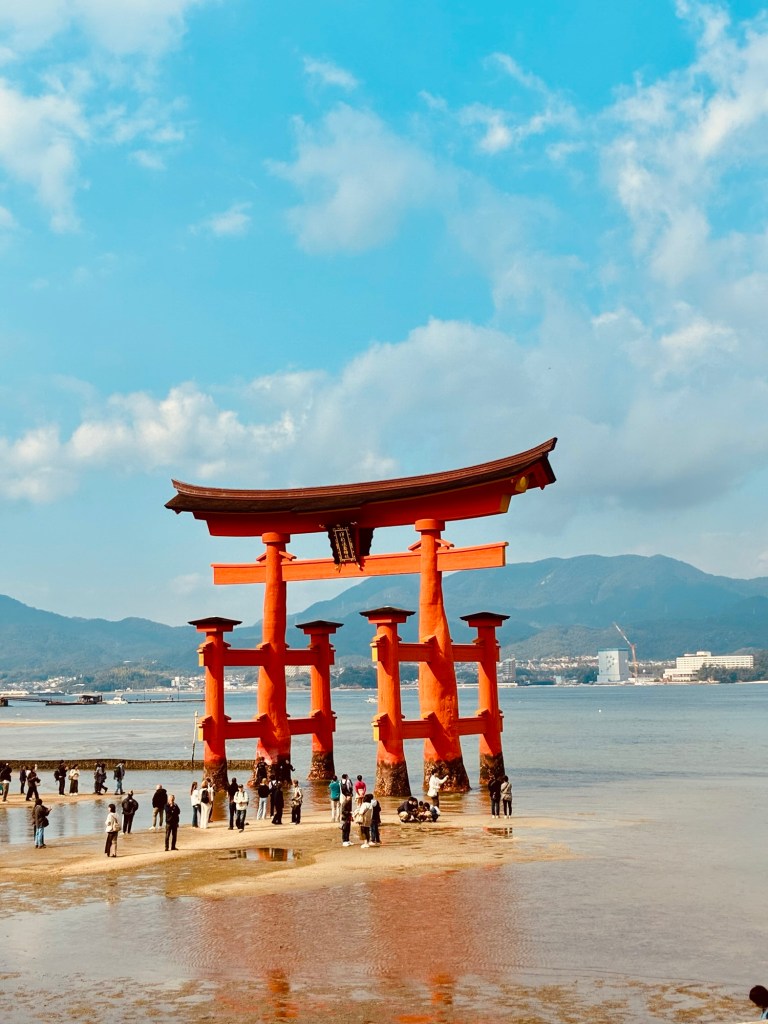
We woke up to rain at Sandankyo and hopped on a bus – train – ferry to Miyajima (Itsukushima). Miyajima is a popular tourist island not far from Hiroshima with the well known Itsukushima Shrine built over the water with a massive orange torii gate in front. It is said that the Shrine was built on the coast because the entire island is a deity to revere. Historically it was taboo to die or give birth on the island and there are still no cemeteries or hospitals as it is believed they would damage the islands purity.
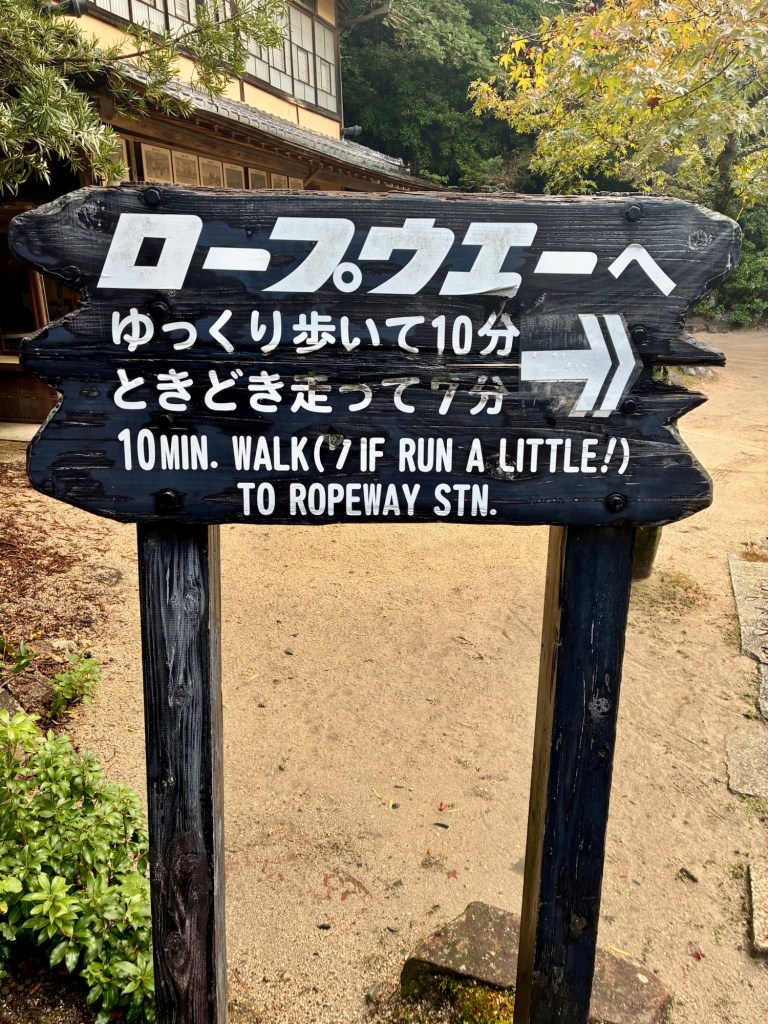
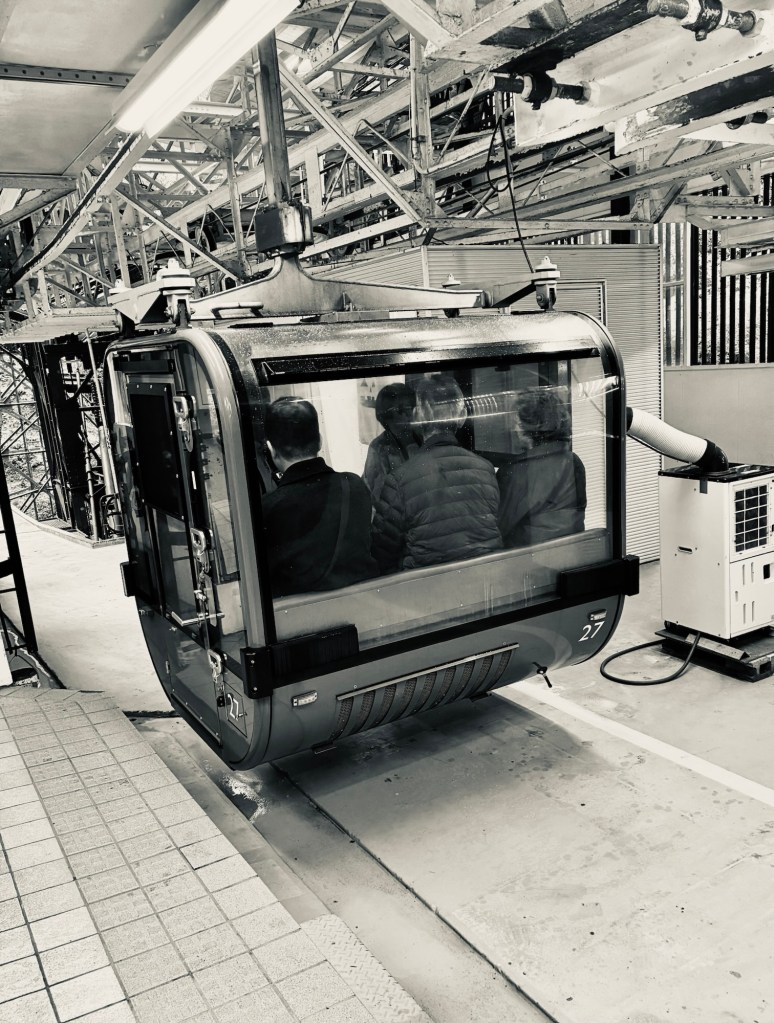
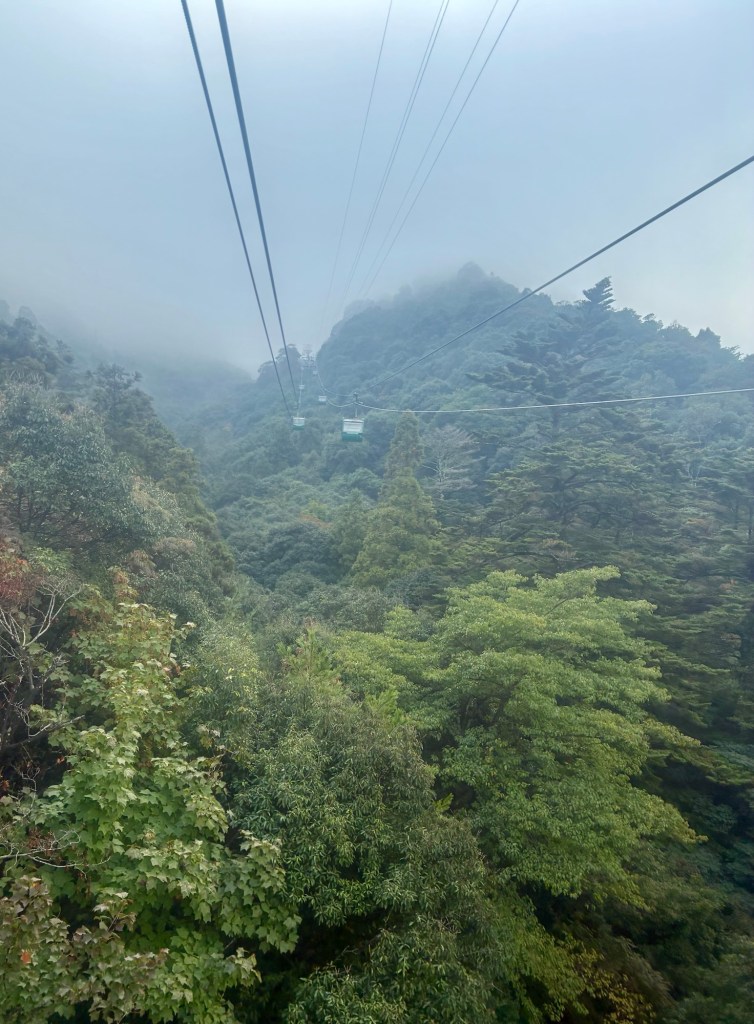
Walking the streets alongside the wild deer after most of the tourists have left is beautiful and it’s worth staying the night to avoid the crowds. In the morning we took the ropeway cable car to the top of Mount Misen which has a fantastic view, though there was low cloud when we went so we couldn’t see much, the ropeway is a great experience in itself though. We stayed at Mizuha-so near the aquarium, which I would happily recommend.
Tip: Miyajima gets loads of tourist traffic. The best times to be there are late afternoon and early morning, so if you’re thinking of going it’s worth staying overnight to dodge the worst of the crowds.





 R L Smith