


We were finally released from our collective misery last week, and I’m not talking about lockdown. The hound and I have experienced another kind of restriction as a result of an injury I wrote about back in January, after what should have been a two week resolution turned into six.
After a couple of weeks of rigorous supervision and battles with the cone of shame, which I can attest made both the hound and myself miserable, we returned to the vet to have the sutures removed. I was relieved the saga was over and had the best nights sleep since Harper’s surgery. So imagine my horror to wake up in the morning and notice a small hole had opened up where the stitches had been. By the time we got to the vet it had turned back into a gaping wound.

The vet took one look and said, ‘We’ll have to staple her up.’
He disappeared into the surgery and reappeared with some goo on his finger — a local anesthetic which he wiped around the hole. Next, he produced a staple gun and whilst the vet nurse and I placated the 46kg beast he proceeded to staple her together. The anesthetic didn’t worked on one spot and Harper screamed blue murder. My heart leapt into my throat at her distress but fortunately she is such a gentle beast that she tolerated the procedure despite the discomfort.

The next three weeks were a slog of close supervision and anxiety about whether the wound would heal. After one week the vet indicated if it wasn’t significantly improved by week two they might have to do surgery again, which would have meant a return to ground zero.
The wound was located on the most bendy part of the dog, making it slow to knit. It was clearly itchy so I couldn’t leave Harper out of my sight without the cone of shame on, and could not leave the cone on for anything other than short periods due to the stinking hot weather because the device prevented her from drinking water.
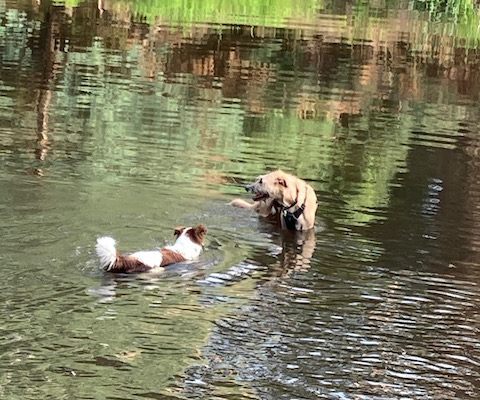
It’s hard work trying to contain a 46kg playful young dog, even if she is a lazy sod 90% of the time. As the days dragged by, she became more and more frustrated with the restrictions I had to impose. All she wanted was to play zoomies with her friends and I could not let her.
Six weeks later, after being substantially locked in the same room together, save for one day that Harper spent on a kind friend’s sofa, the staples were removed. I held my breathe willing everything to stay together. After a few days without any sign of complications, Harper had her first off lead play and I got a chance to go out without her for a meal with a friend. Tails are wagging all-round.
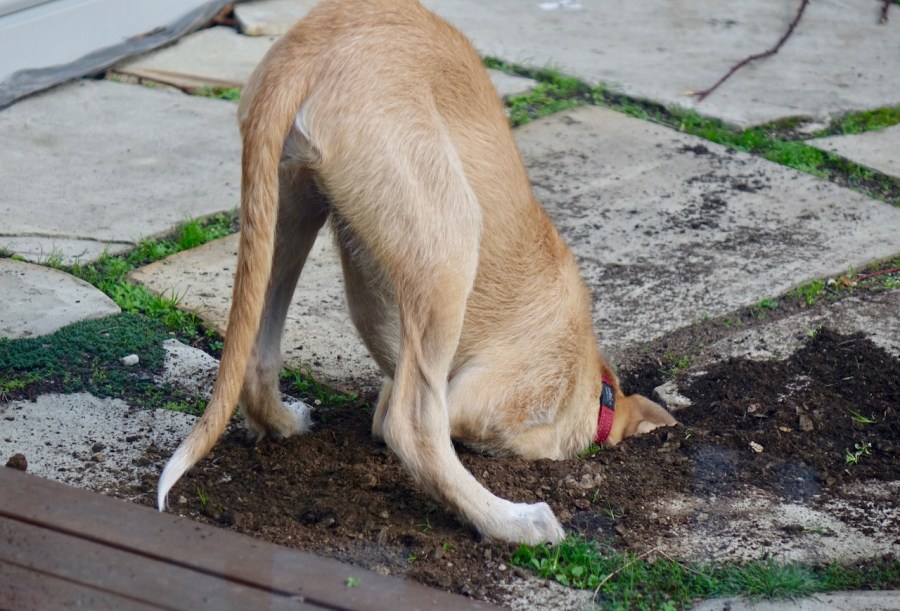

 canine. I went along to one on nutrition which ironically was facilitated by a vegan who was extolling the virtues of a raw food diet. Subsequent research tells me that the raw food diet for pets is a controversial topic – why should all the controversy be reserved for people after all – but it does make logical sense to me. Before dogs realized humans are a great source of nutrition and security and domesticated us over 10,000 years ago, they didn’t eat carbohydrates, one of the key ingredients in many processed pet foods. Apparently all carbs do is deliver a burst of energy and upset the pH of their stomach if they eat too much. It can also contribute to what we call the ‘zoomies’ when doggo gets hyper at the time of evening when I’m ready for a quiet sit on the sofa. In the wild hounds ate meat (often several days old), greenery, and dirt and have a digestive system designed to process these things.
 ingredients and spent several evenings elbow deep in about 40kg of chicken, beef, turkey and crocodile meat and various types of offal, which has a distinctive metallic smell. The whole exercise made me think of my grandfather who spent his working life as a butcher. He was a short, charismatic but volatile man – maybe it was all that meat. I have made up enough meals to fill up the freezer that I installed in the shed for this purpose. A week of probiotics and a slow transition onto the new diet and hey presto, the hound is already much improved all around.
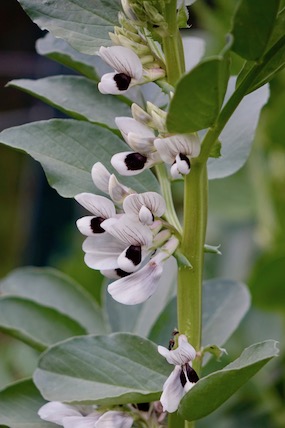 wouldn’t dig it up again. I have also weeded the vegetable patch and popped seeds for tomatoes, basil, zucchini, cucumber and pumpkin in punnets and placed them under cover in a small greenhouse. The broad beans are flowering and the other winter vegetables are sprouting with spring growth.
 R L Smith